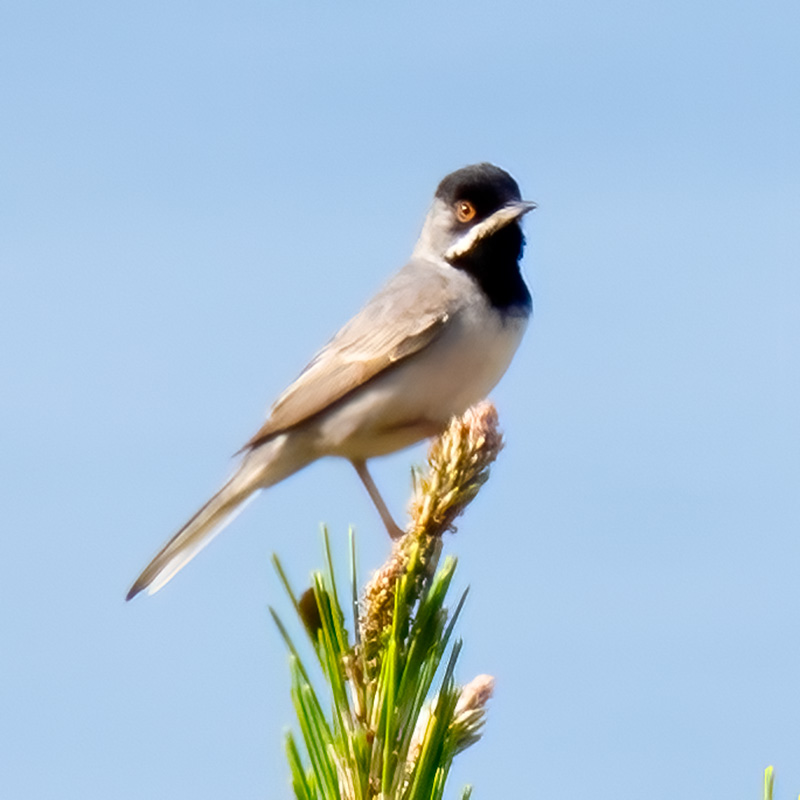
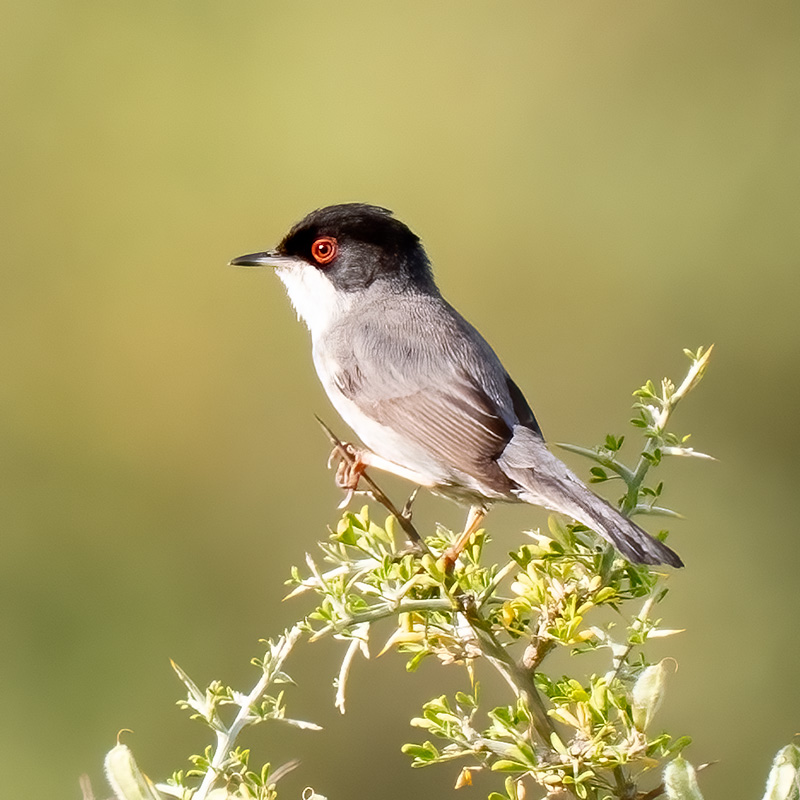
On our first day with a guide (9 May), we started by birding along the southern coast south of the airport. Our target birds were the Sardinian and Ruppell’s Warblers. The Sardinian Warbler was reasonably close and we got an acceptable photo with a nice background. Ruppell’s Warbler was more of a challenge and frustratingly remained well away from us or hidden in bushes when we wanted them sitting on the top. The photo below is the best that we could get.
Ruppell's Warbler
Sardinian Warbler
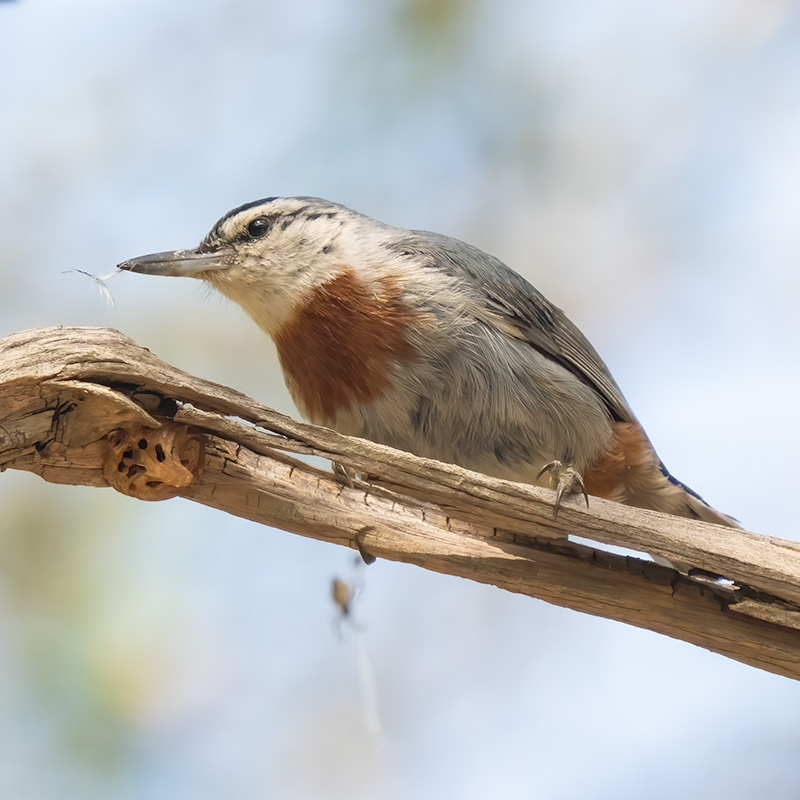
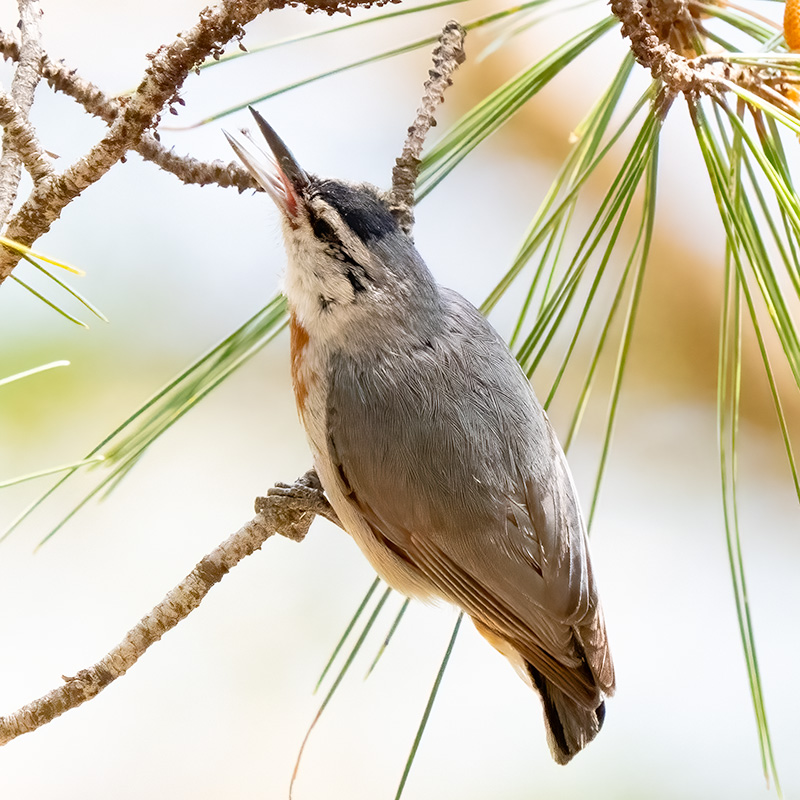
We next moved on to a couple of forested areas in search of a European Serin. The first site provided nothing, but the second surprised us with a couple of male Kruper’s Nuthatch, which at one point were fighting on the ground. A remarkable sight that we were too slow to video and we had to make do with still photos of the birds in the trees..
Kruper's Nuthatch
Kruper's Nuthatch
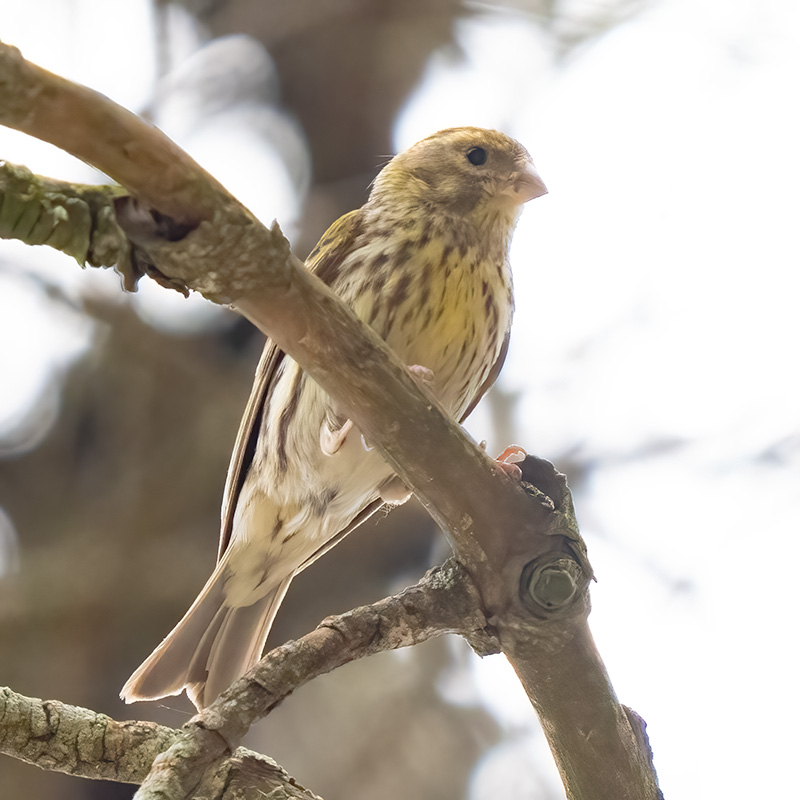
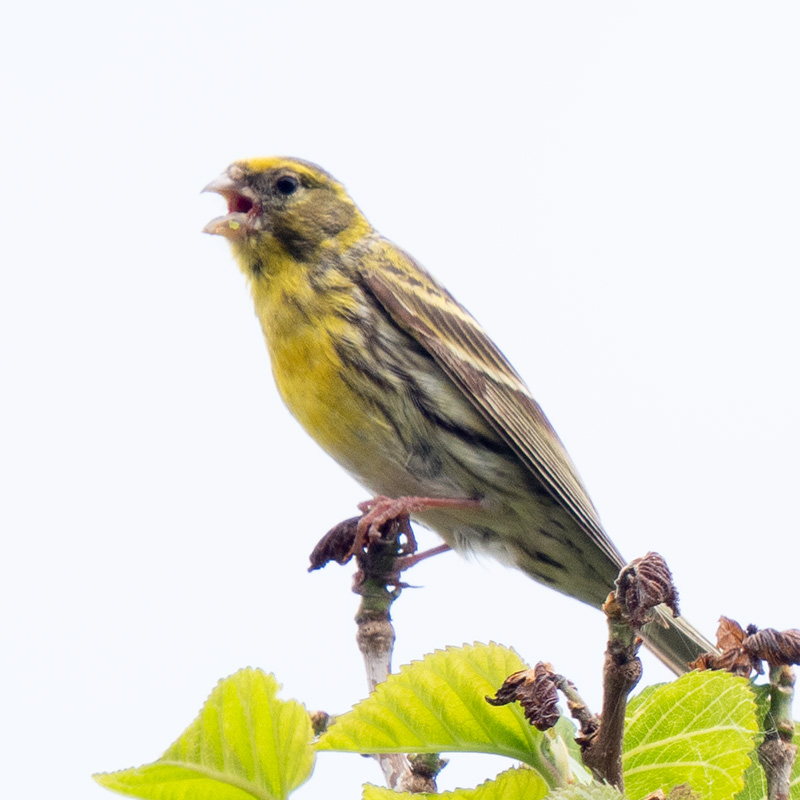
We soon heard the distinctive call of the Serin, although they were initially high in the canopy making photography difficult. Fortunately, one bird flew across the road next to the forest and perched on the top of a tree, letting us get a better shot.
European Serin
European Serin
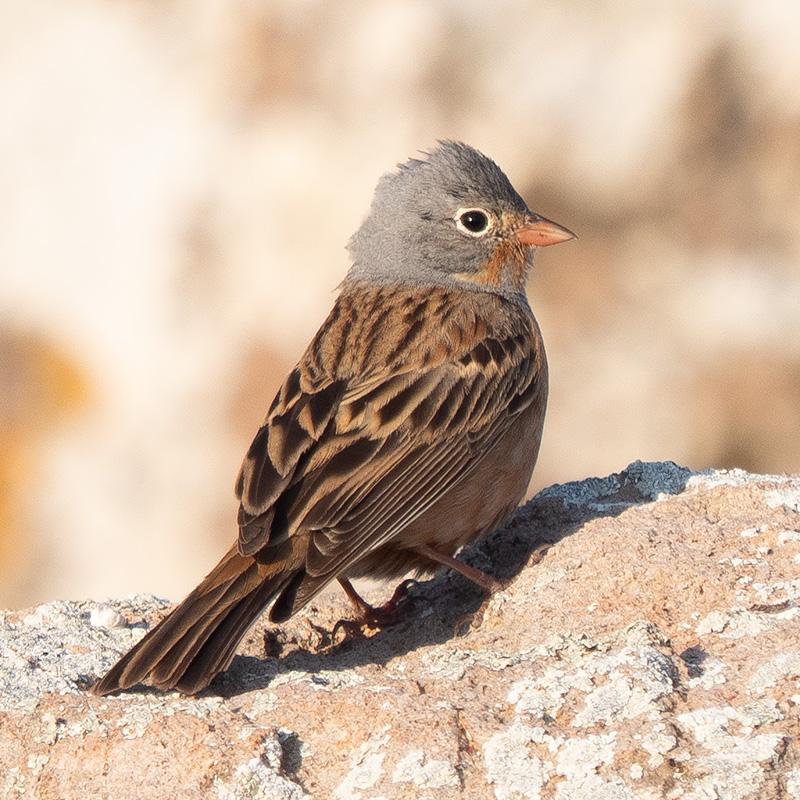
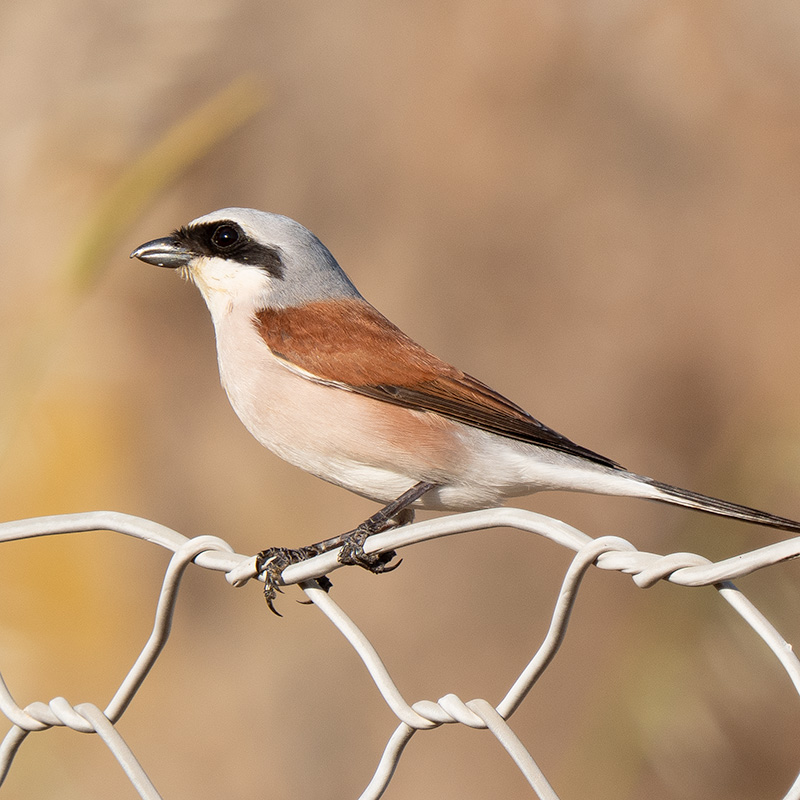
We did further birding in southern Lesbos at Makara on the southern coast of the western section of the island on 2 May. It was only a 30 mins drive from our hotel, initially on a fast road, which then turned into an unpaved track with rocky outcrops on either side. This was ideal habitat for Cretzschmar’s Bunting and we soon saw a male perched on a rock close to the car. We also had a Red-backed Shrike on a fence.
Cretzschmar's Bunting
Red-backed Shrike
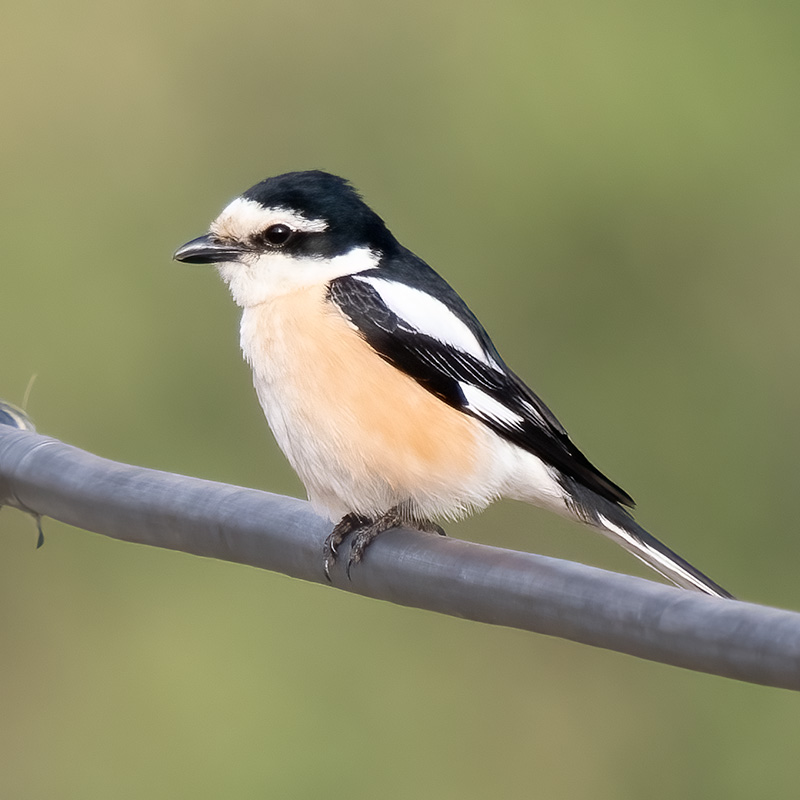
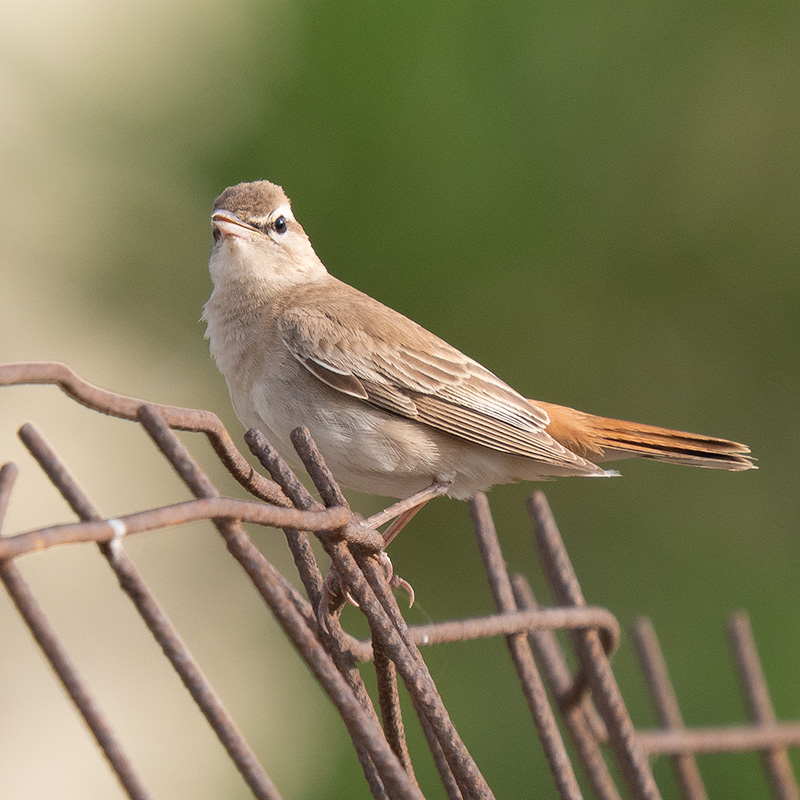
On the second day with our guide (10 May) we re-visited Makara and saw a group of Yelkouan Shearwater flying past, although they were far too distant to get a good photograph. But close to the road we had good views of Masked Shrike and Rufous-tailed Scrub Robin.
Masked Shrike
Rufous-tailed Scrub Robin
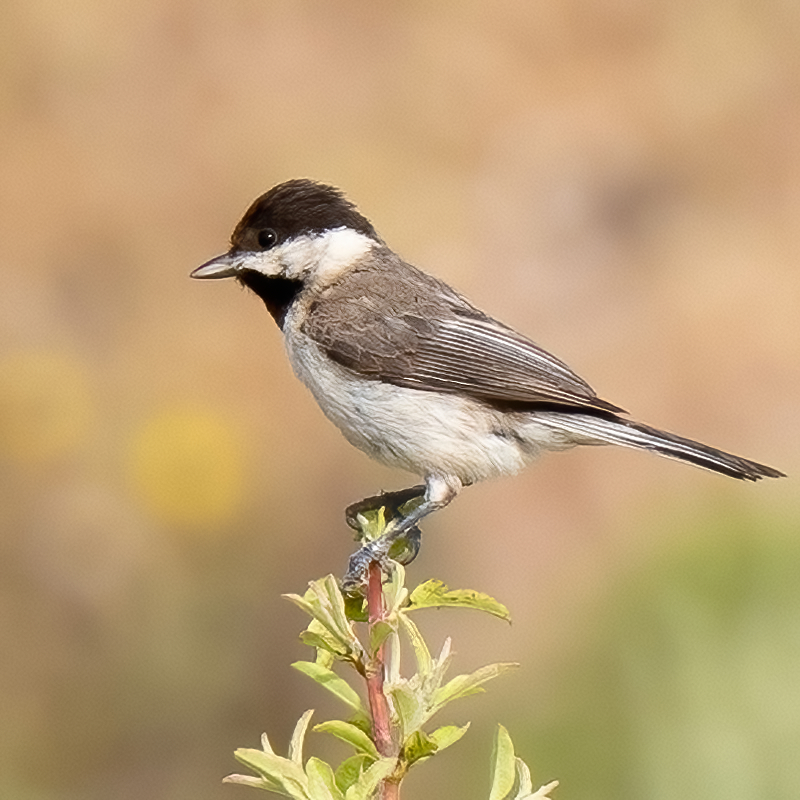
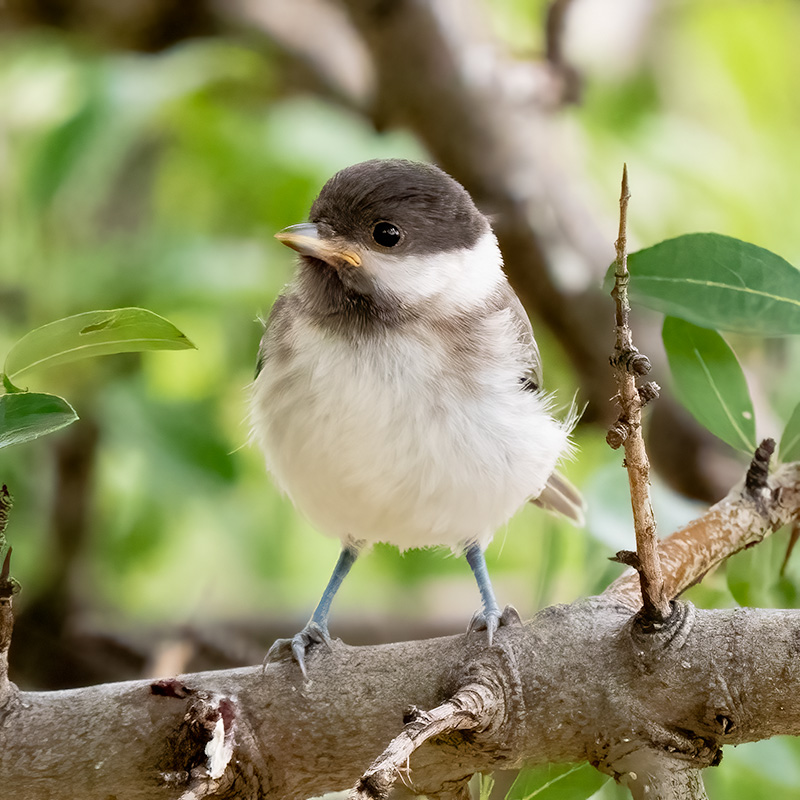
Next we decided to head for Sigri via the road that winds through Agra, Mesotopos and Eresos. The road was initially very good, but after Eresos got extremely rough and clearly little used by vehicles. Near Agra we took a side road and were fortunate to see both adult and juvenile Sombre Tit.
Sombre Tit
Sombre Tit (juvenile)
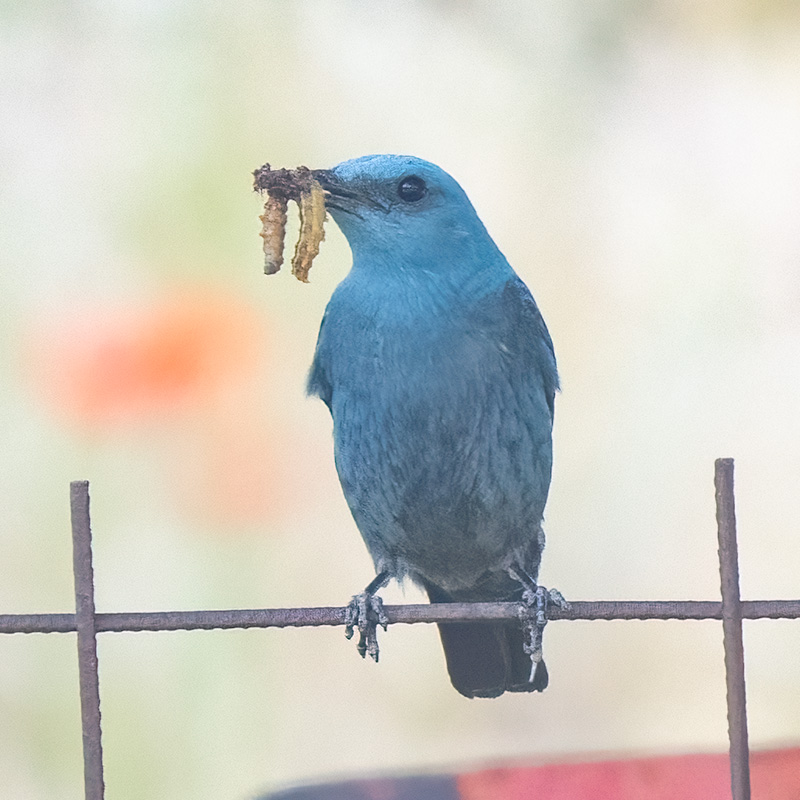
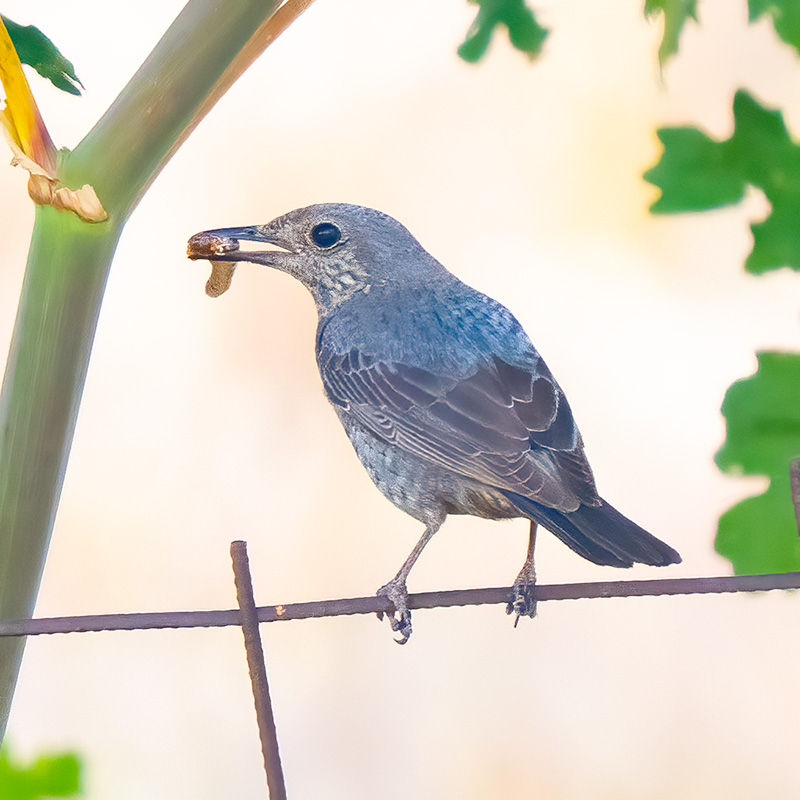
Moving on, we had good views of a pair of Blue Rock Thrush that we saw while parked next to the road. The birds clearly had a nest nearby and were collecting food for their young.
Blue Rock Thrush (male)
Blue Rock Thrush (female)
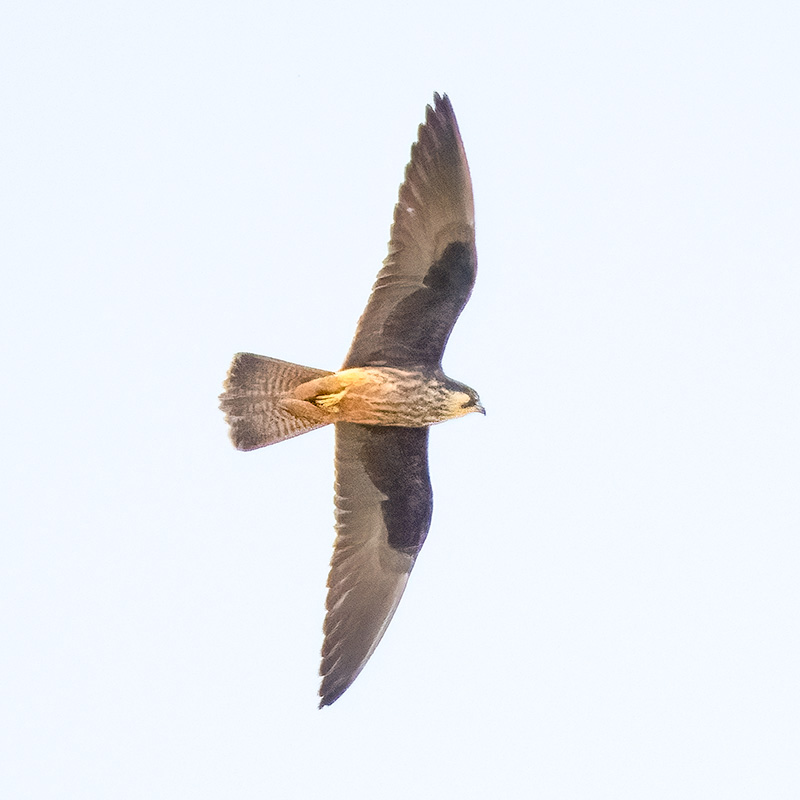
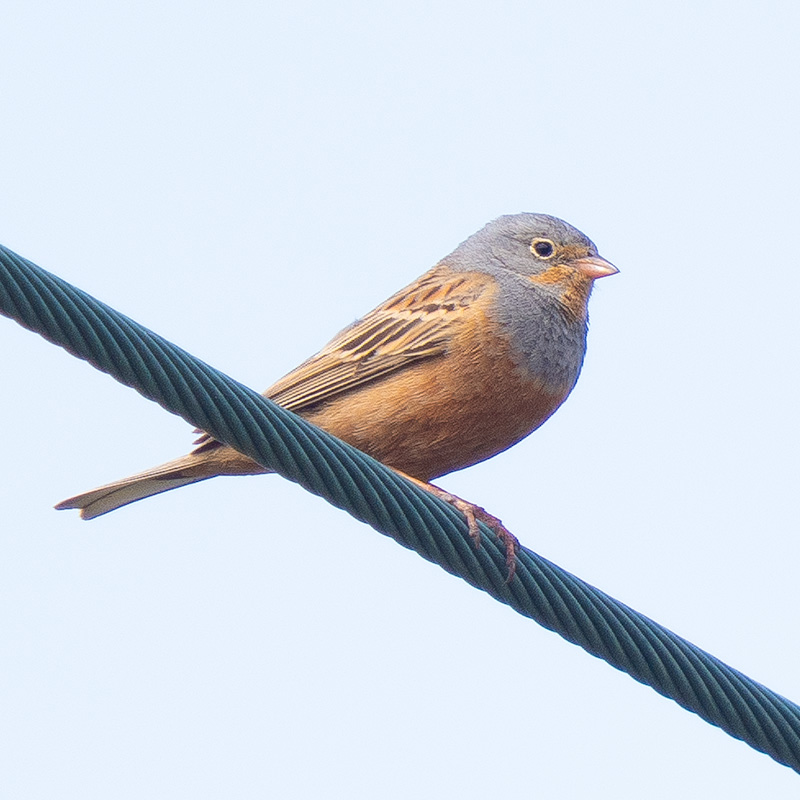
As we continued towards Sigri we saw around a dozen Eleanora’s Falcon circling above us so we jumped out of our vehicle and grabbed a few photographs. Close by we had a Cretzschmar’s Bunting on a wire.
Eleanora's Falcon
Cretzschmar's Bunting
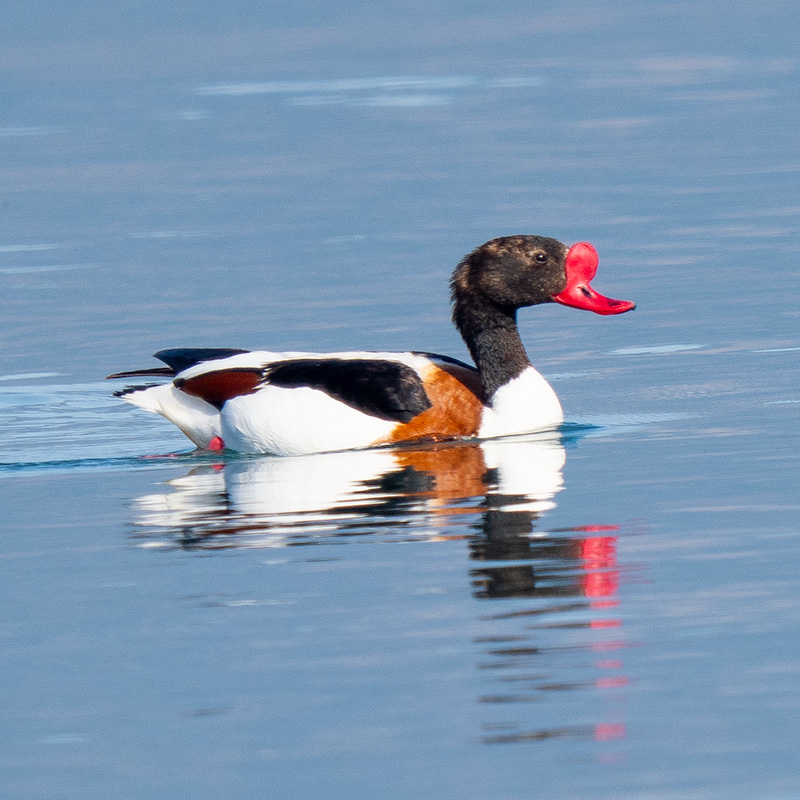
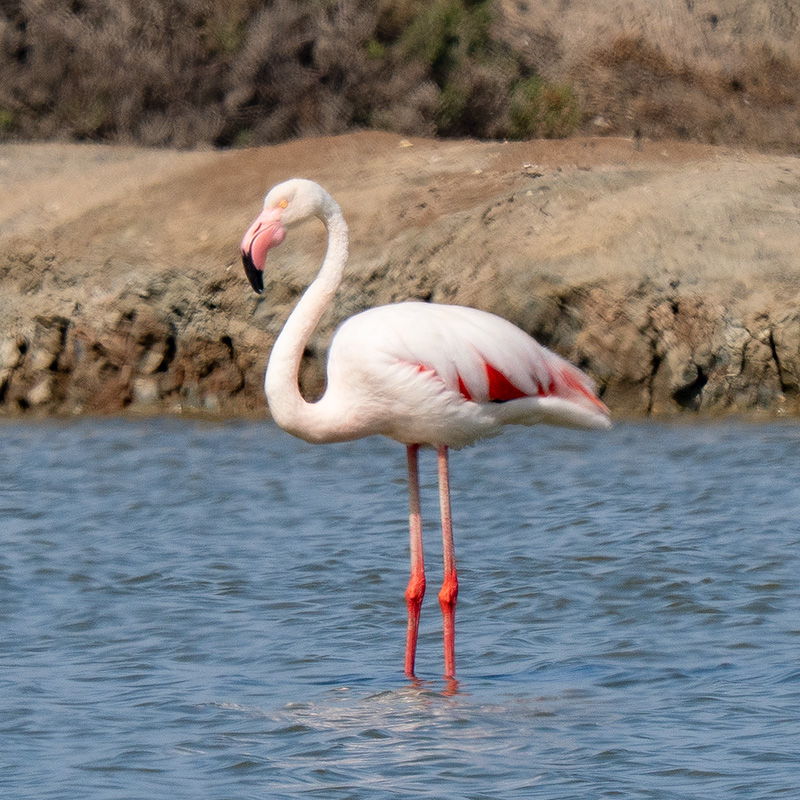
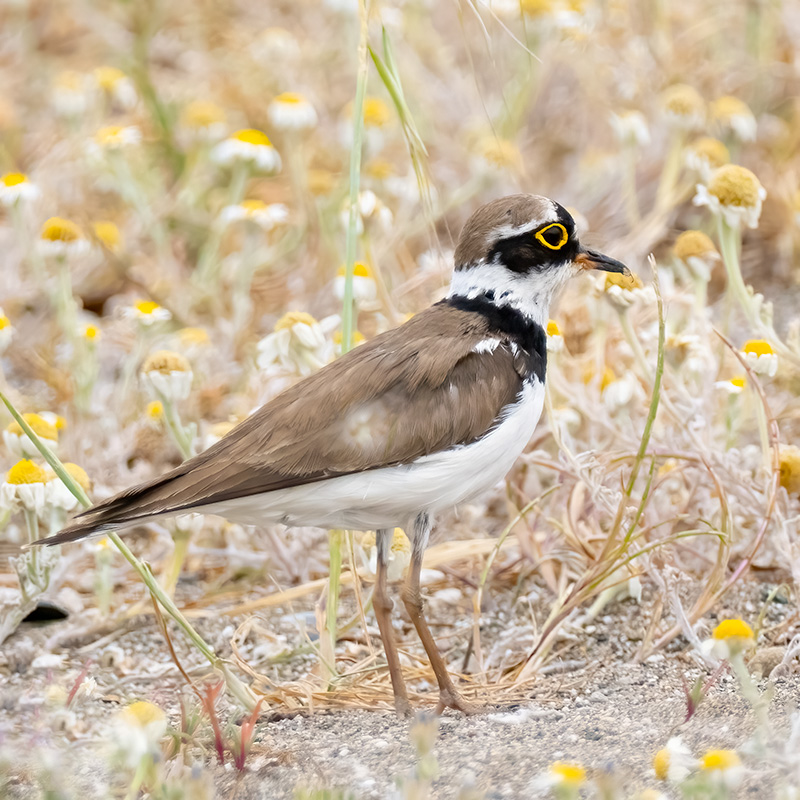
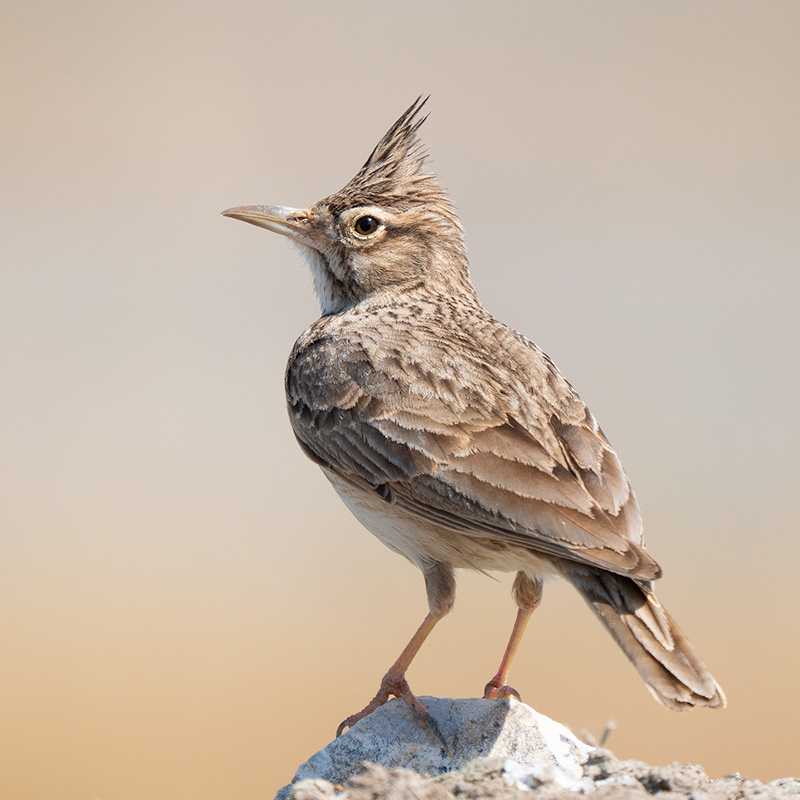
Our final trip to southern Lesbos was towards the ‘other’ salt pans near Polichnitos on the eastern side of the island. The drive down the road that runs very close to the sea was beautiful and along the way we saw Common Shelduck, Great Cormorant, Stonechat and lots of Yellow-legged Gulls. The salt pans themselves were much more quiet than during our visit in September 2022. Then the pans were covered in Greater Flamingos but on this visit there was barely a dozen in the water. The flamingos were also quite distant, and with the heat haze, photography was difficult. Also on the pans were Little Ringed Plover, Black-winged Stilt and Pied Avocet, and we had Common and Little Tern flying over. On the rocks beside the pans we had the inevitable Crested Lark.