Before our Tropical Birding tour began we spent three nights in Muscat, staying at the Intercontinental Hotel in the eastern part of the city. We chose this hotel because of its location close to the beach and the proximity of a couple of parks and nature reserves where we could go birding.
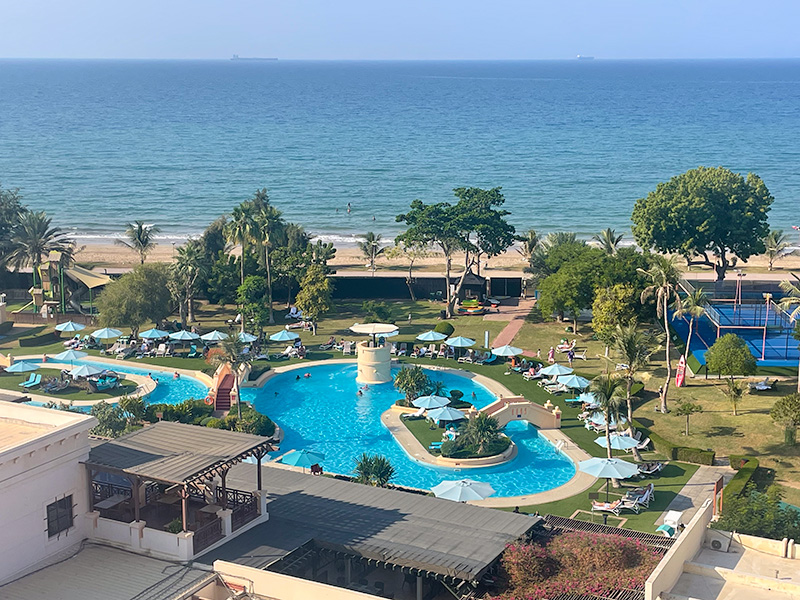
The Intercontinental Hotel, Muscat
The view from our room at the Intercontinental
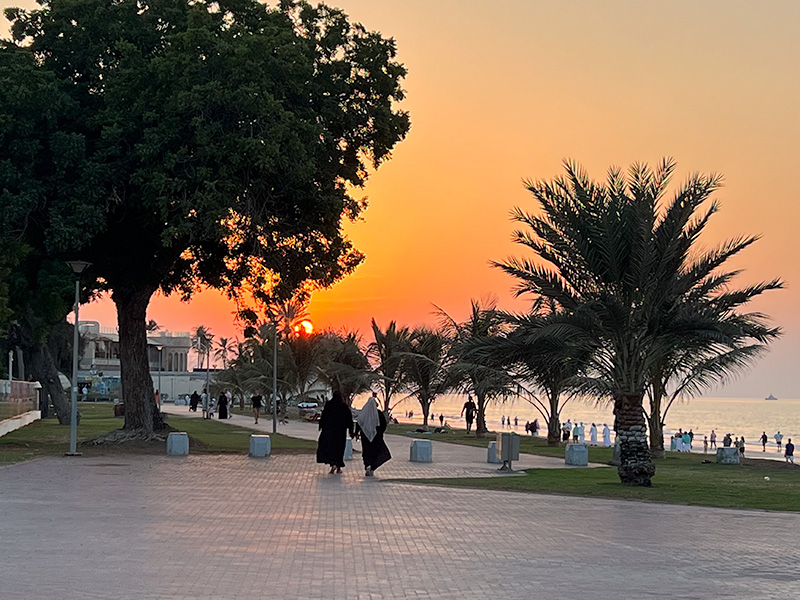
The path outside the hotel next to the beach
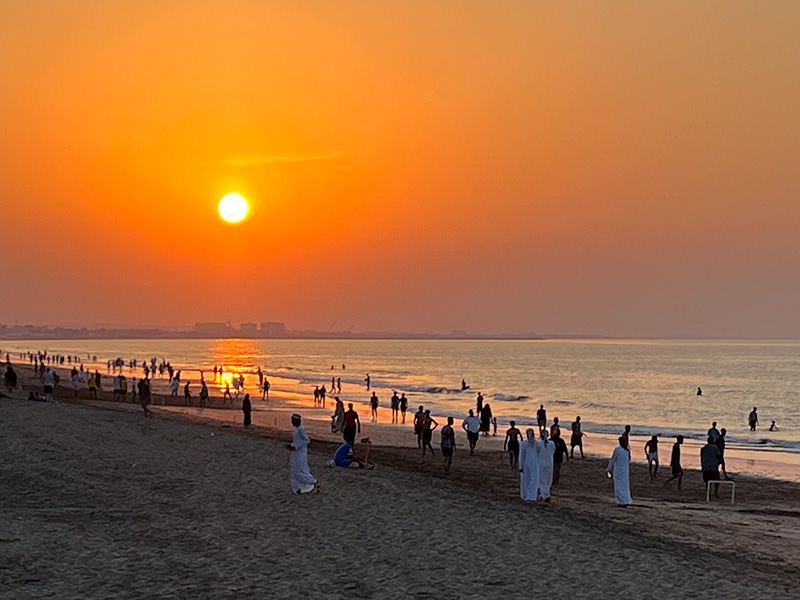
Sunset on the beach outside the hotel
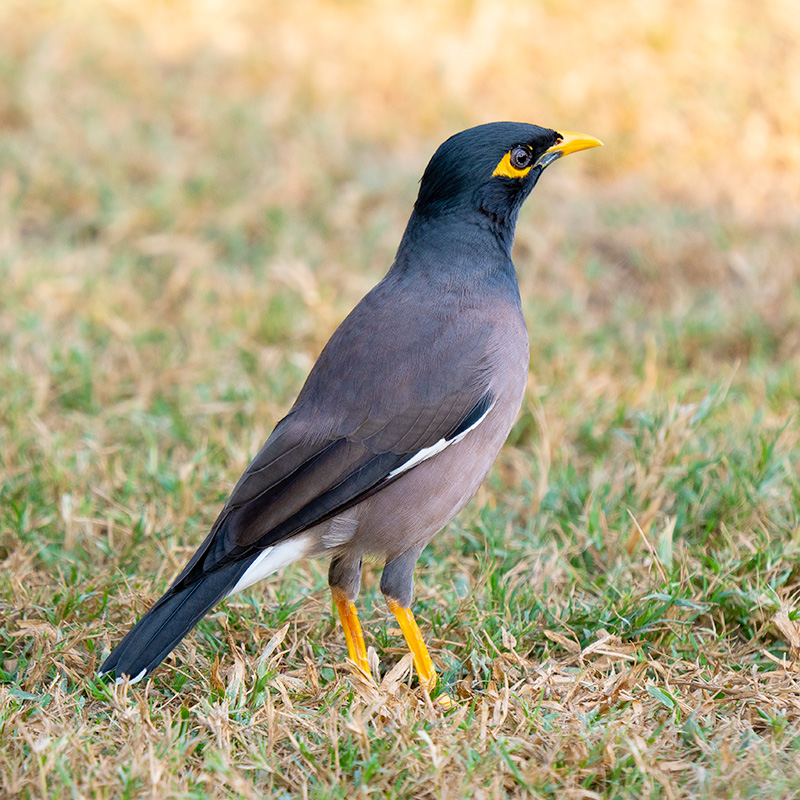
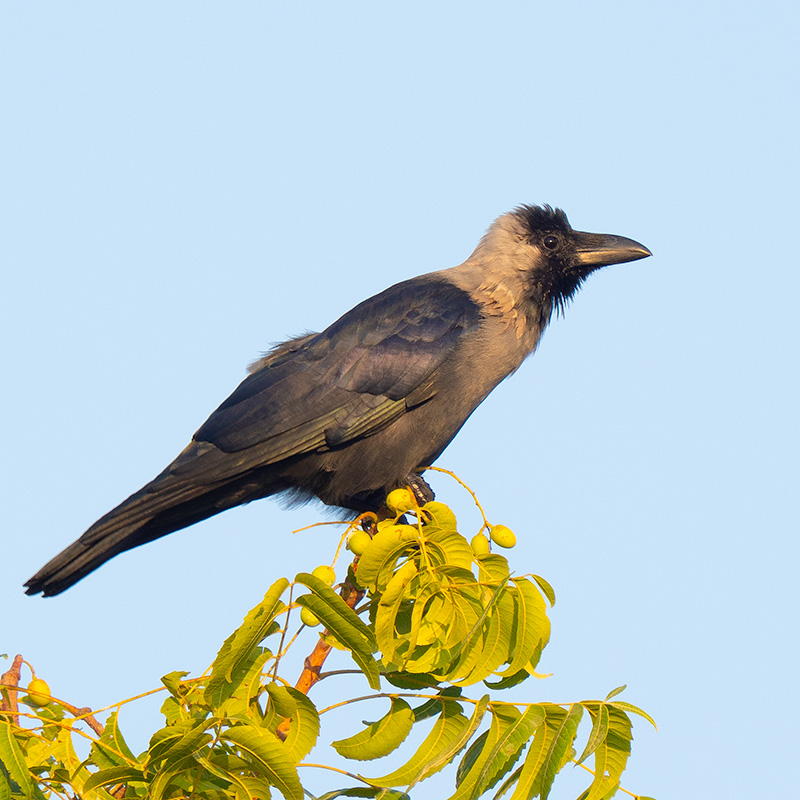
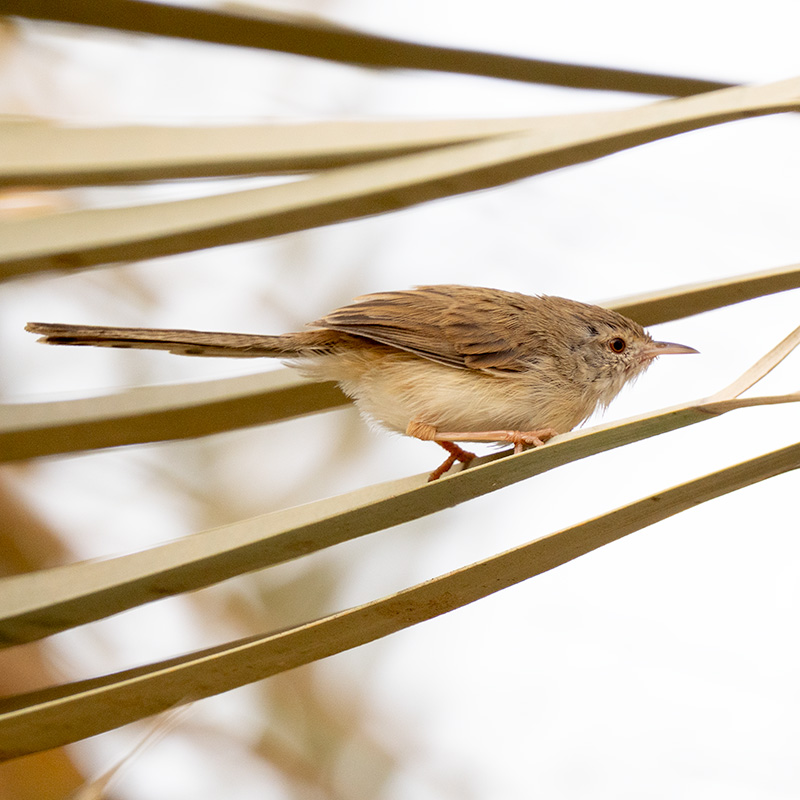
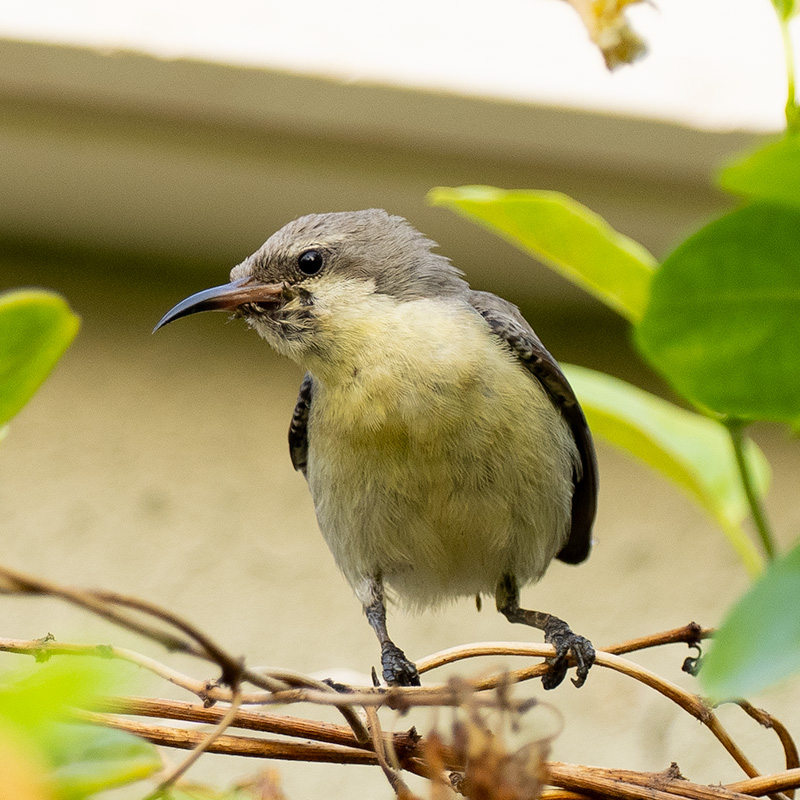
The Intercontinental has extensive gardens with mature trees that attract a number of birds. Just before sunset on our first day in Muscat we therefore did some birding in the hotel grounds and along the beach just outside the Intercontinental. Not surprisingly, we didn’t see anything very rare but it did give us a chance to familiarise ourselves with the common birds of the area, including Rose-ringed Parakeet, Common Myna, House Crow, Purple Sunbird and Red-vented Bulbul. But, the Delicate Prinia we saw in the gardens was a lifer for us.
Common Myna
House Crow
Delicate Prinia
Purple Sunbird (female)
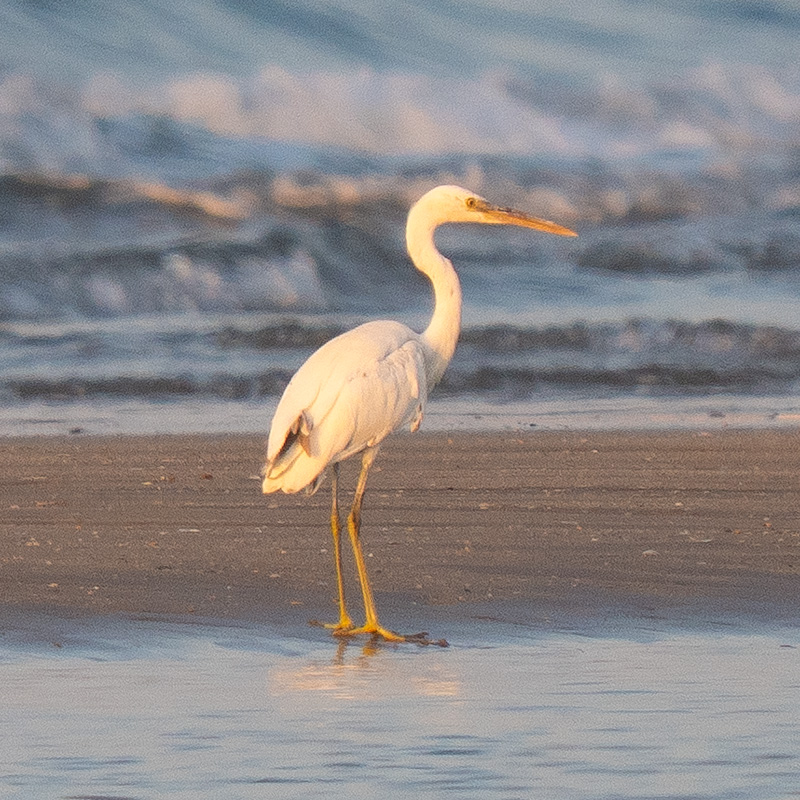
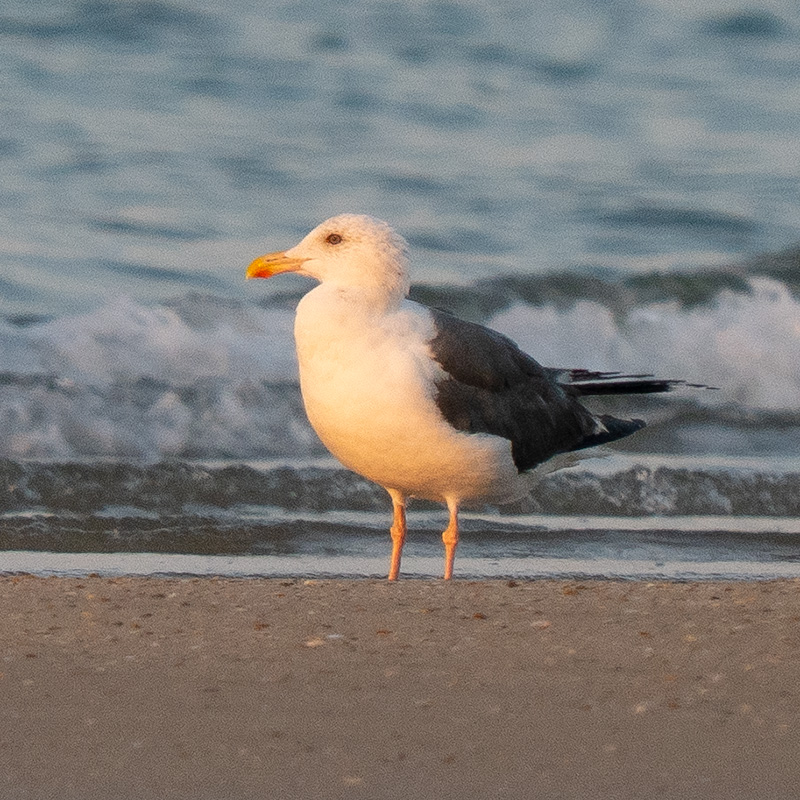
A short walk along the beach just outside the hotel gave us a good number of birds, although they were rather distant making it difficult for photography. We saw several species found in Northern Europe, including Lesser Black-backed Gull, Eurasian Curlew, Curlew Sandpiper, Great Egret and Bar-tailed Godwit. Plus more local birds, such as the Slender-billed Gull.
Great Egret
Lesser Black-backed Gull
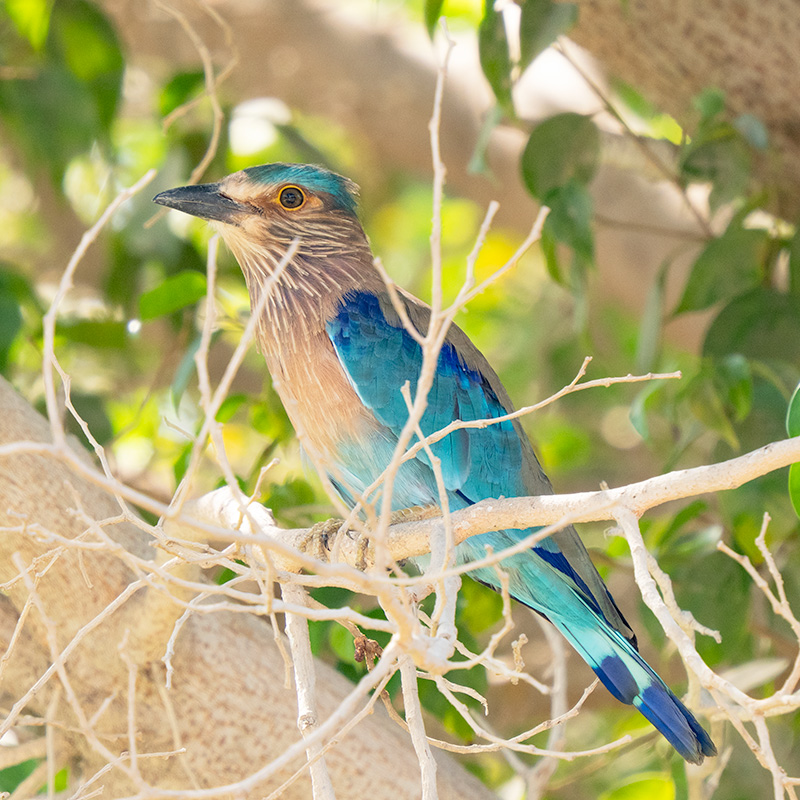
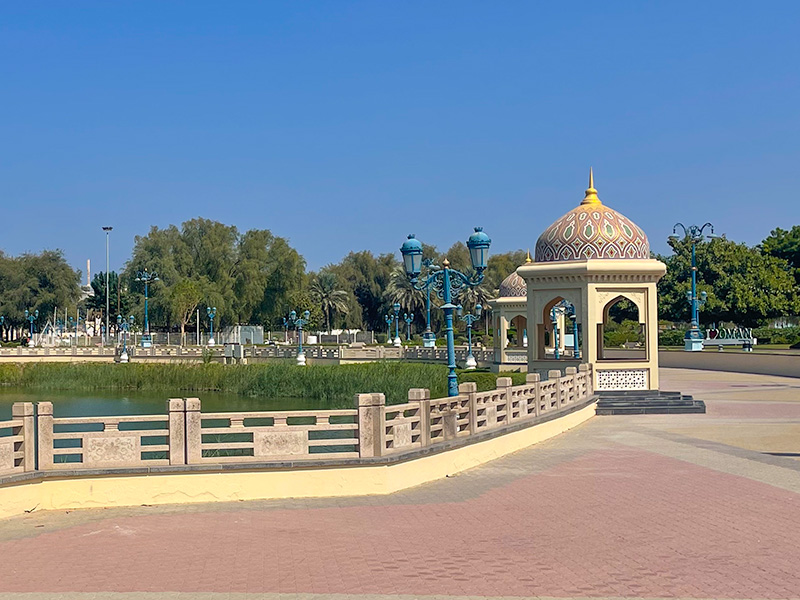
On our first full day in Muscat we decided to visit Qurum Park, which was only a short taxi ride away from our hotel and which we’d read was very good for birds. This certainly proved to be the case and almost as soon as we entered the park we had good views of an Indian Roller, a favourite bird of ours.
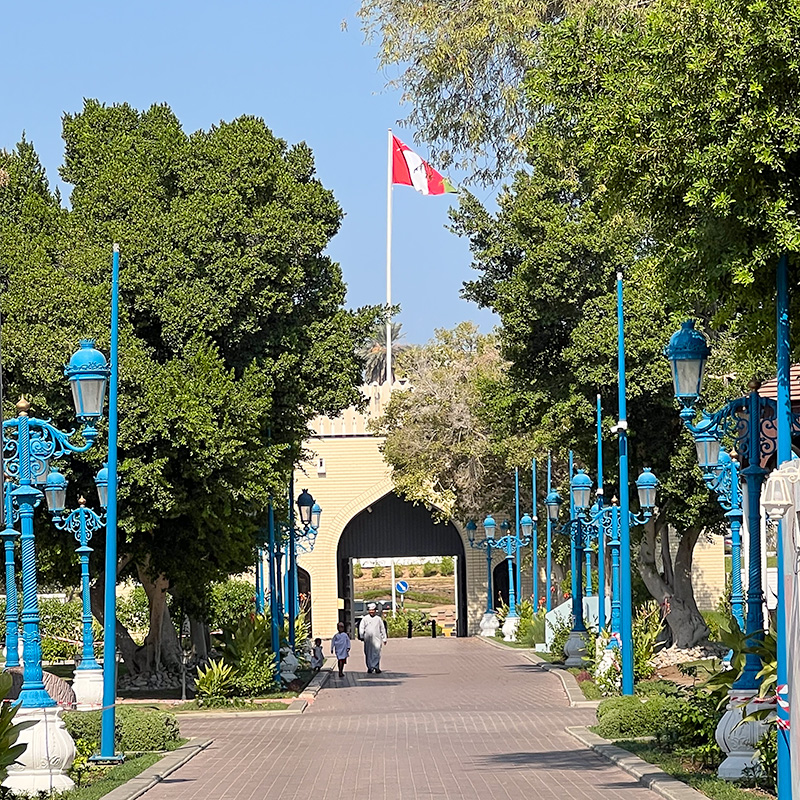
The entrance to Qurum Park
Indian Roller
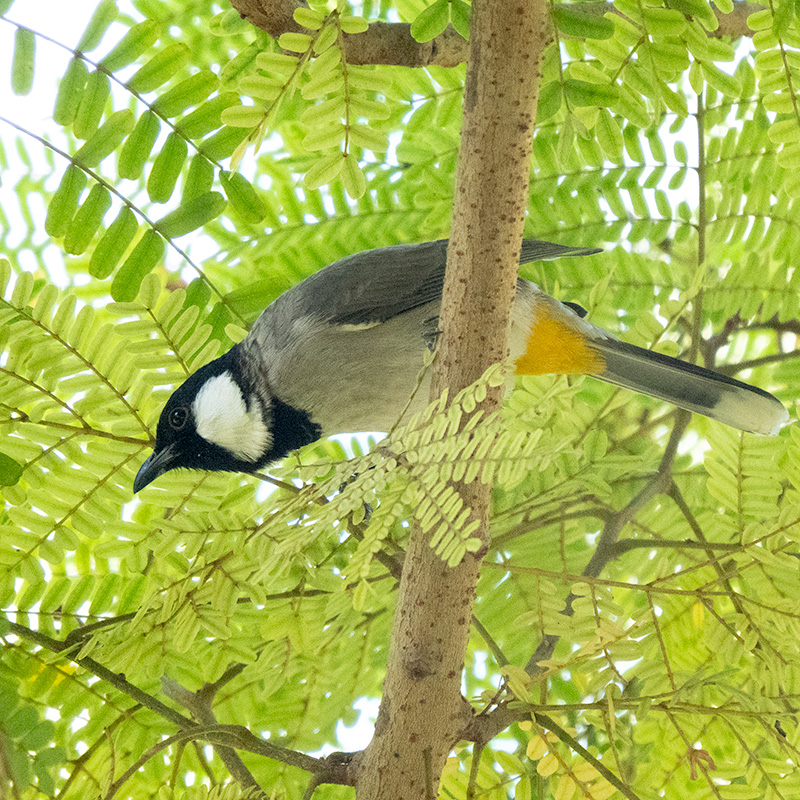
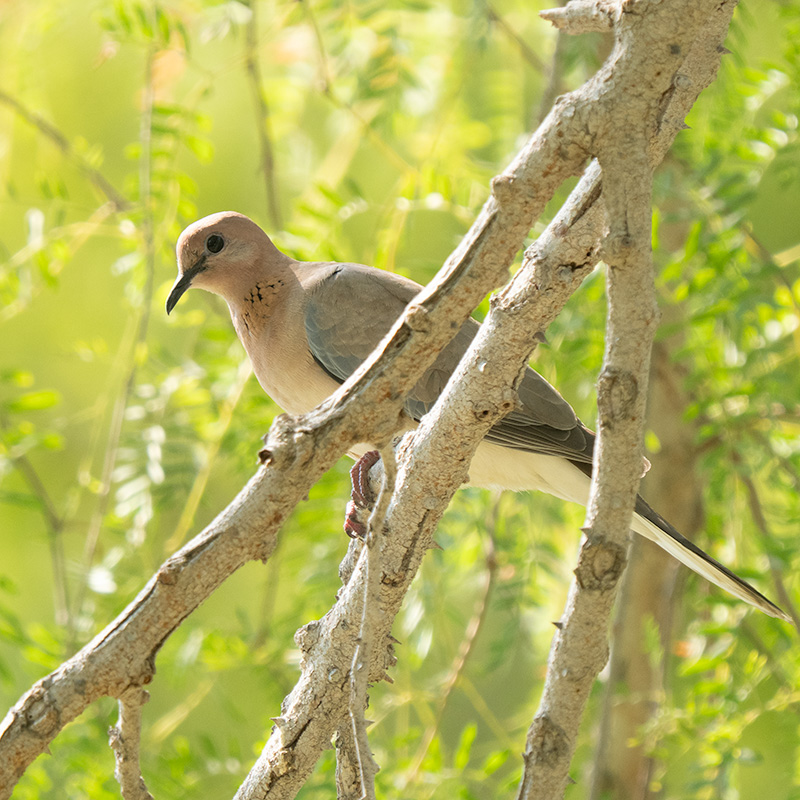
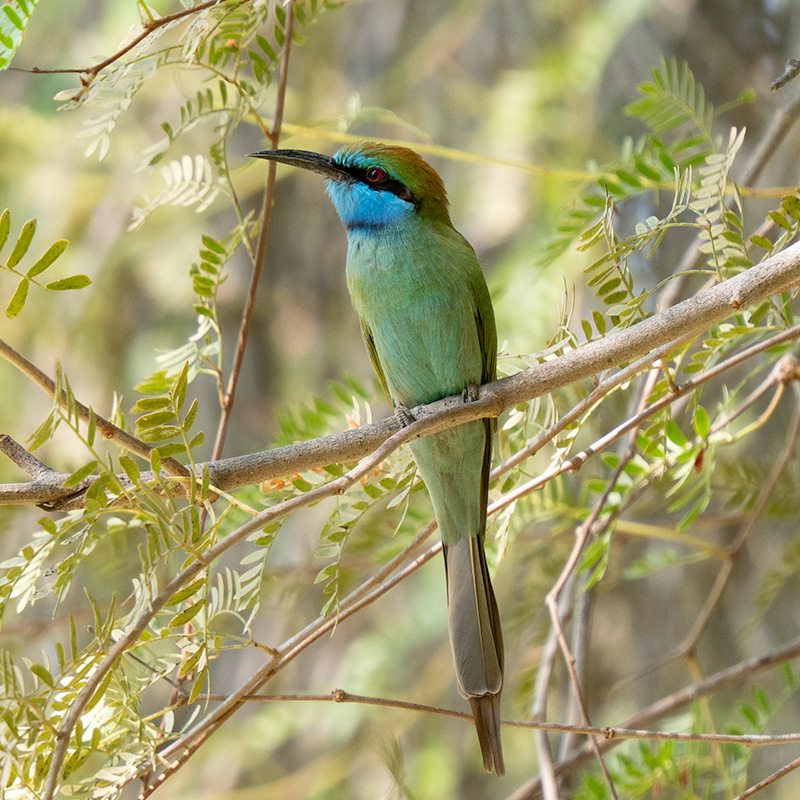
This was soon followed by other birds we were familiar with from trips to the Far East, such as Laughing Dove, White Wagtail and House Sparrow, but lesser-known species for us also appeared, including White-eared Bulbul and Scaly-breasted Munia. An Arabian Green Bee-eater was a lifer for us.
White-eared Bulbul
Scaly-breasted Munia
Laughing Dove
Arabian Green Bee-eater
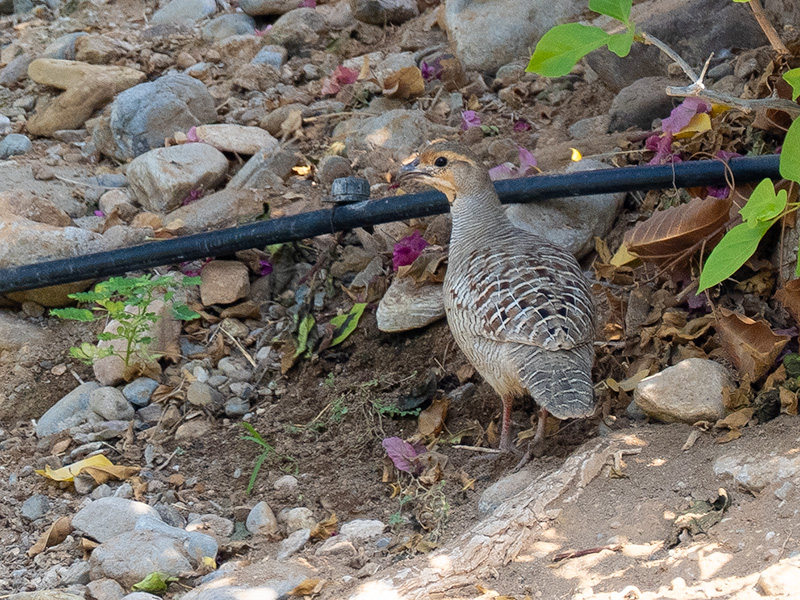
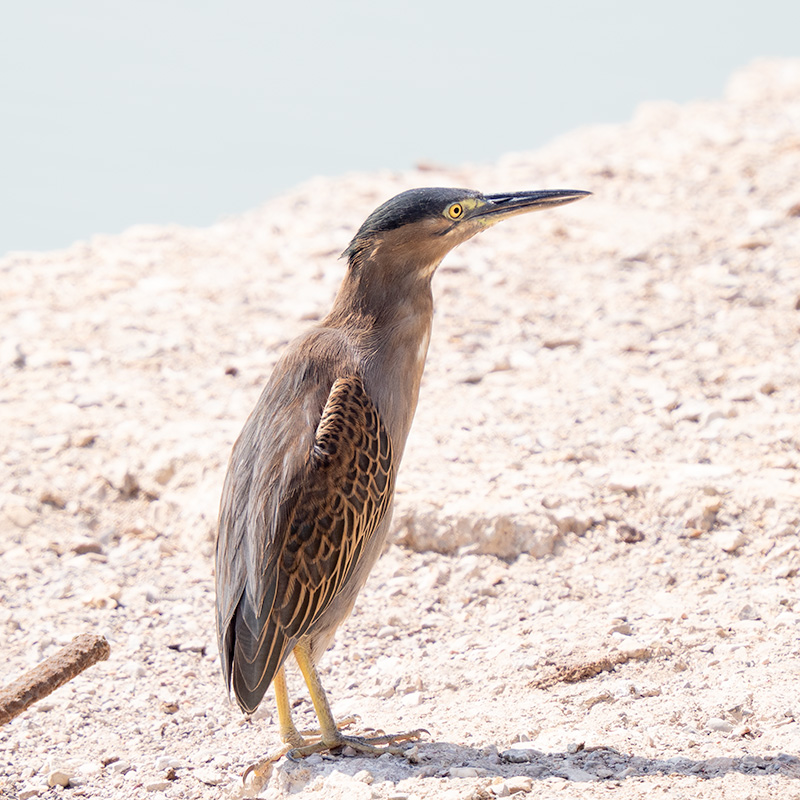
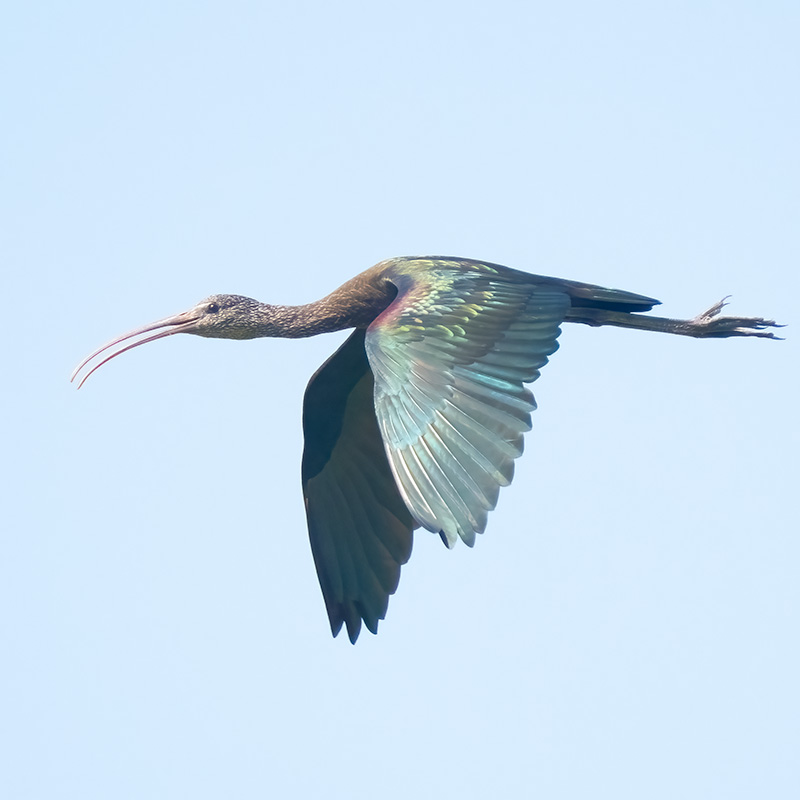
At the far end of the park there is a large lake that attracts lots of water birds and there we saw Northern Shoveler, Grey Heron, Glossy Ibis, Common Sandpiper, Black-winged Stilt and Striated Heron. A group of Grey Francolin were running around the edge of the lake and we got a record shot before they disappeared into the undergrowth.