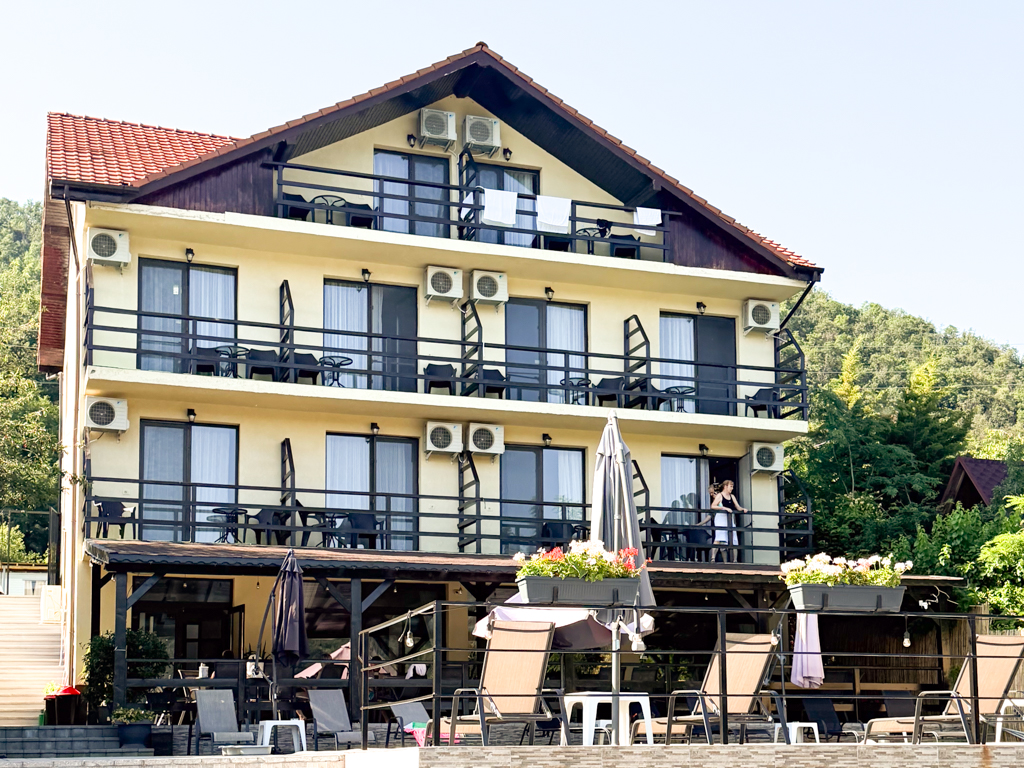
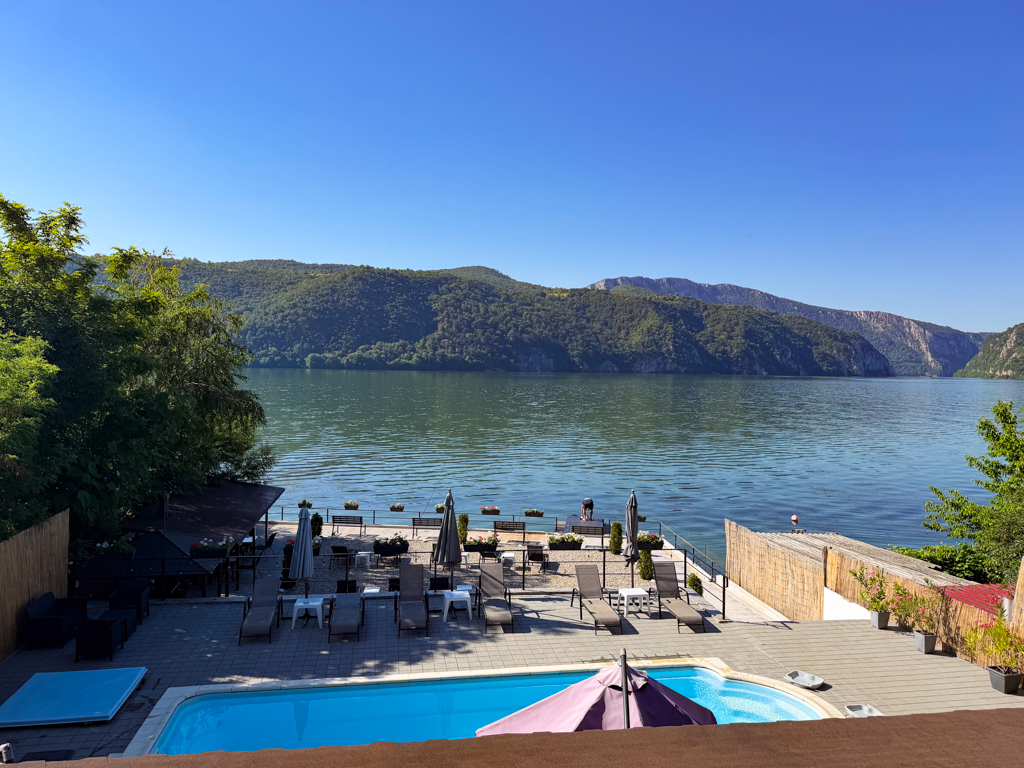
During the second half of our tour we visited various sites along the northern bank of the Danube. Here we stayed for four nights at the Casa Celestin hotel a few kilometres west of Eselnita. The rooms all had lovely views across the Danube towards Serbia and the hotel proved to be an excellent base for our trips into the surrounding countryside.
The Casa Celestin, Eselnita
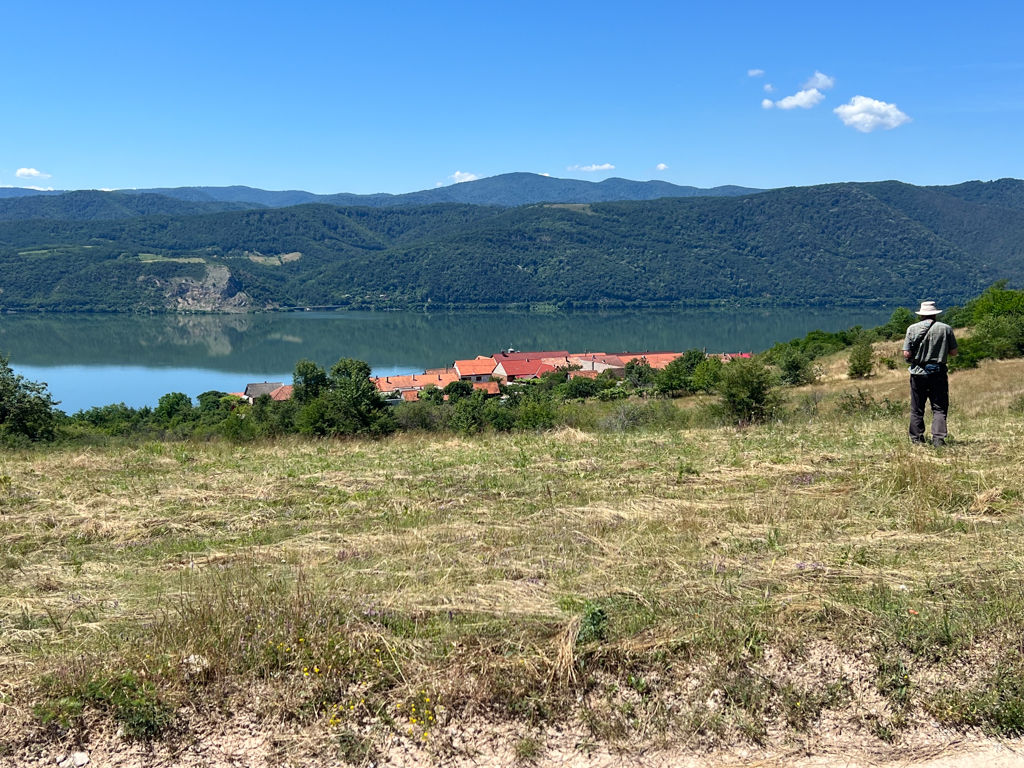
The view across the Danube from the Casa Celestin
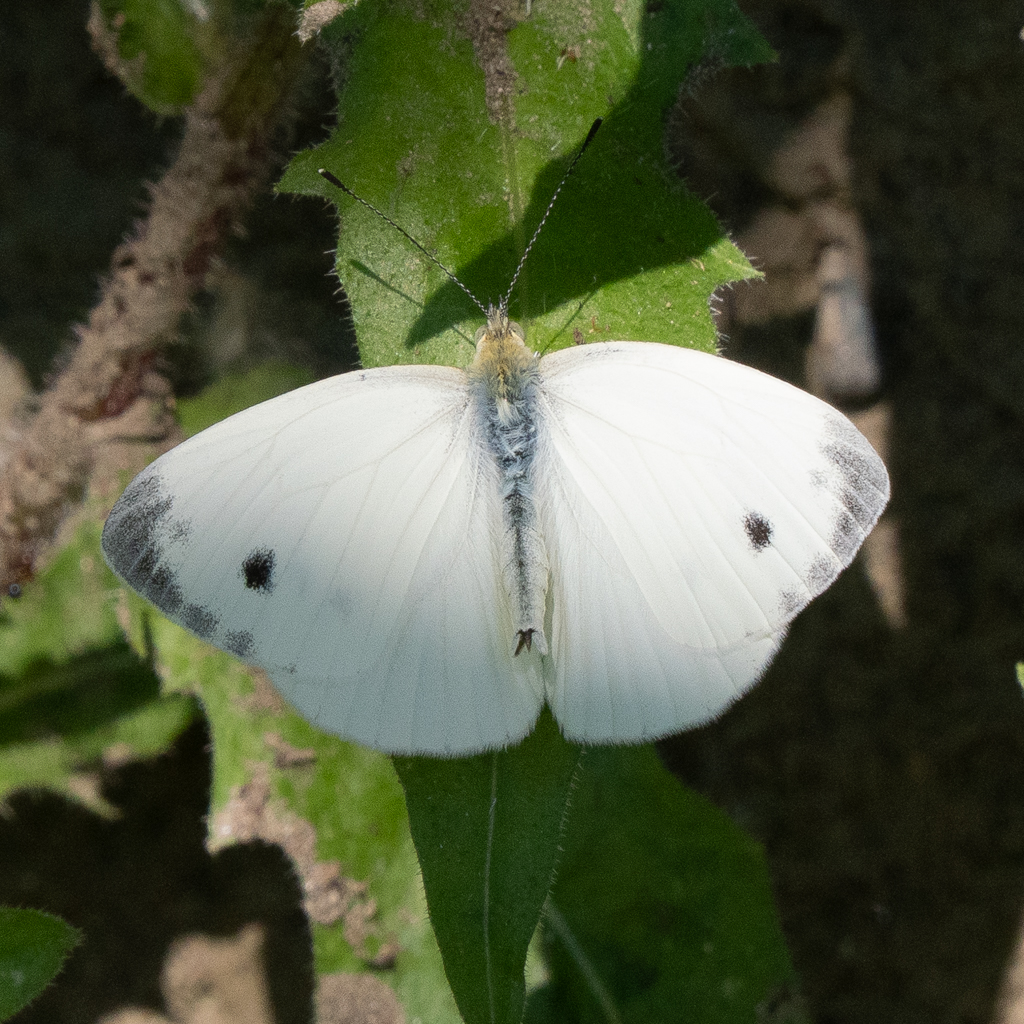
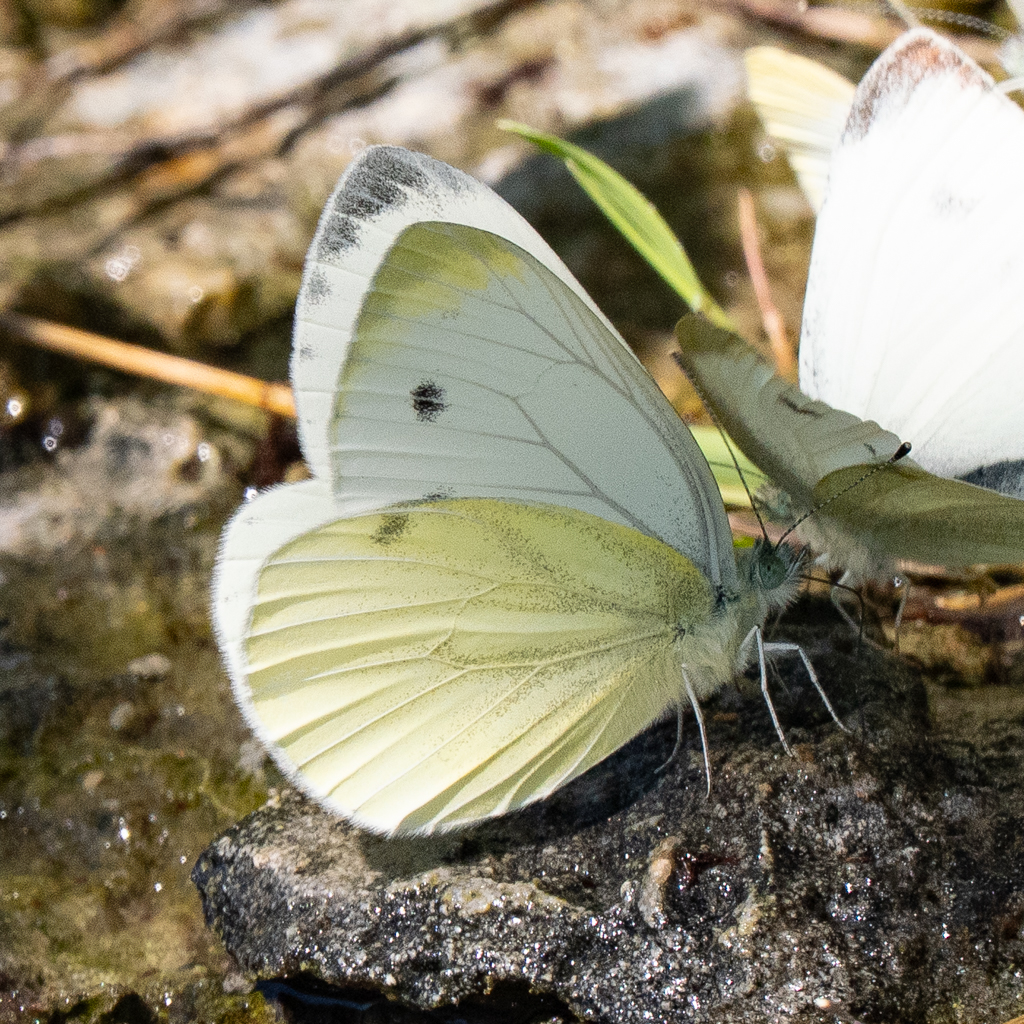
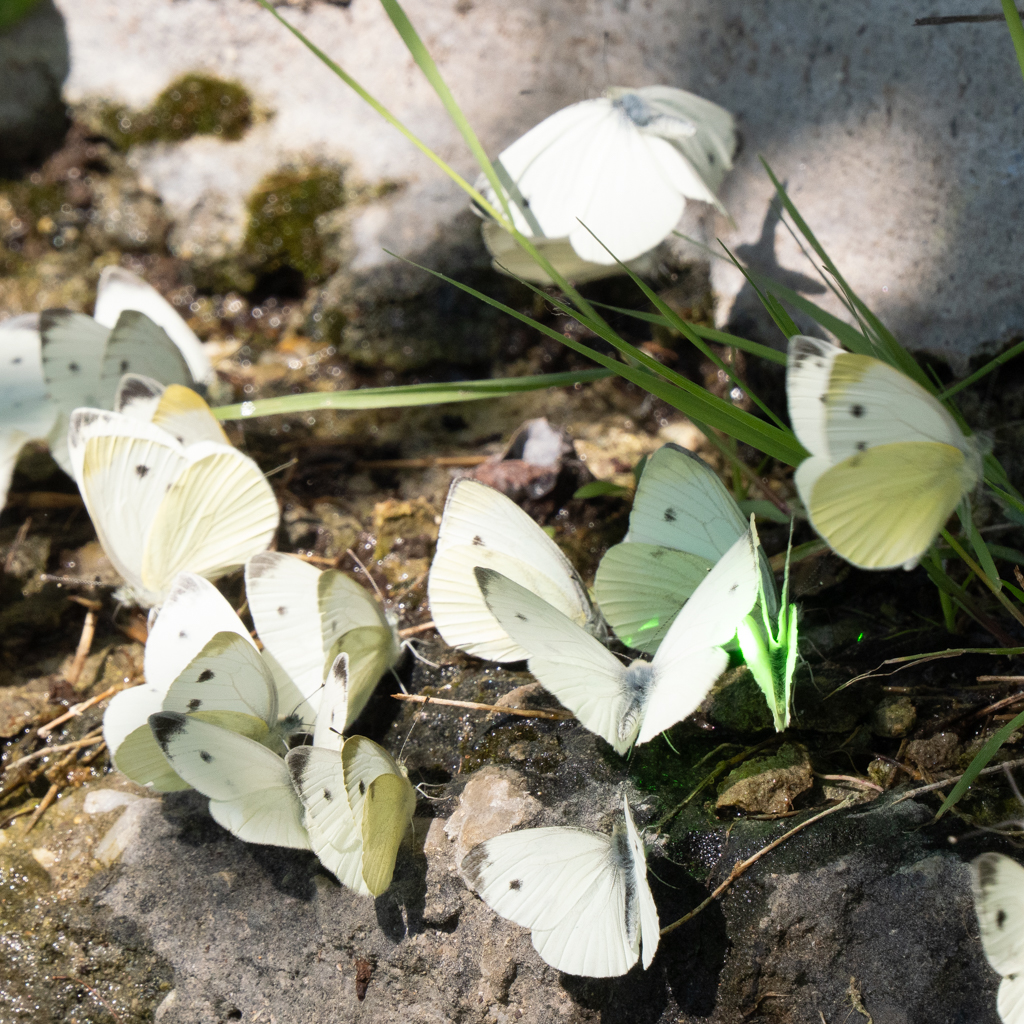
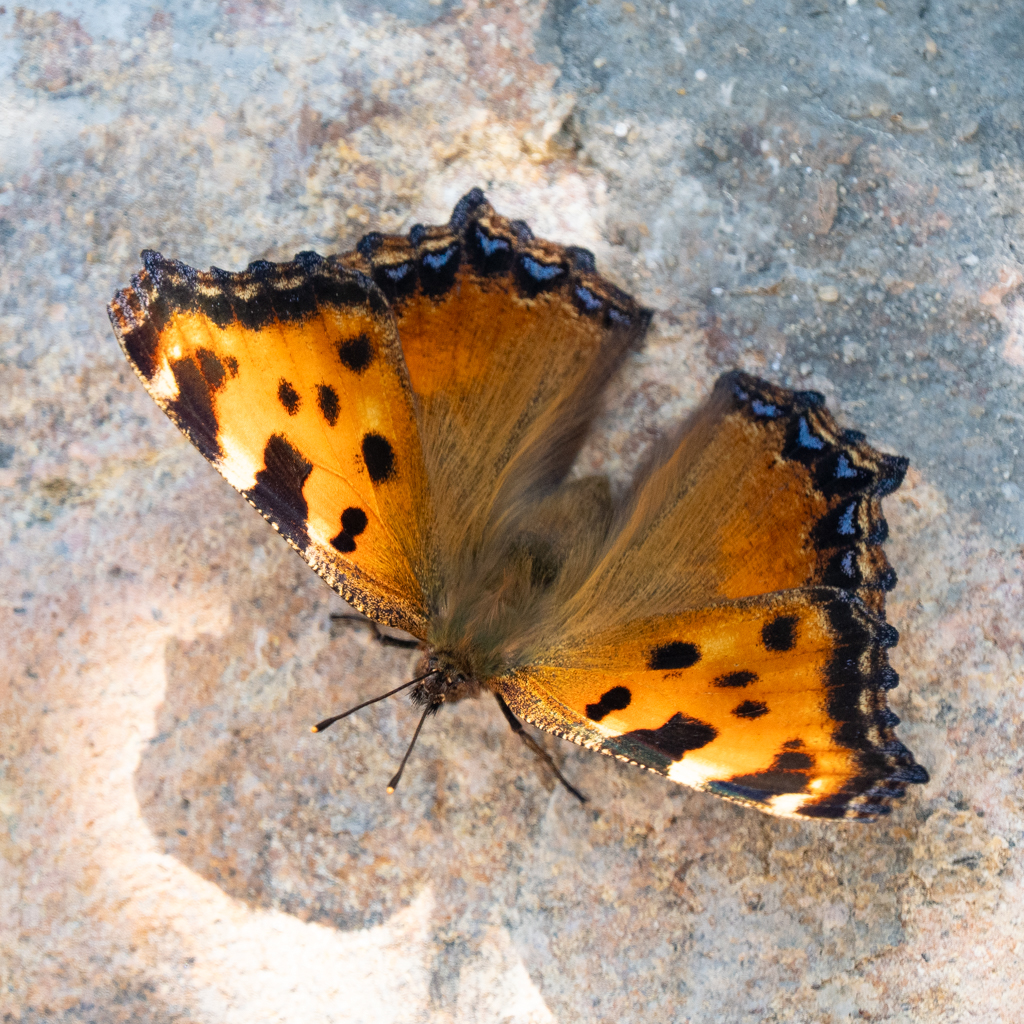
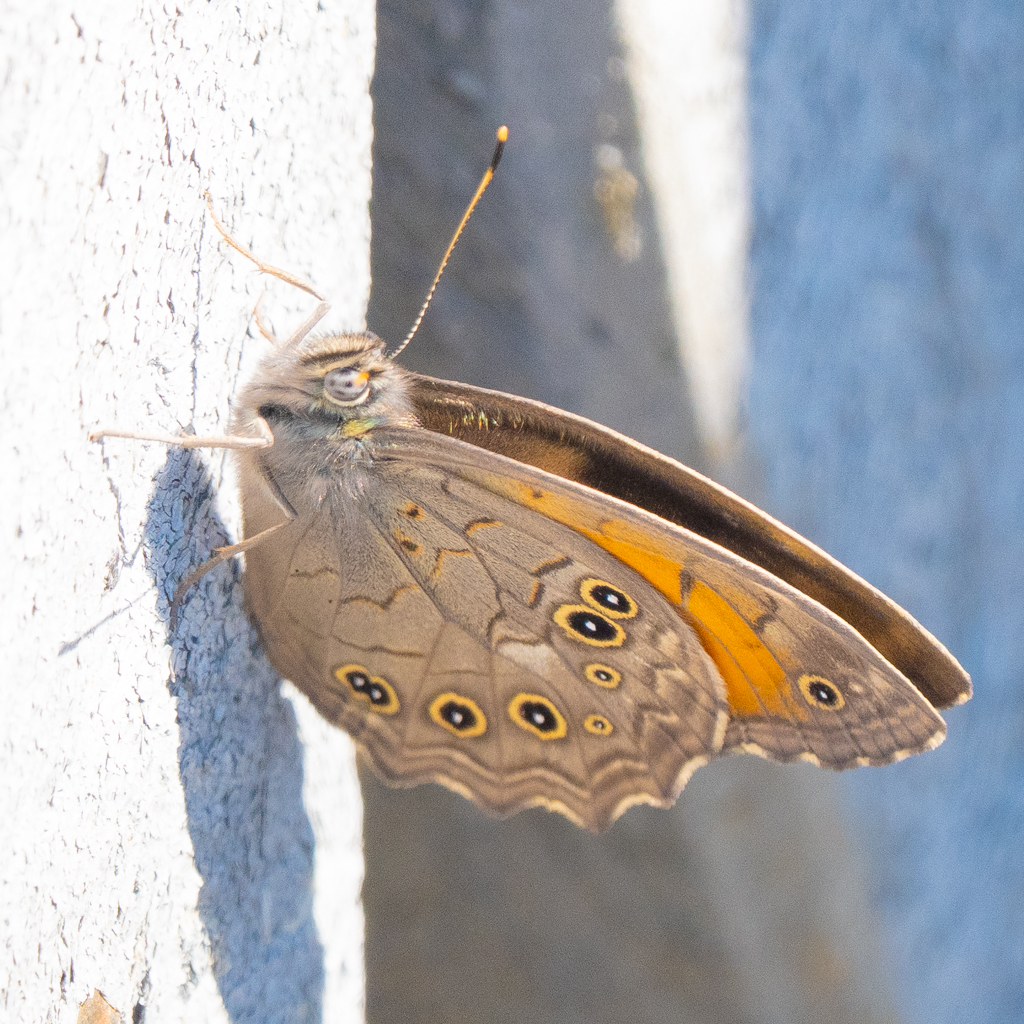
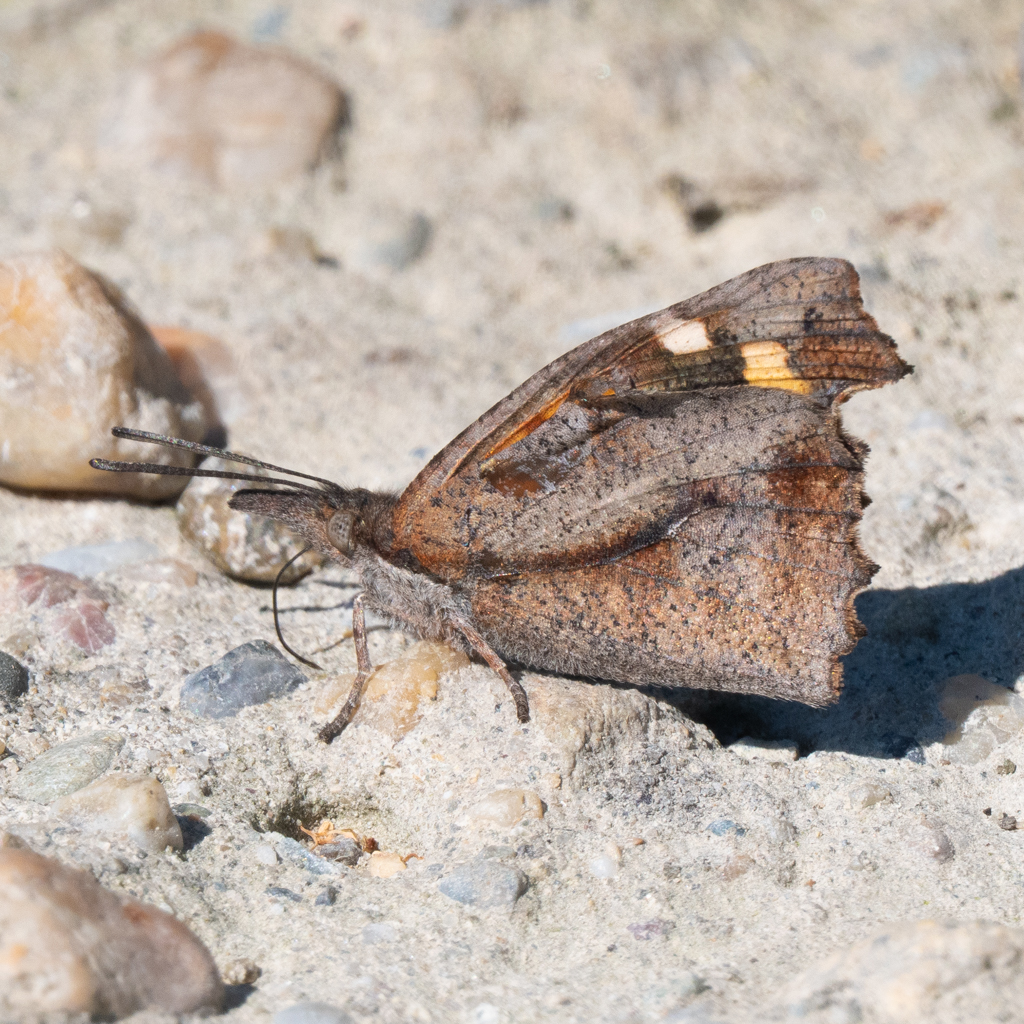
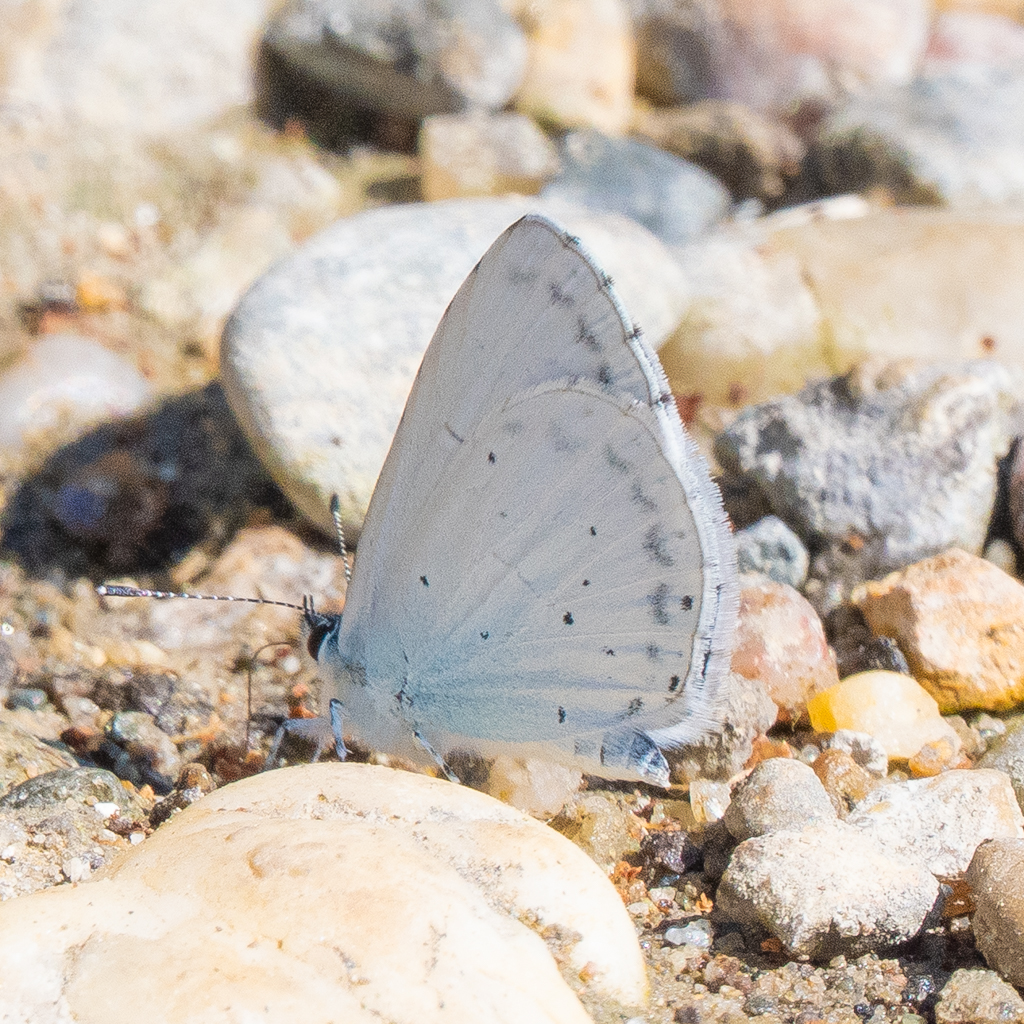
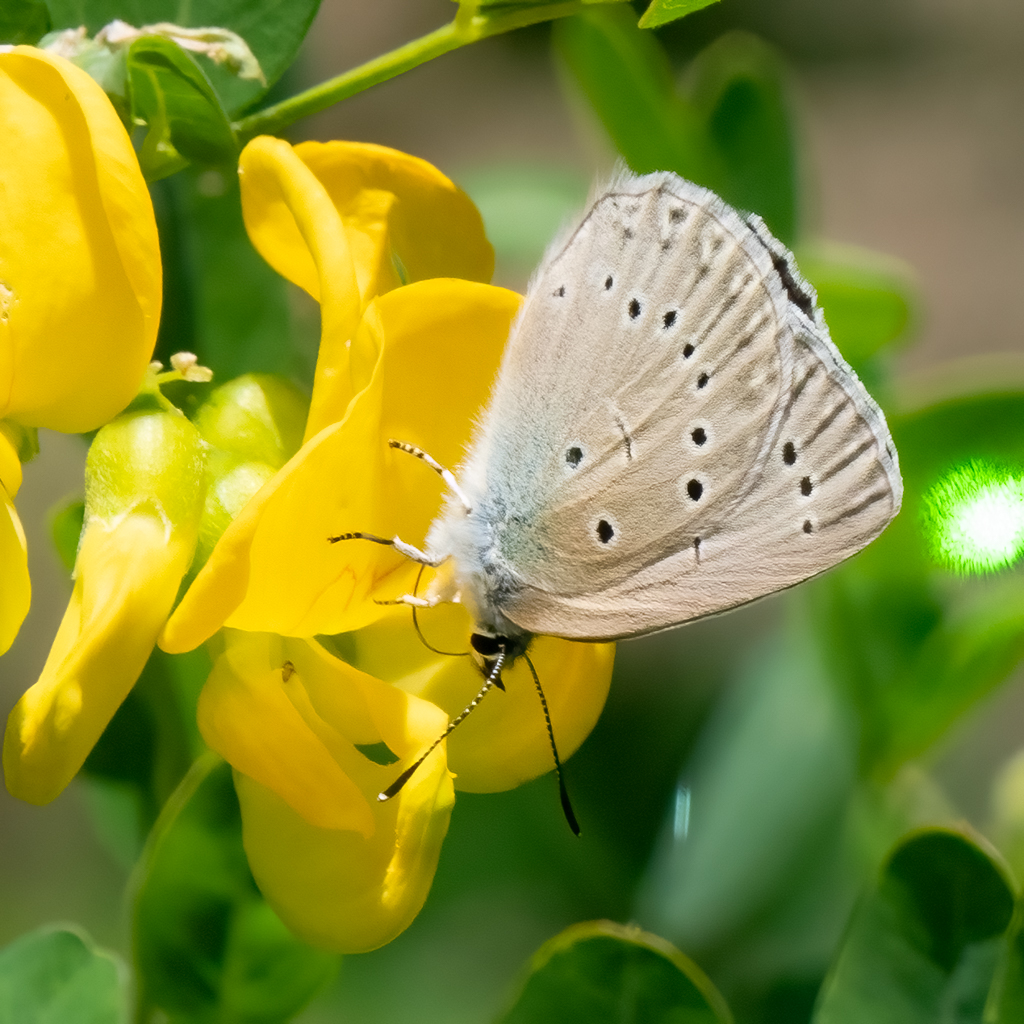
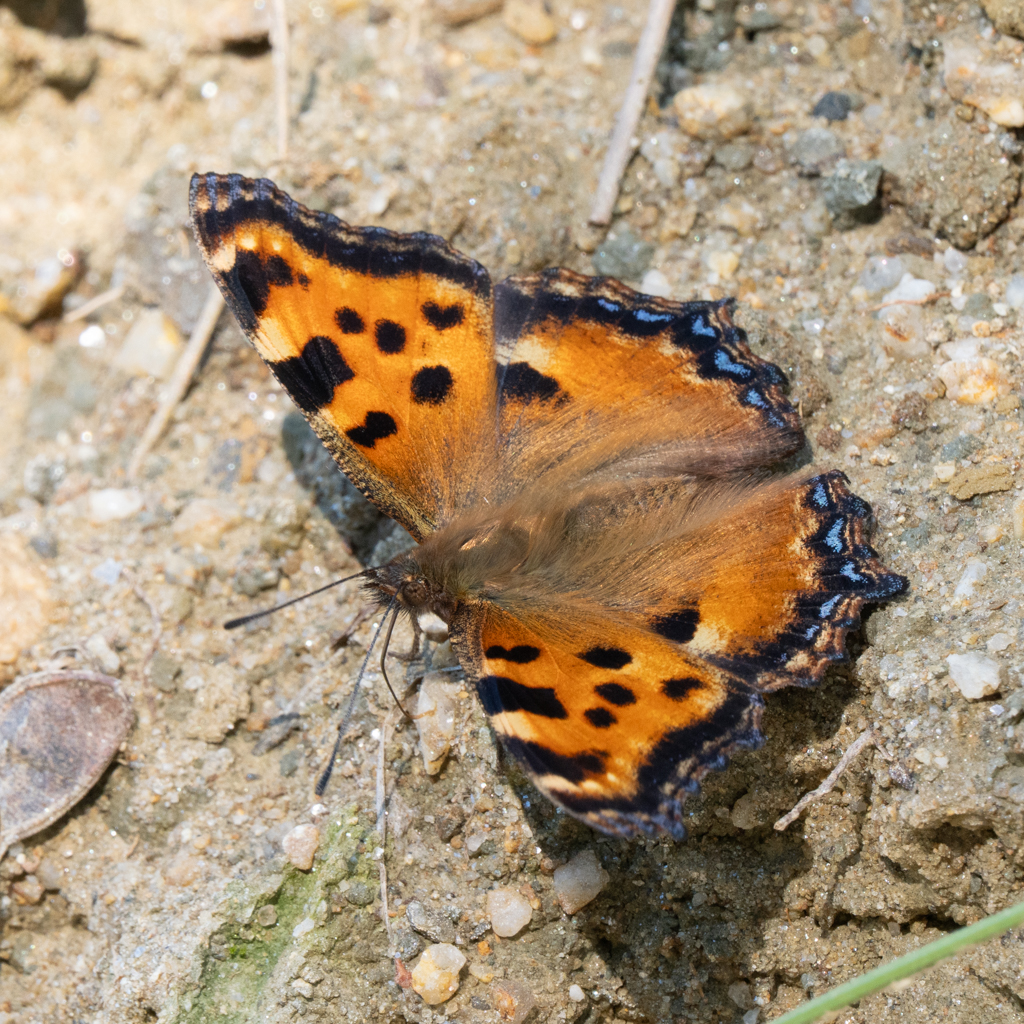
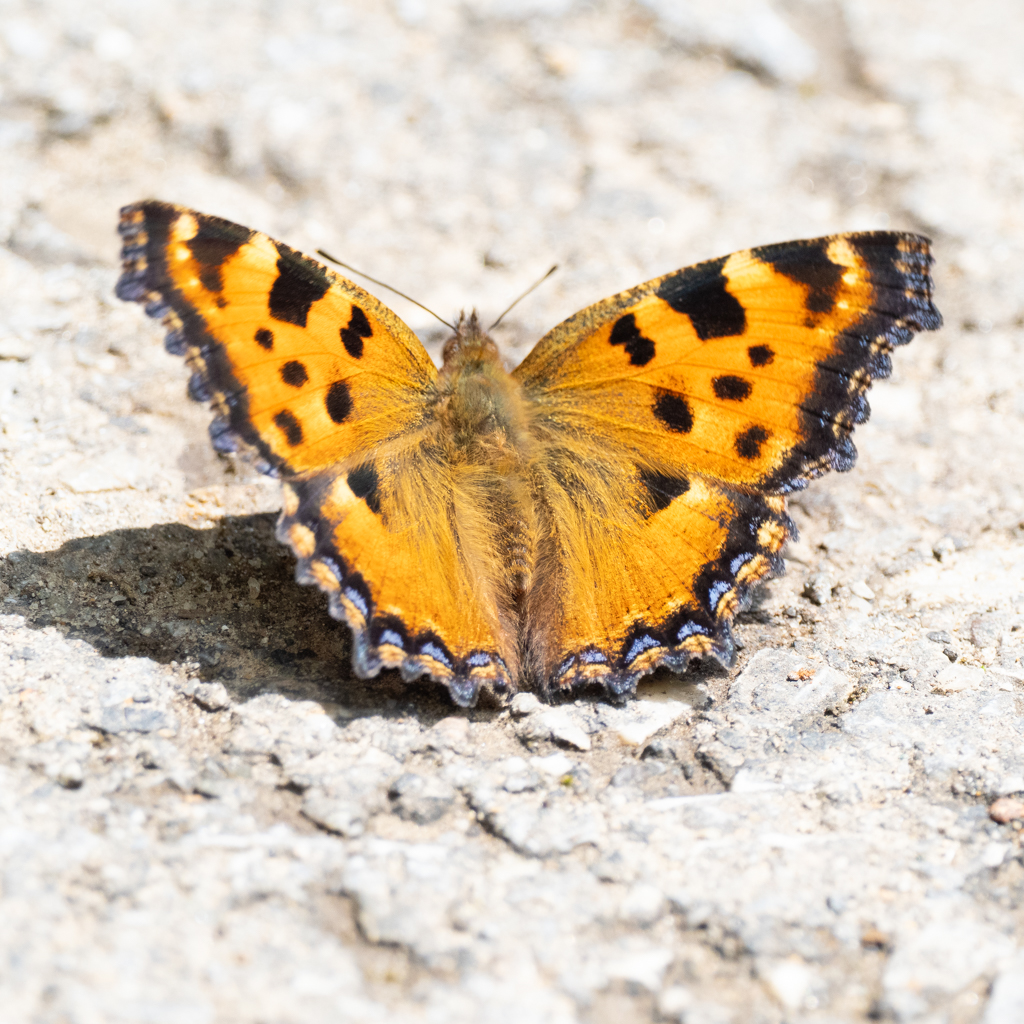
We had three full days to find our target butterflies and we started Tuesday 9 June by searching close to the river west of our hotel. Here we observed many Southern Small White gathered together at the base of the cliff, with a few Balkan Green-veined White also being present. Along the edge of the road we also saw a colourful Large Tortoiseshell, along with Holly Blue, Nettle-tree Butterfly and Lattice Brown. But moving further down the road we found one of the major targets of our trip, the Iolas Blue. This butterfly has a tendency to keep moving and rarely lands, making it difficult to photograph. However, we were fortunate that one example landed for a few seconds on a Bladder Senna shrub, which is its main food source enabling us to get a few shots.
Southern Small White
Balkan Green-veined White
Southern Small White
Large Tortoiseshell
Lattice Brown
Nettle-tree Butterfly
Holly Blue
Iolas Blue
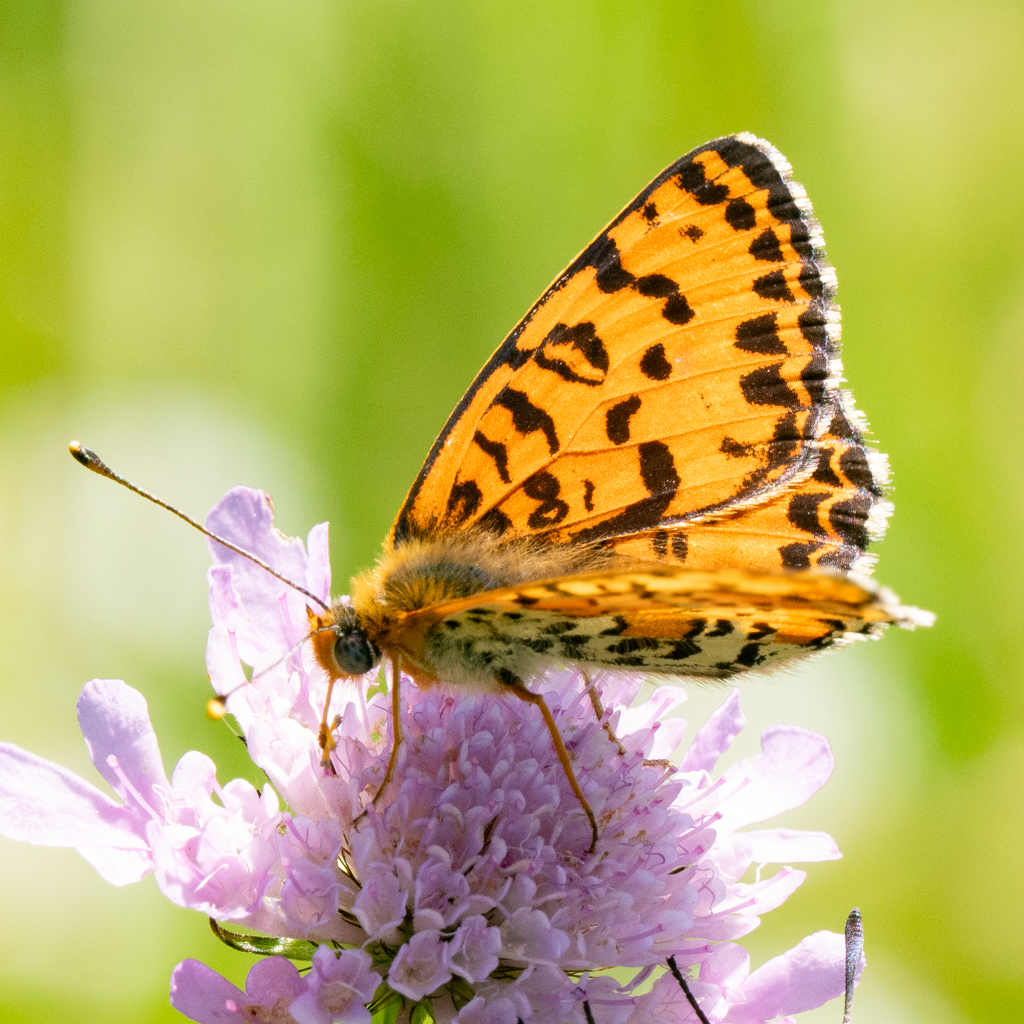
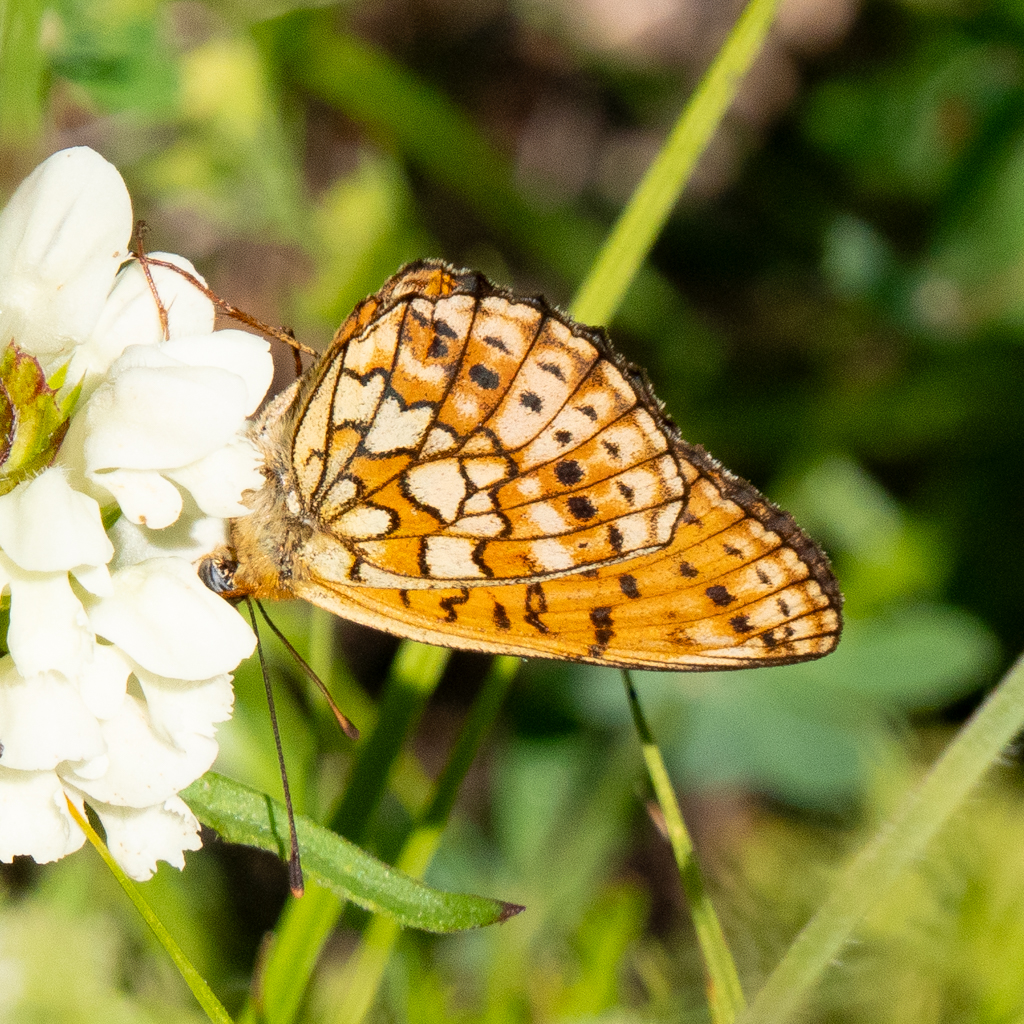
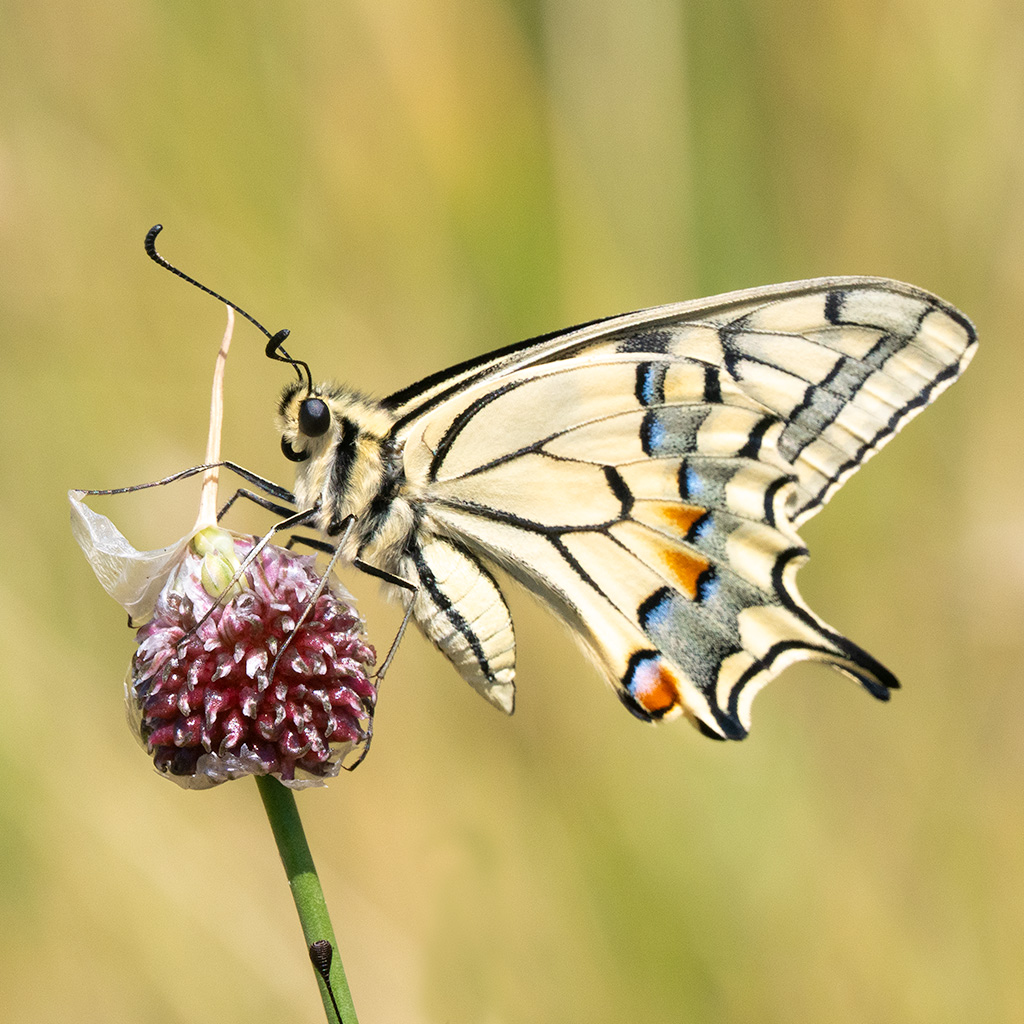
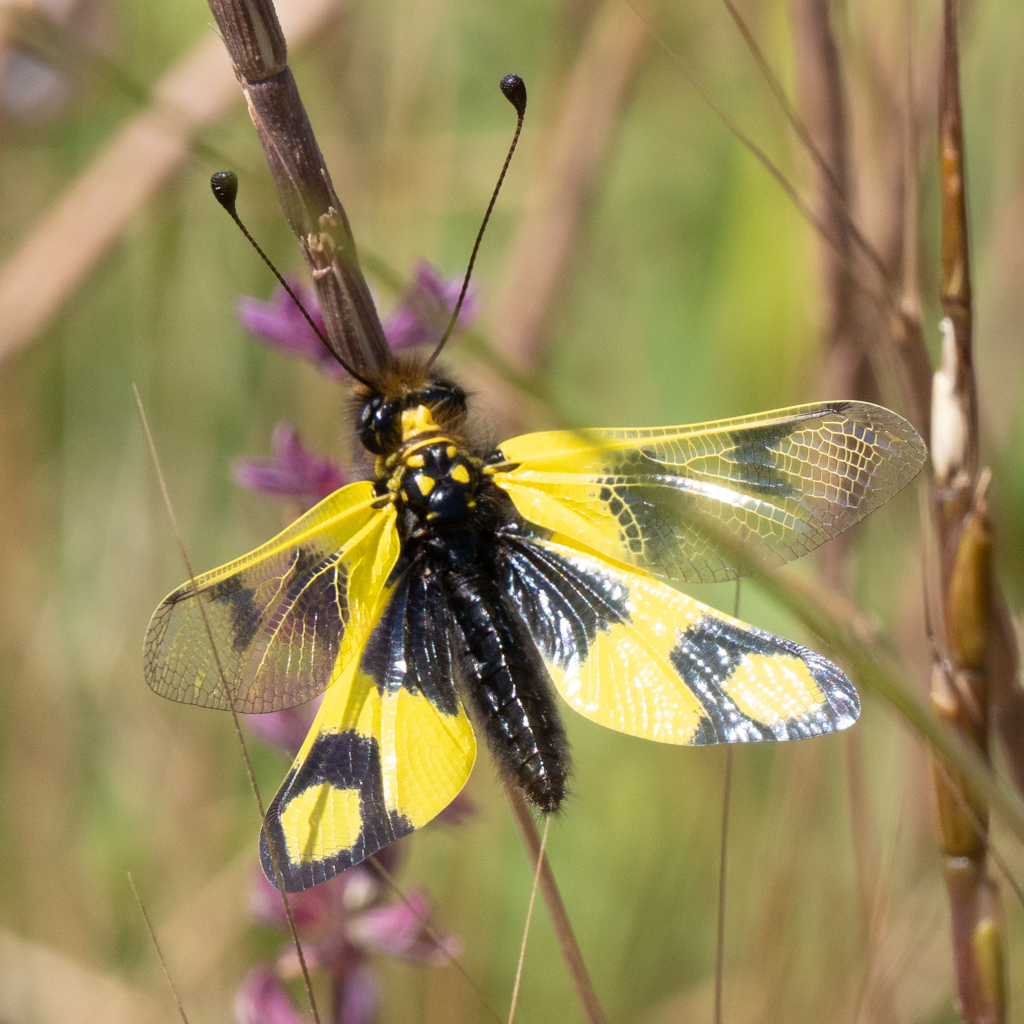
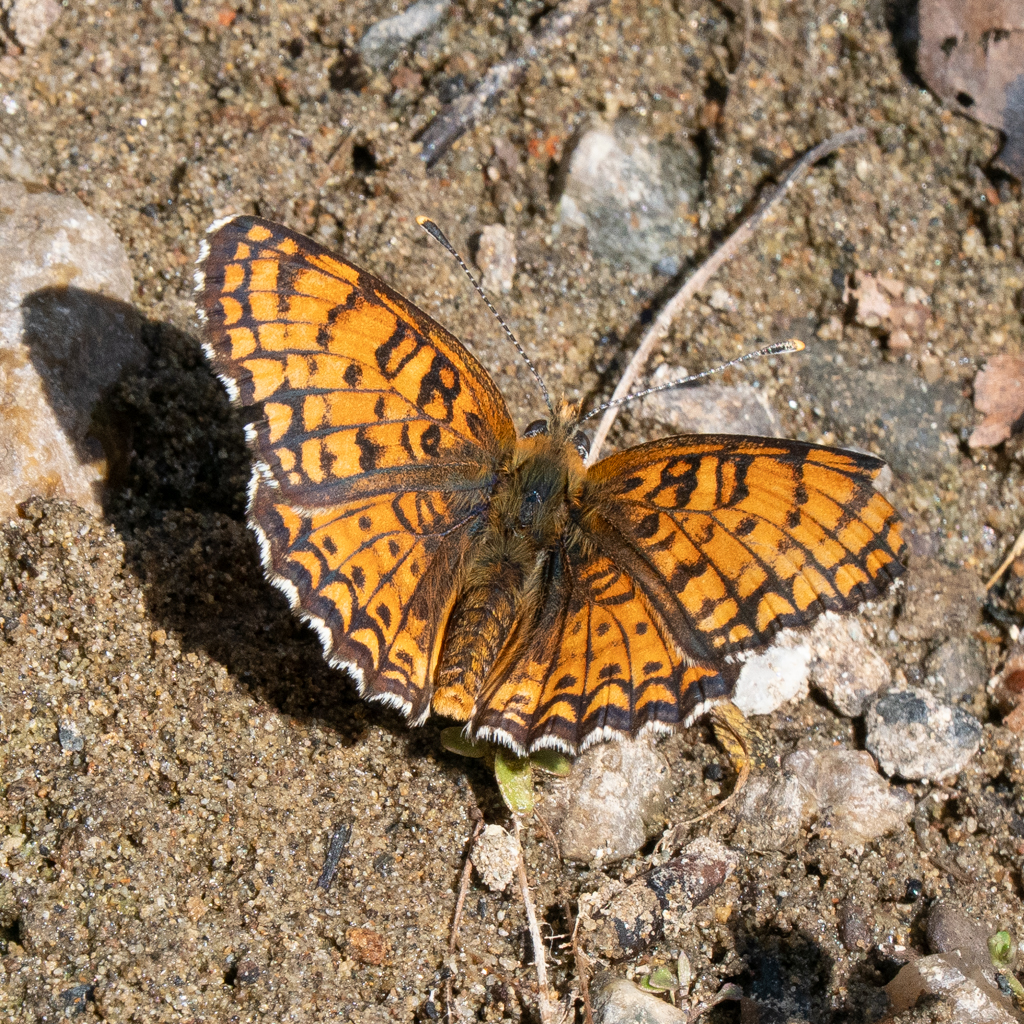
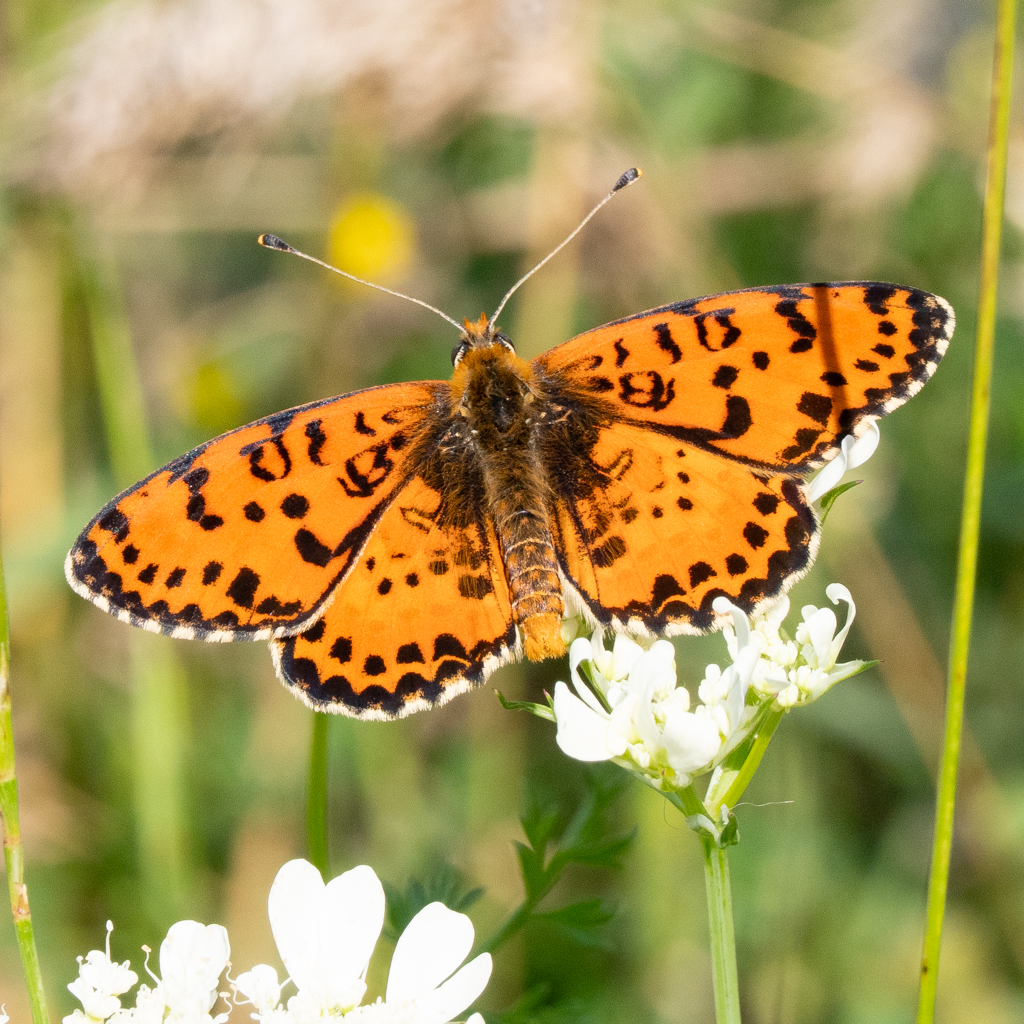
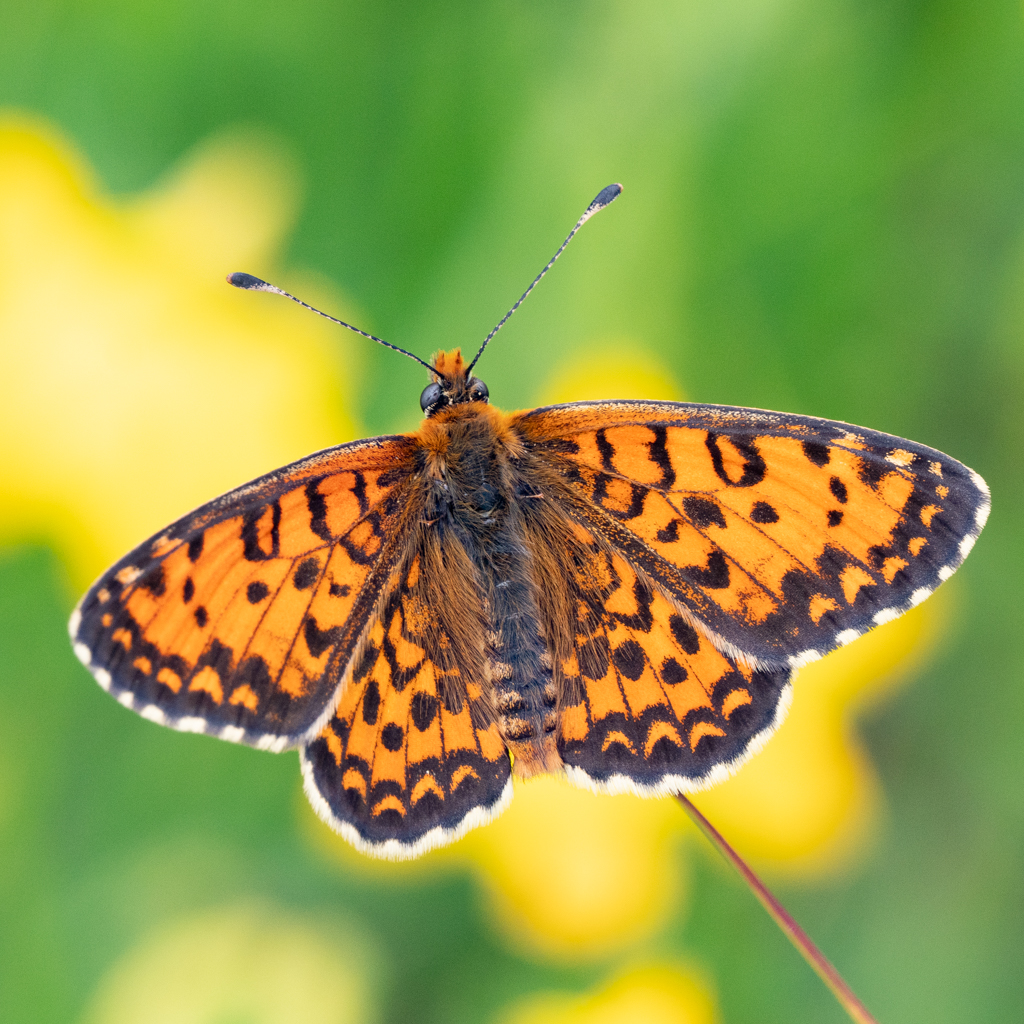
We then moved further west along the river and explored some meadows above the village of Svinita. Here we saw Spotted Fritillary, which was new for the trip, plus other species. However, the highlight was finding a Swallowtail, which perched perfectly for several minutes, allowing us to get excellent photographs. We also saw a Libelloides macaronius, which is a day-flying owlfly.
The meadows above Svinita
The Danube from Svinita
Spotted Fritillary
Twin-spot Fritillary
Swallowtail
Libelloides macaronius
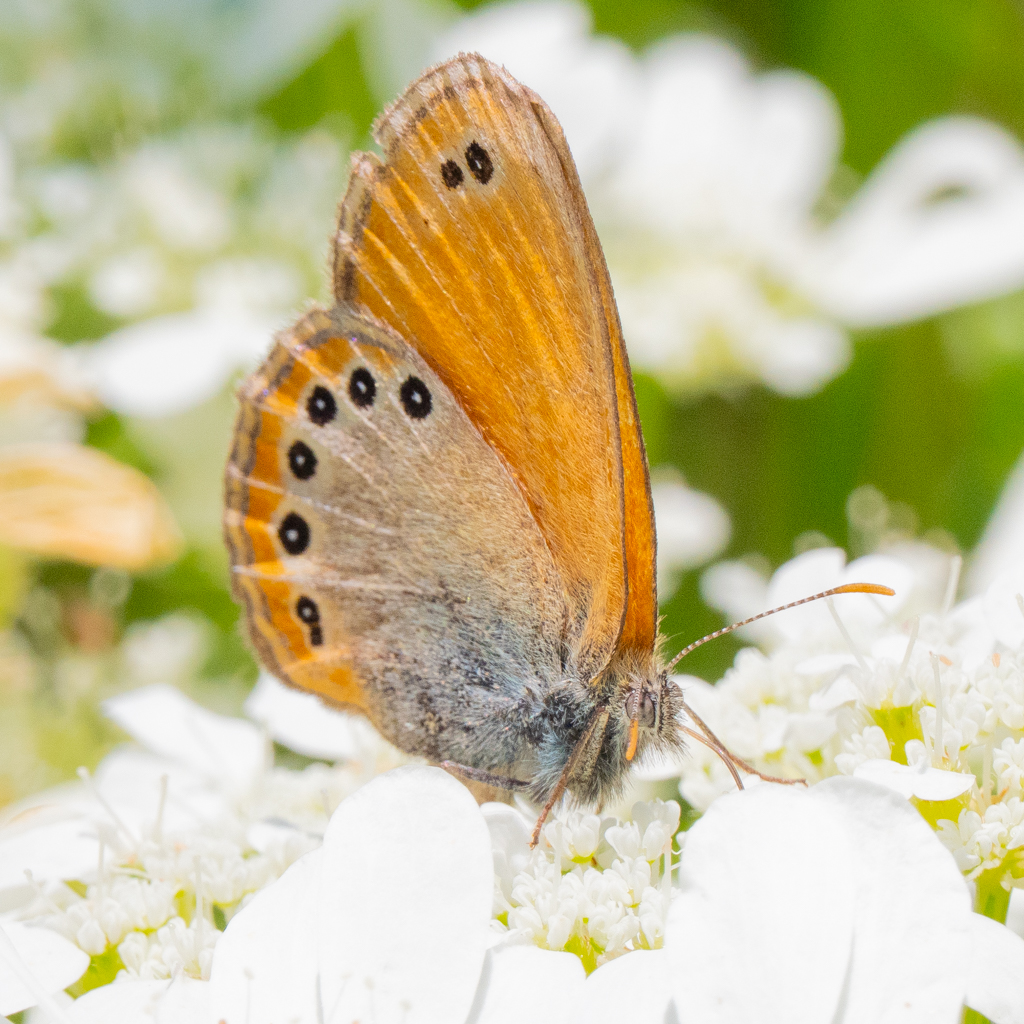
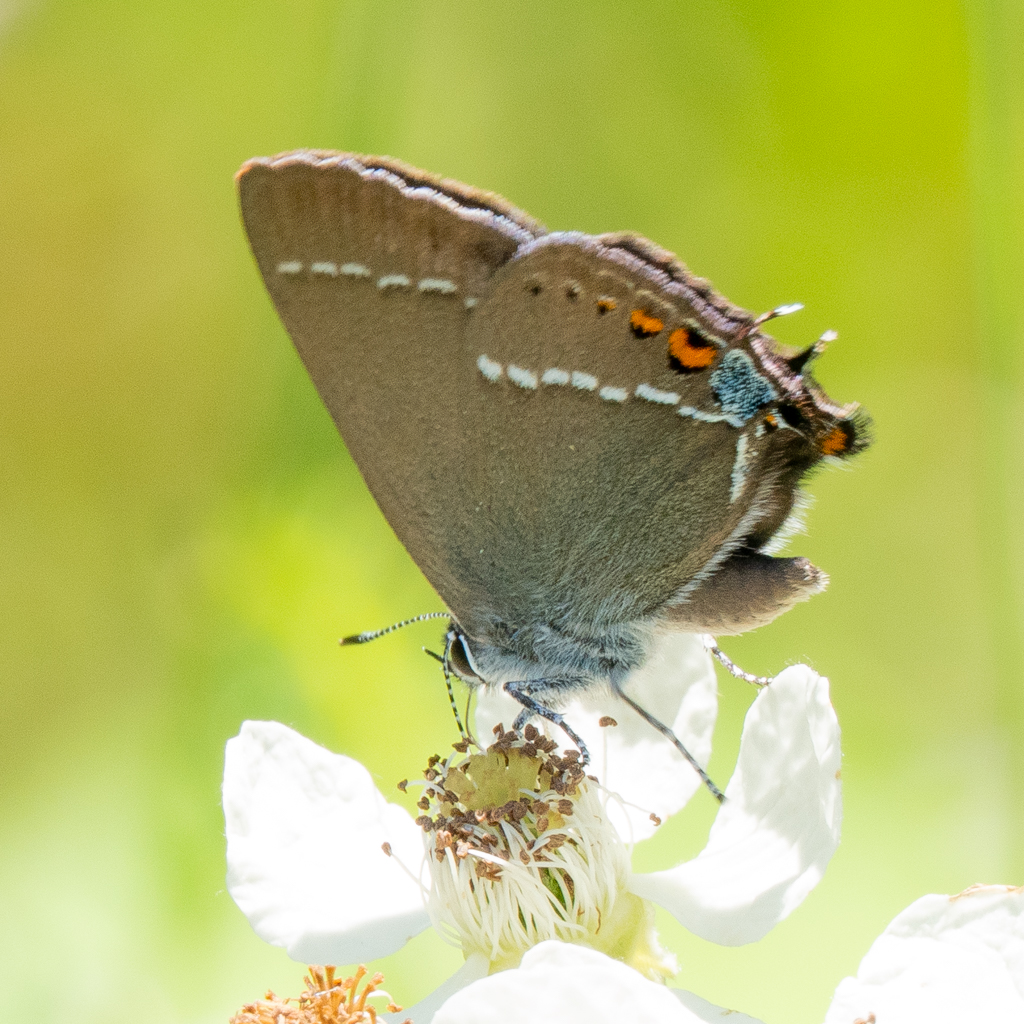
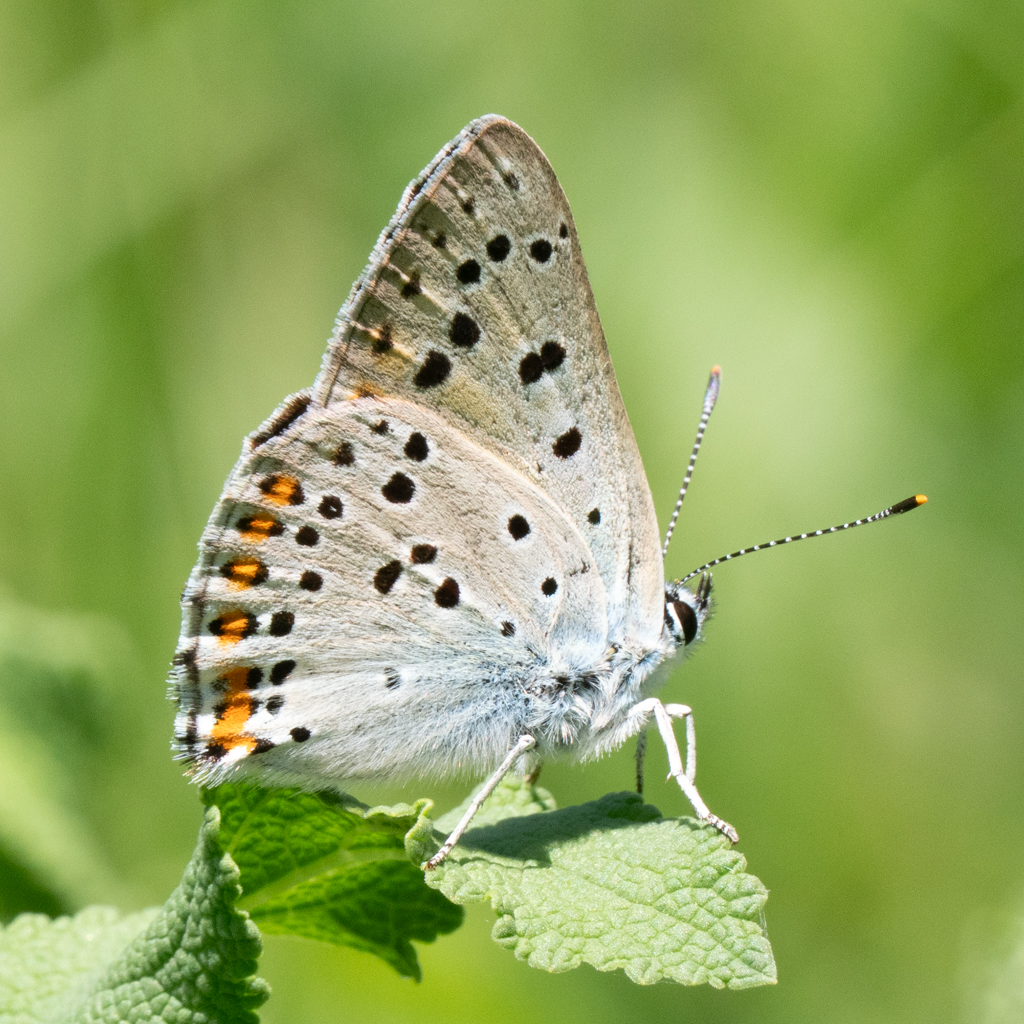
After our successes in the meadows above Svinita, we moved a little further west and saw the only Russian Heath of the trip, along with a Blue-spot Hairstreak. Starting to travel back towards Eselnita, we stopped at a couple of locations just off the road. Here we got a good shot of the underwing of a Purple-Shot Copper and were also pleased to see a Blue-spot Hairstreak.
Russian Heath
Blue-spot Hairstreak
Purple-shot Copper
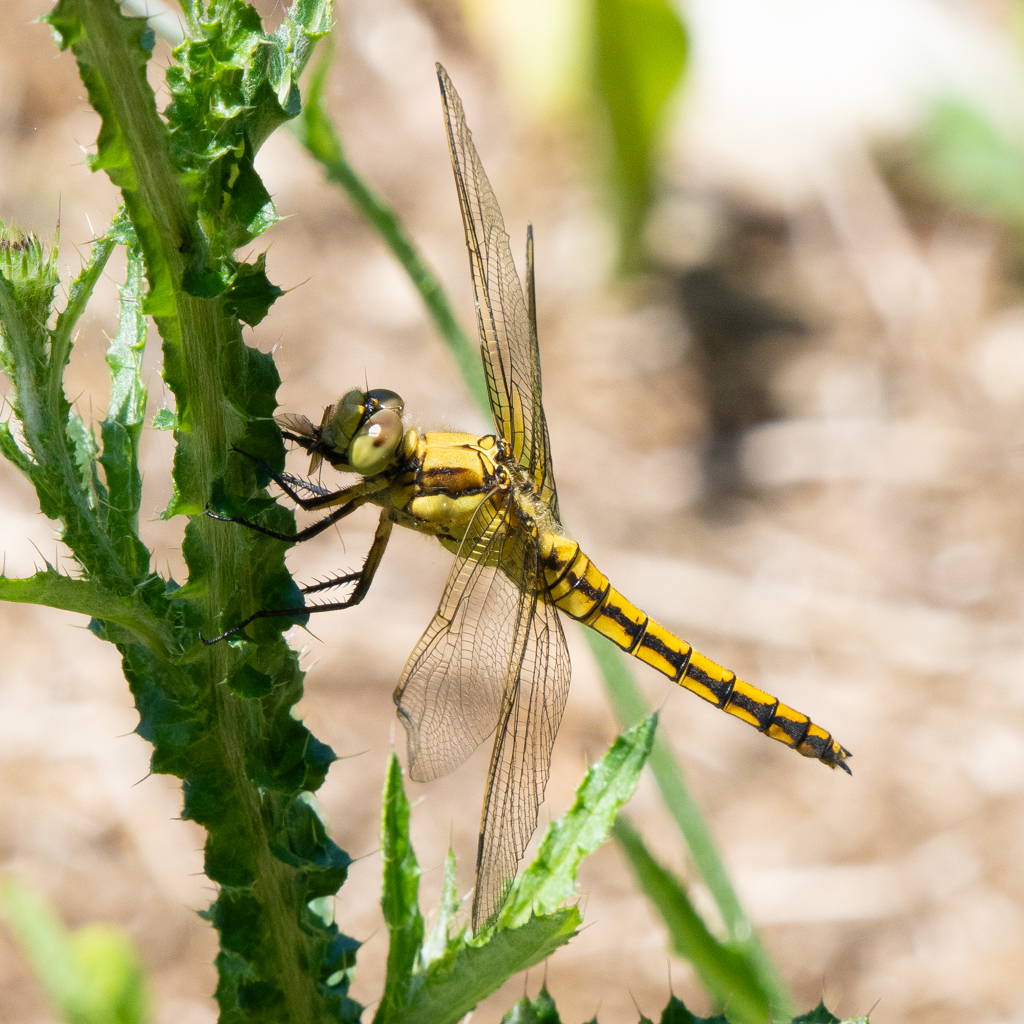
Black-tailed Skimmer
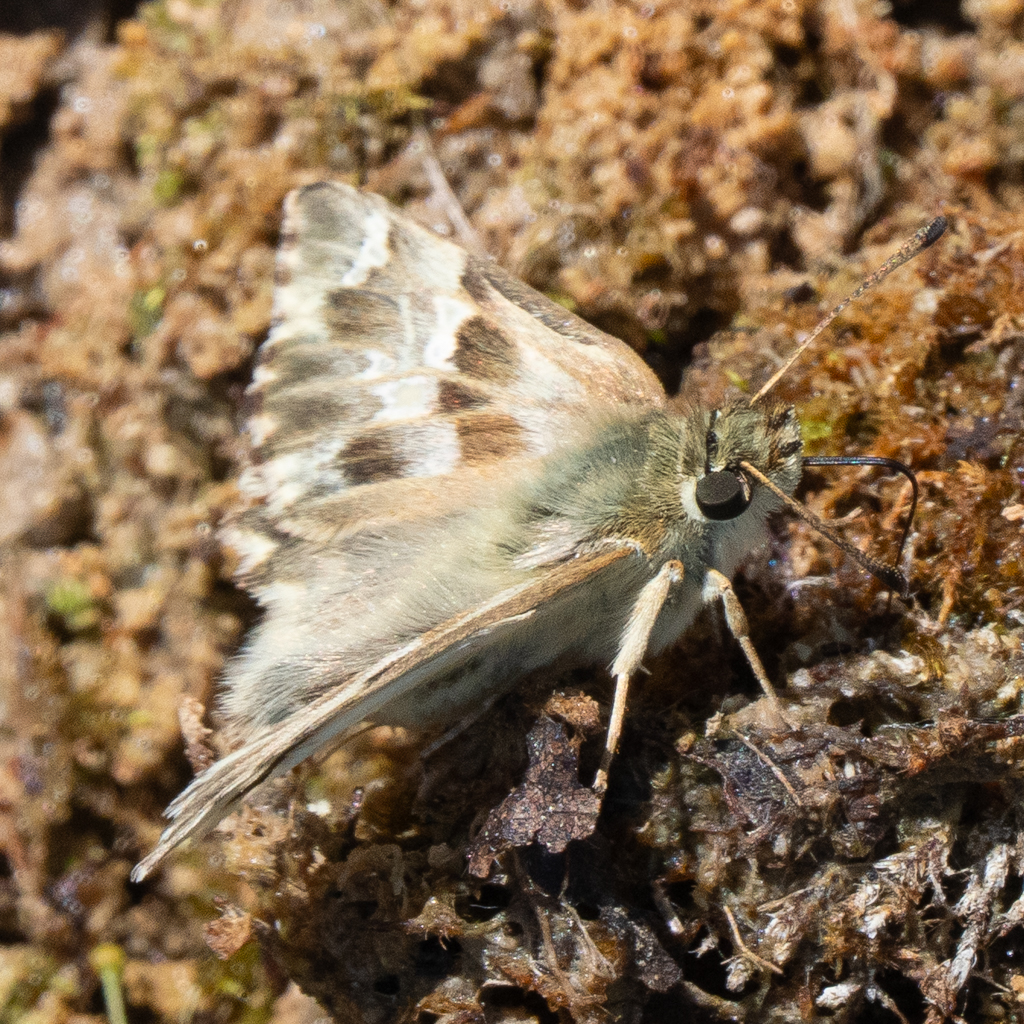
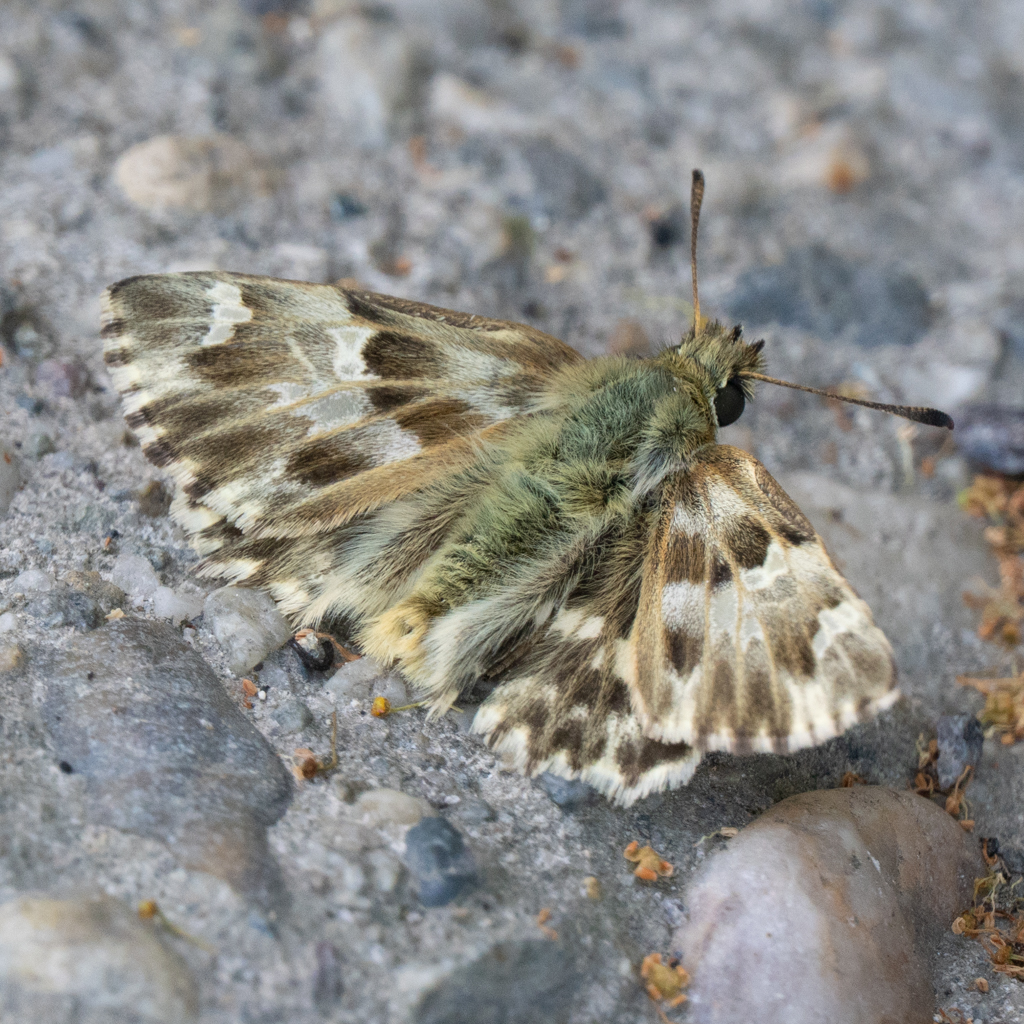
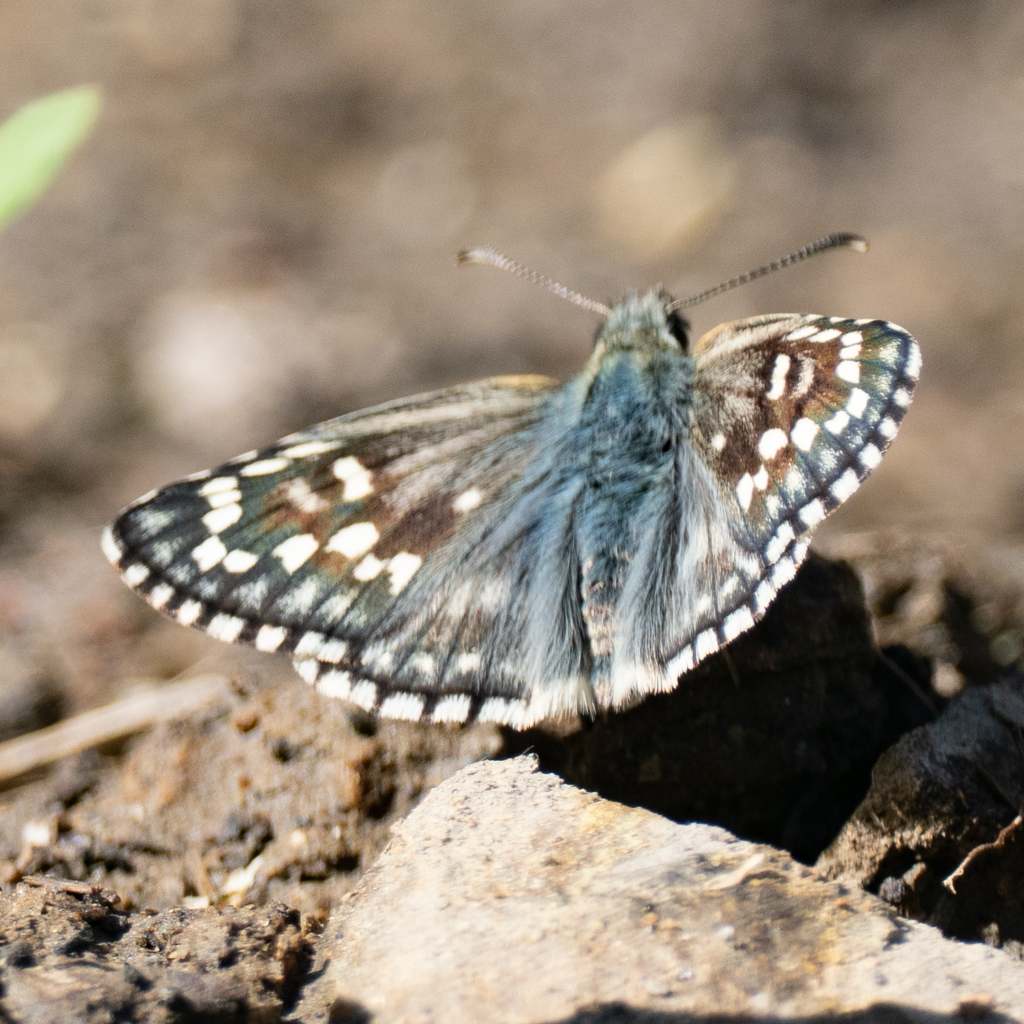
Tufted Skipper
Marbled Skipper
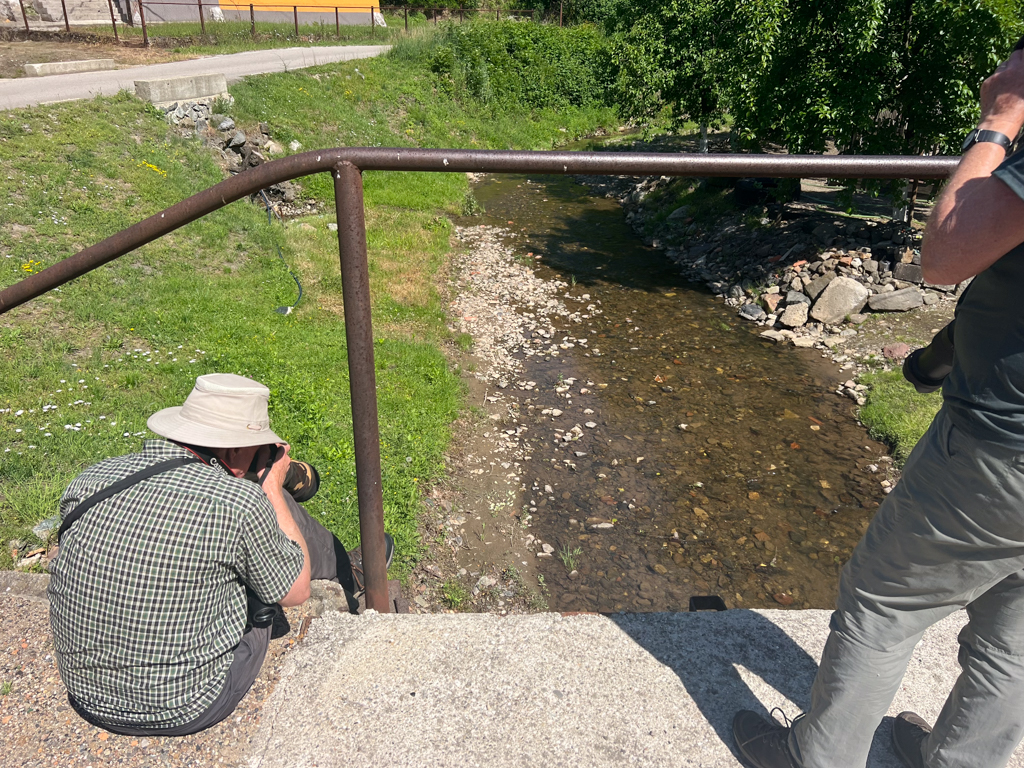
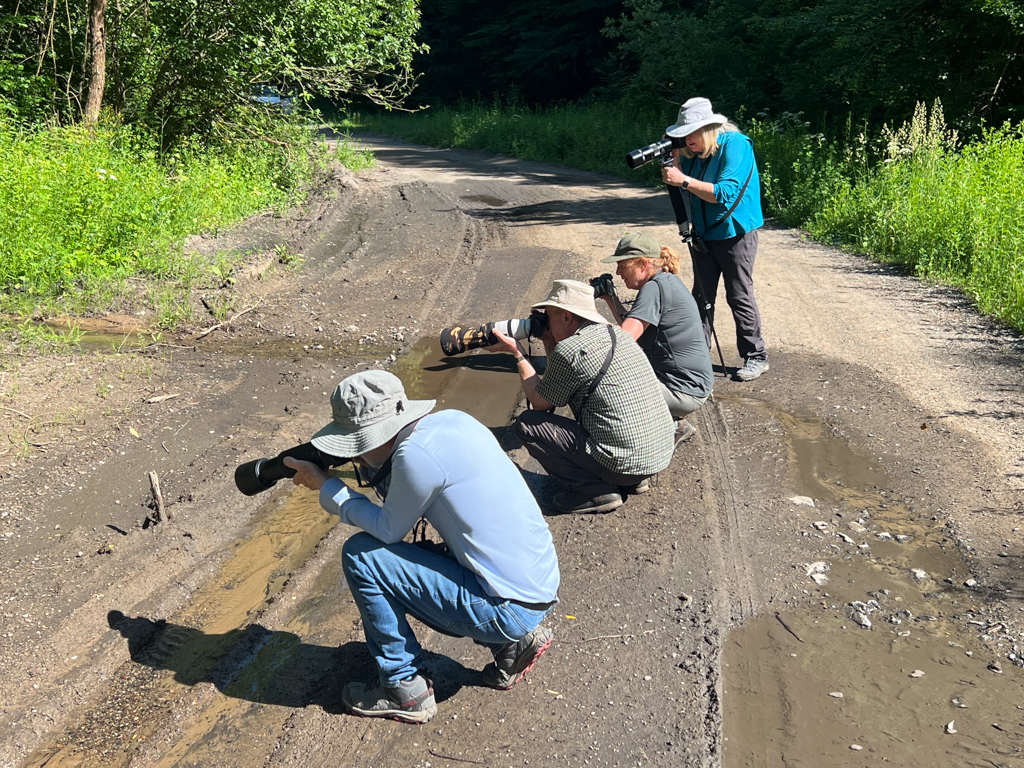
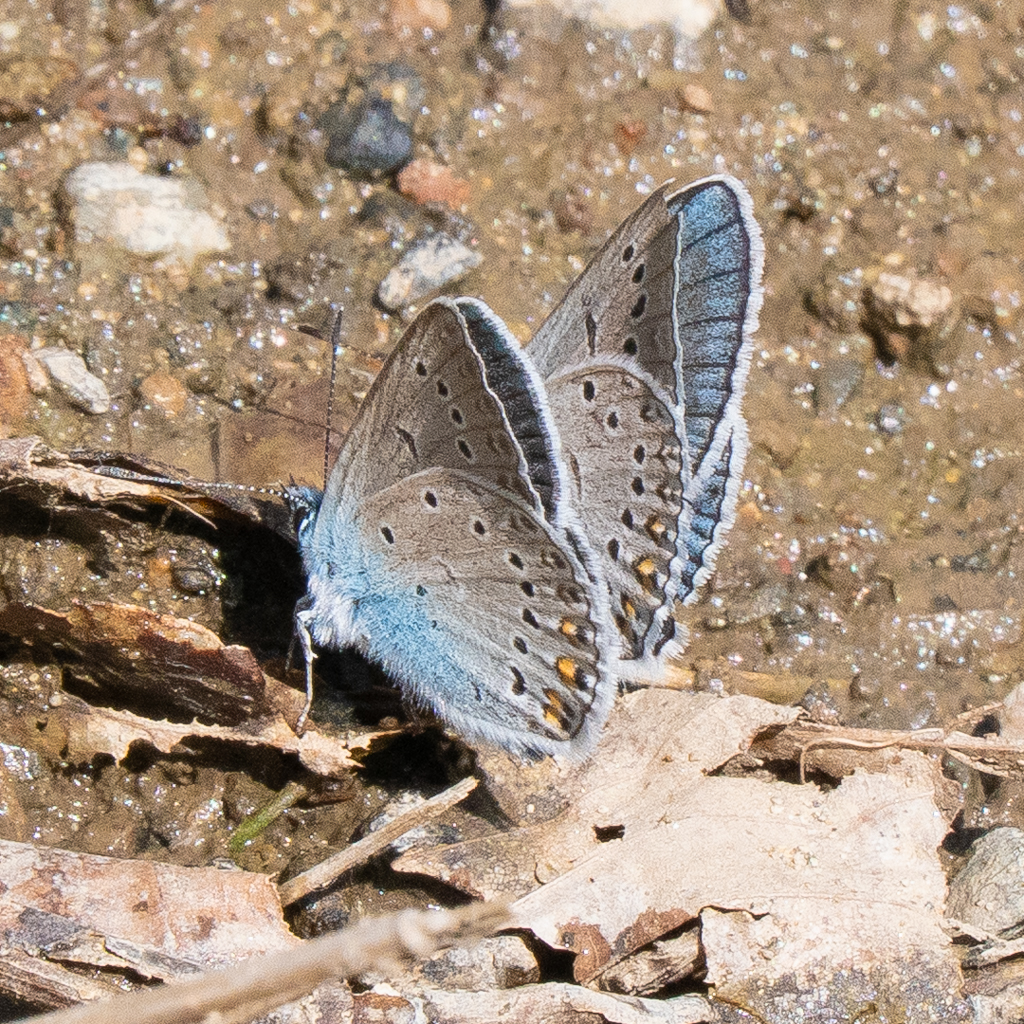
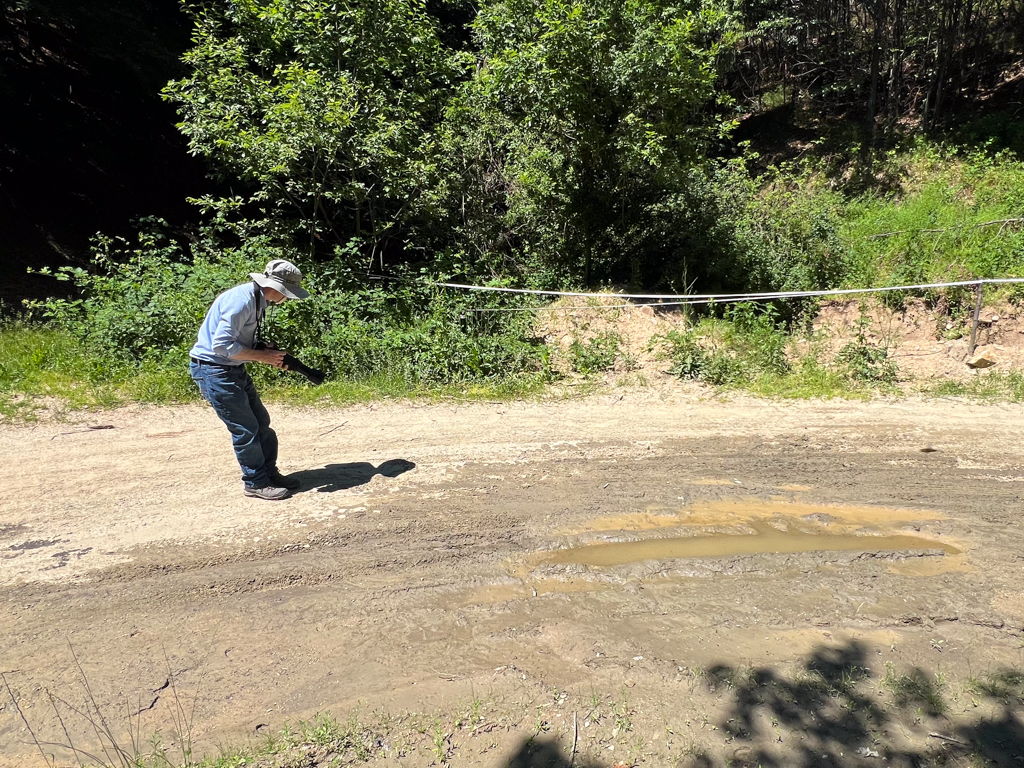
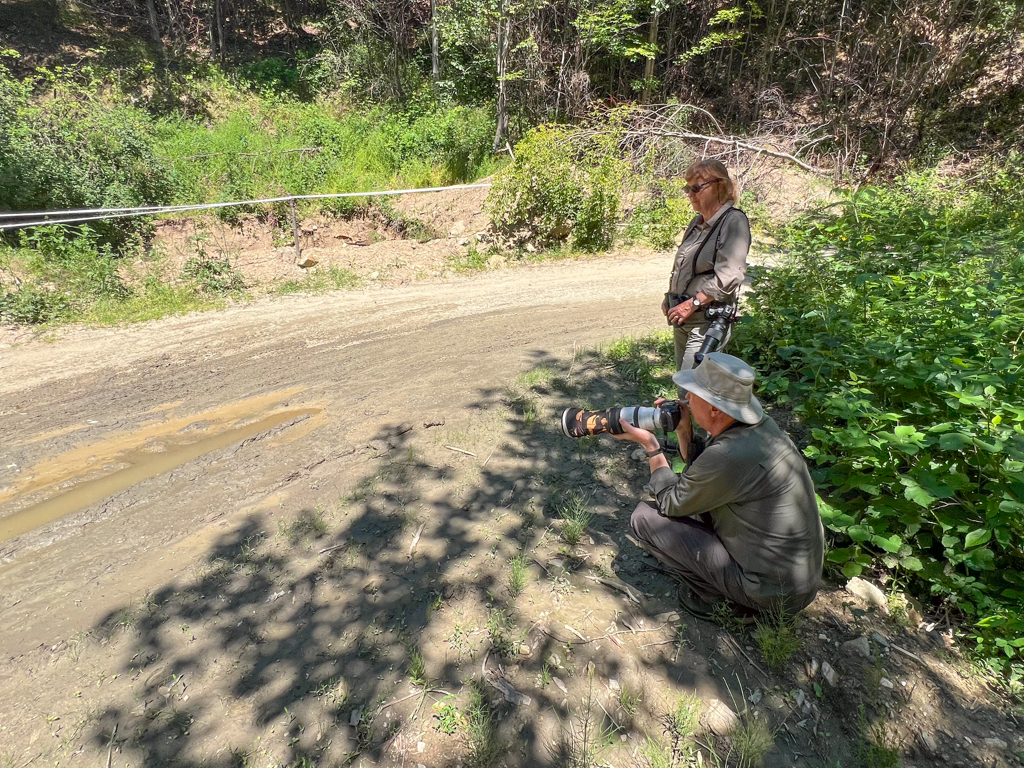
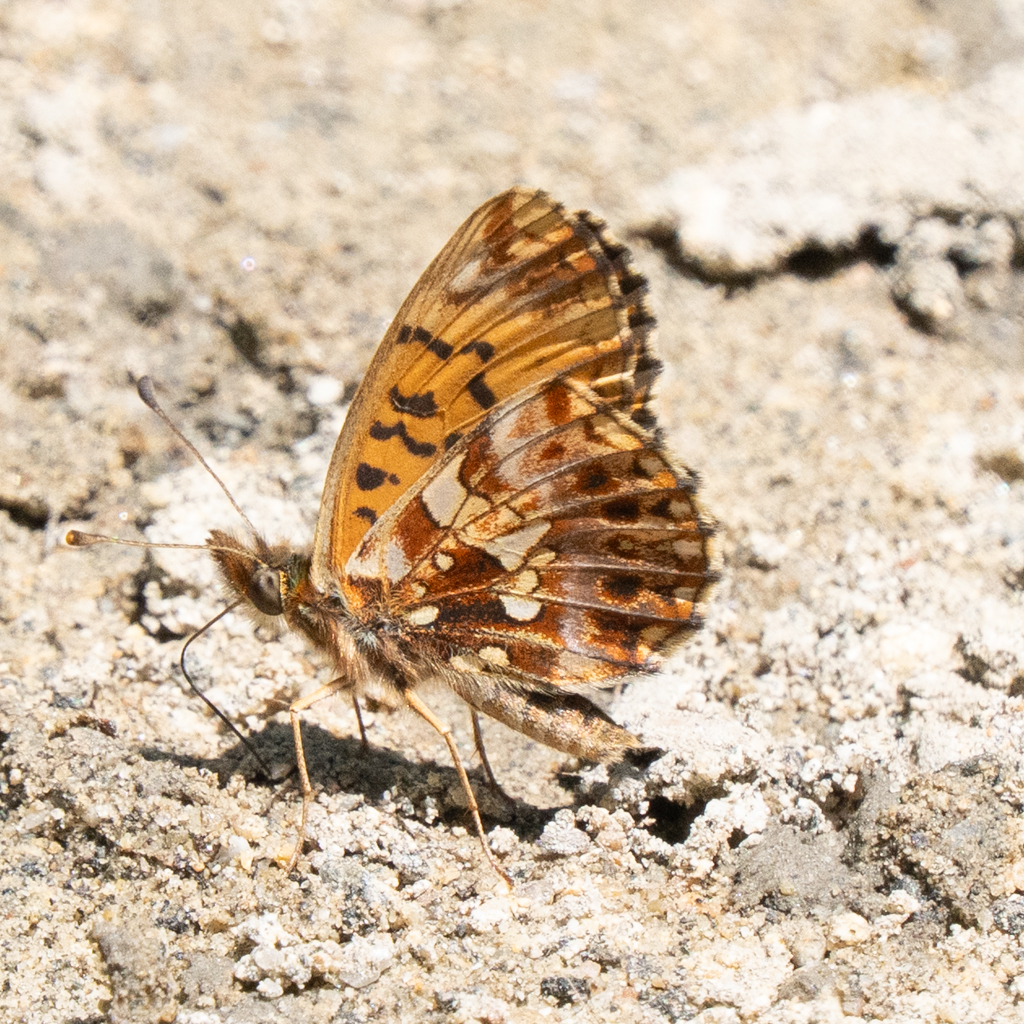
For our final session of the day, we drove several kilometres inland from the Danube to a picturesque area around the village of Eibenthal. Here the best butterflies were found near a small bridge over a stream beside the road. The water was drawing in many butterflies, including Amanda’s Blue and Freyer’s Fritillary. Our final stop of the day was on a narrow road that had several puddles that were bringing in lots of butterflies.
The stream that was attracting butterflies
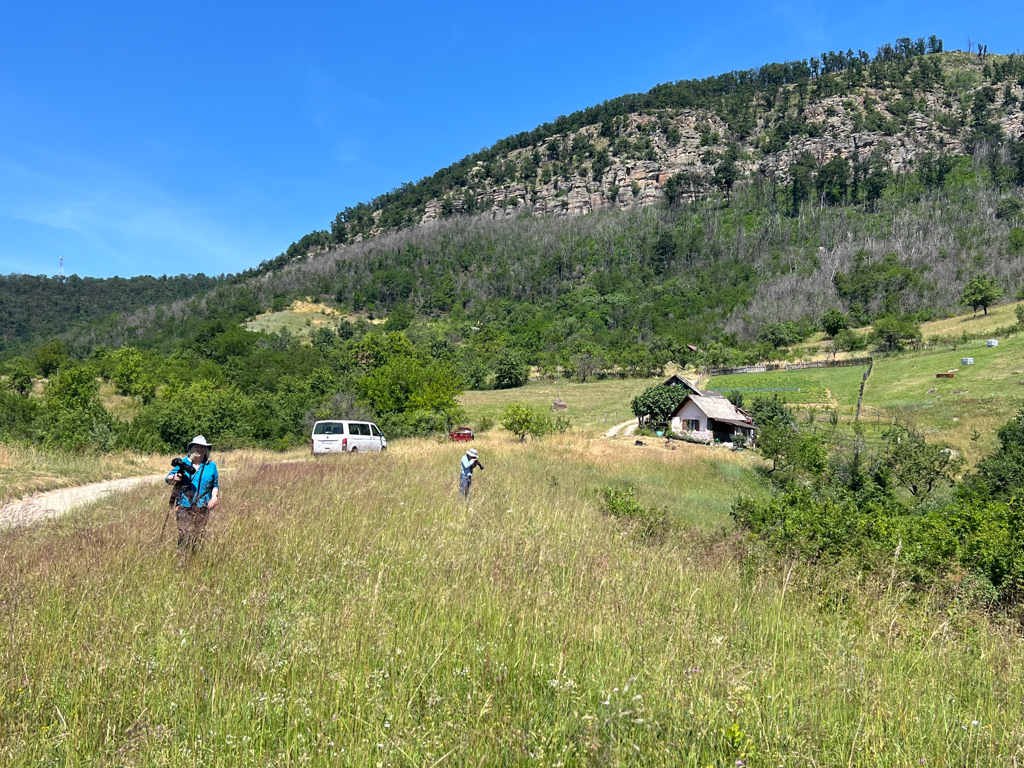
All the group members were interested in photography
Freyer's Fritillary
Amanda's Blue
Yellow-banded Skipper
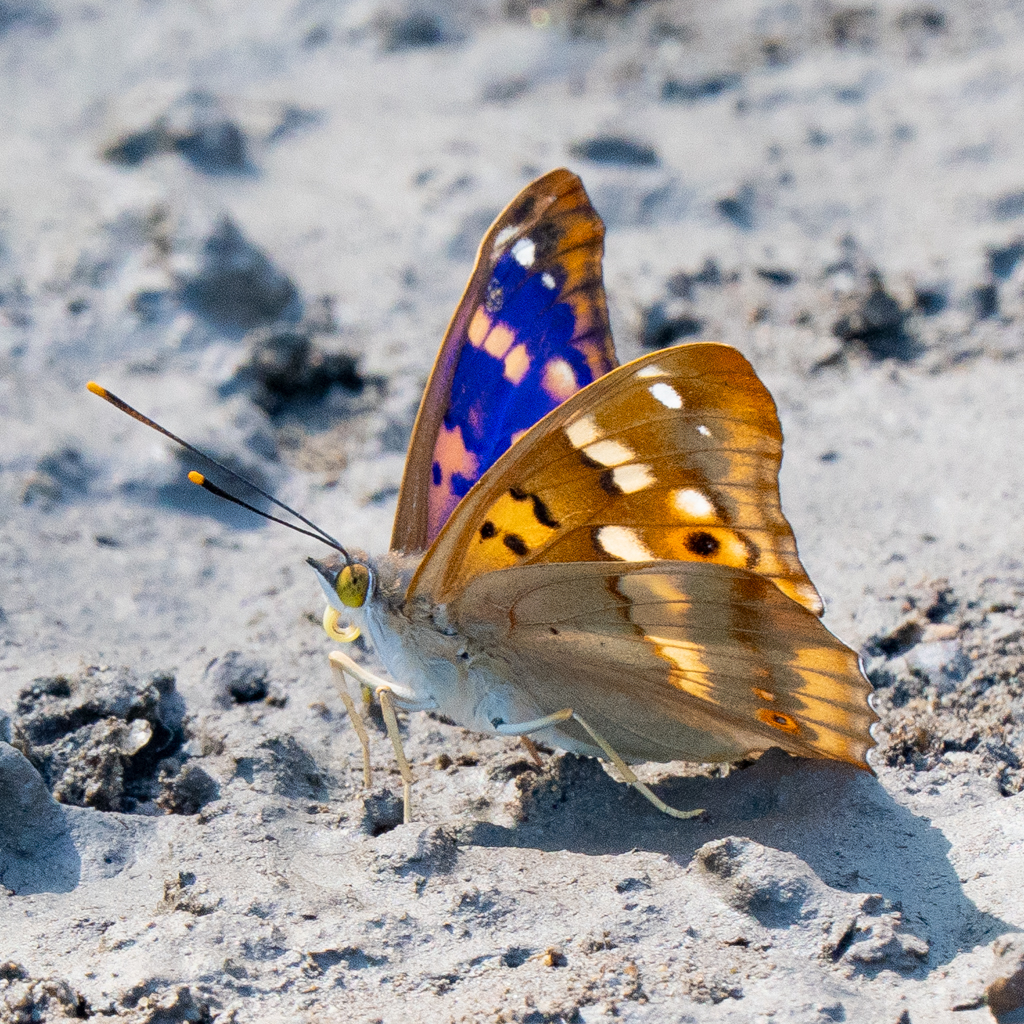
Lesser Purple Emperor
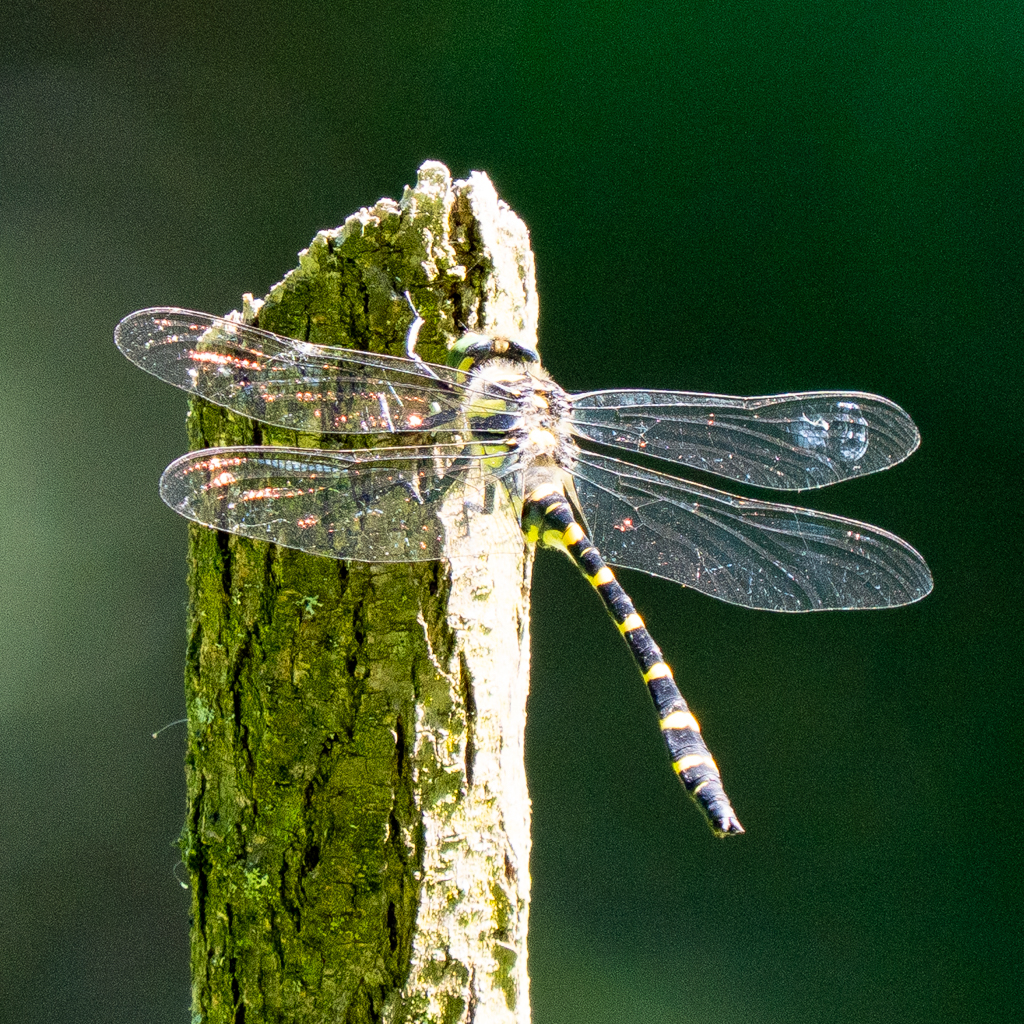
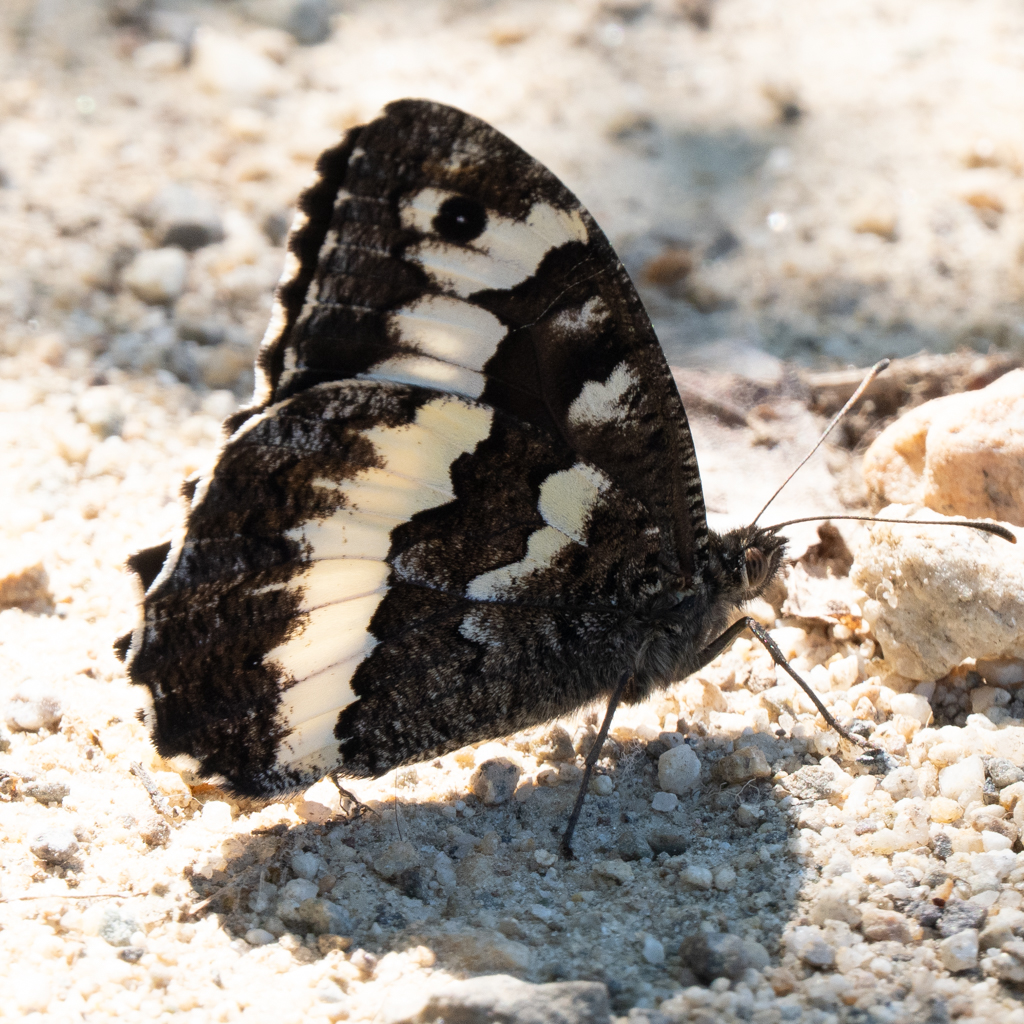
On our second day around Eselnita (10 June) we travelled to the northeast of the town, crossing the Cerna River and driving up a small lane to higher ground giving great views over the area. We made several stops and had a good sighting of a Balkan Goldenring. This was soon followed by a Large Tortoiseshell and a Great Banded Grayling
Balkan Goldenring
Large Tortoiseshell
Great Banded Grayling
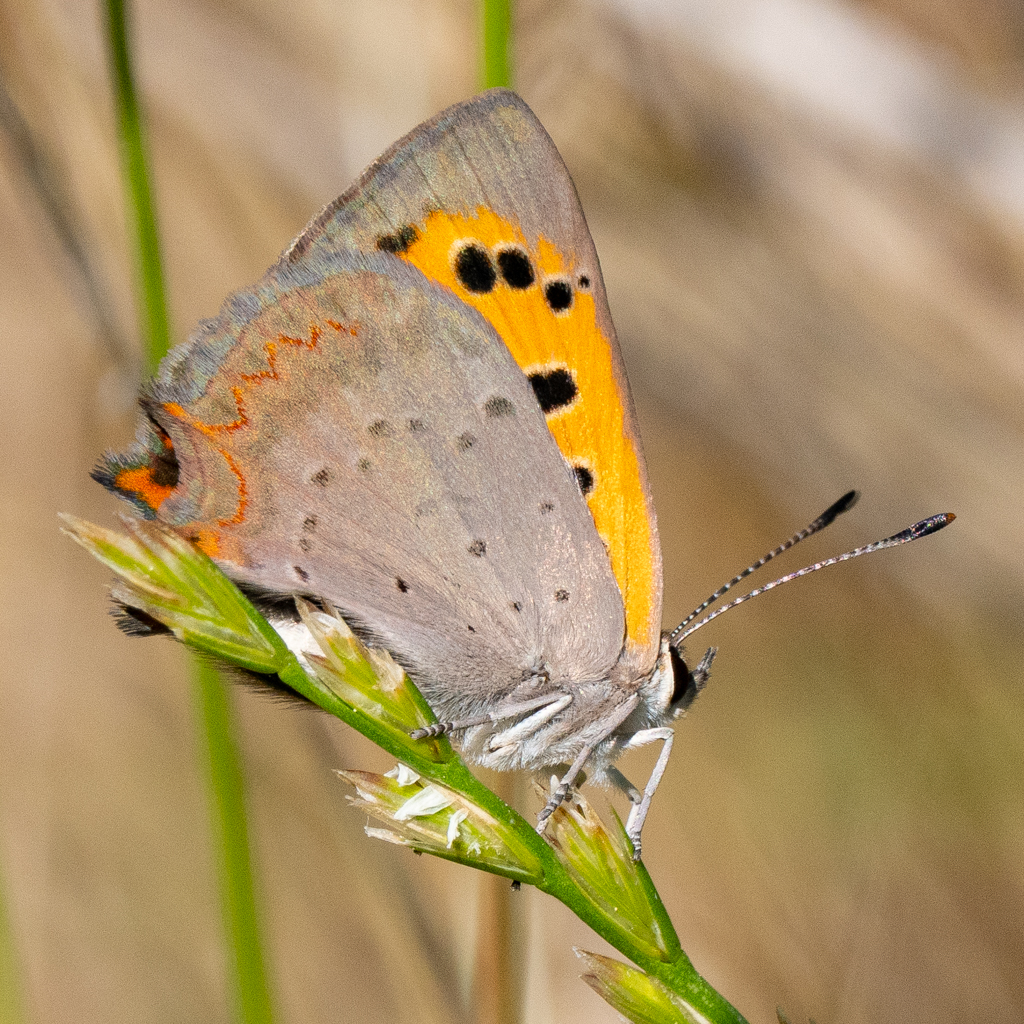
Small Copper
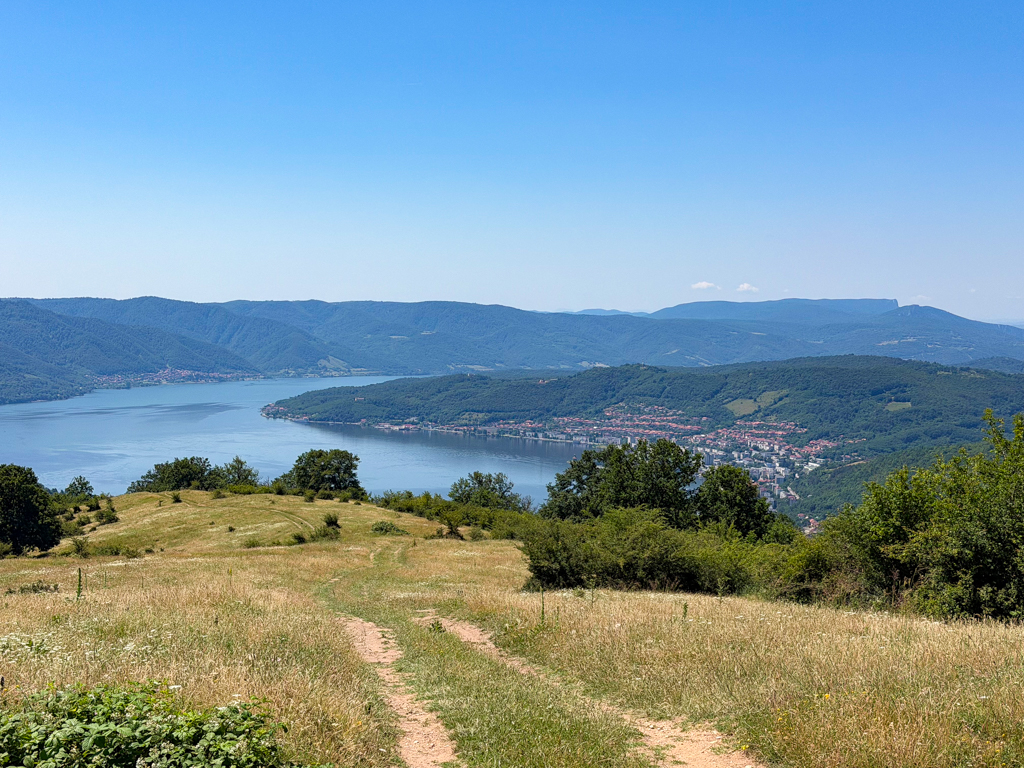
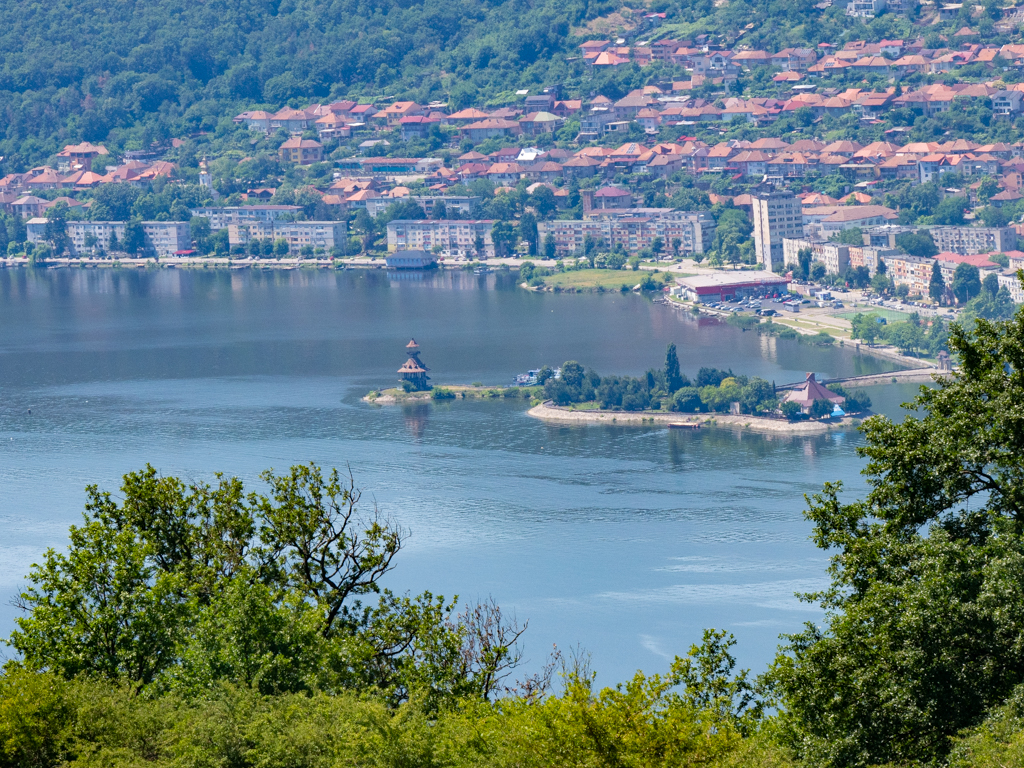
The views from the meadows at the top of the hill above the river Cerna were spectacular and we could see Eselnita on the other side of the river. The meadows at the top of the hill were also productive and we photographed Eastern Bath White in the grass.
The view from the hilltop
Eselnita from the east
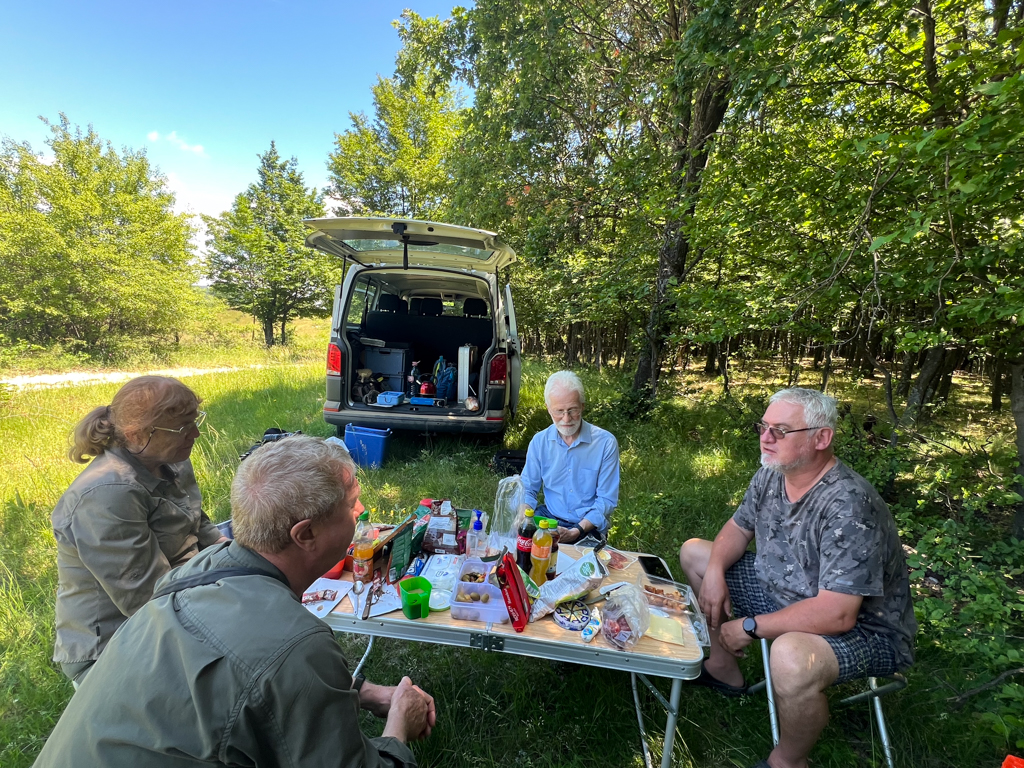
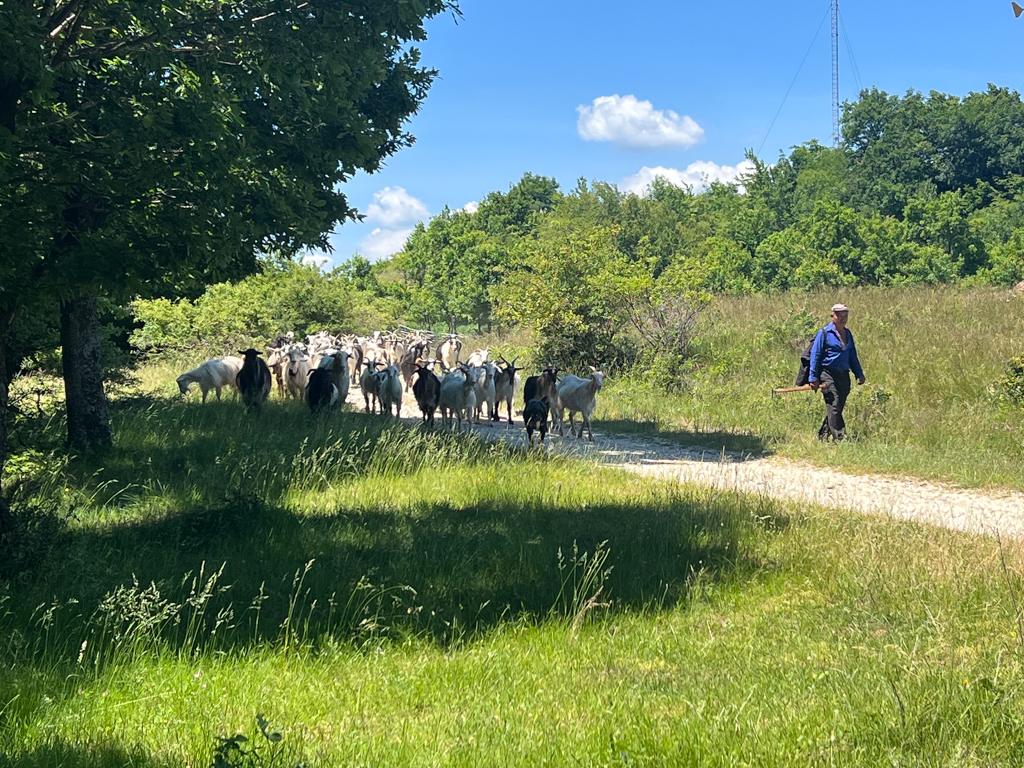
We then drove across the highest part of the hill and found a shady spot to have our lunch. We were surprised by the crops being cultivated at this high elevation and during our lunch we even had a herd of goats pass by.
Our picnic lunch
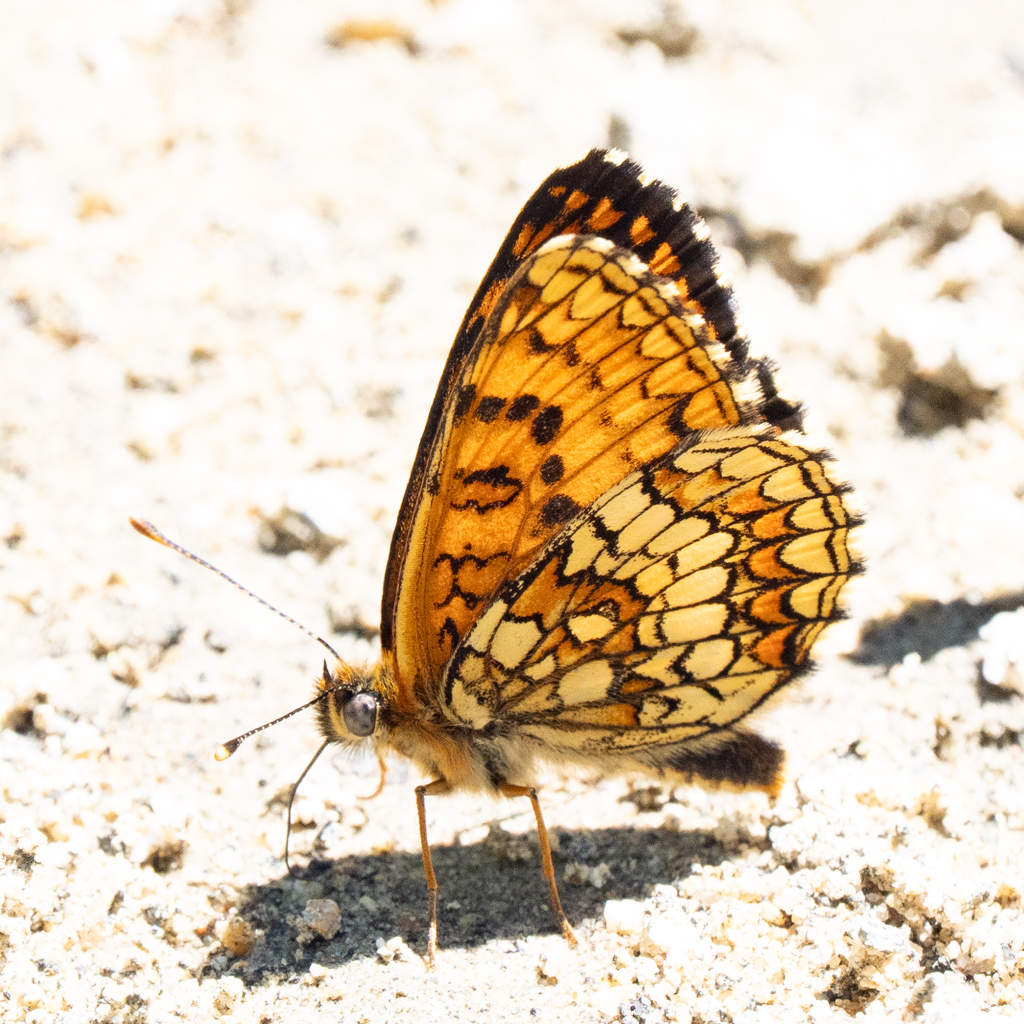
After lunch we continued north along the ridge. Here we found shady pools of water that were drawing in butterflies and we saw Weaver’s Fritillary, which was new for us, along with several other fritillaries. After this successful stop we returned to the hotel before having dinner at the excellent Calypso restaurant, which had beautiful views of the Danube.
The puddles that were drawing in the fritillaries
Weaver's Fritillary
Heath Fritillary
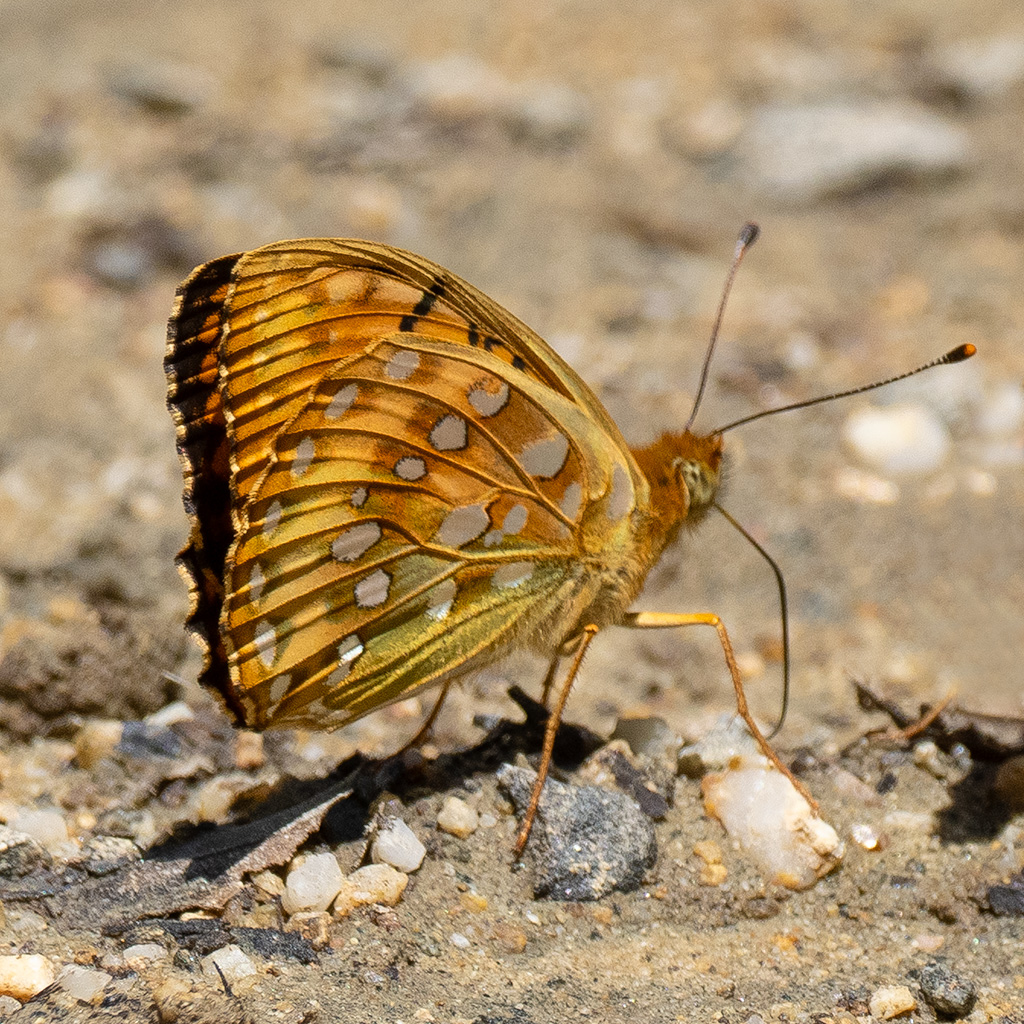
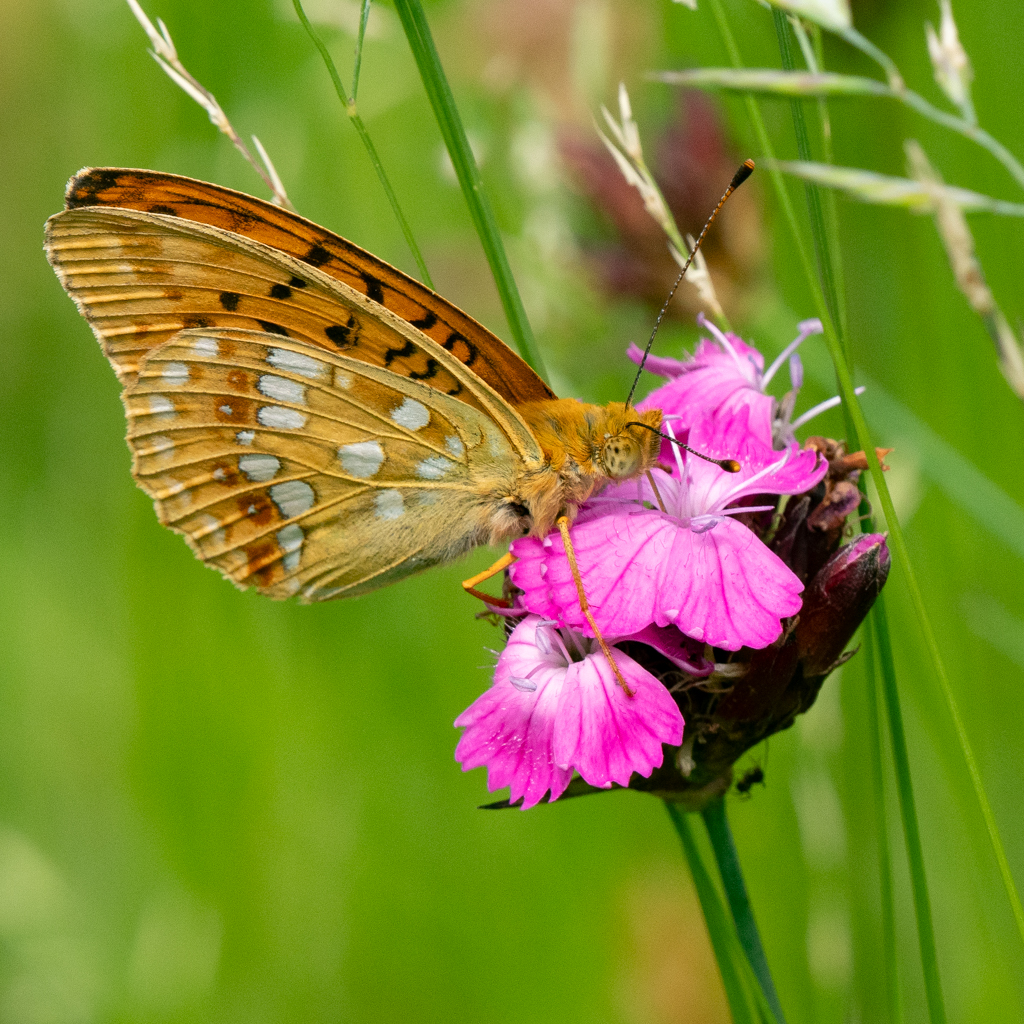
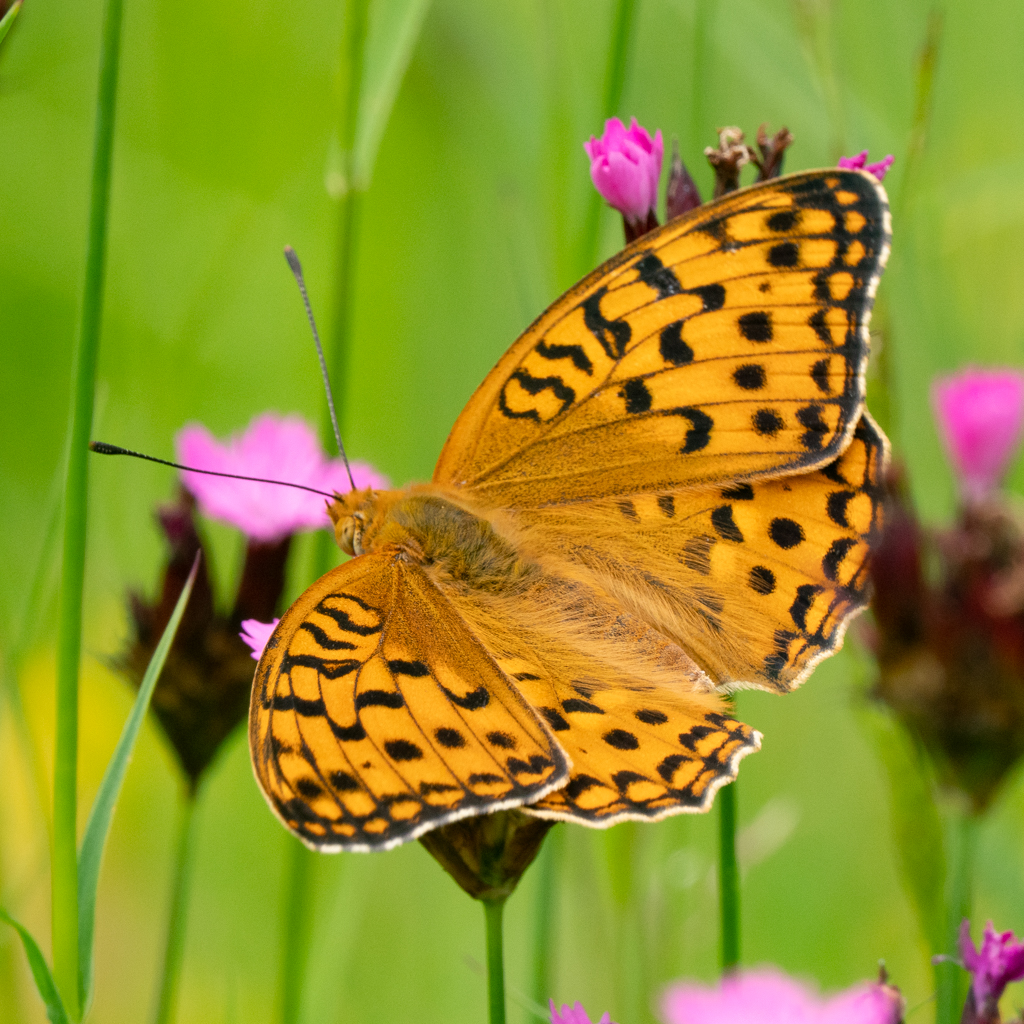
Dark-green Fritillary
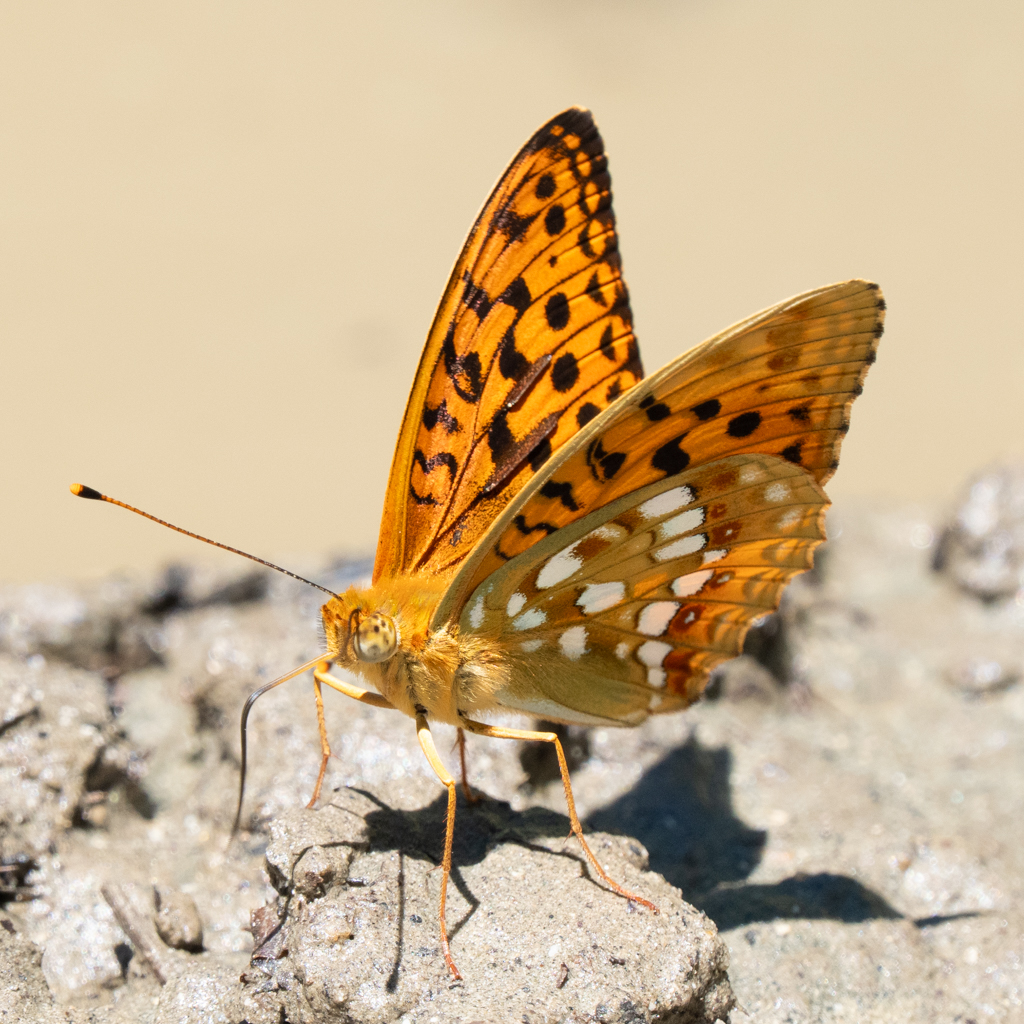
High Brown Fritillary
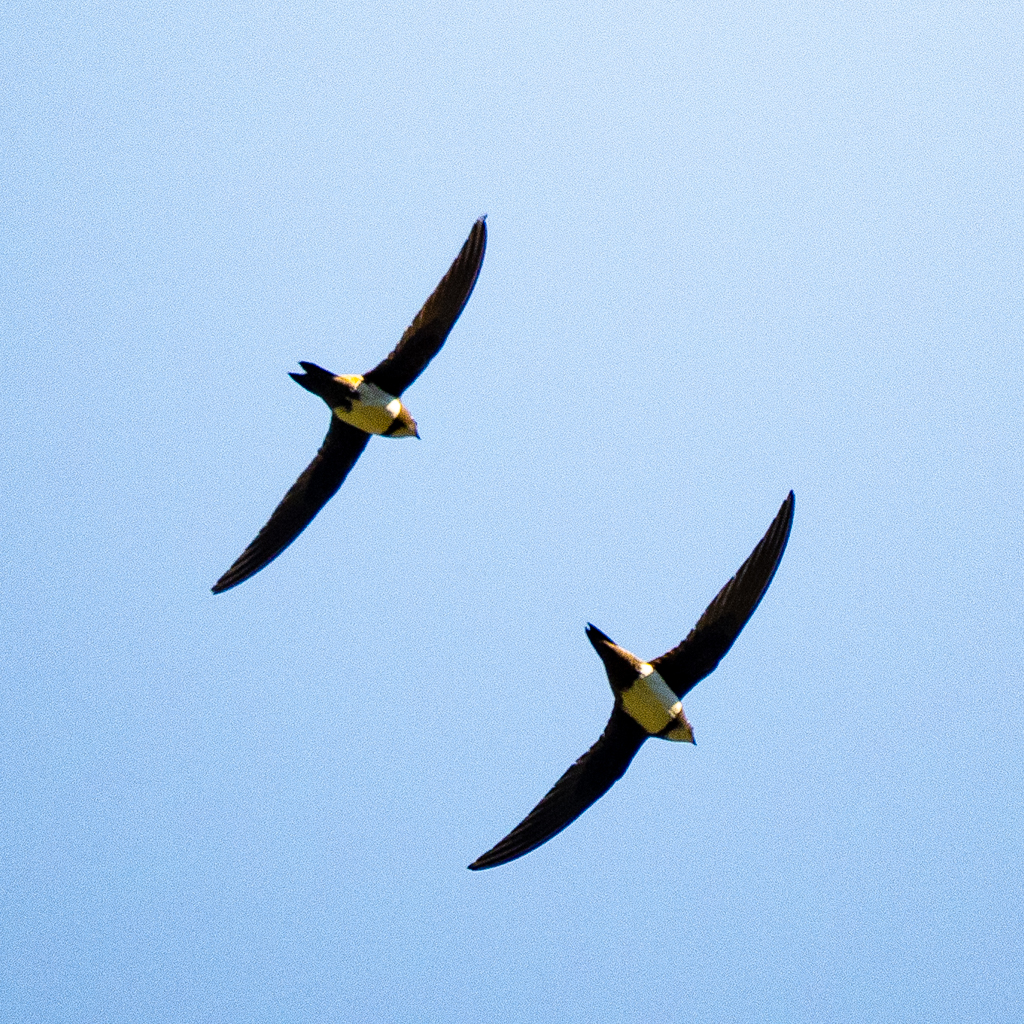
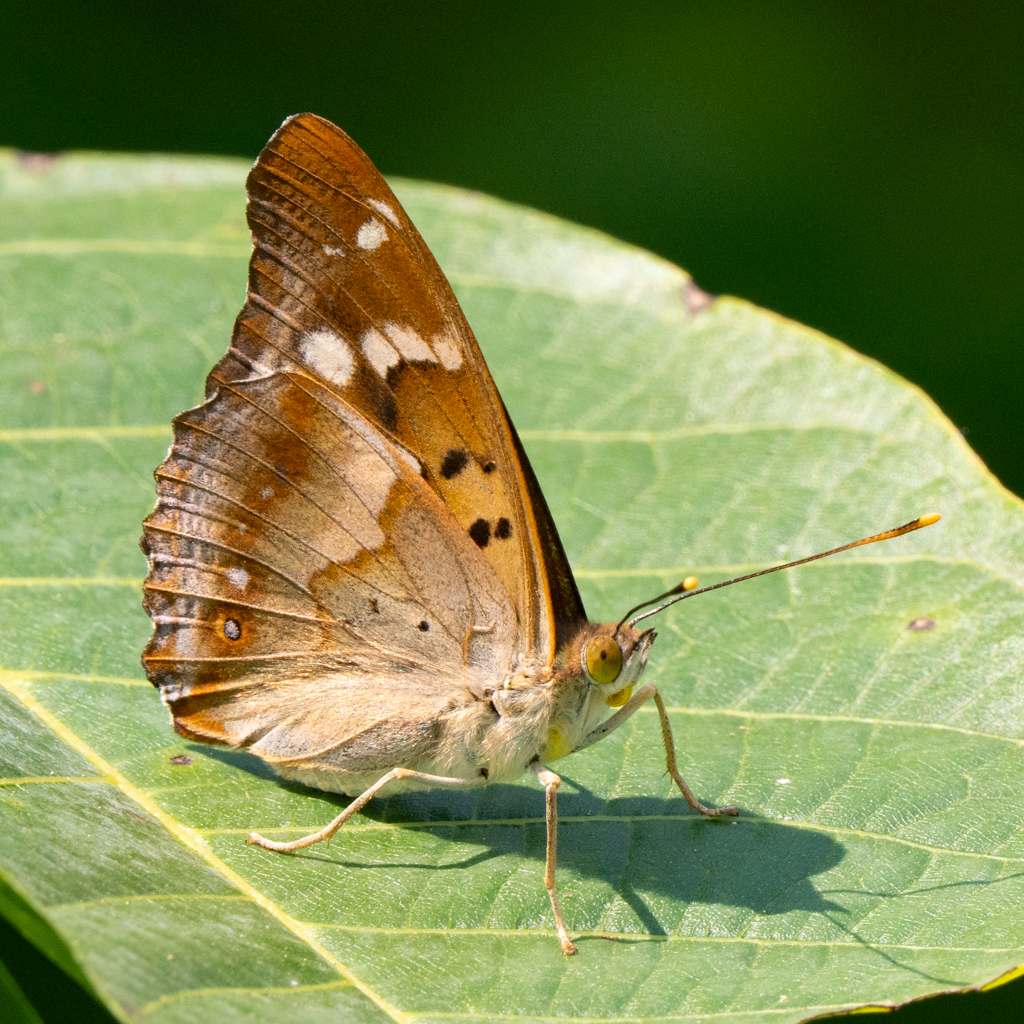
11 June was the final full day of our tour and we spent this along the valley of the Cerna river, working our way towards the historic city of Baile Herculane. We first stopped several kilometres south of the town at the head of a beautiful valley with a fish farm. There were lots of Alpine Swift flying over and a few butterflies in the meadow, but we had the greatest success when we returned to our van when we found a Lesser Purple Emperor.
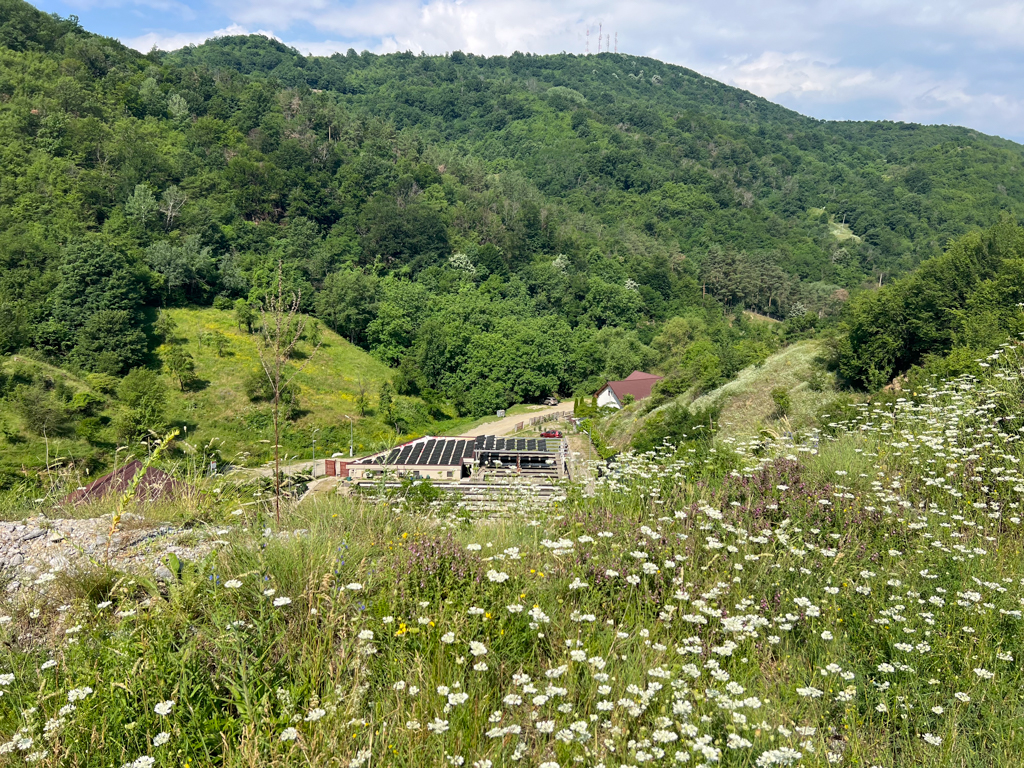
Our first stopping point
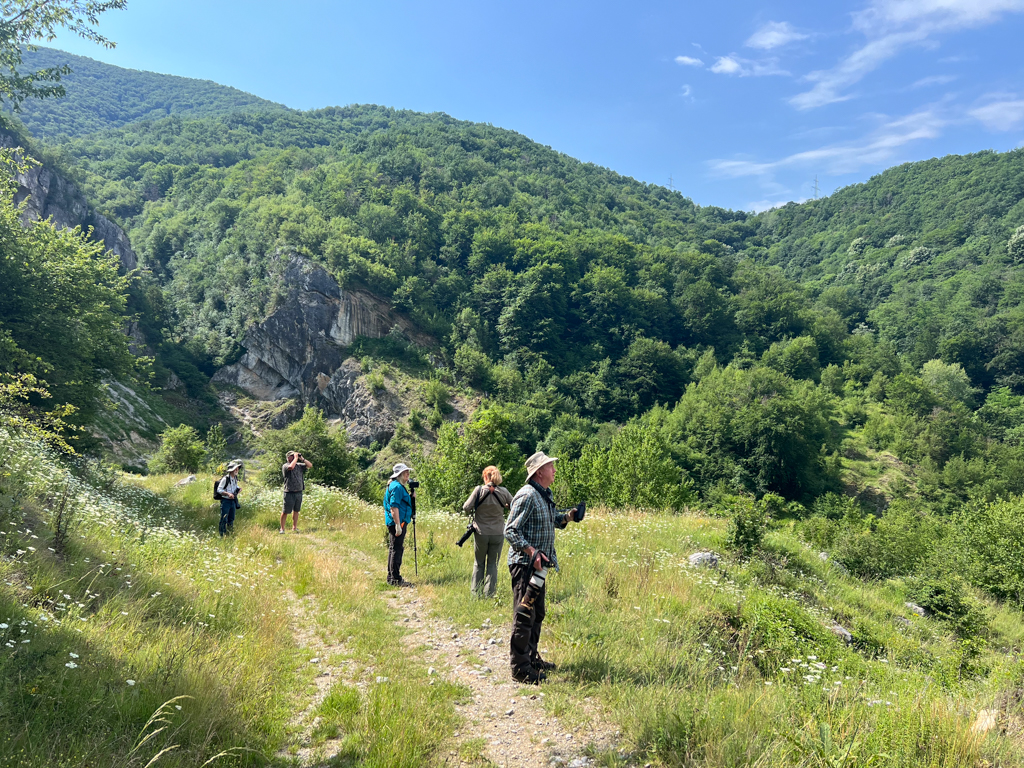
Searching for butterflies
Alpine Swift
Lesser Spotted Fritillary
Lesser Purple Emperor
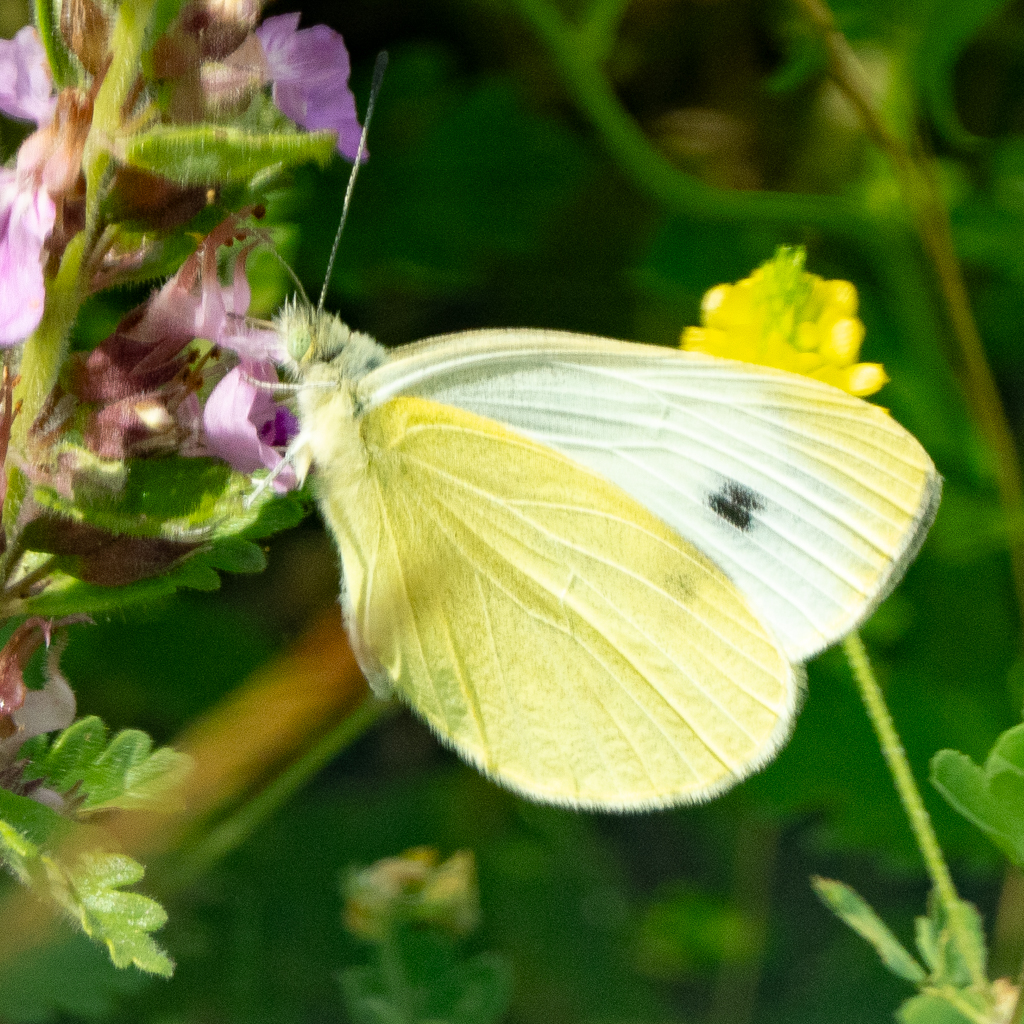
Mountain Small White
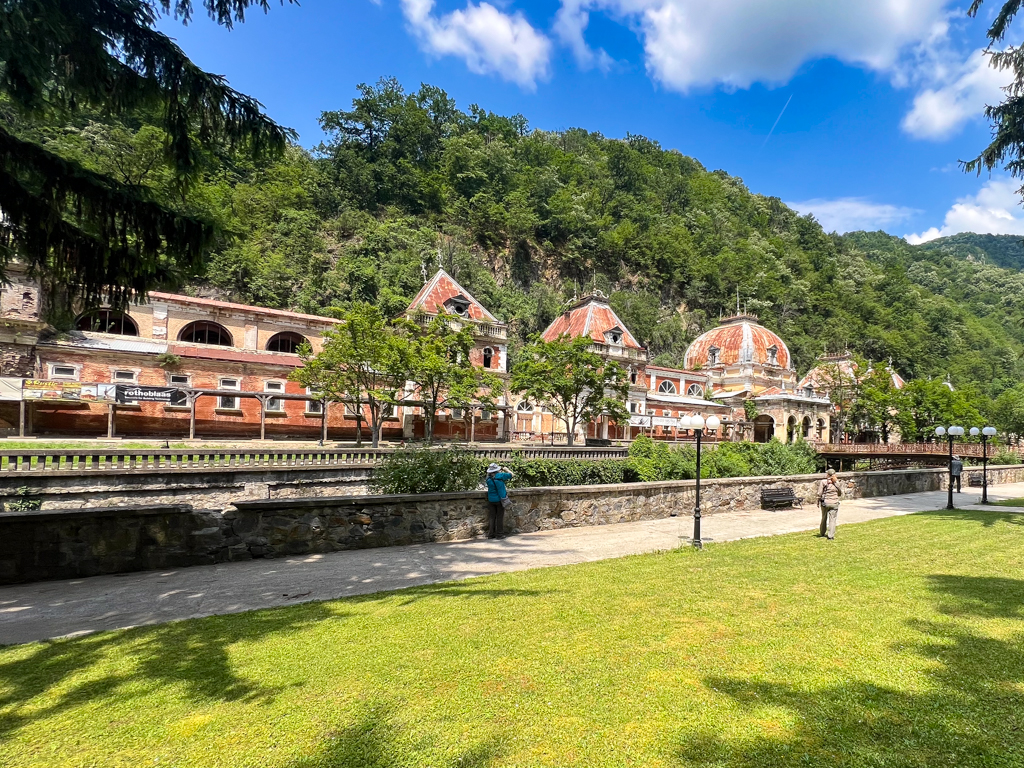
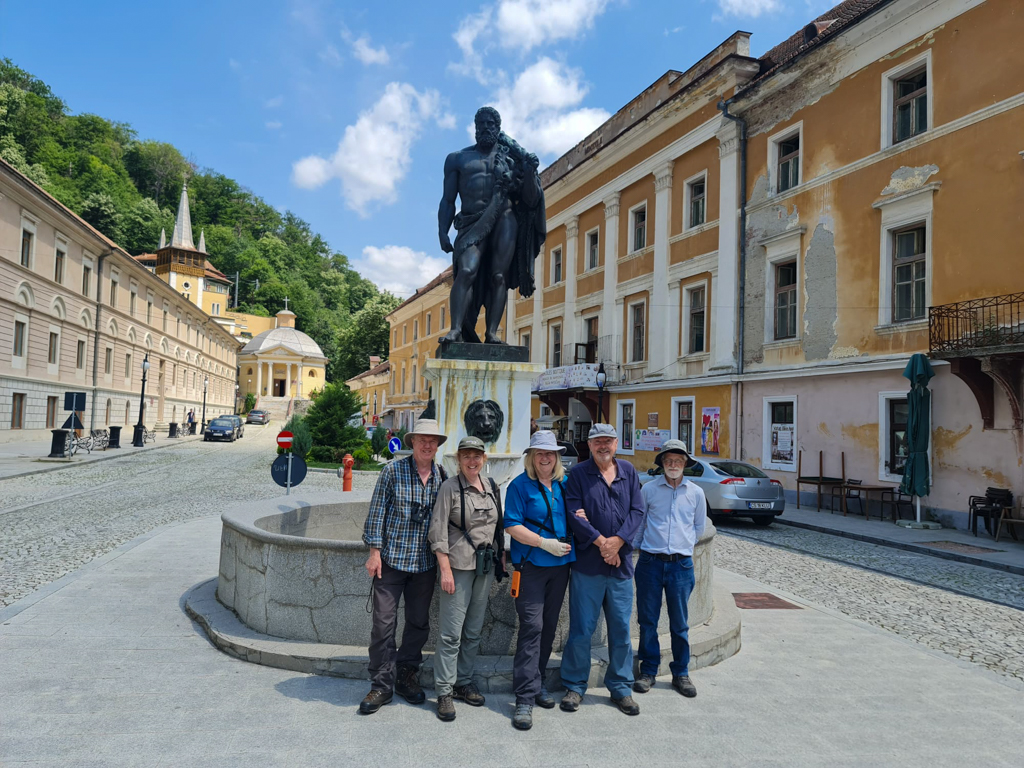
We then drove to Baile Herculane for lunch and took the opportunity to see some of this historic spar town. In the 19th and early 20th century the town was a very popular and fashionable destination, but in recent years its fortunes have rather declined and a number of buildings were starting to show their age.
Baile Herculane
Our group at the statue of Hercules
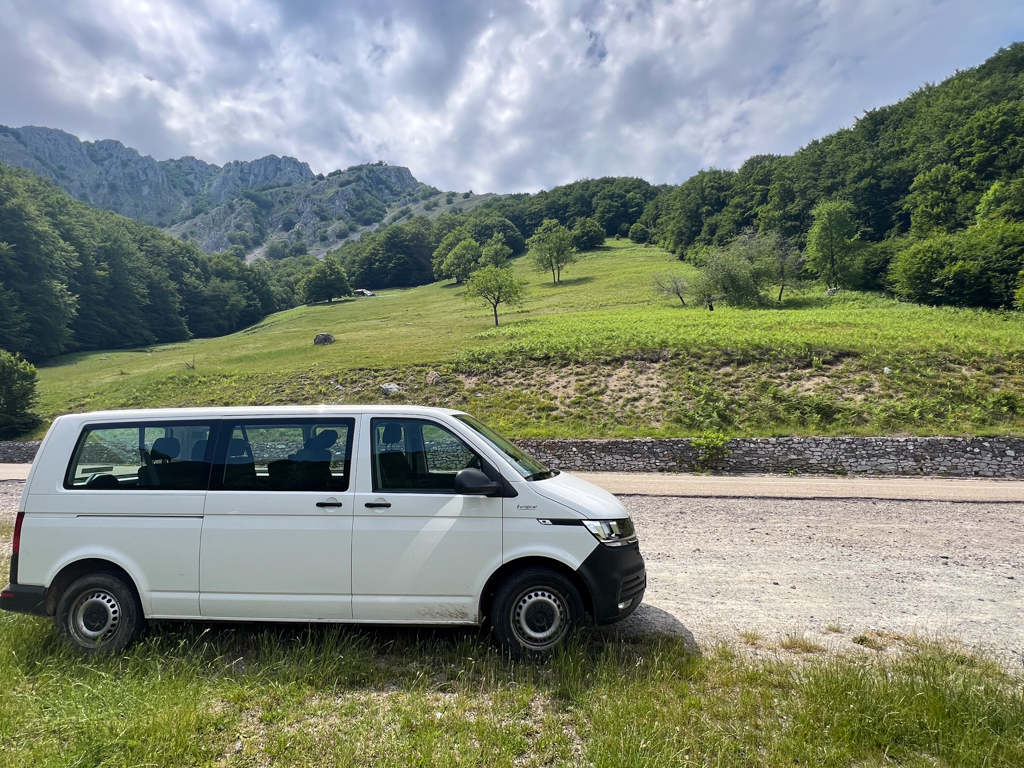
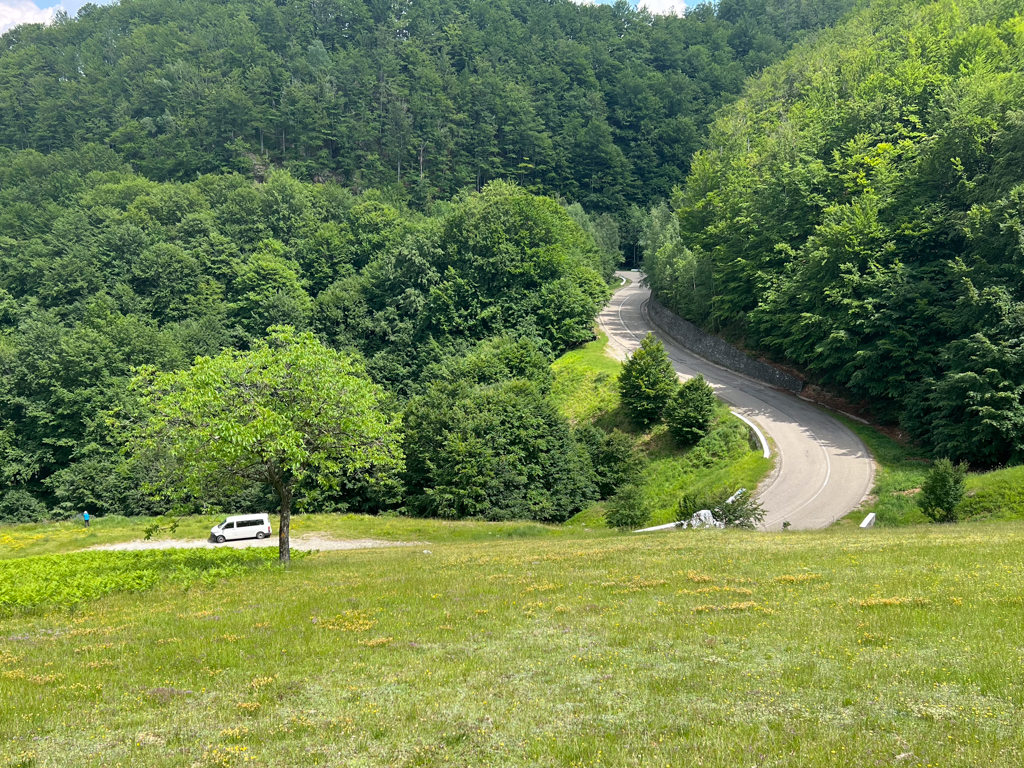
After lunch we resumed our search for butterflies in a beautiful valley near Godeanu about 20 km northeast of Baile Herculane.
The slope where we searched for butterflies
The view down to the road
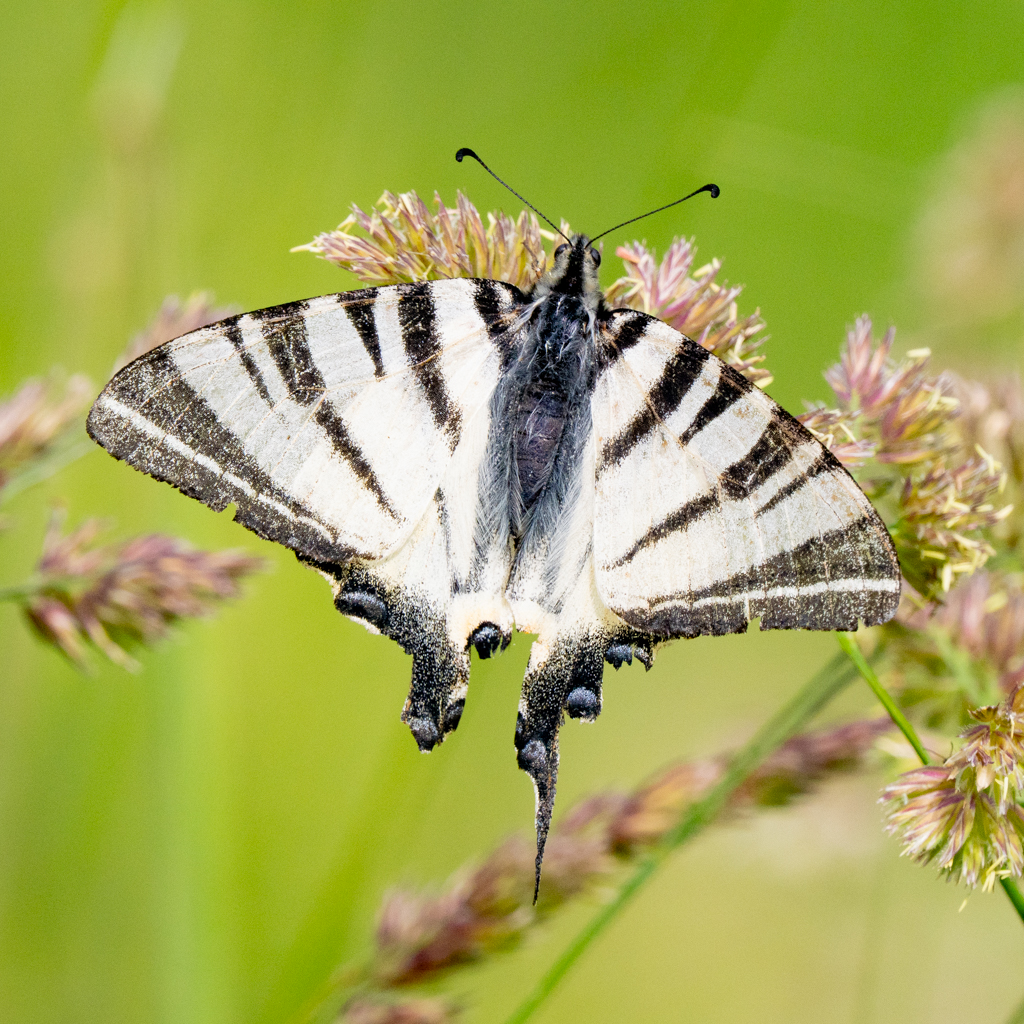
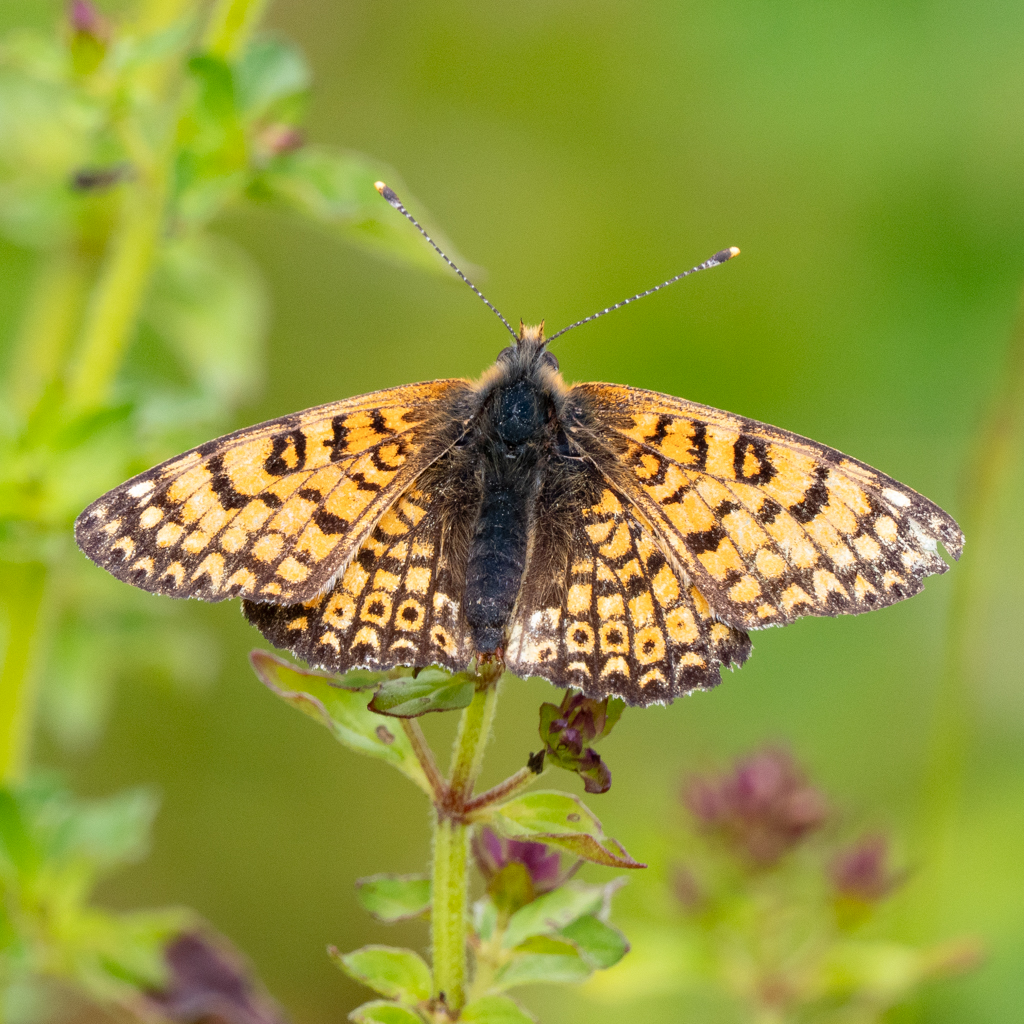
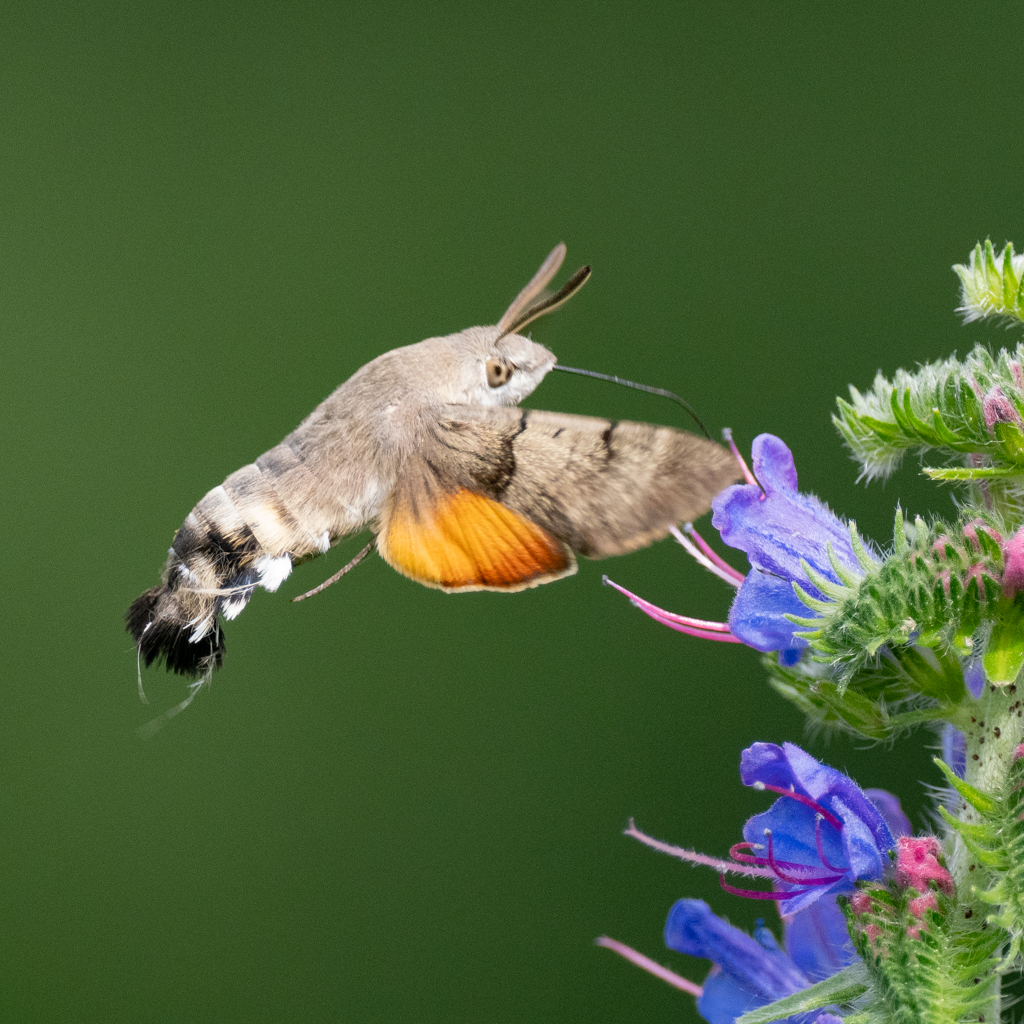
Our session started well with a Scarce Swallowtail seen close to the van, which was soon followed by Lesser Spotted Fritillary and Glanville Fritillary. Maggie was successful in getting a good shot of the fast-moving European Hummingbird Hawkmoth.
Scarce Swallowtail
Lesser Spotted Fritillary
Glanville Fritillary
European Hummingbird Hawkmoth
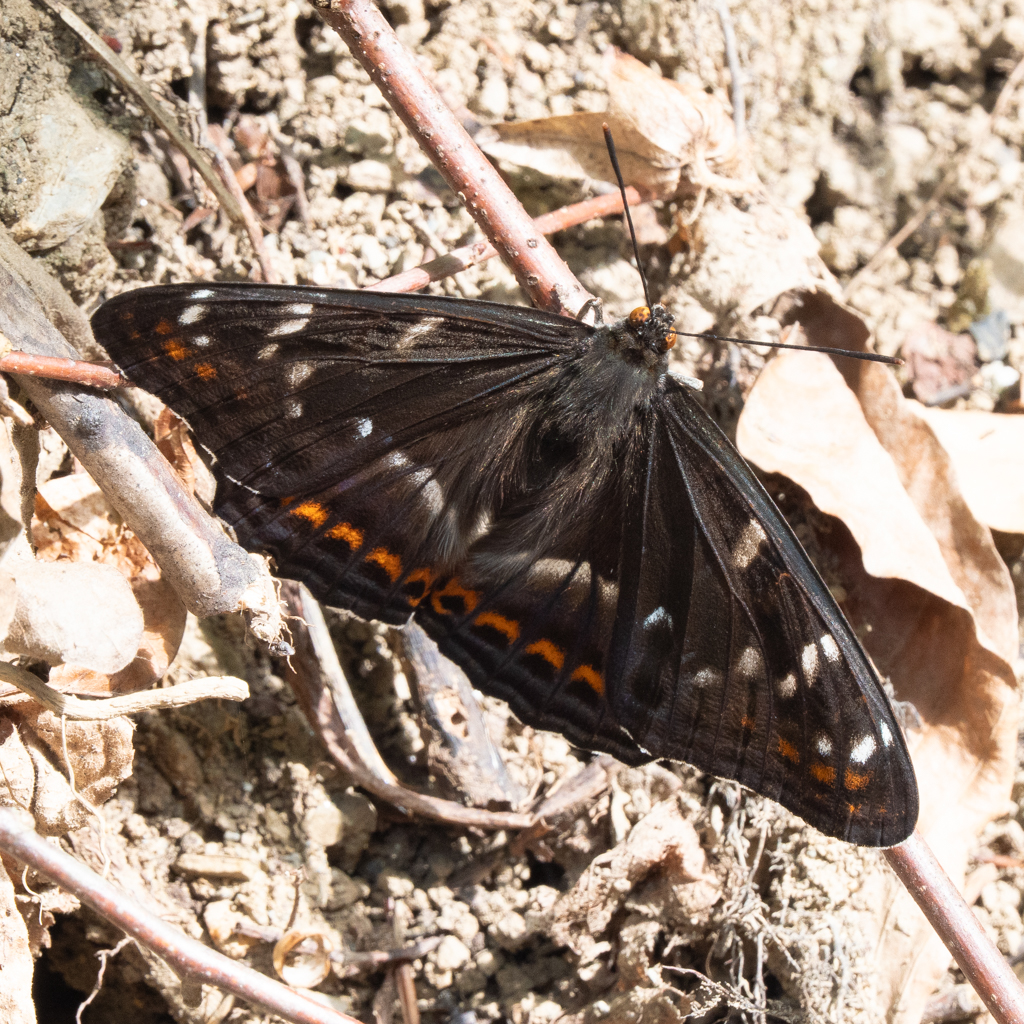
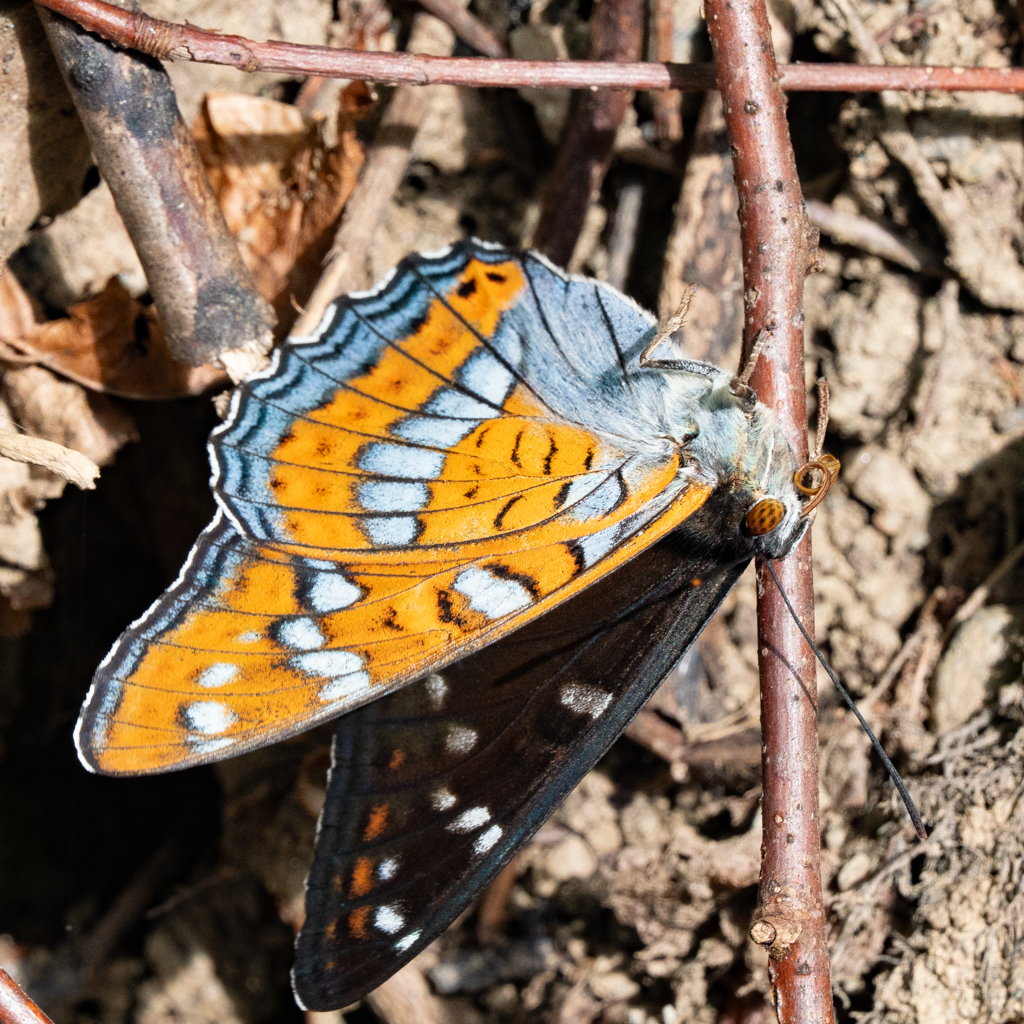
Further along the valley we got good shots of both the upperwing and underwing of a High Brown Fritillary. We then had a remarkable encounter with a Poplar Admiral on our drive down the main road to Blare Herculane when Lajos saw it flying into the path of a car on the other side of the road. The butterfly was briefly stunned and landed on the verge of the road. We stopped our vehicle and jumped out, grabbing a few photographs before the butterfly thankfully recovered and flew away.
High Brown Fritillary
High Brown Fritillary
Poplar Admiral
Poplar Admiral
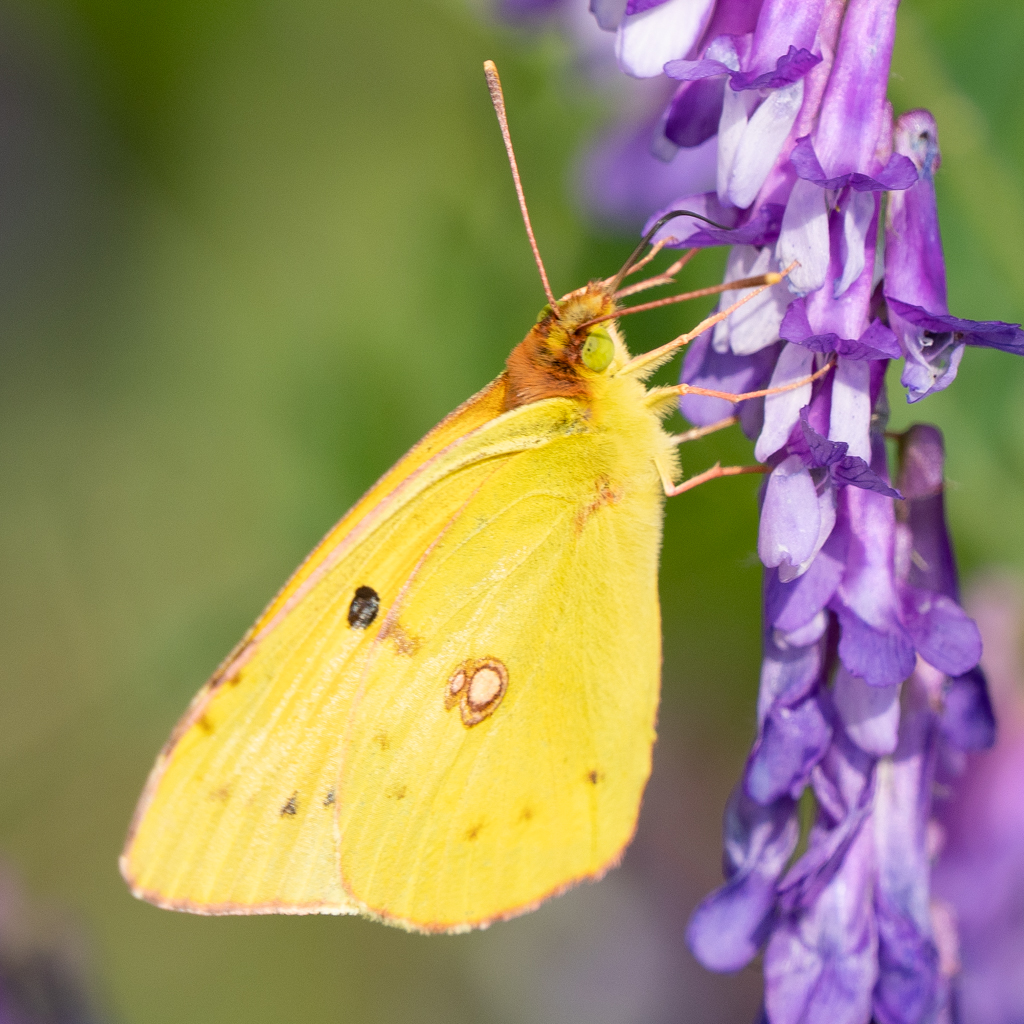
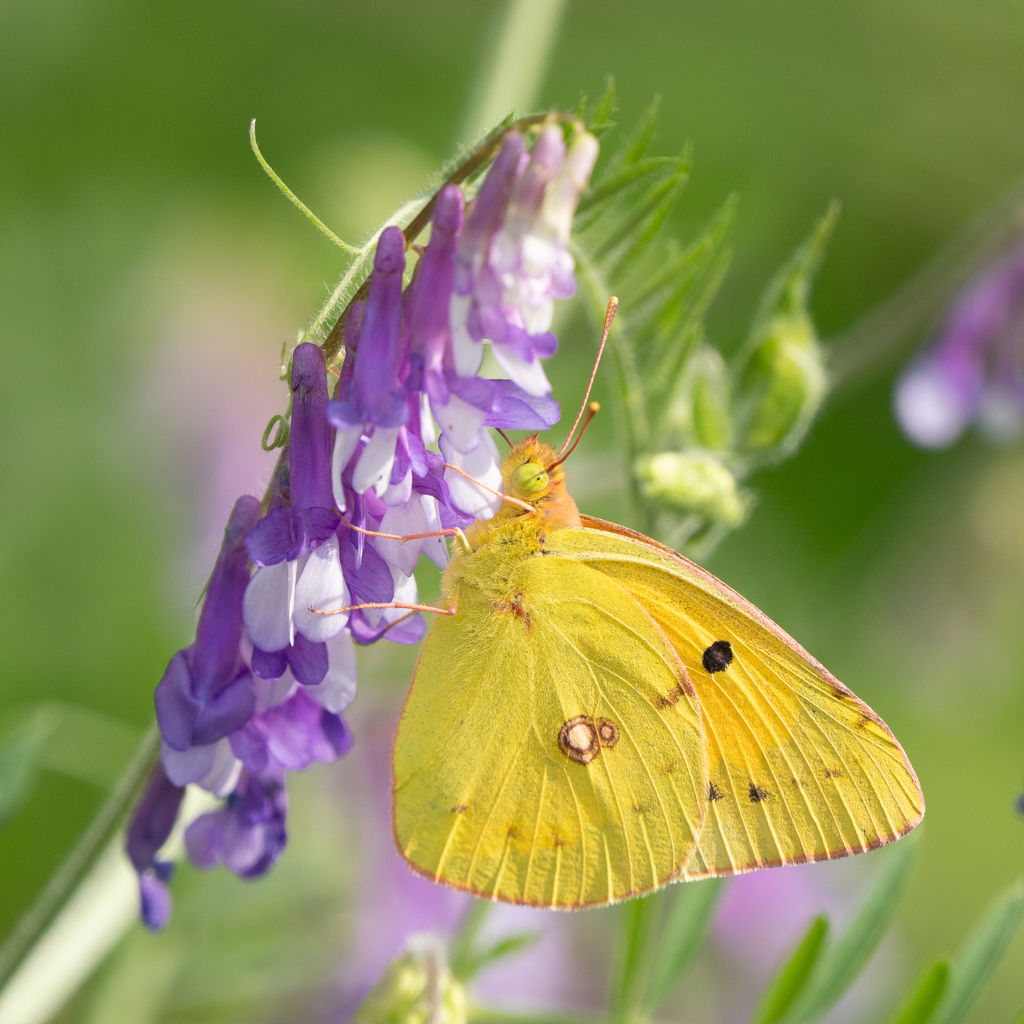
Our final stop of the day was at another roadside grassy area where we had good views of a Clouded Yellow. We then drove back to the hotel before dining for a second night at the Calypso Restaurant on the outskirts of Eselnica.
Clouded Yellow
Clouded Yellow
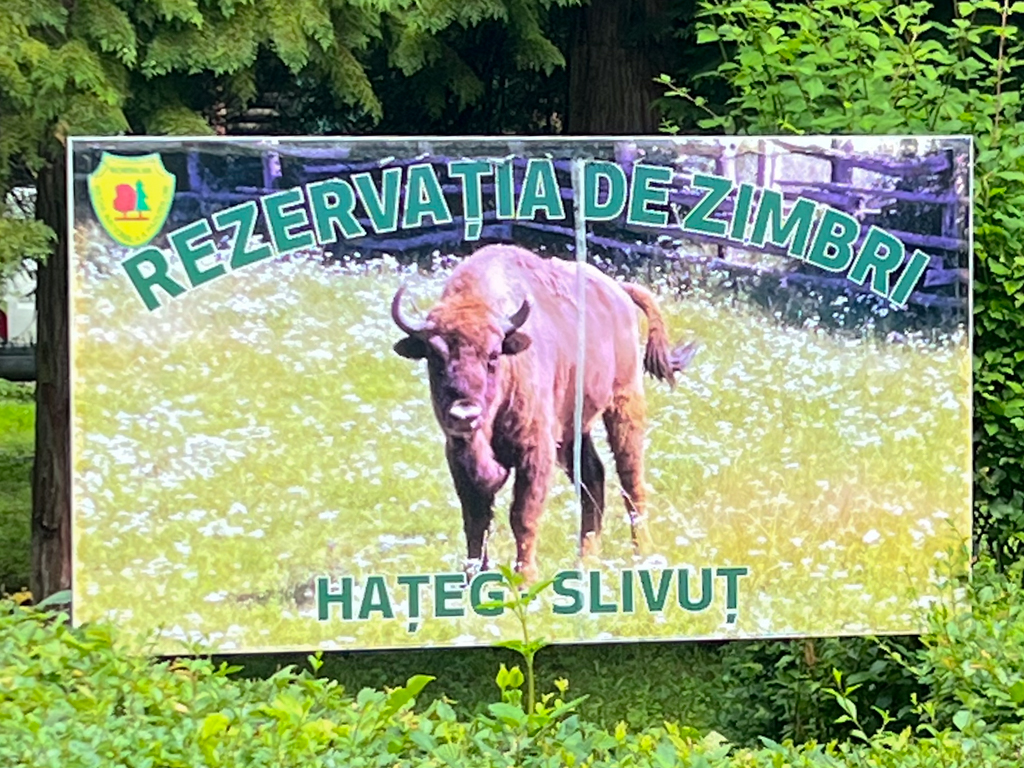
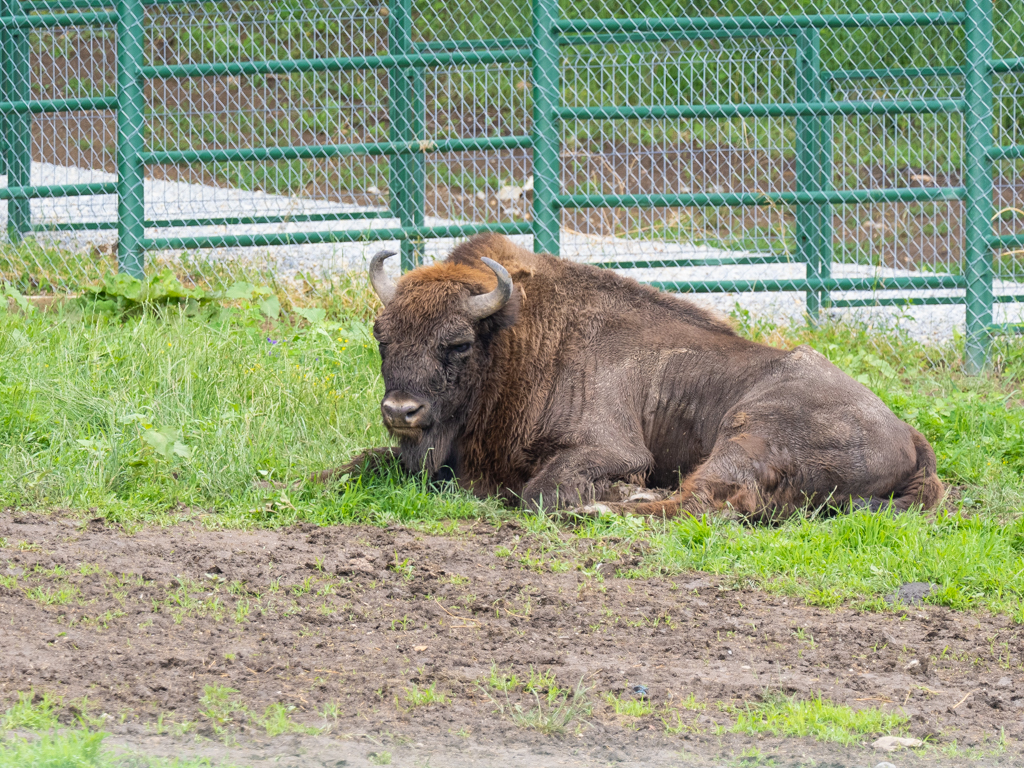
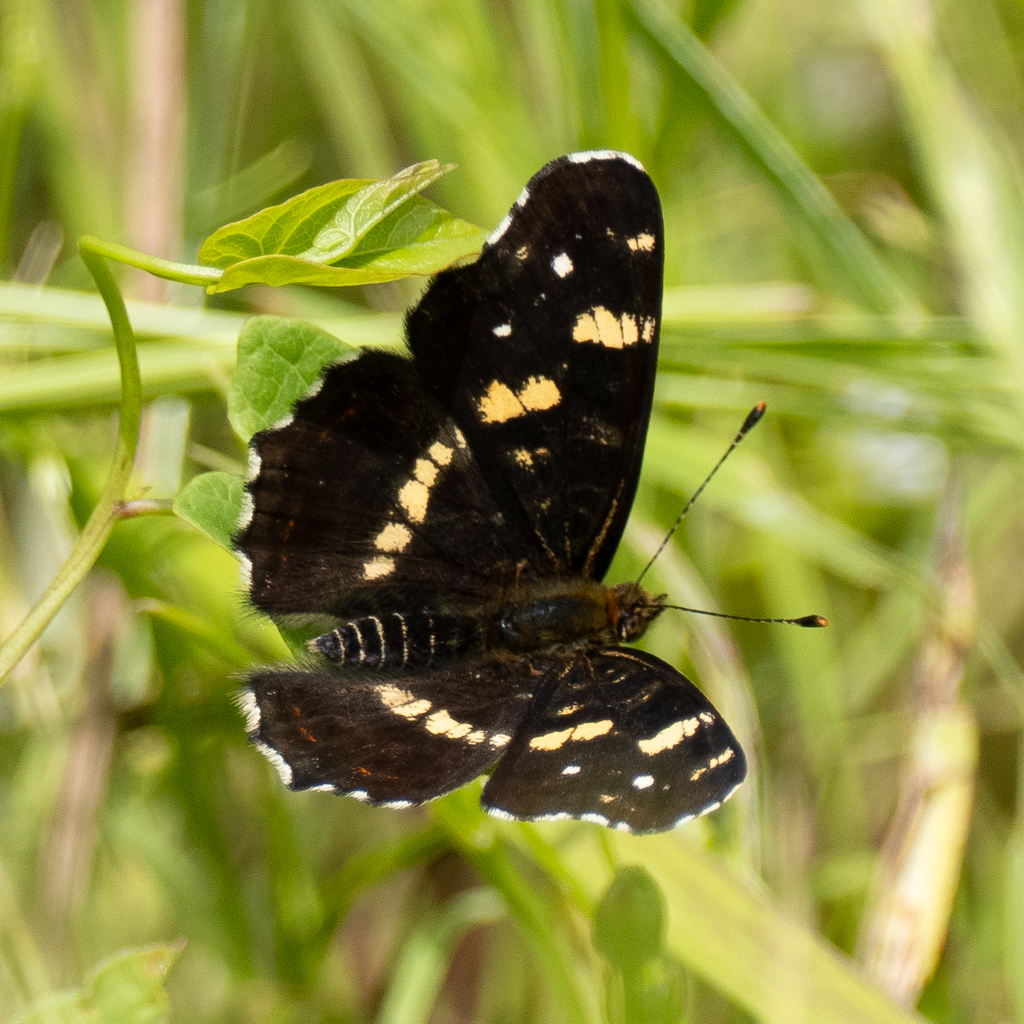
The last day of the tour was Friday 12 June and mainly involved a long drive back to Cluj. However, we did make a stop at the bison reserve at Zimbri where the animals are being breed before being released back in the wild. Here we were lucky to find a Map butterfly, which was new for the trip.
A bison at Zimbri
Map
Large Tortoiseshell
We made one final stop on the outskirts of Cluj, but it was quite windy and we only saw more Clouded Yellow and no new species. We then drove the short distance to Cluj airport where we said our farewells to Lajos, who had done an outstanding job in guiding us throughout the week, enabling us to see over 100 butterfly species.