After meeting at Cluj airport we stopped to collect some food for a late lunch and set off for our first butterfly destination, which was the spectacular Turda gorge.
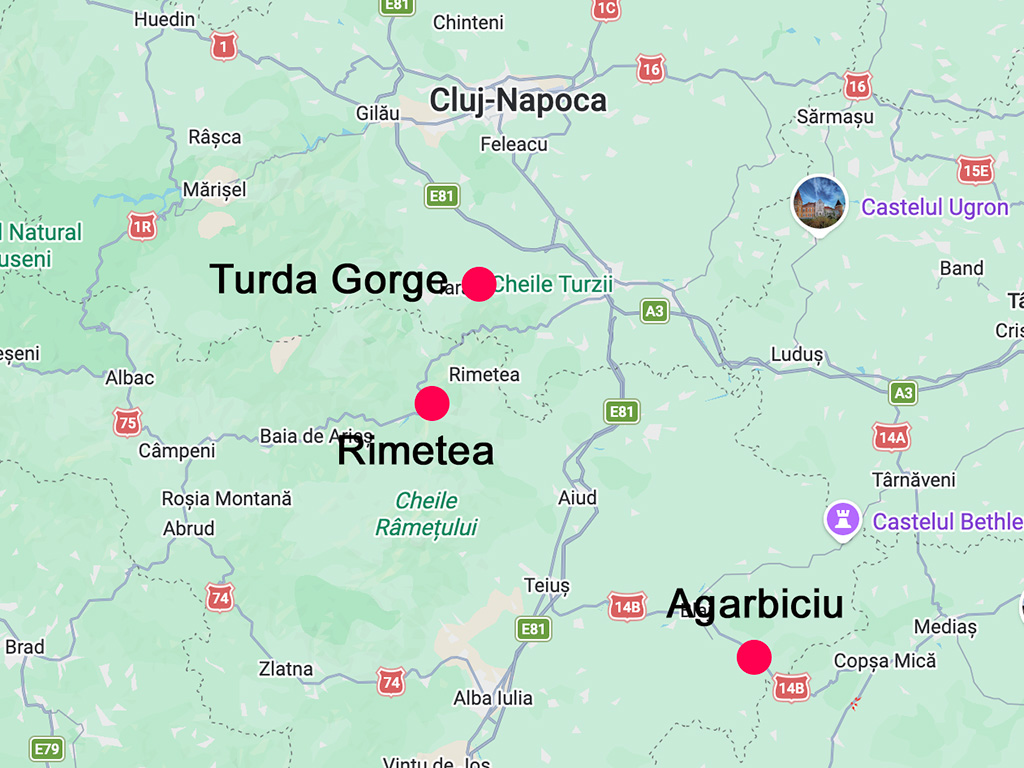
A map showing the sites we visited near Cluj
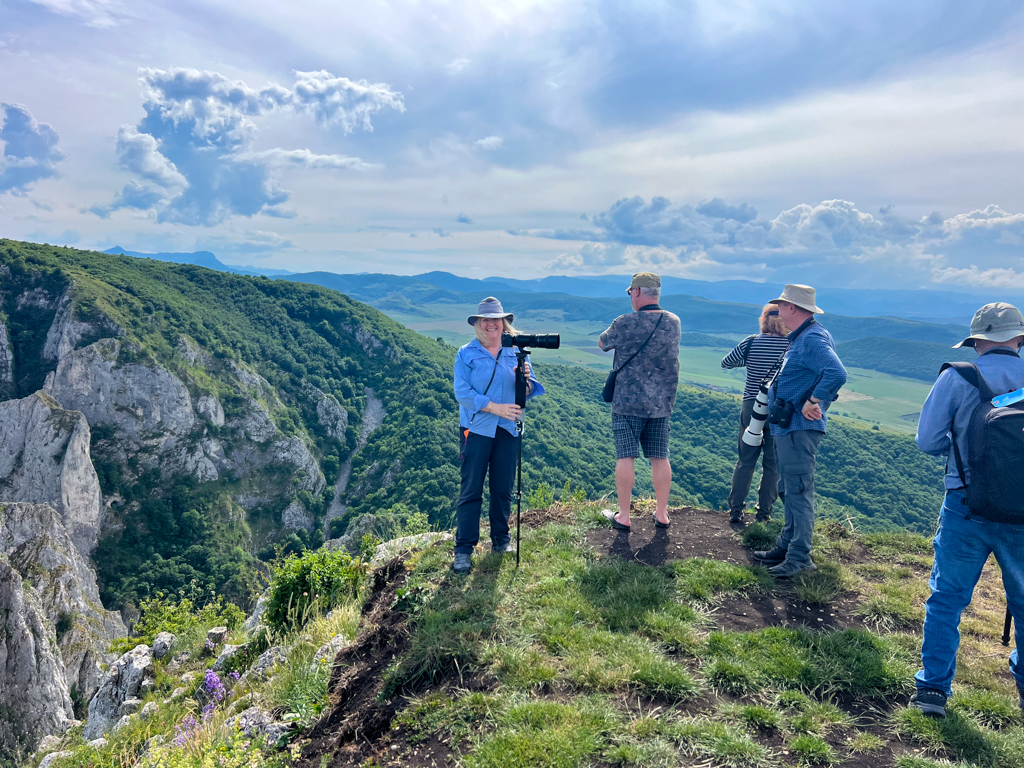
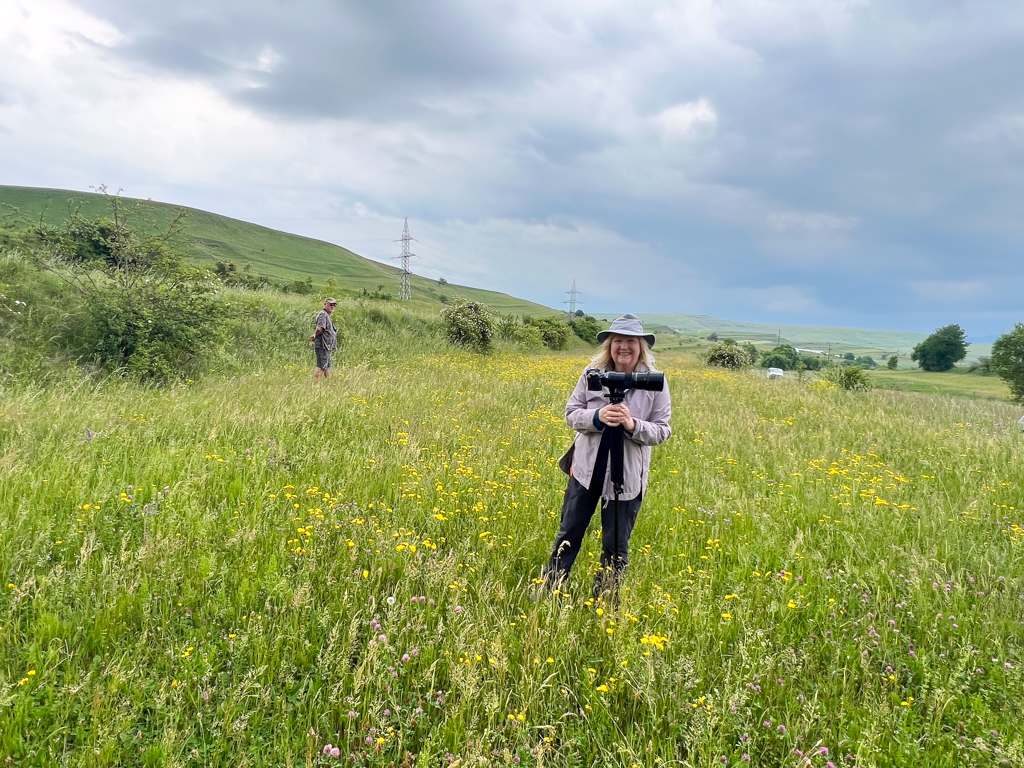
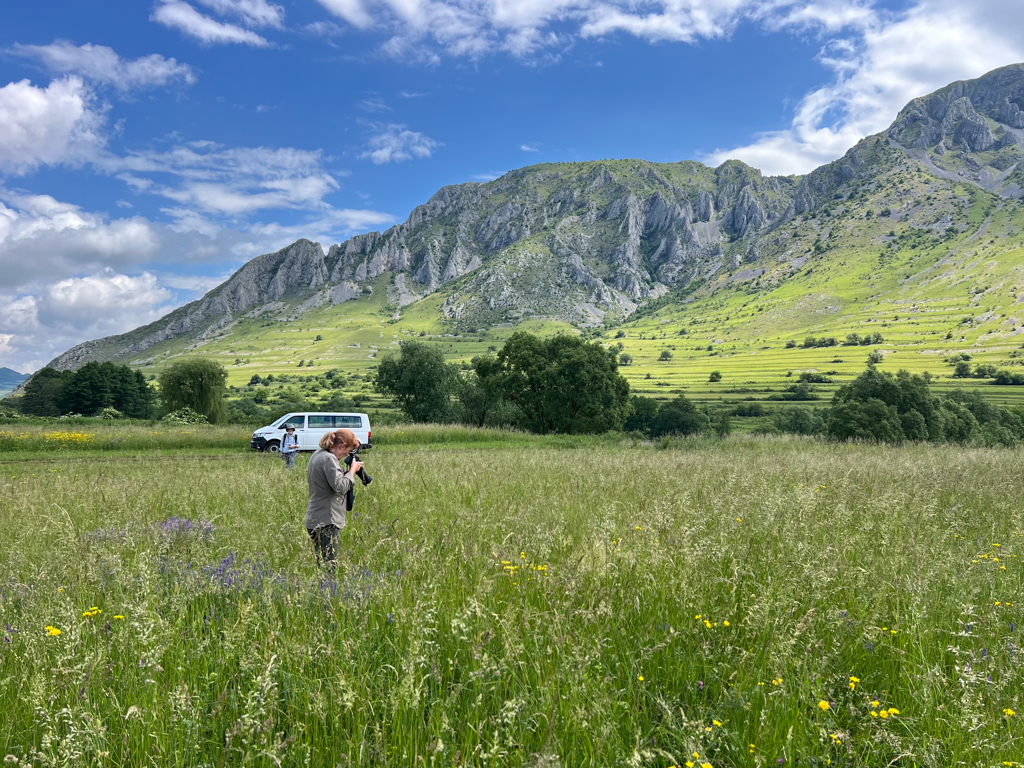
The group at Turda Gorge
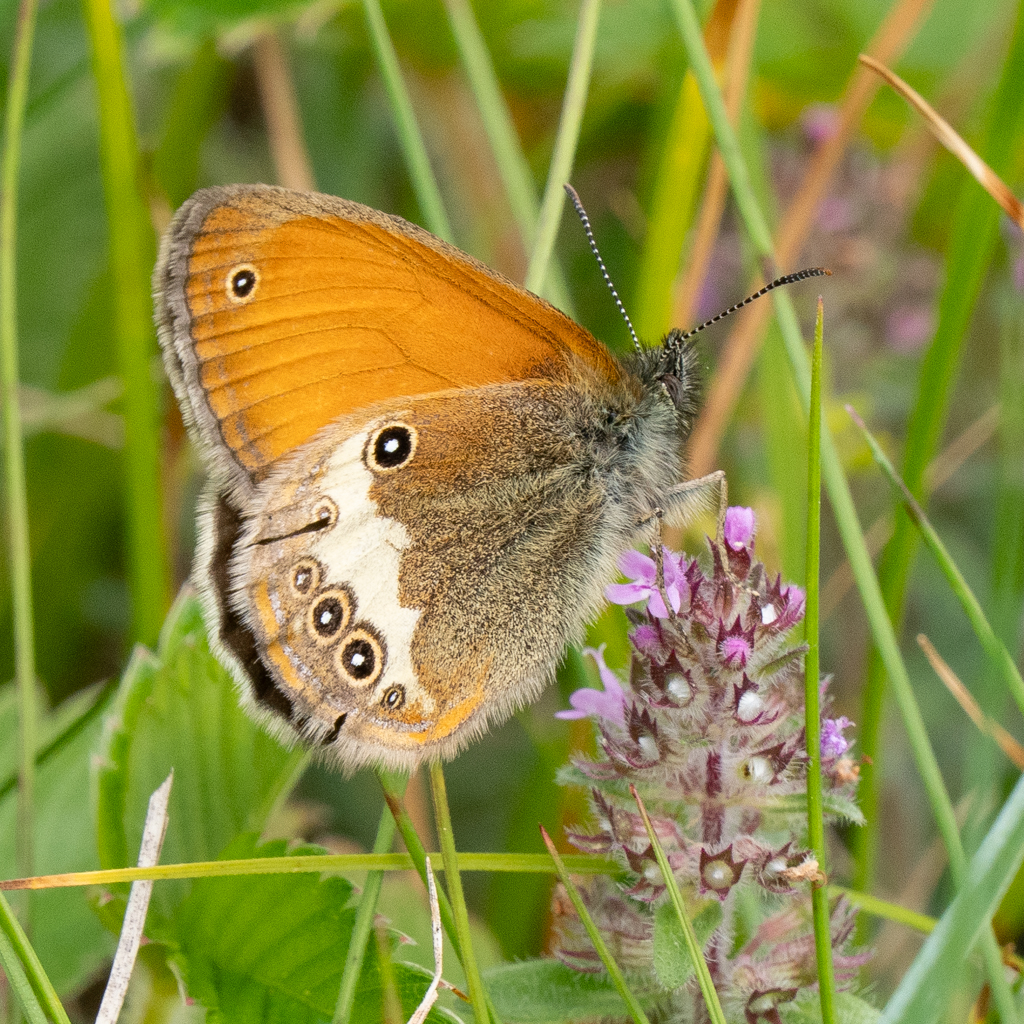
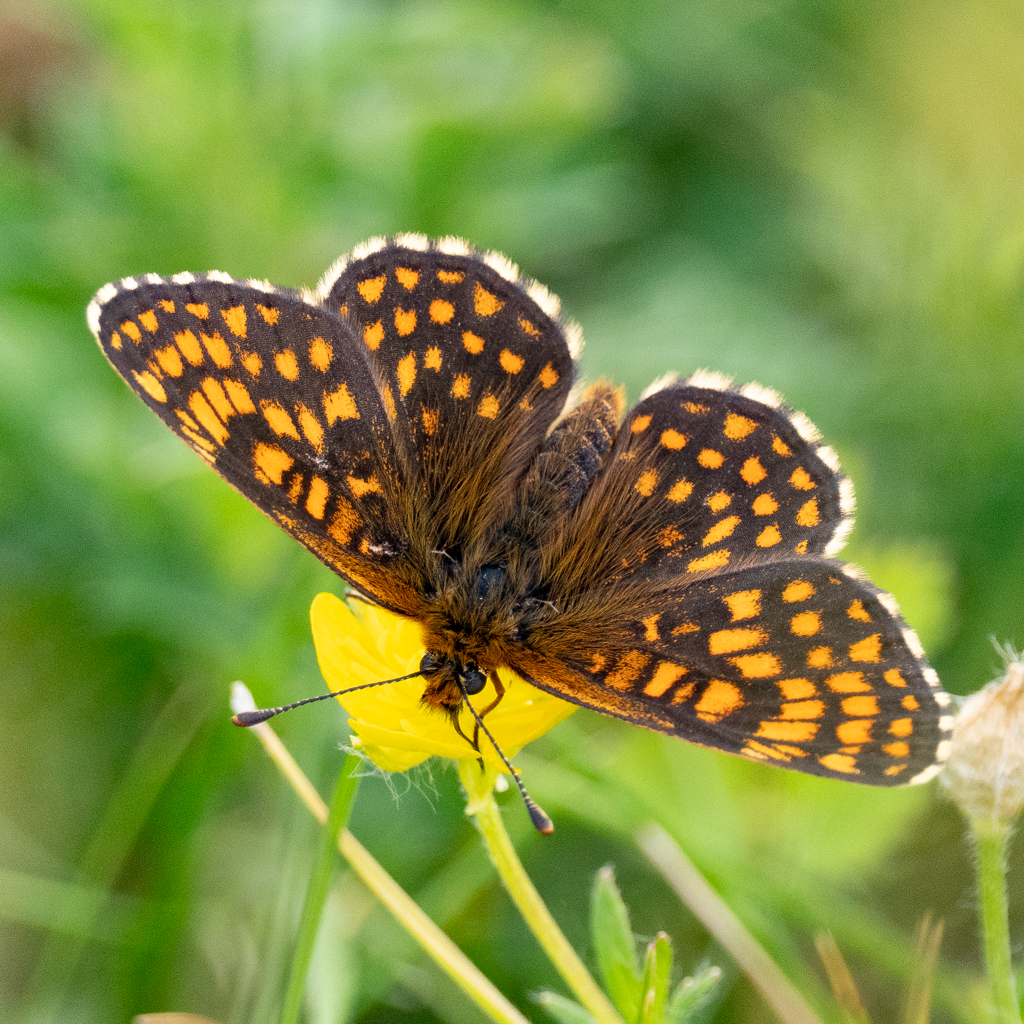
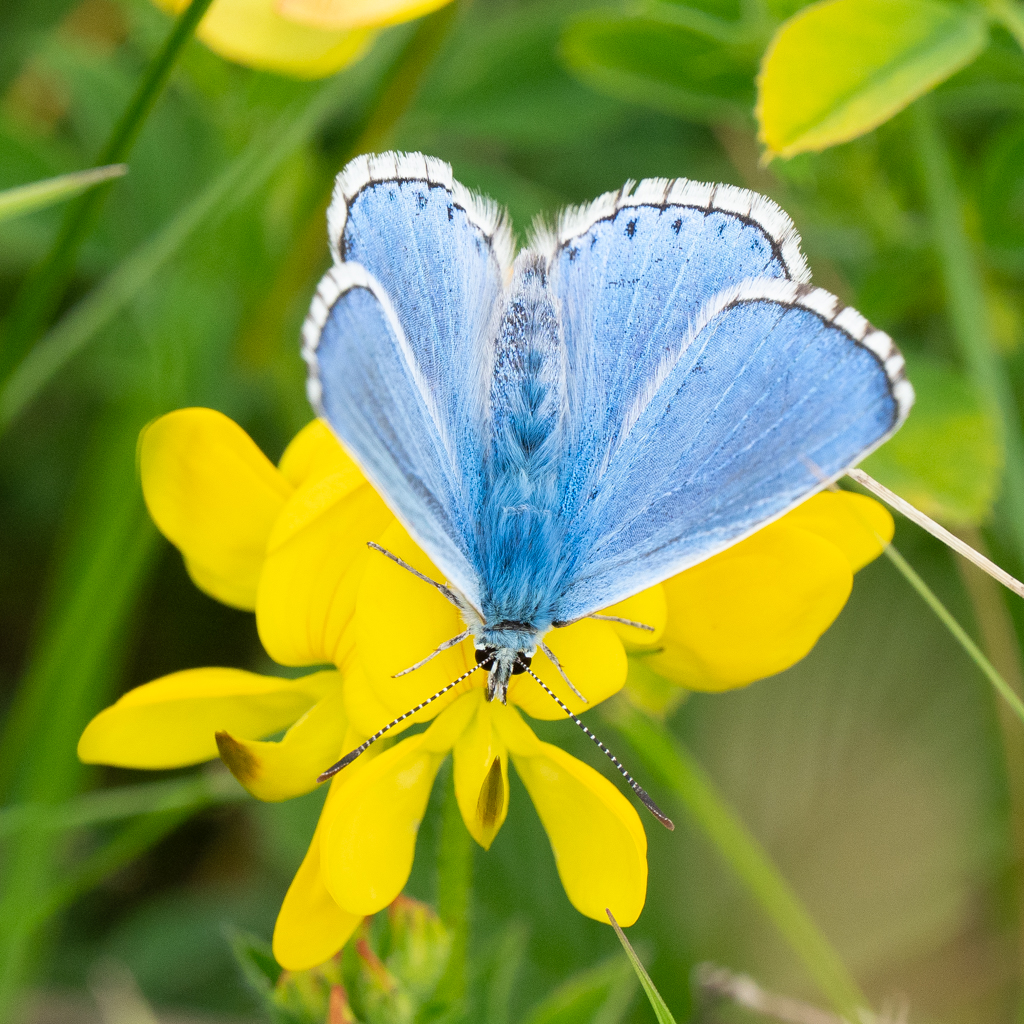
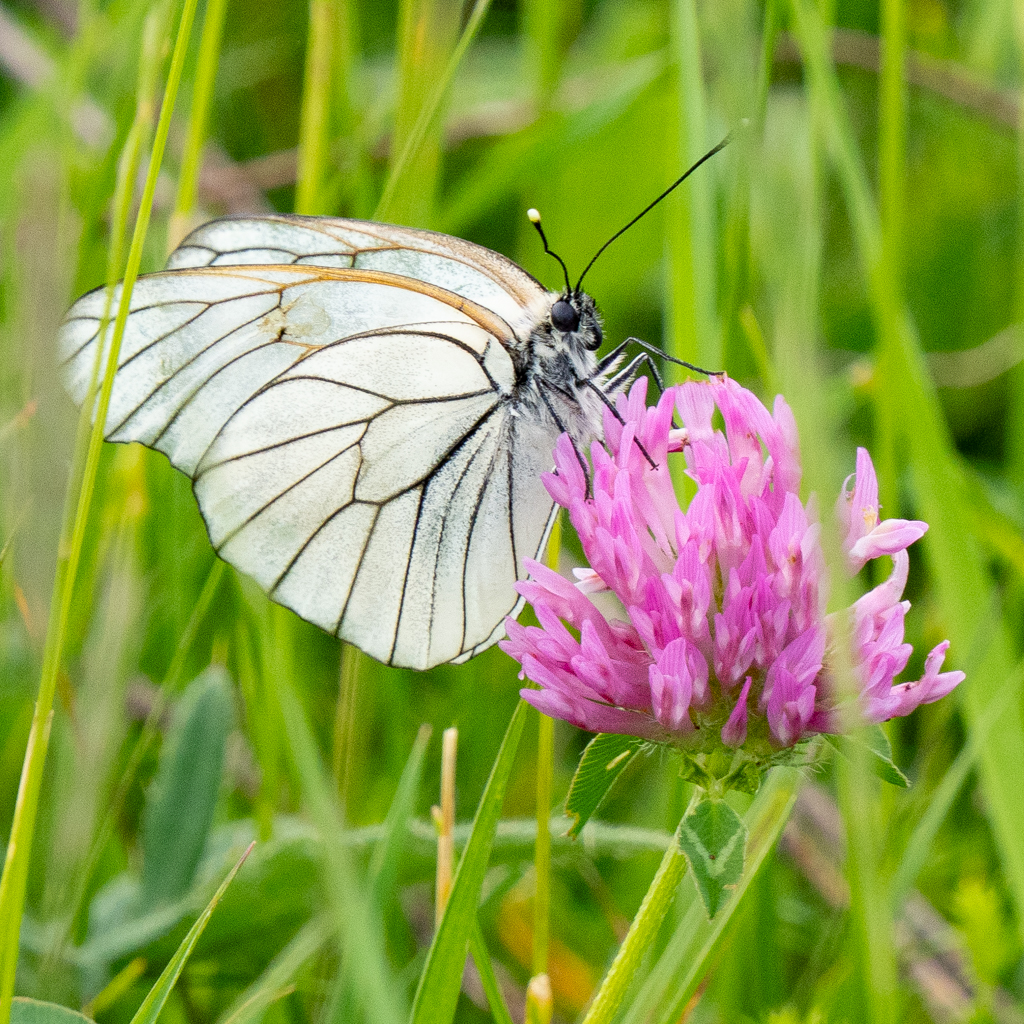
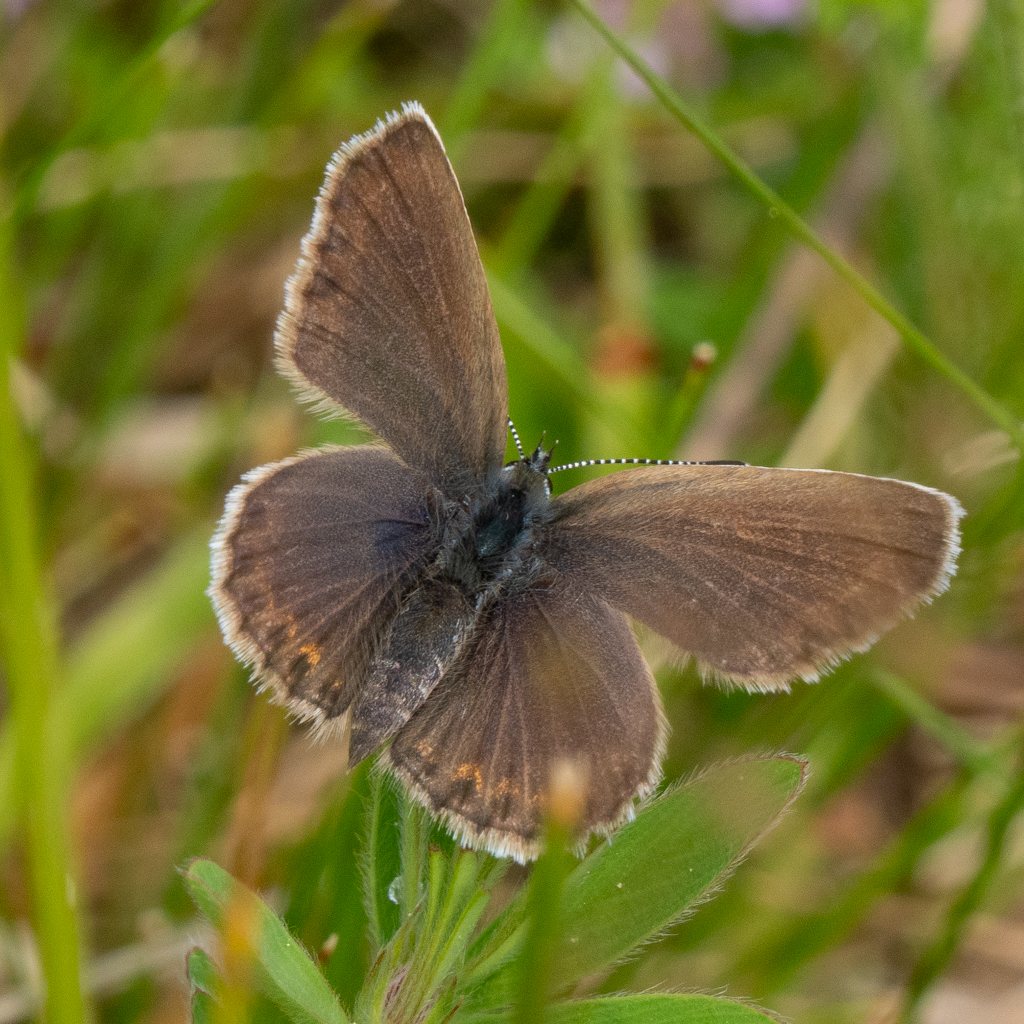
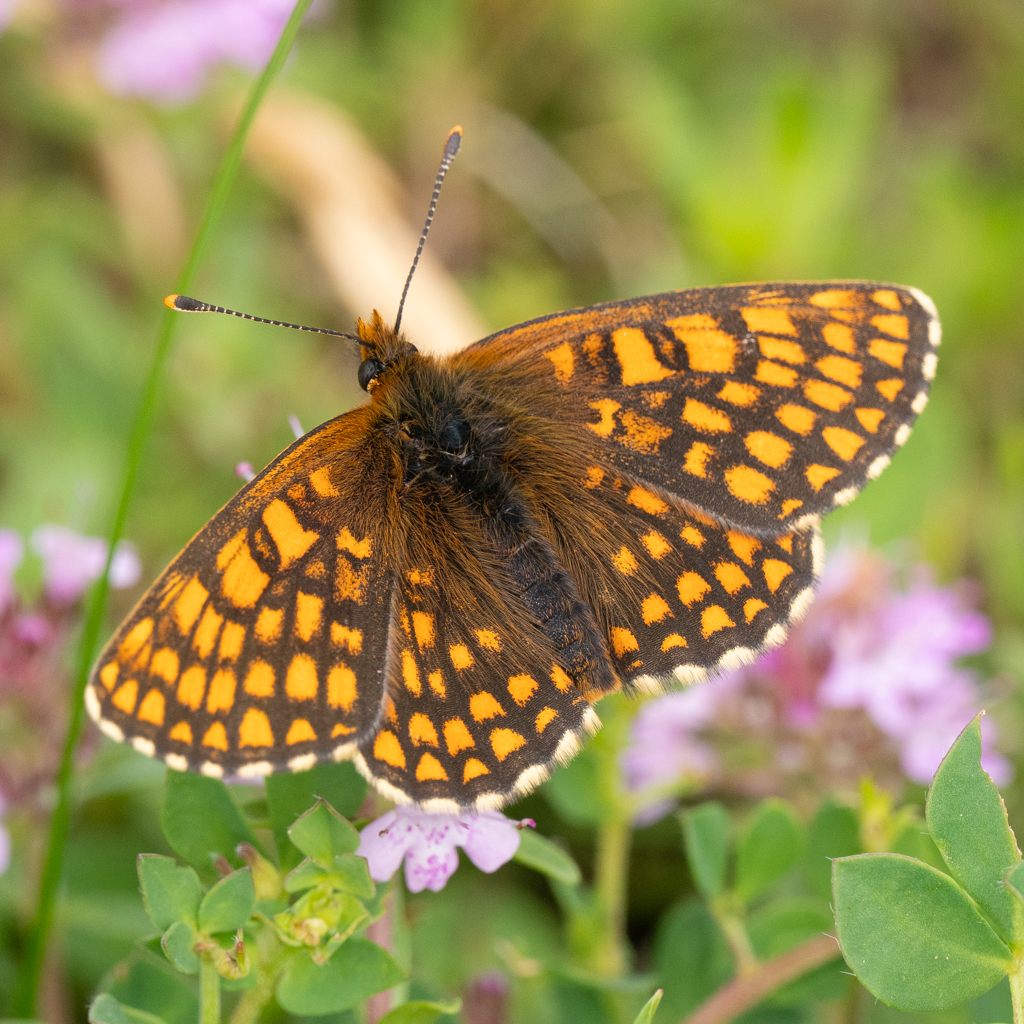
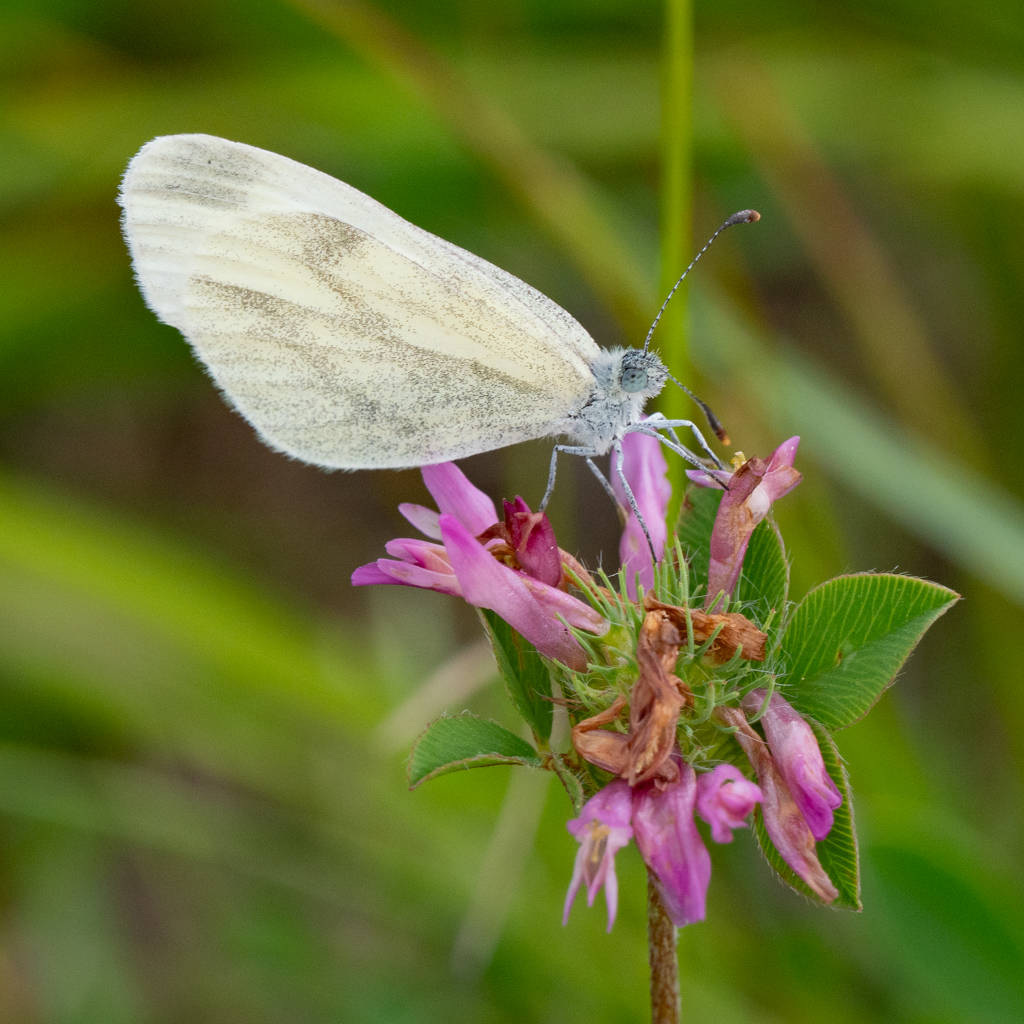
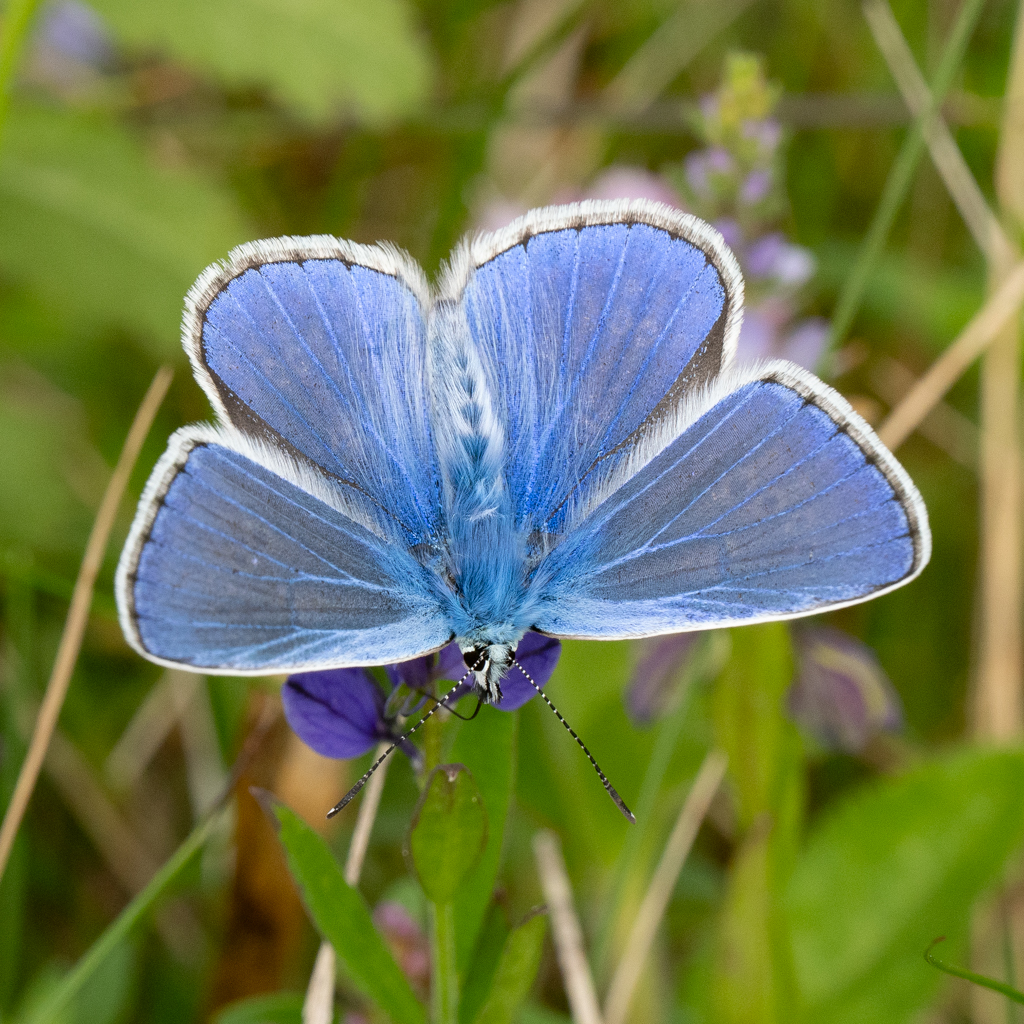
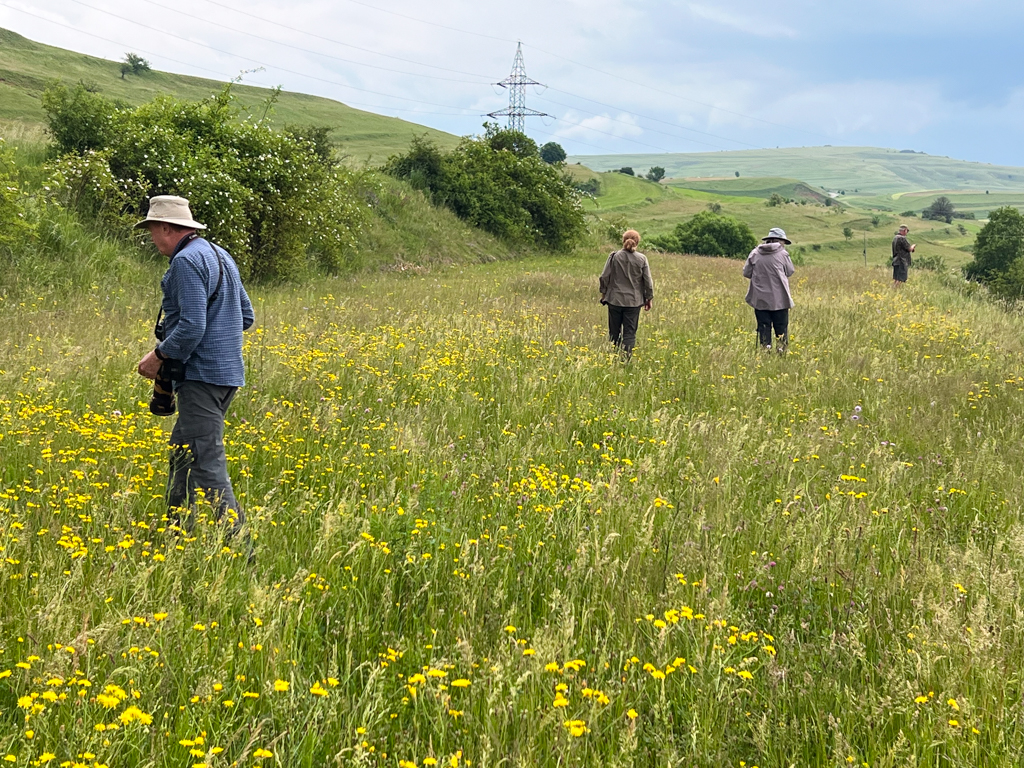
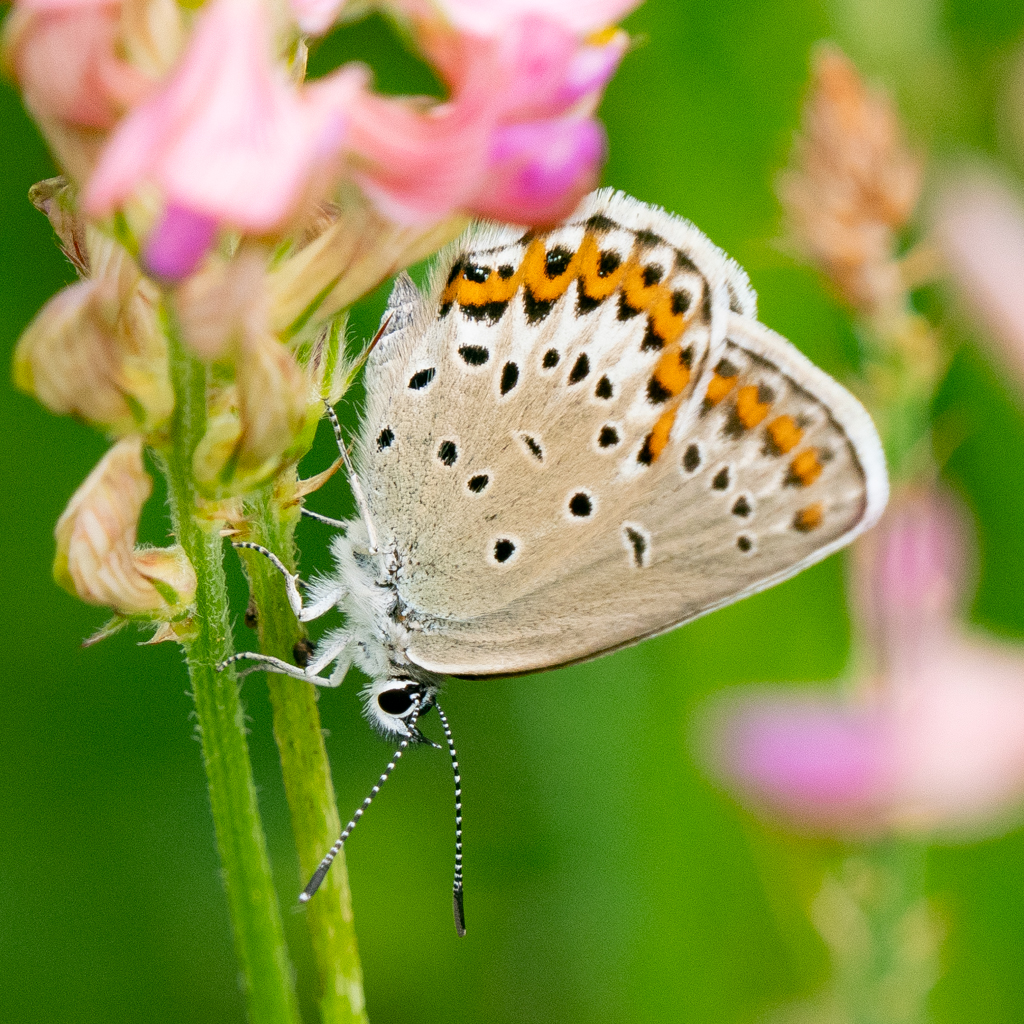
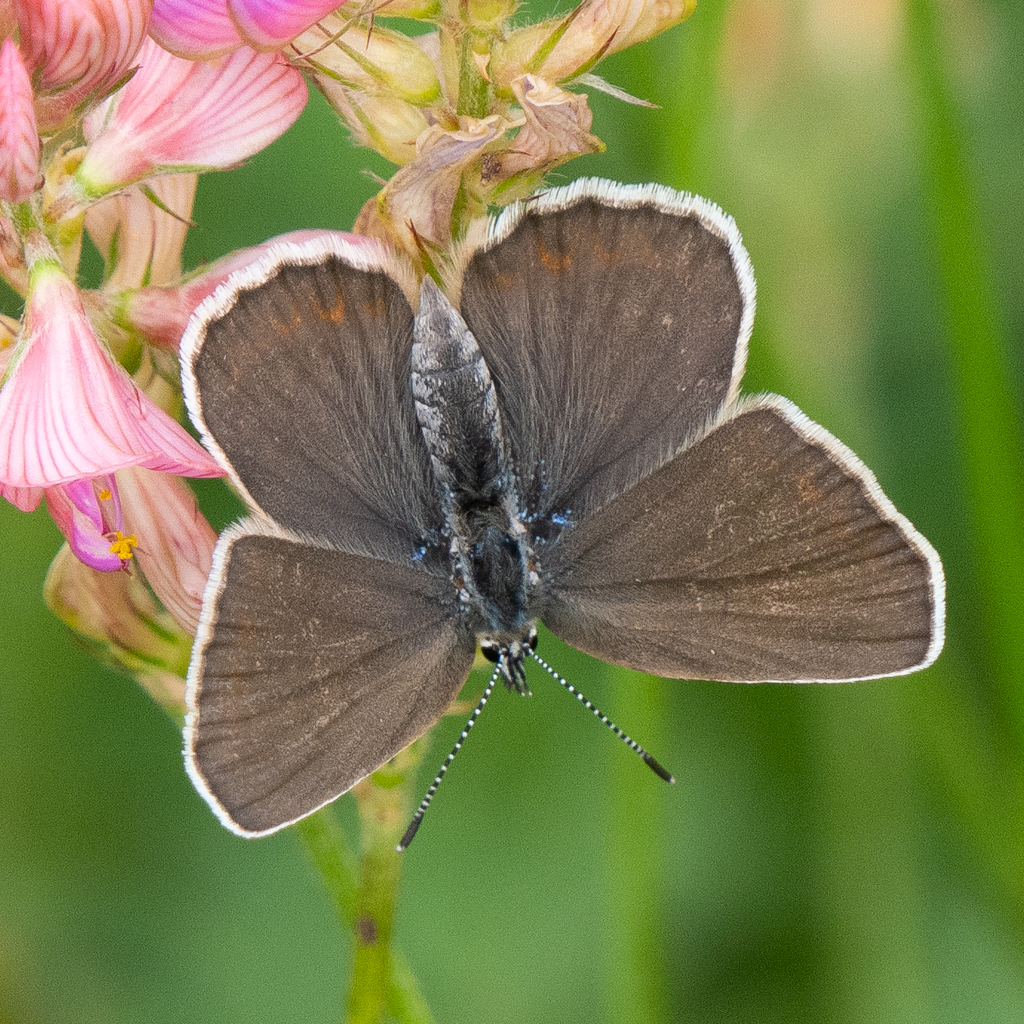
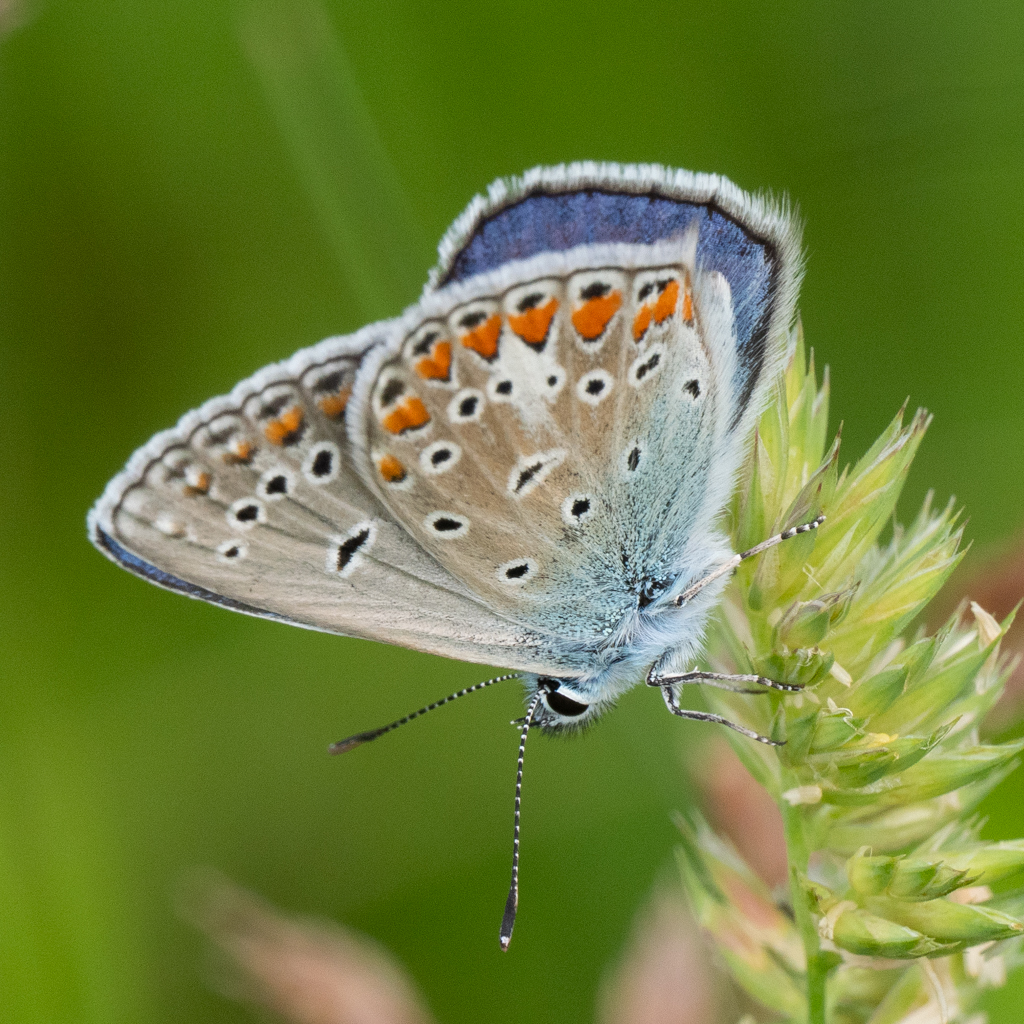
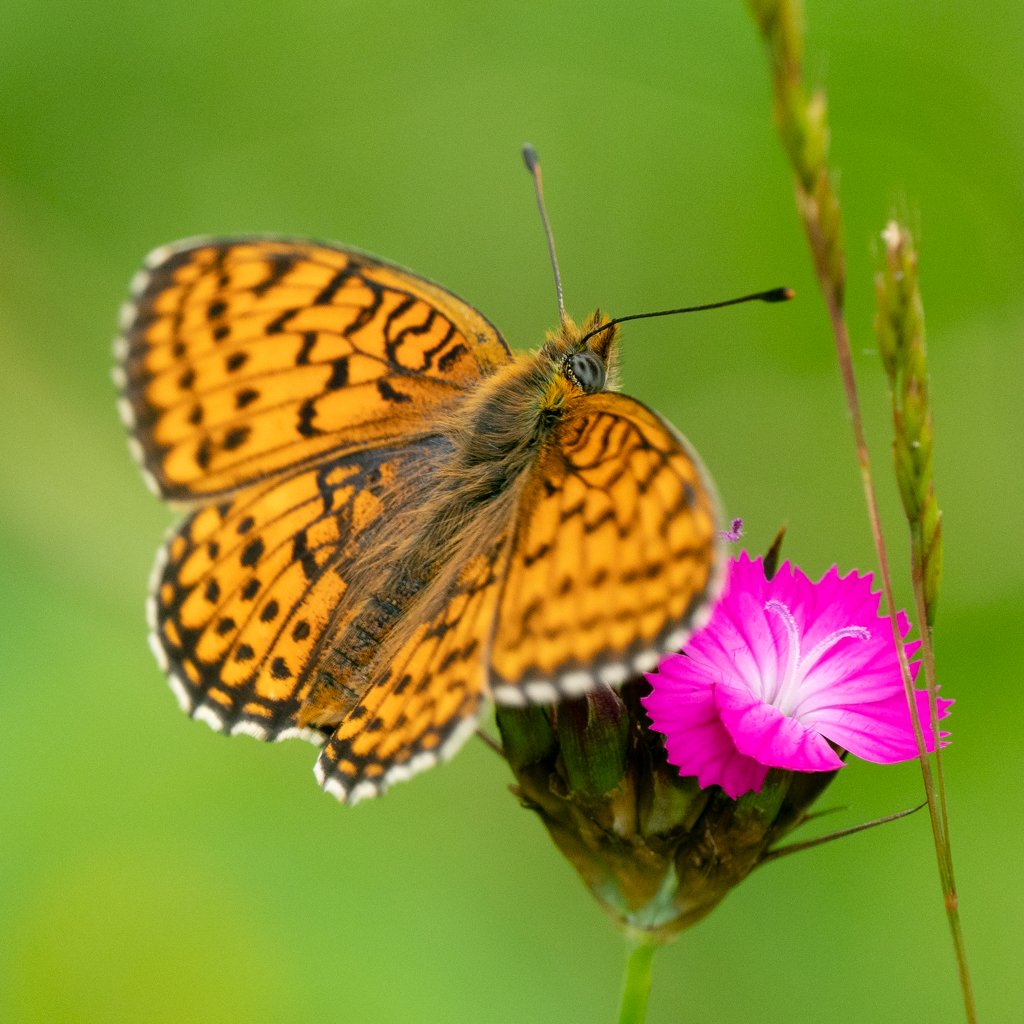
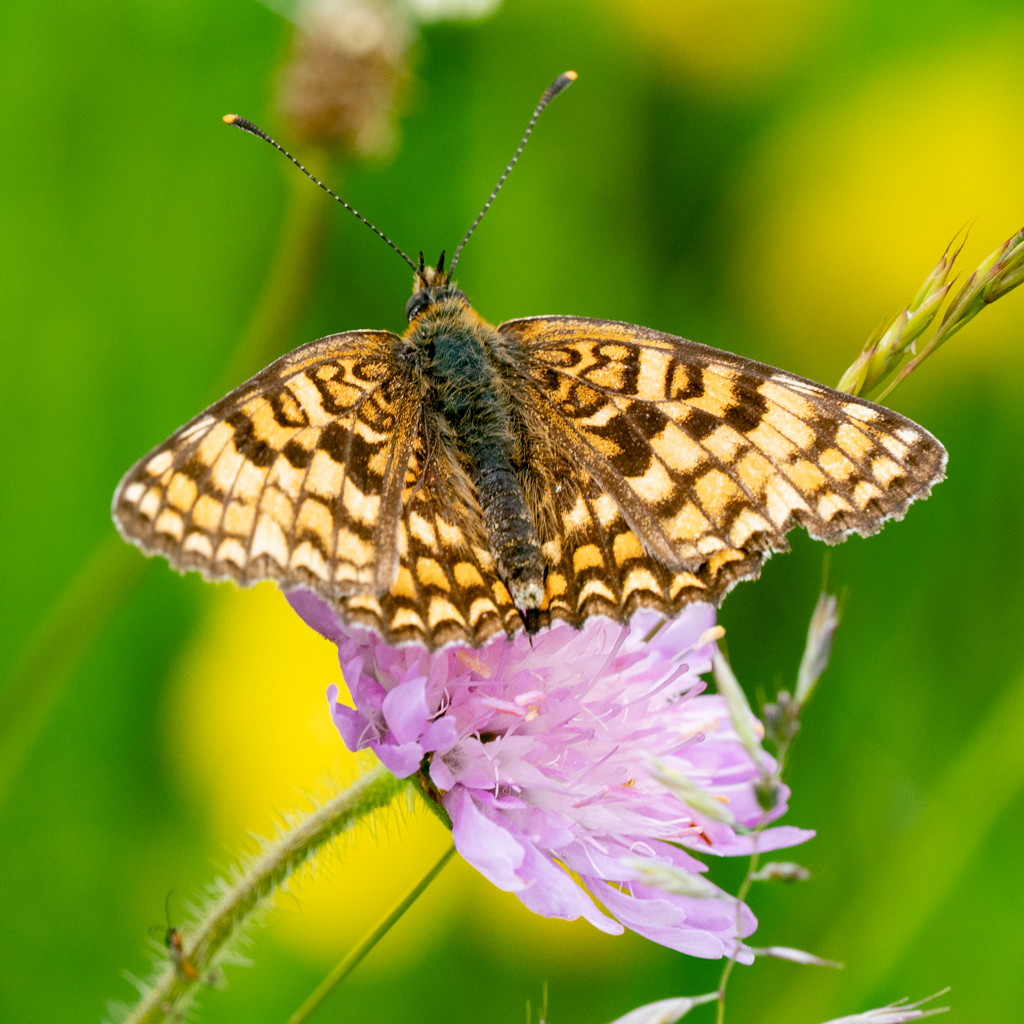
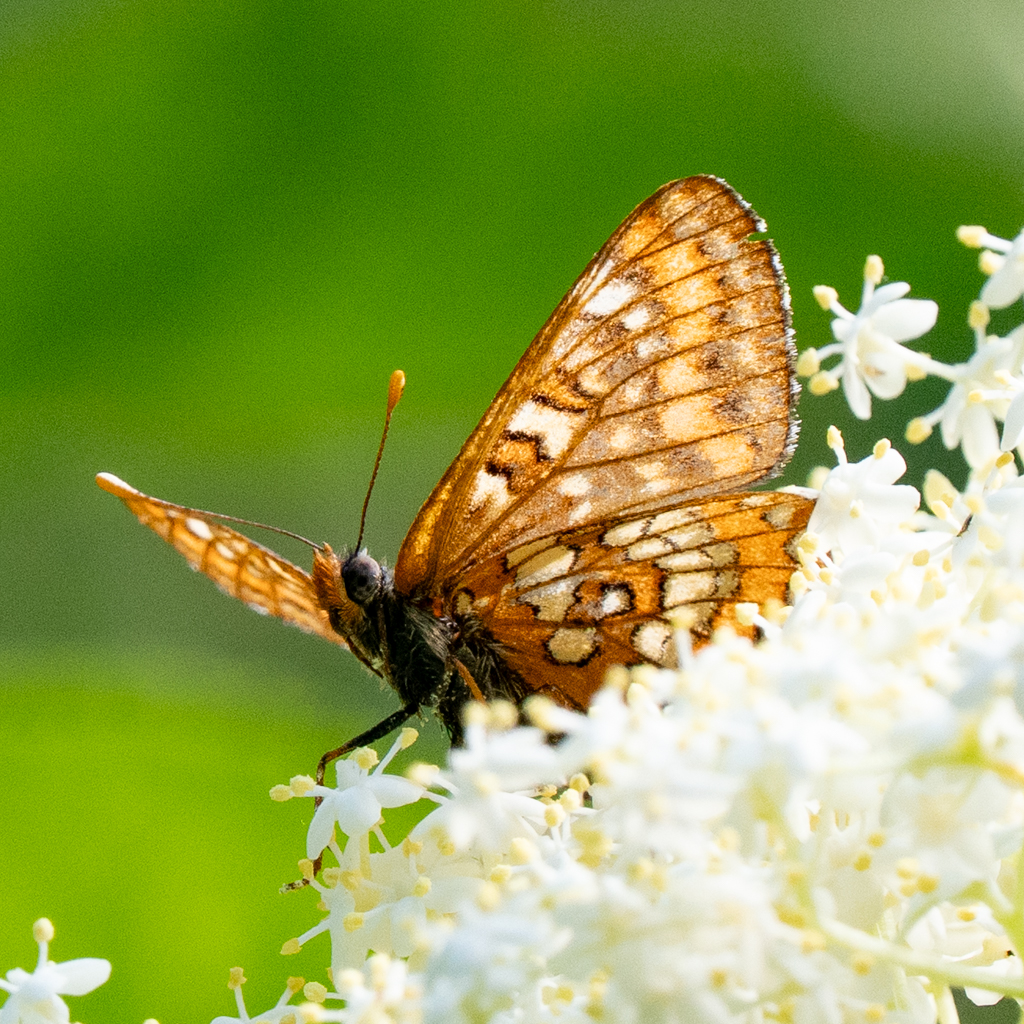
Turda Gorge is a breathtaking site, with the gorge cutting through an extensive ridge of Jurassic limestone. Here we spent several hours observing the butterflies on the beautiful meadows. We were familiar with a few of the species, including Common Blue, Brown Argus and Small Heath, but most butterflies were new to us, including Heath Fritillary, Pearly Heath, Nickerl’s Fritillary, Adonis Blue, Blue-spot Hairstreak and Black-veined White.
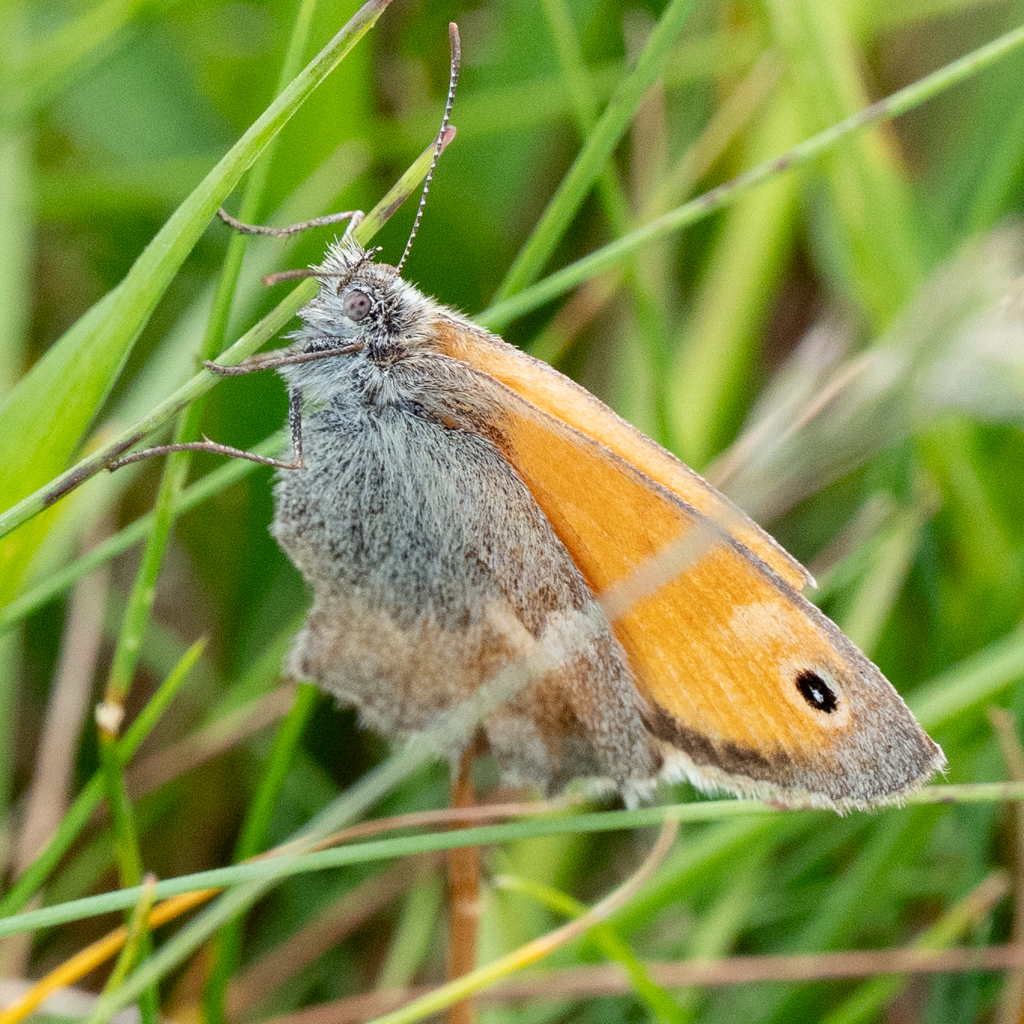
Small Heath
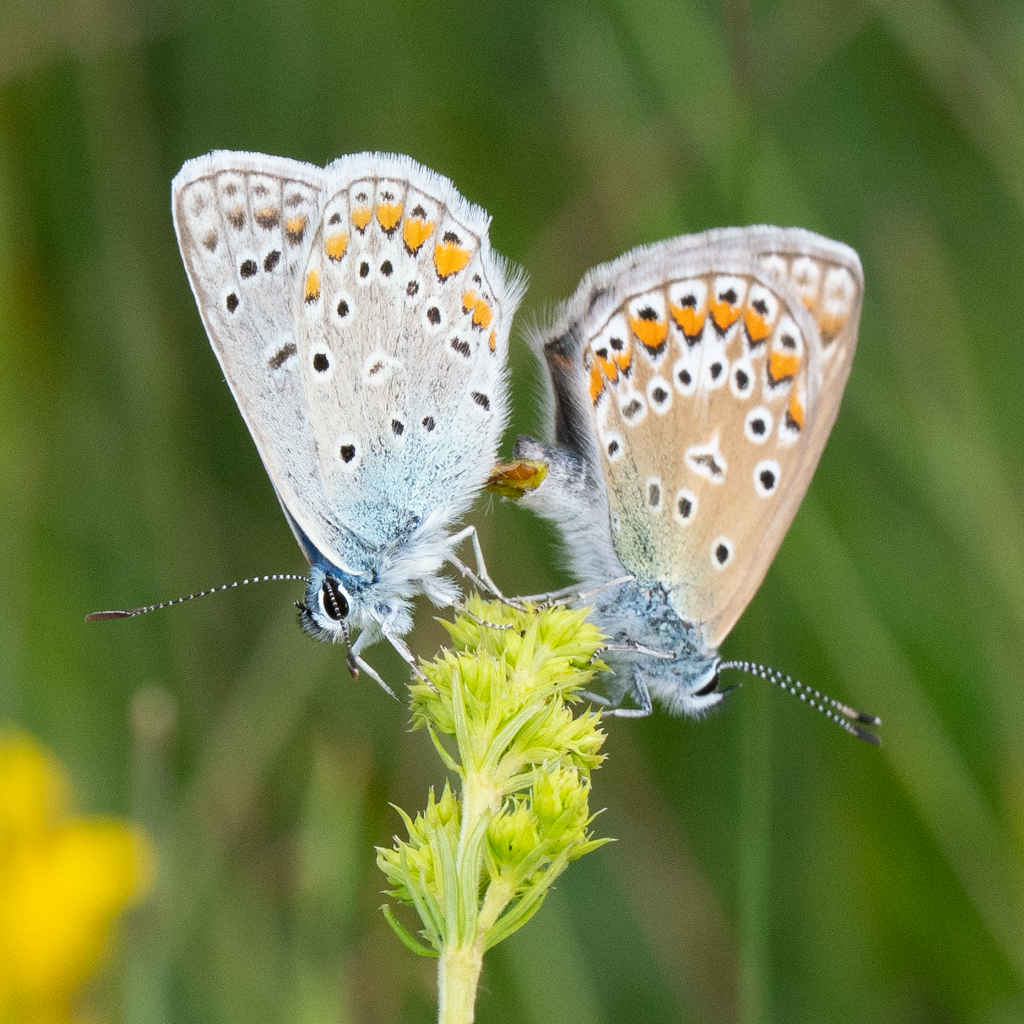
Common Blue
Pearly Heath
Nickerl's Fritillary
Adonis Blue
Black-veined White
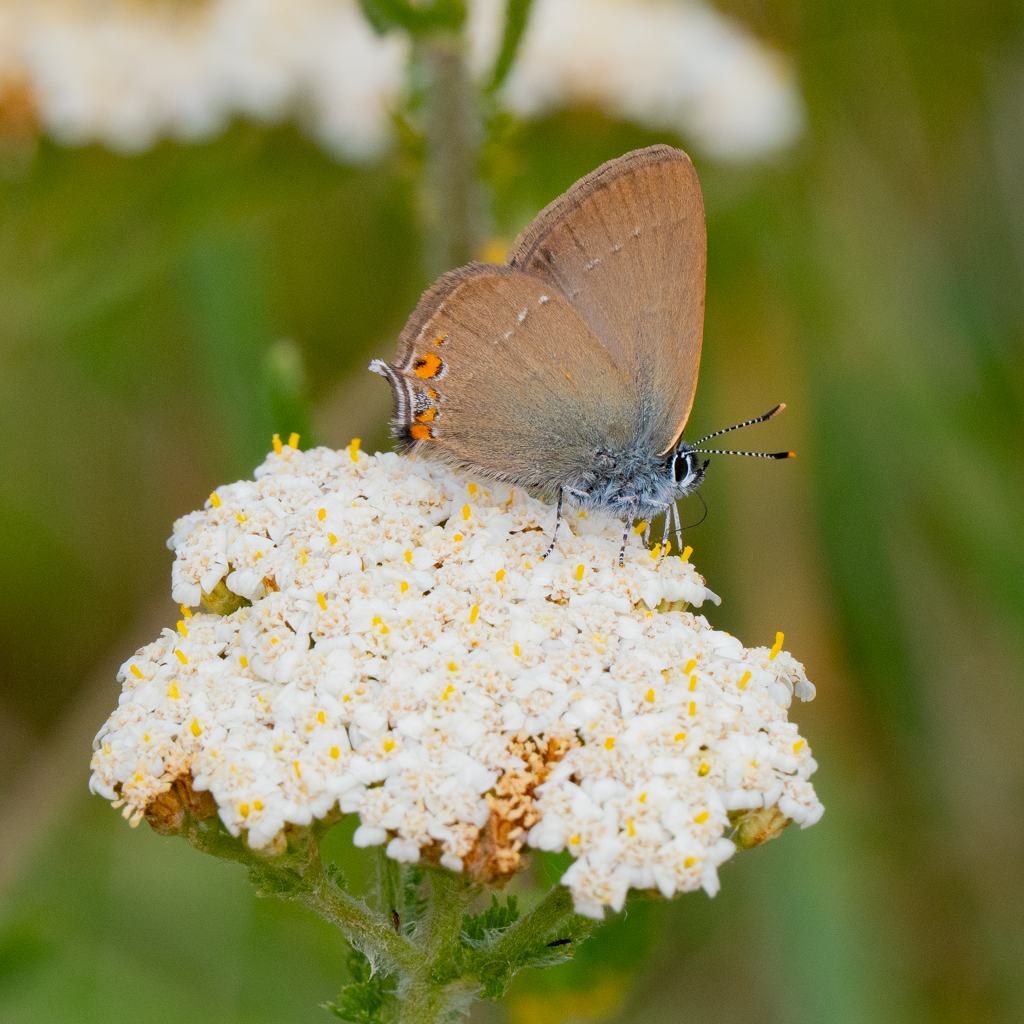
Blue-spot Hairstreak
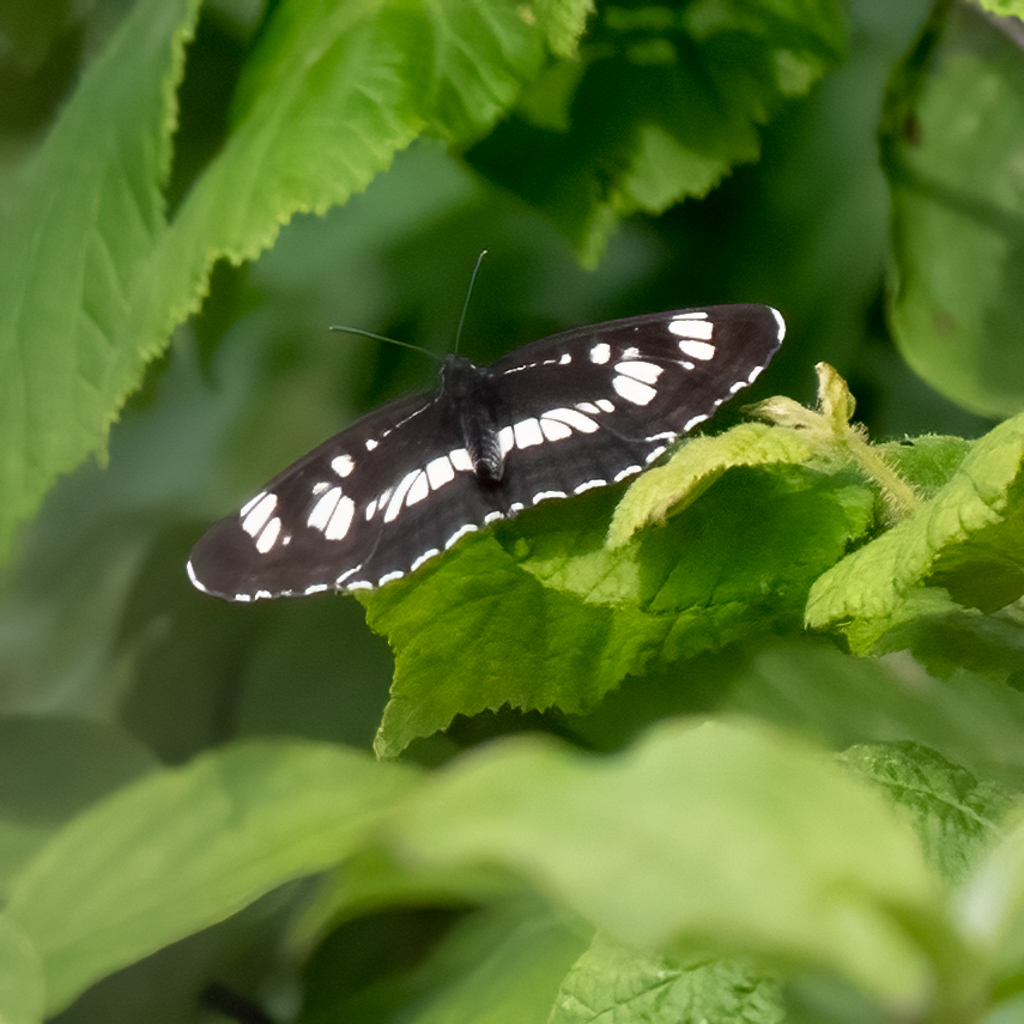
Hungarian Glider
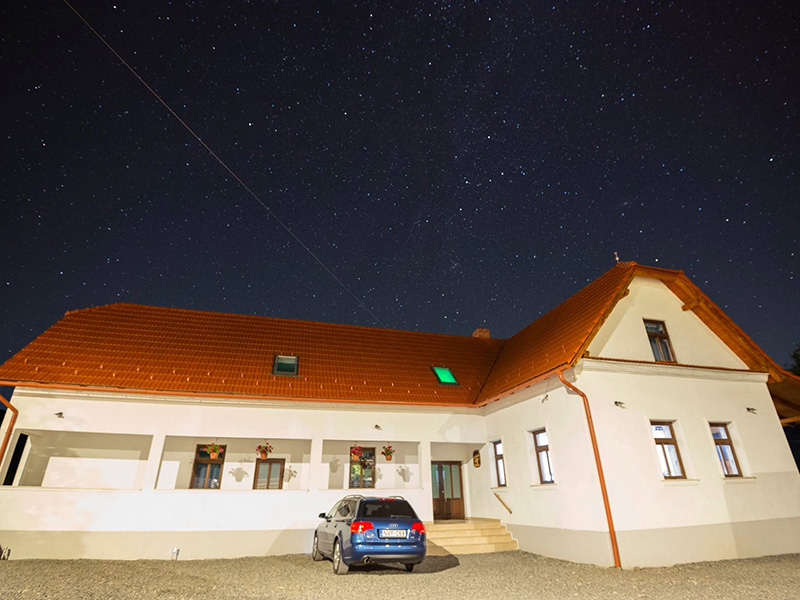
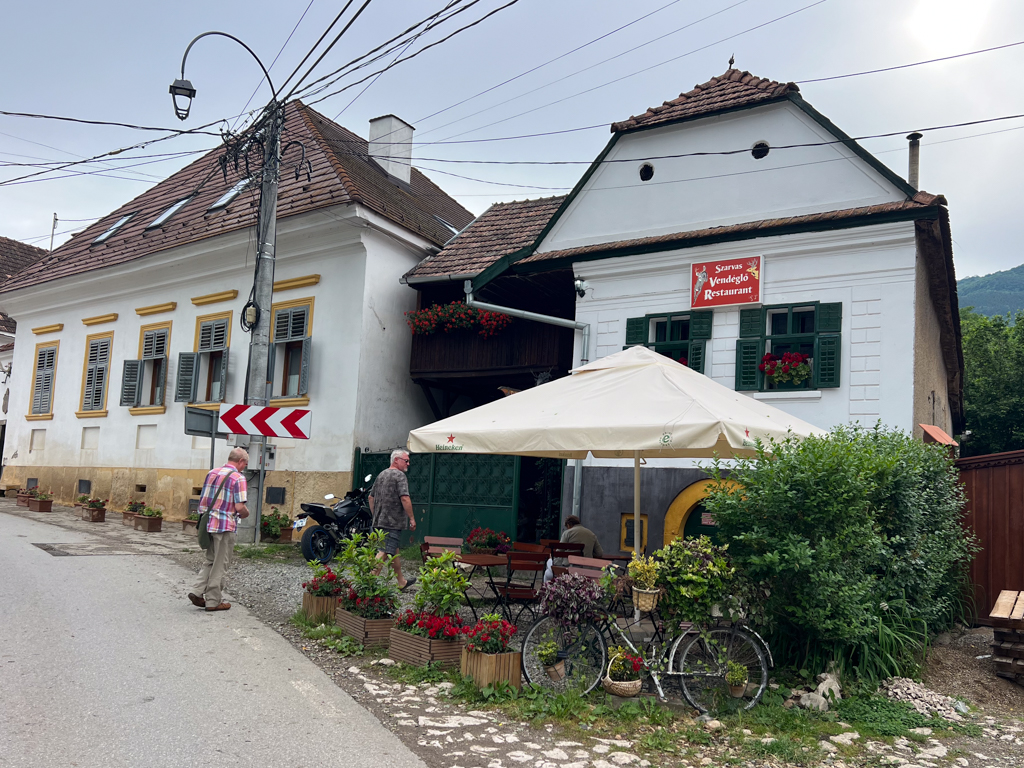
We then drove to the village of Rimetea where we stayed at the Penslunea Hamor for three nights. Dining opportunities are very limited in Rimetea, so we spent two evenings at the Szarvas Vendeglo restaurant, the only restaurant in the village.
The Penslunea Hamor
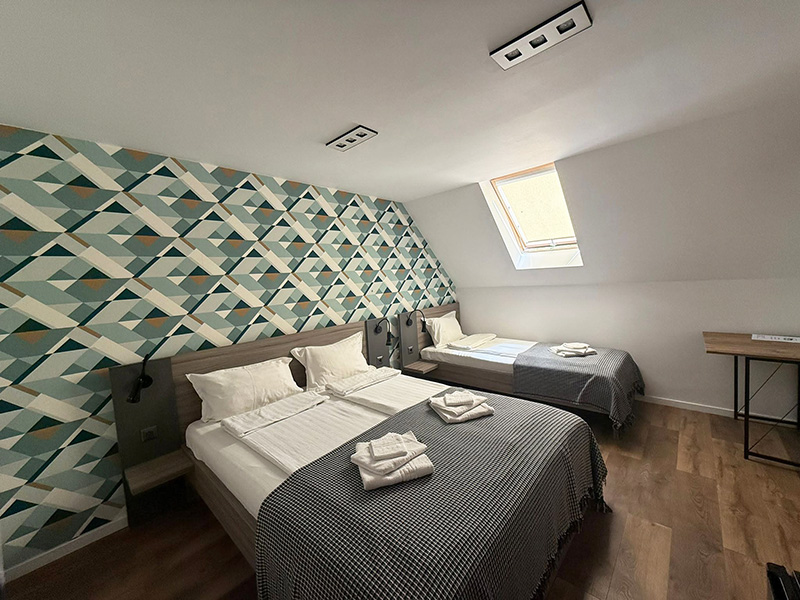
Our room at the hotel
The Szarvas Vendeglo Restaurant
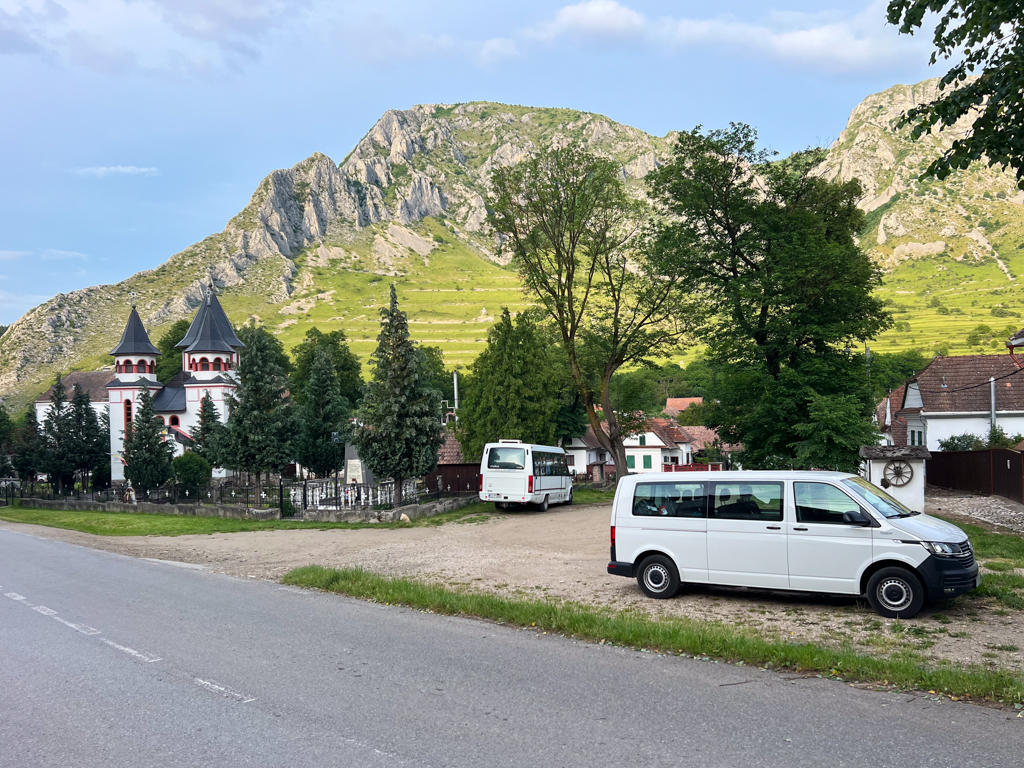
Rimetea
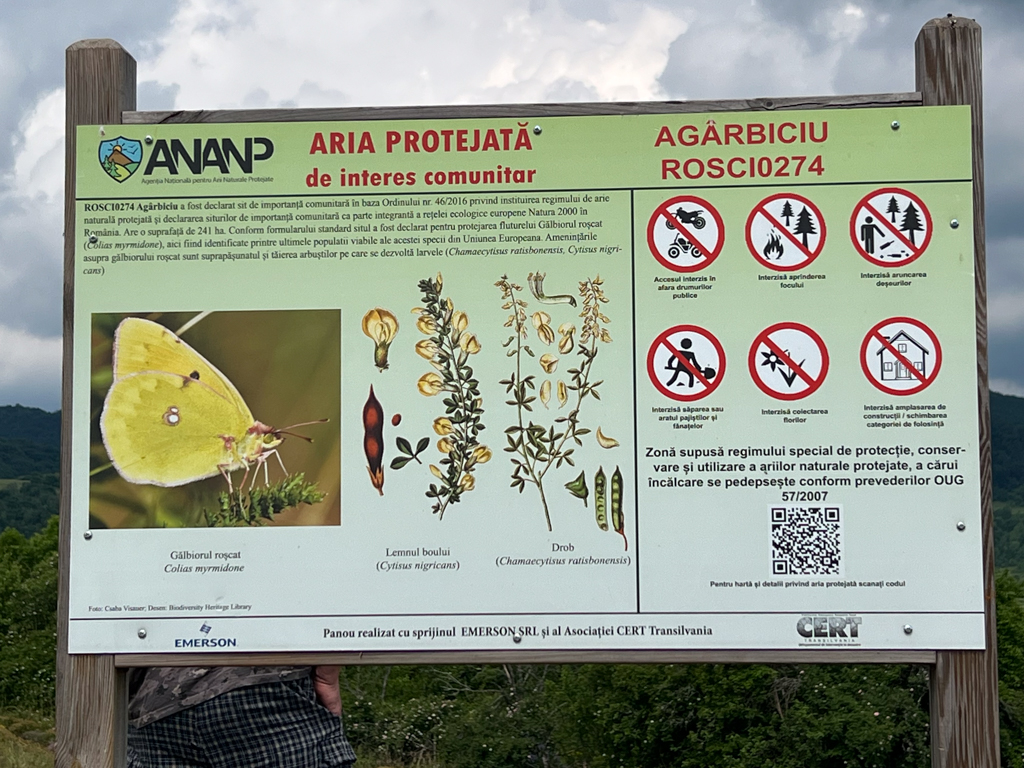
We had two full days to search for butterflies in the area south of Cluj and we started 6 June by driving to Agarbiciu, with the main target being the critically endangered Danube Clouded Yellow.
Agarbiciu is well known for hosting the Danube Clouded Yellow
Agarbiciu
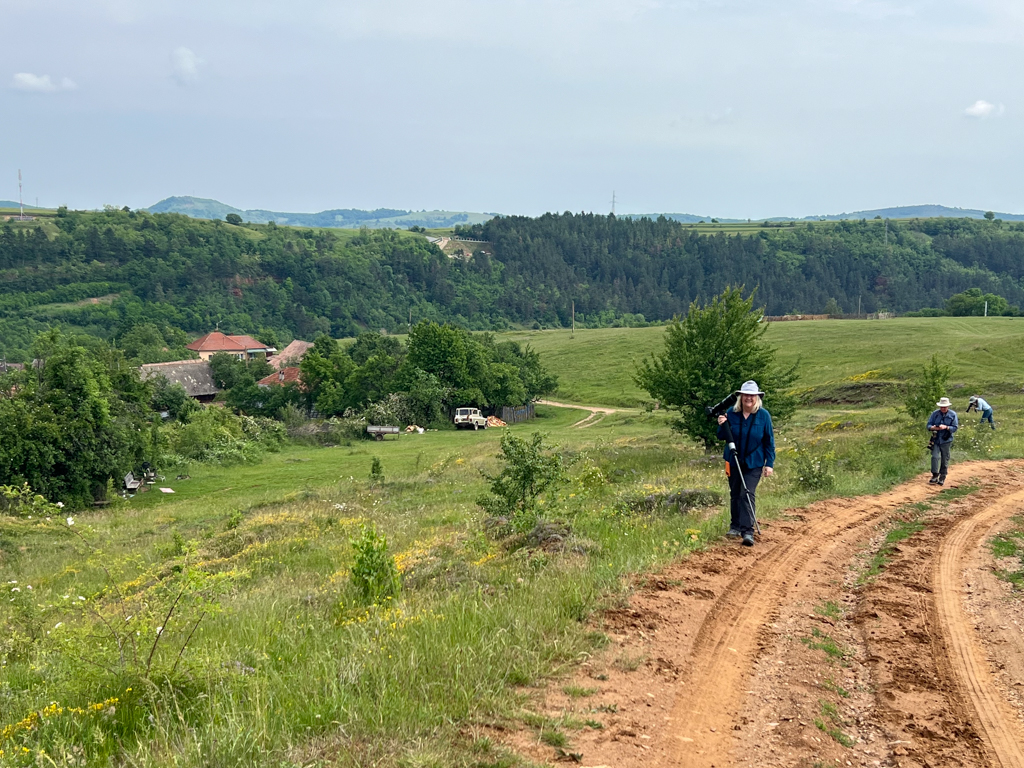
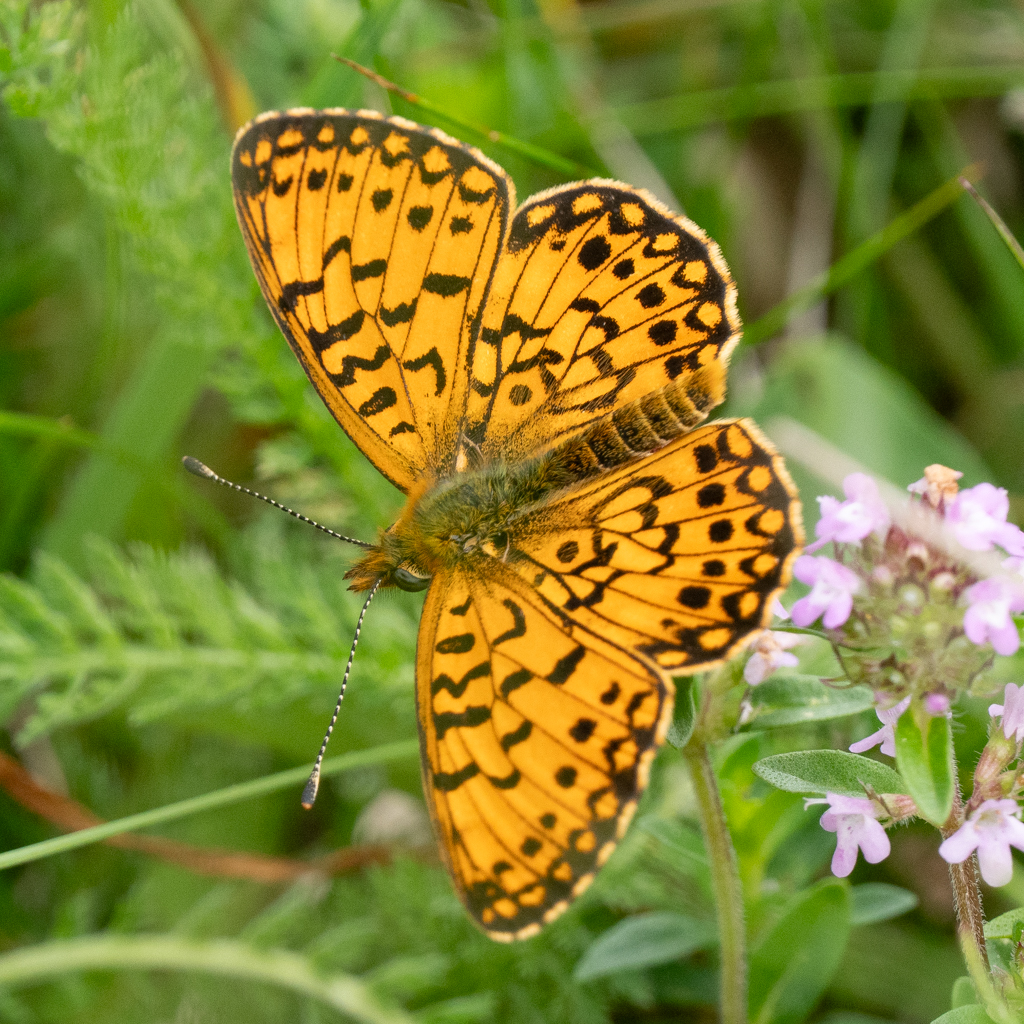
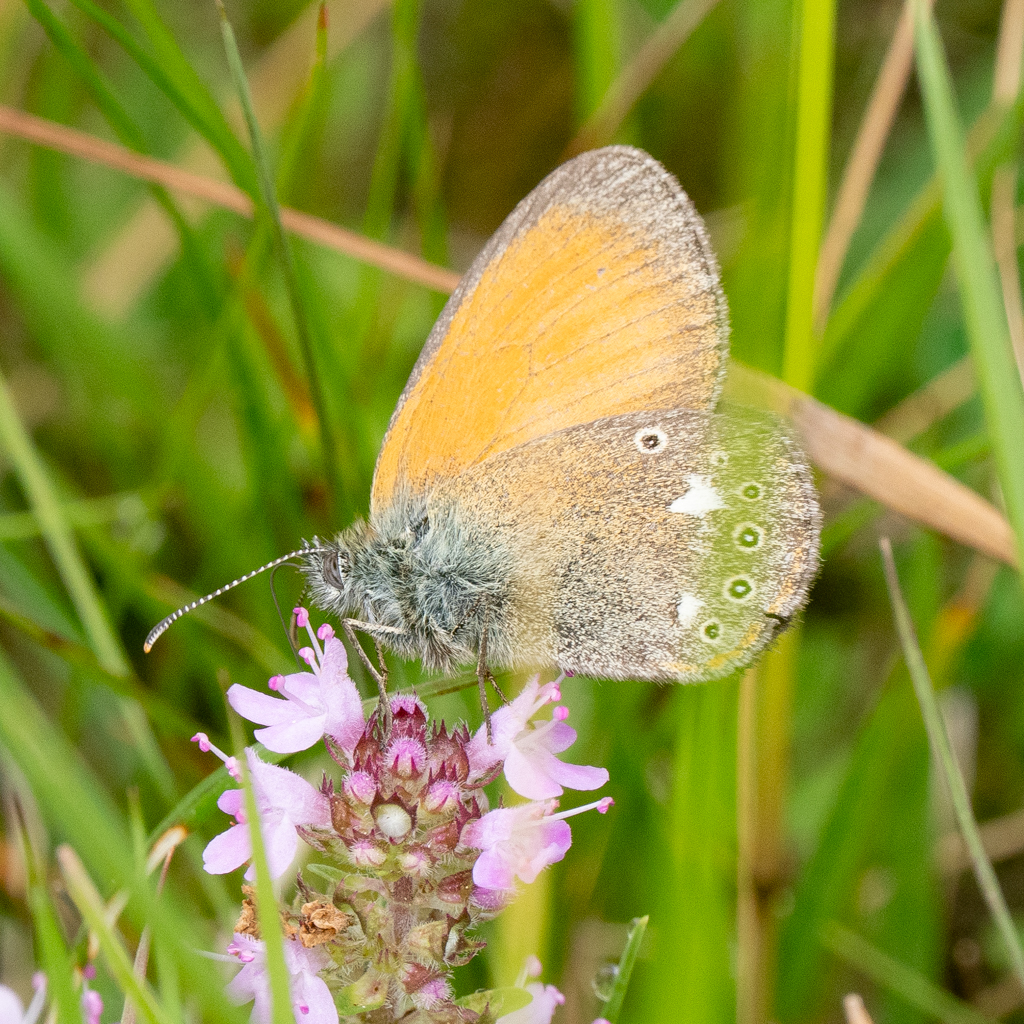
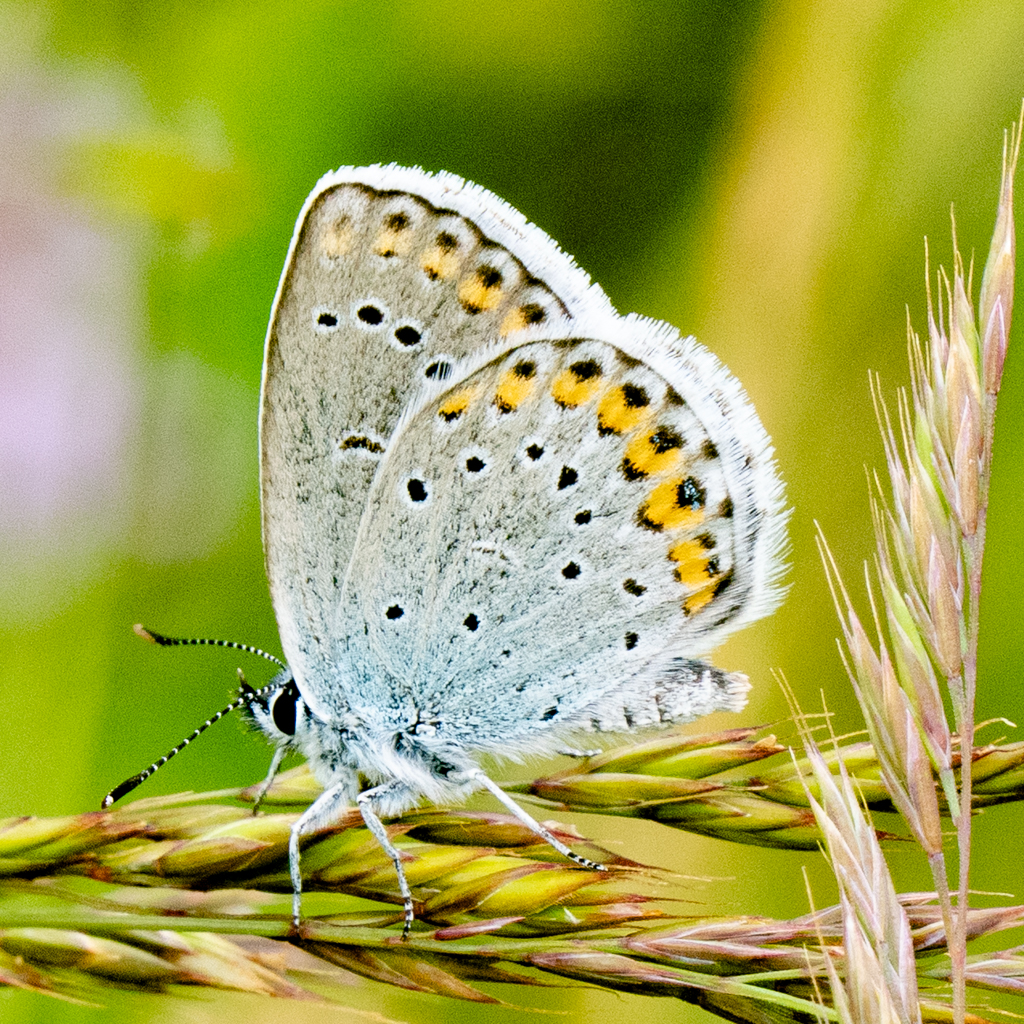
As we walked up the main track through the site we saw a number of species in the nearby fields, including a female Silver-studded Blue, Heath Fritillary, Small Pearl-bordered Fritillary, Common Blue and Wood White.
Silver-studded Blue (female)
Heath Fritillary
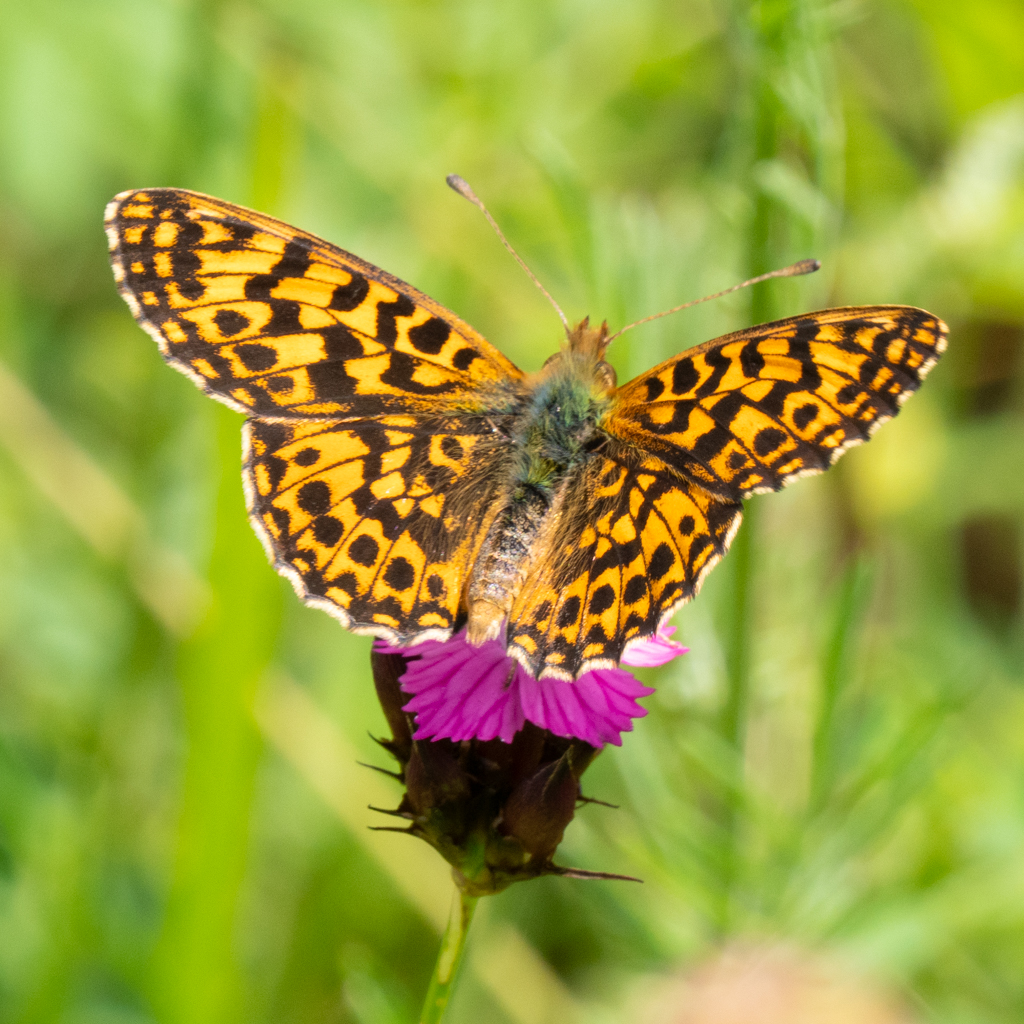
Small Pearl-bordered Fritillary
Chestnut Heath
Wood White
Common Blue
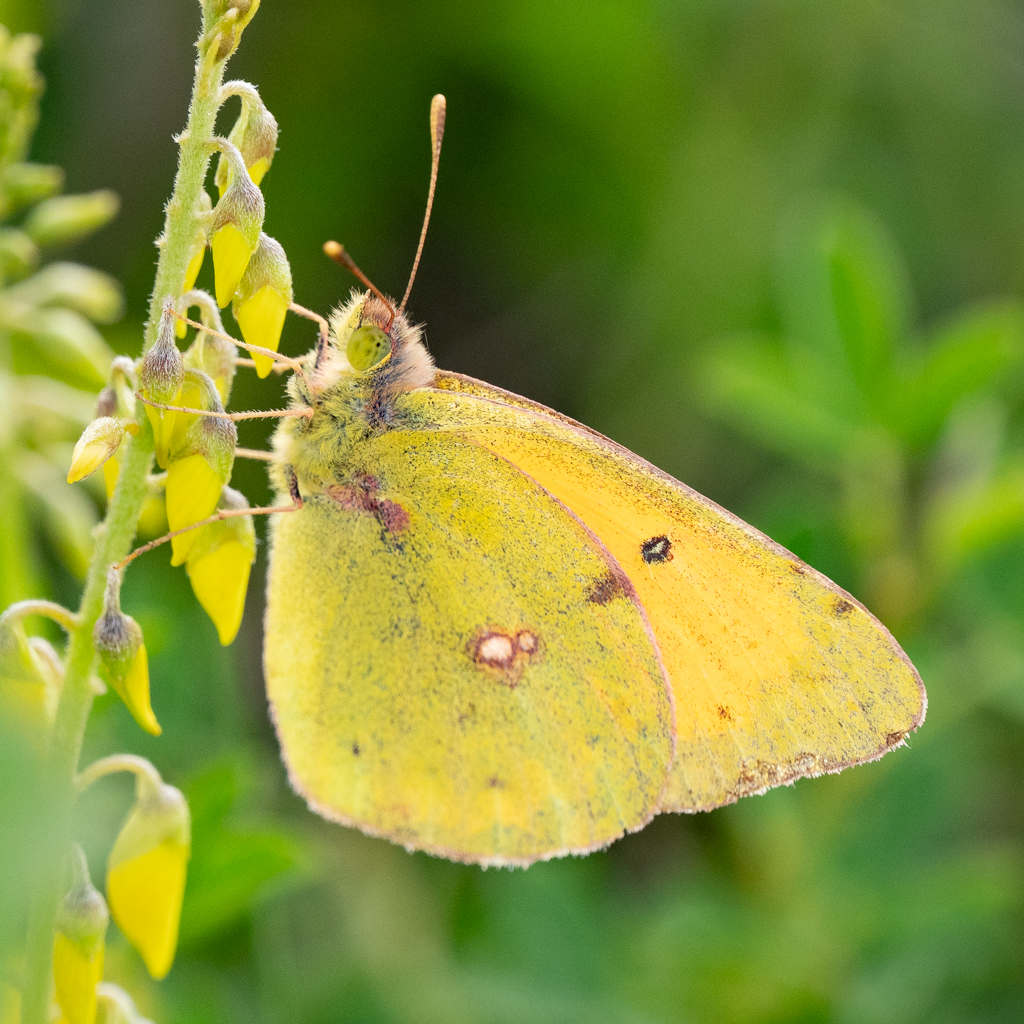
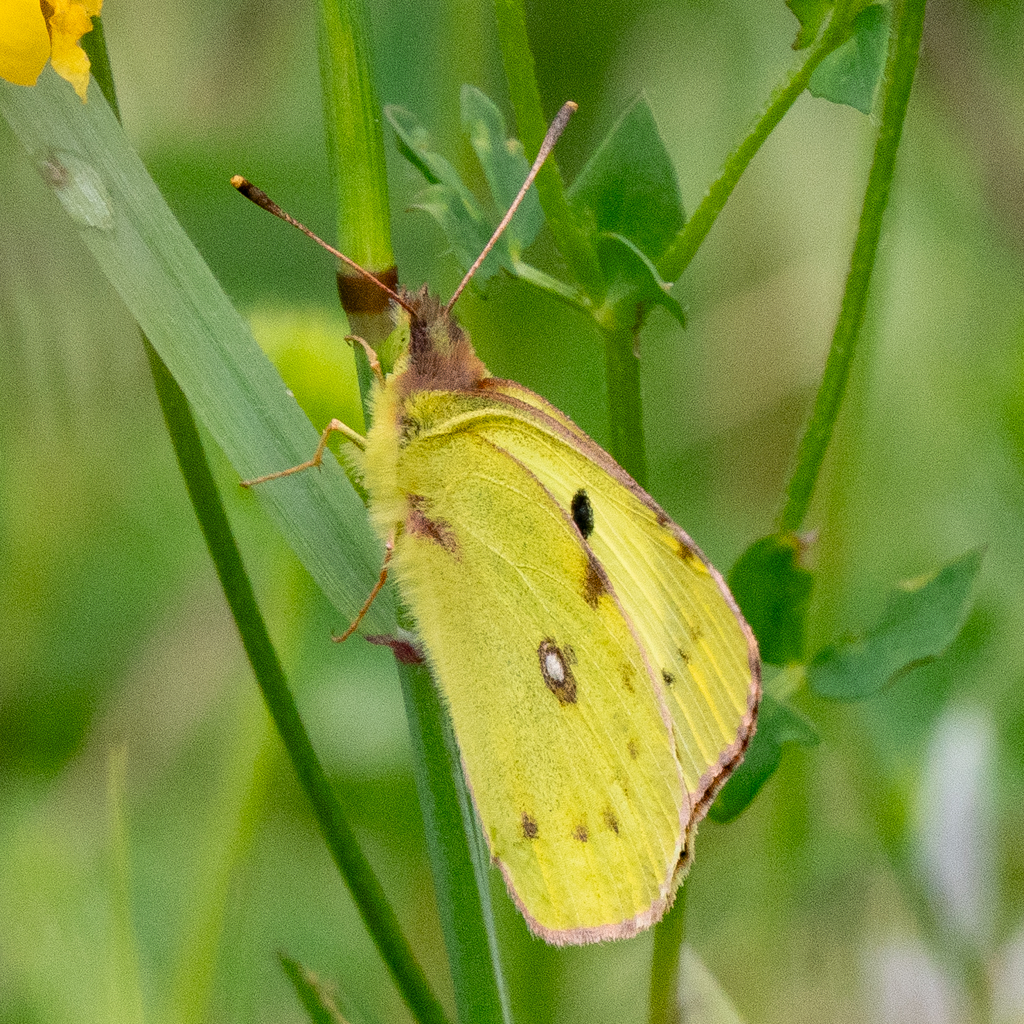
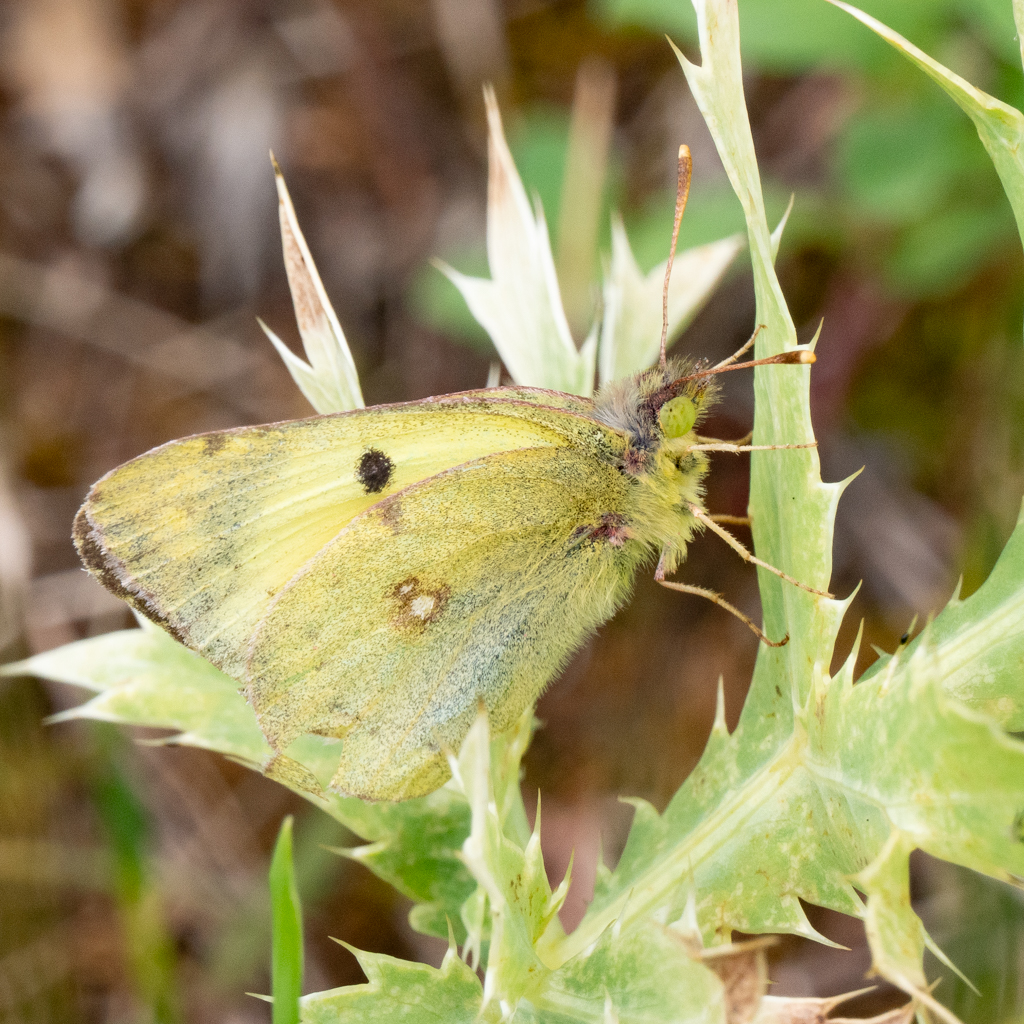
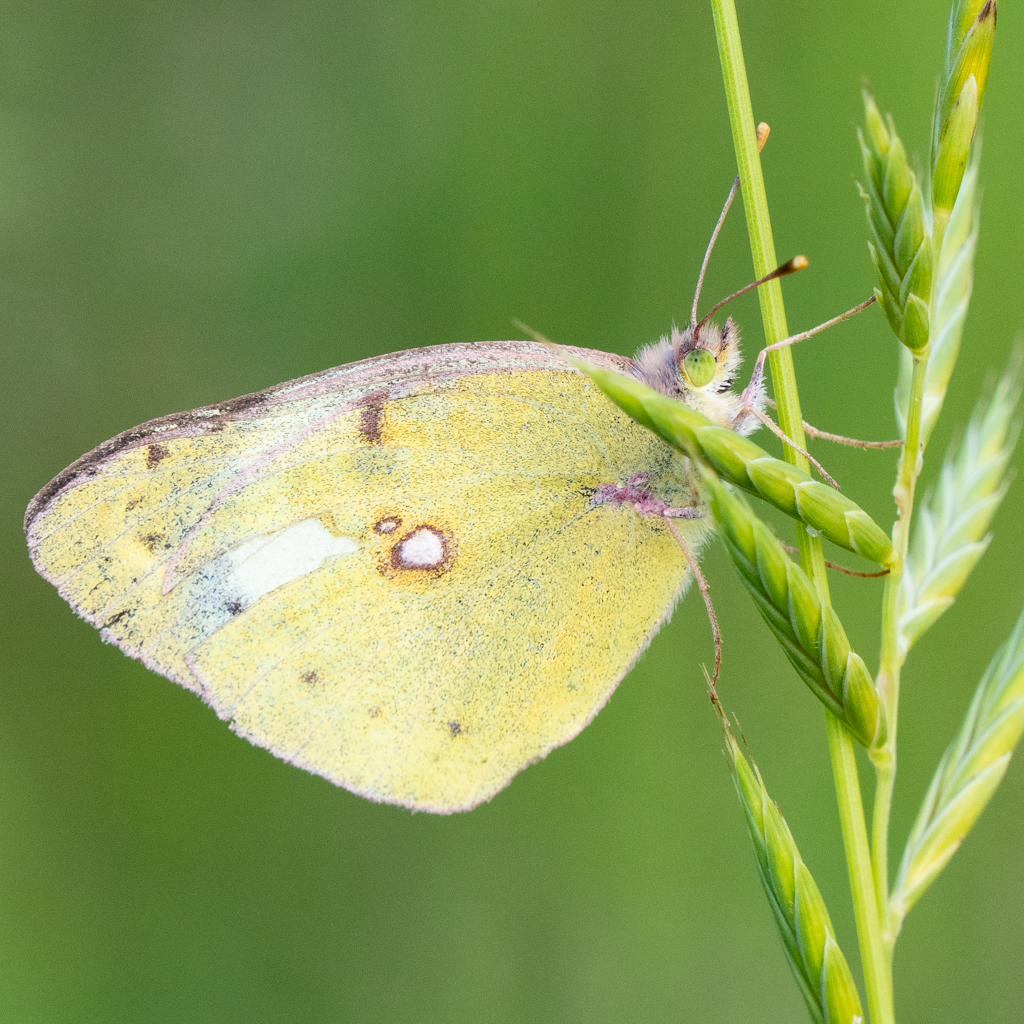
While there was no sign of the Danube Clouded Yellow near the track, Lejos had seen them through his binoculars flying close to the top of a nearby hill, so we all set off up the slope in the hope of seeing them. It took some time to find these elusive butterflies as they were well camouflaged in the grass. However, one of our group spotted one flying across the meadow and once landed we were all able to get good view of this rare butterfly. The photograph below illustrates how well this butterfly blends into its environment amongst the yellow/green grass and flowers. However, when we had returned to the track we were lucky enough to see one land on a flower giving a much more pleasing photograph.
Danube Clouded Yellow
Danube Clouded Yellow
After the excitement of finding the Danube Clouded Yellow, we returned to the main track and drove to the top of a ridge where we had a picnic lunch. The sky looked a bit threatening and we felt a few spots of rain, but luckily it remained largely dry for our lunch. We then moved on to a new site close to the village of Sacel north of Rimetea.
The Sacel site
Searching for butterflies at Sacel
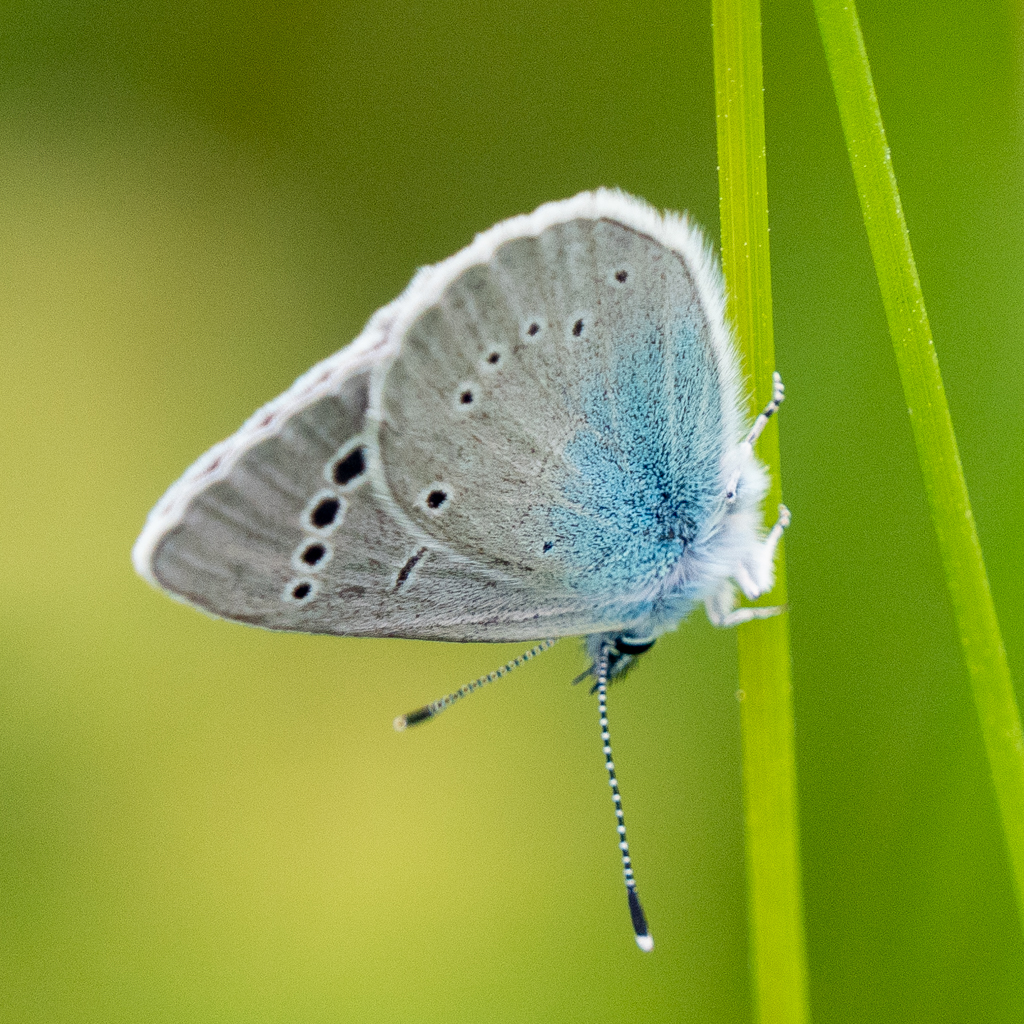
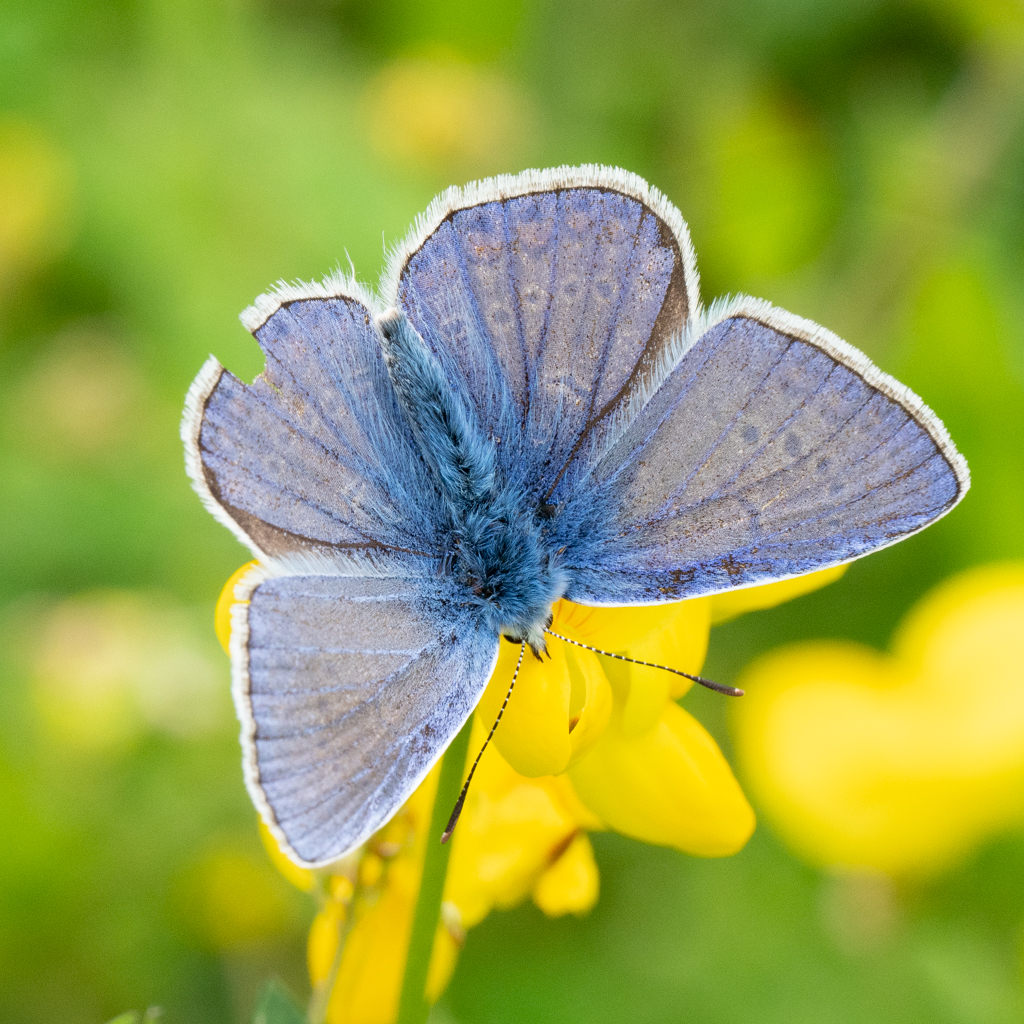
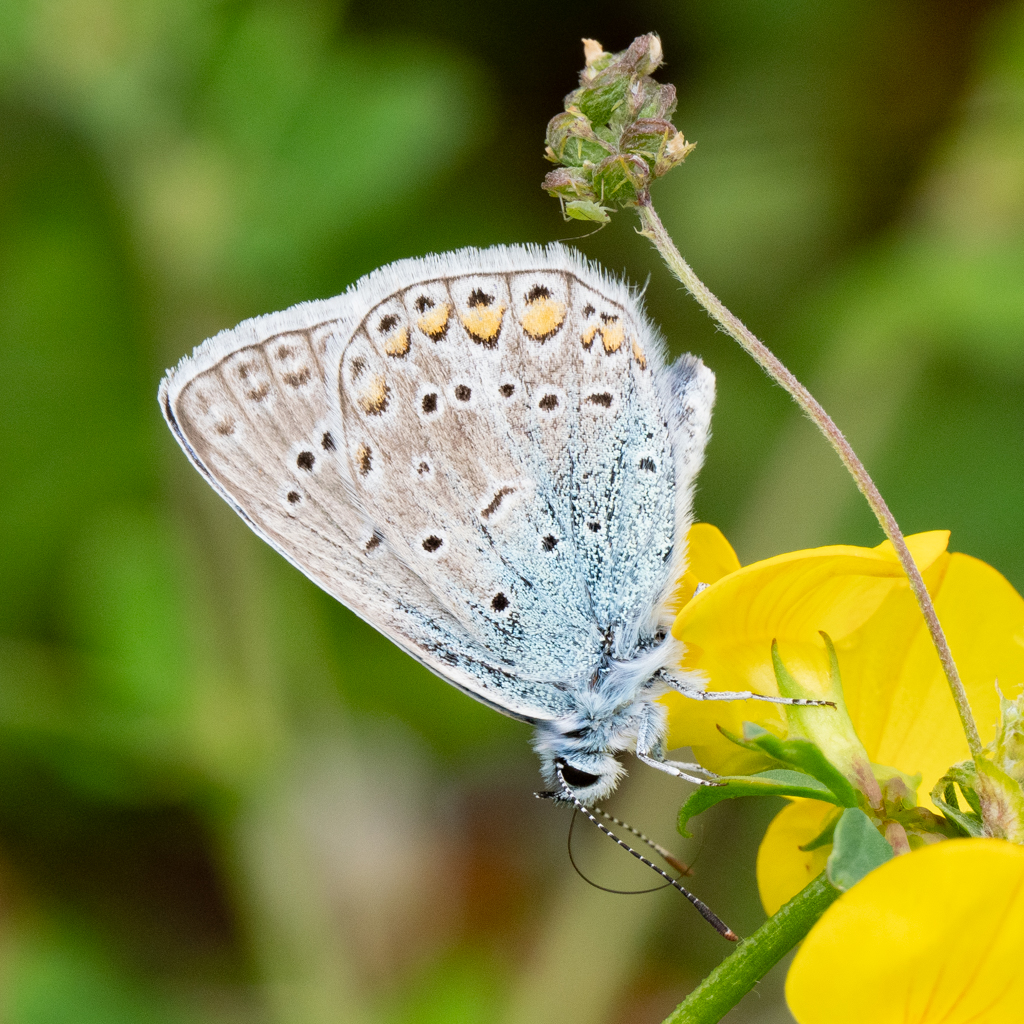
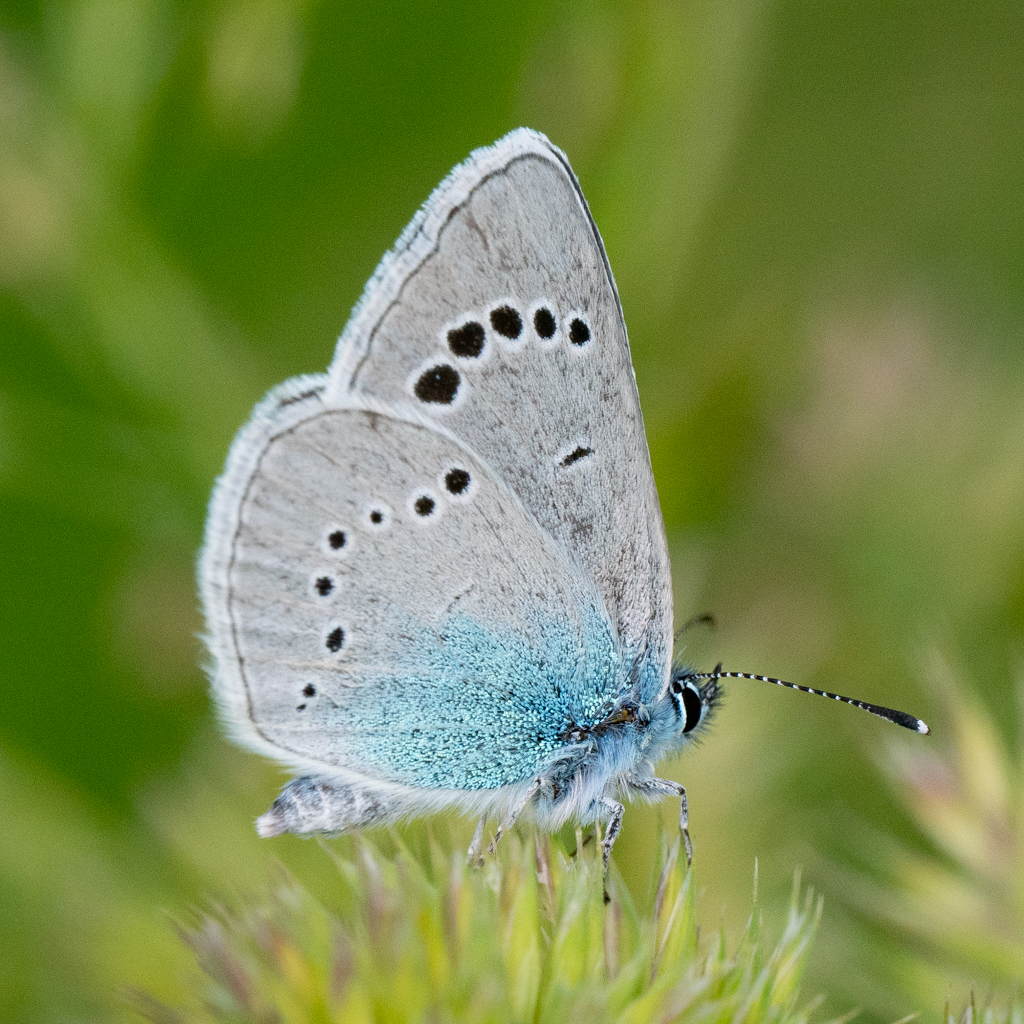
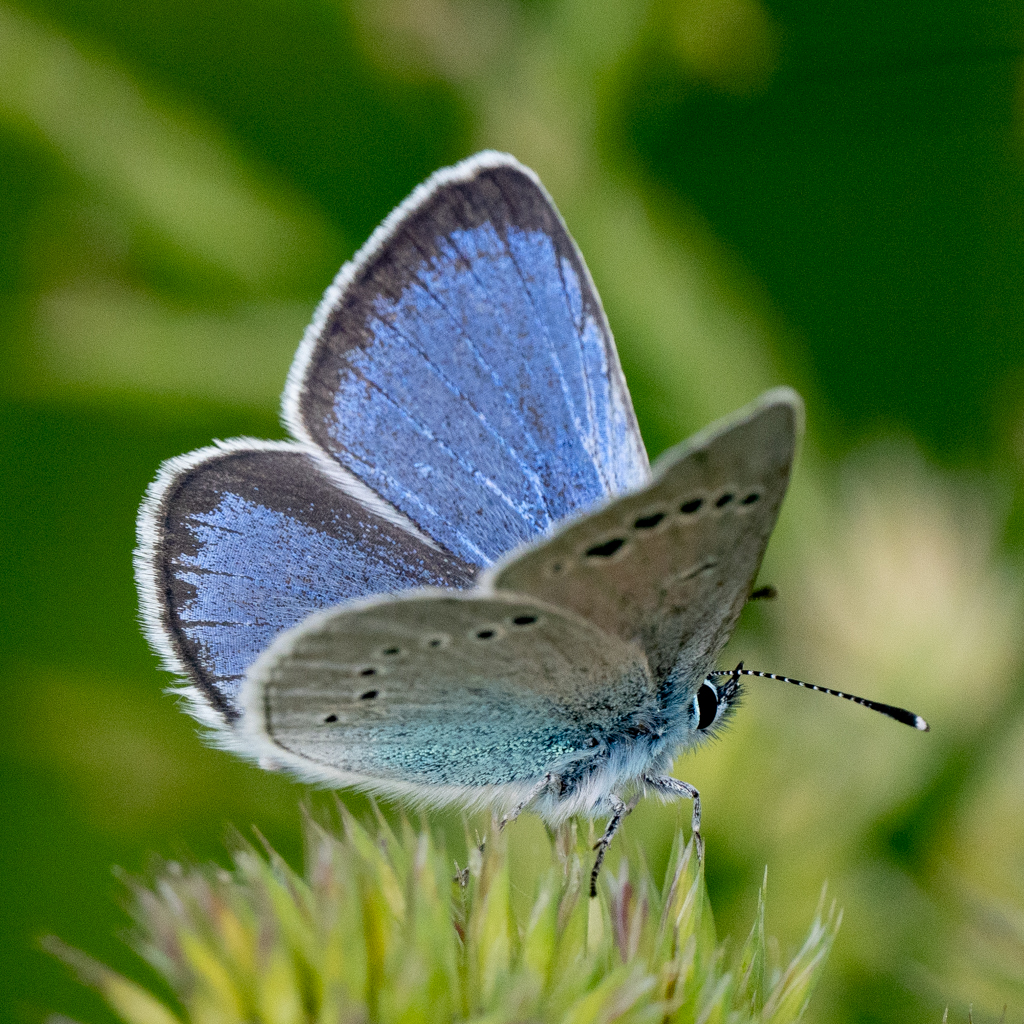
The beautiful flower meadow at Sacel was drawing in many new species, including several blues – Idas, Green-underside, Osiris and Silver-studded.
Idas Blue
Idas Blue
Green-underside Blue
Osiris Blue
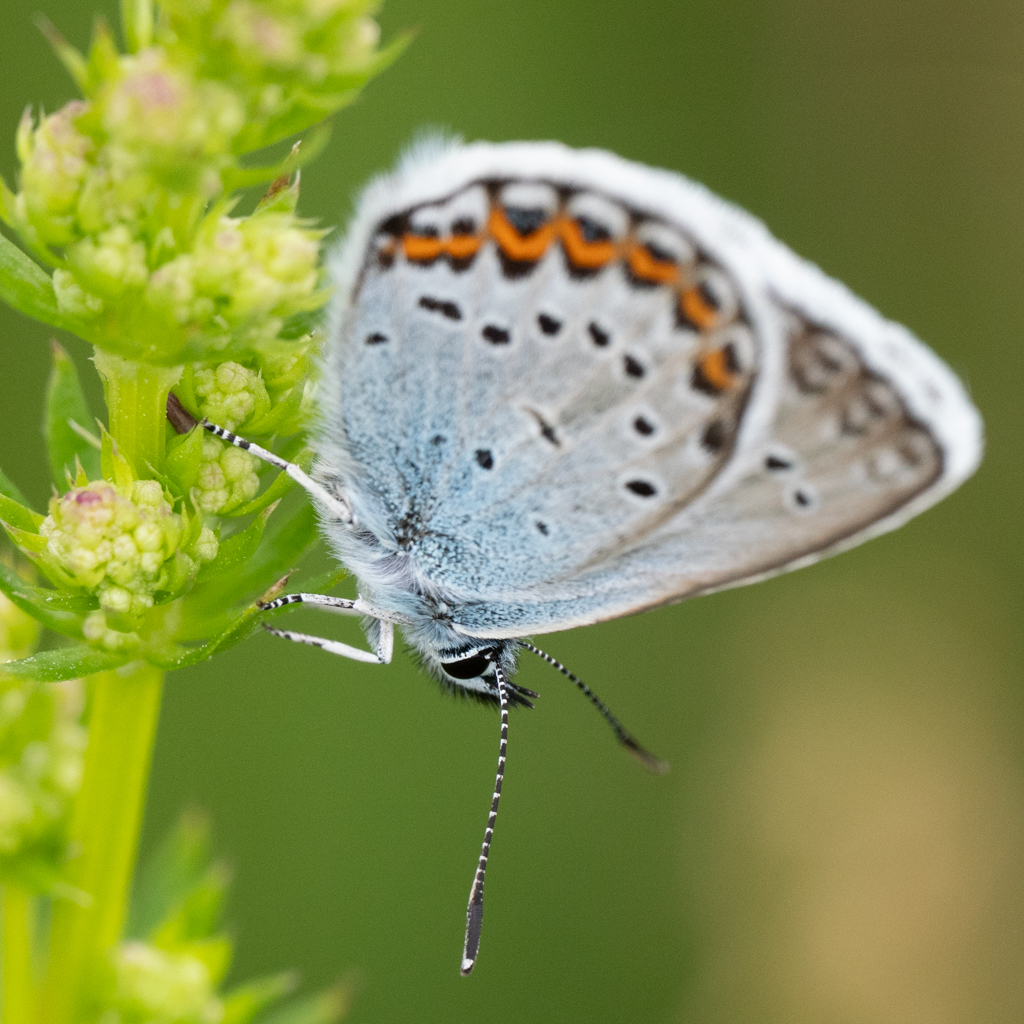
Silver-studded Blue
Silver-studded Blue
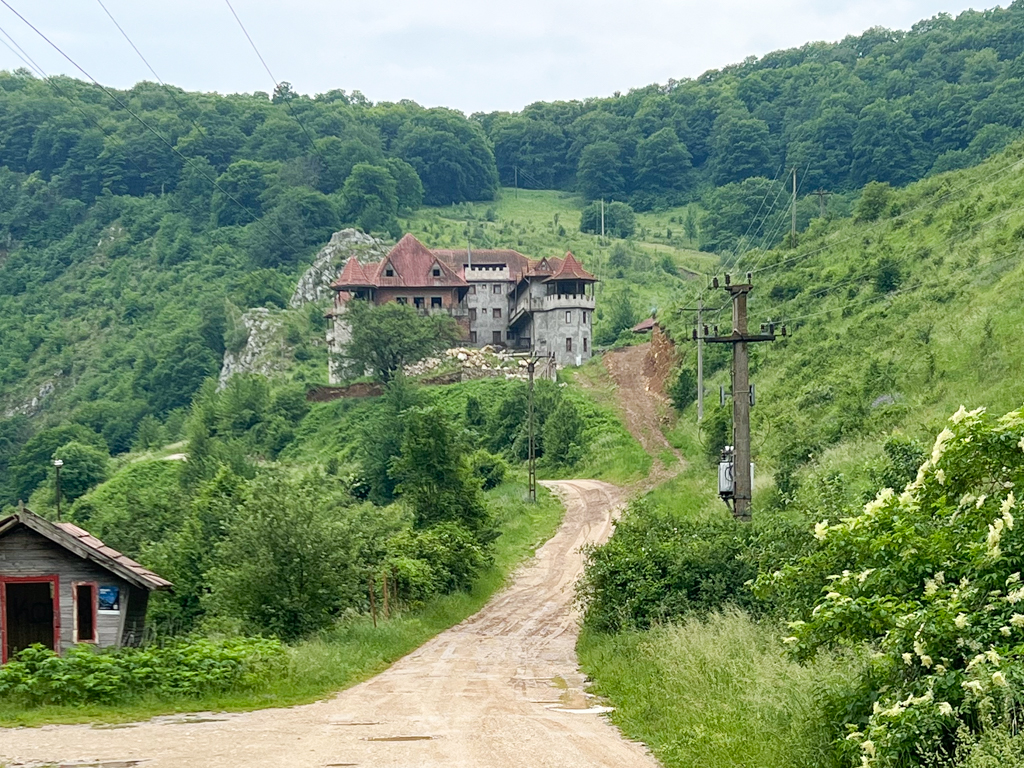
Our final stop of the day was at Valisoara Gorge a few kilometres south of Rimetea where there was an abandoned building that aimed to create ‘Dracula’s castle’ as a tourist attraction. The castle was never finished but there were plenty of birds and butterflies to photograph.
'Dracula's castle'
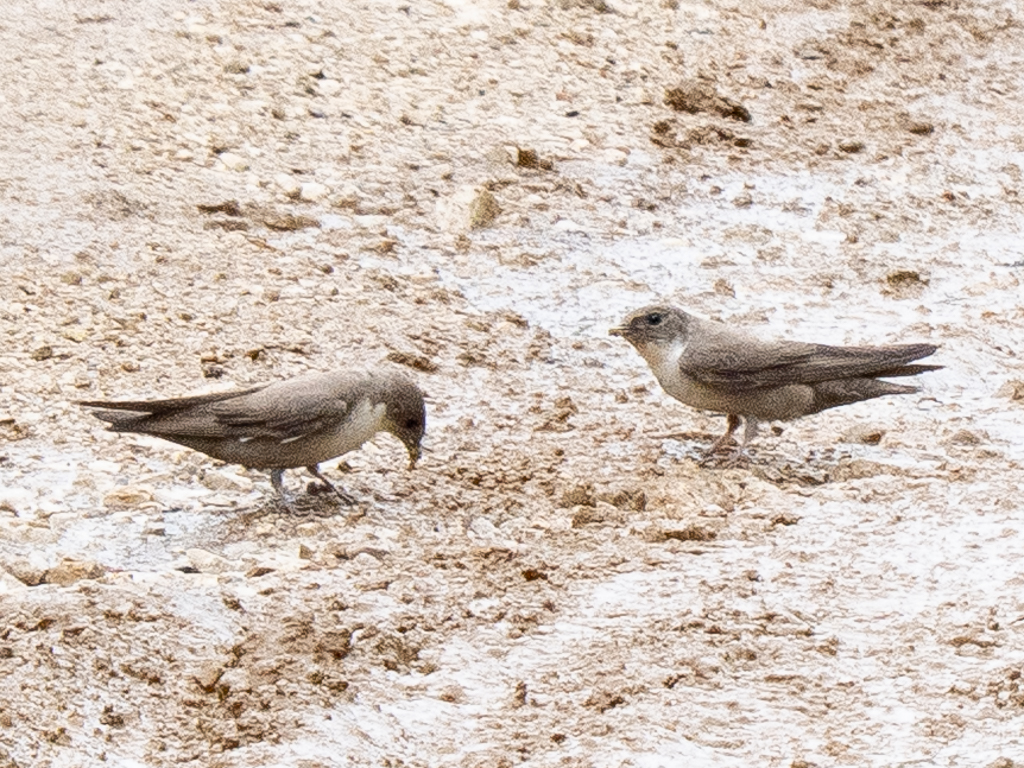
A pair of Eurasian Crag Martin on the track
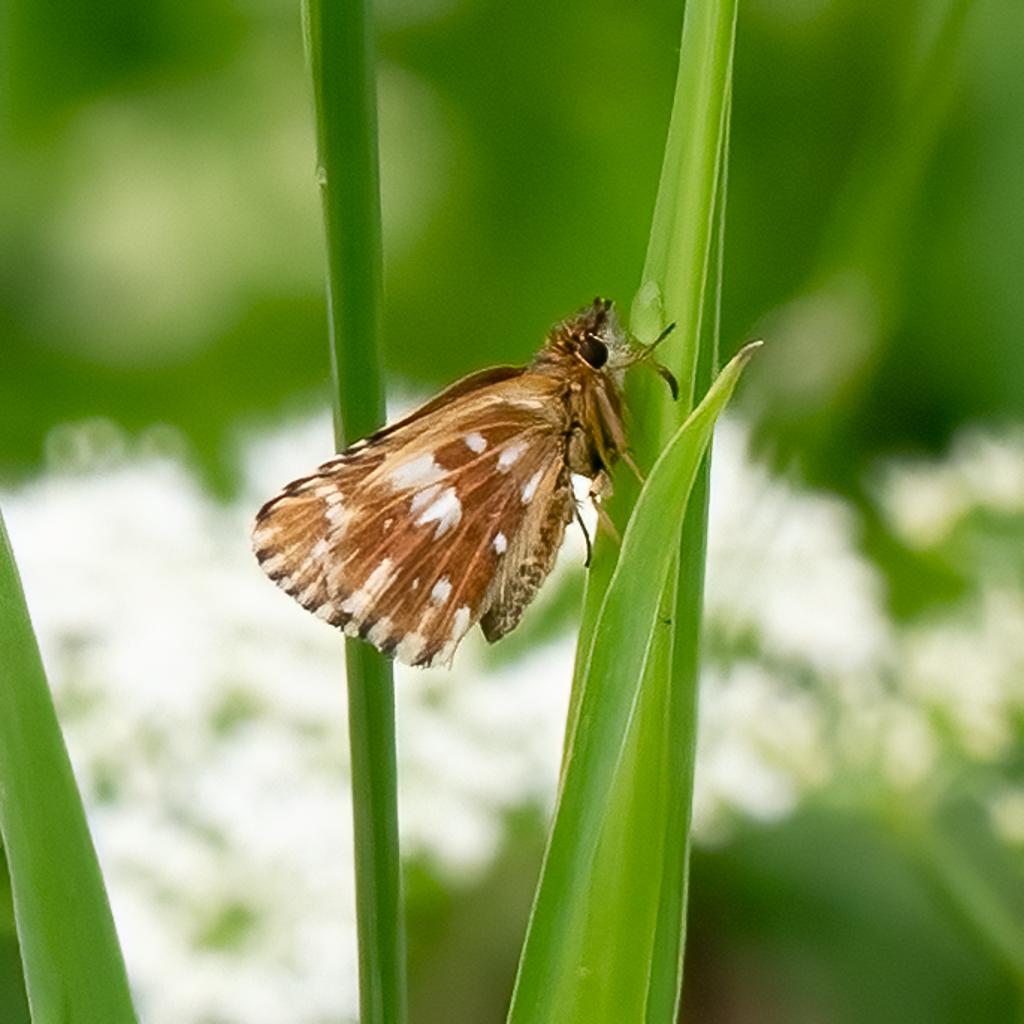
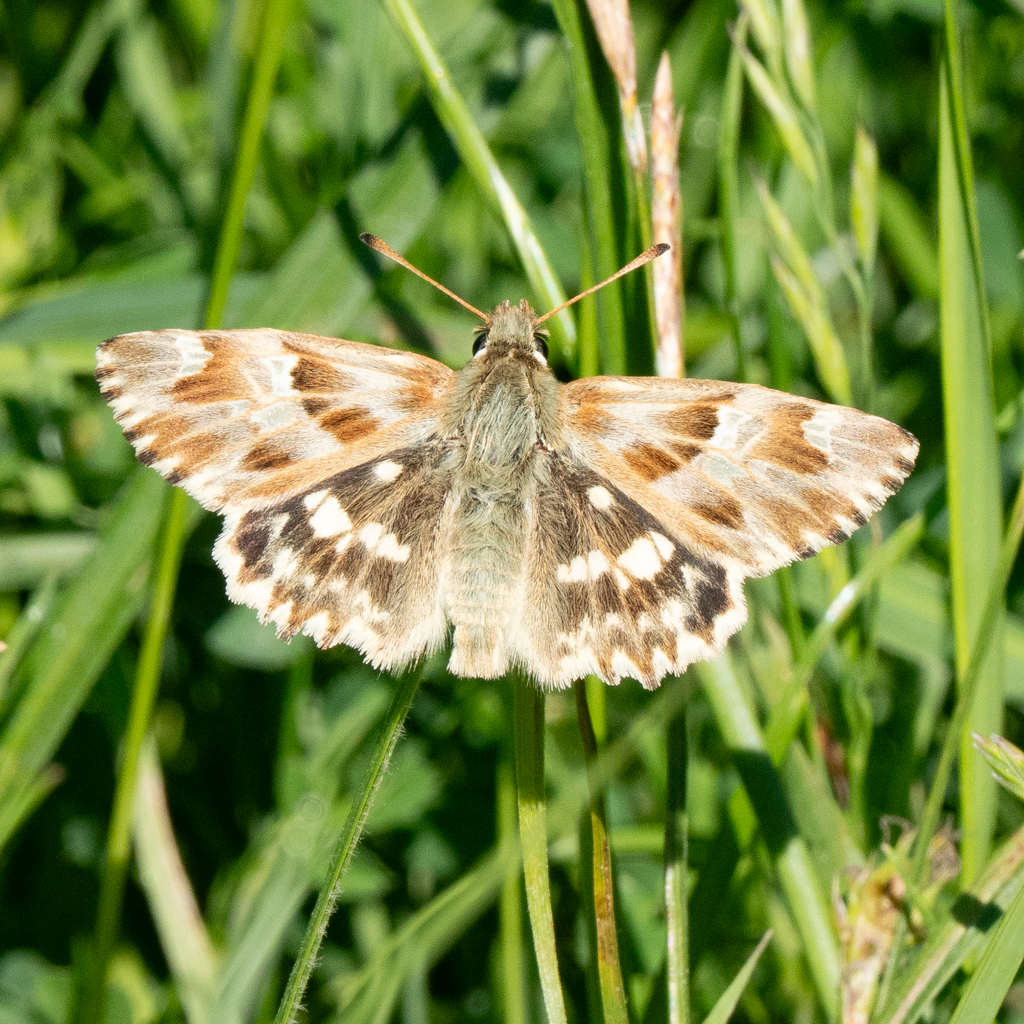
Grizzled Skipper
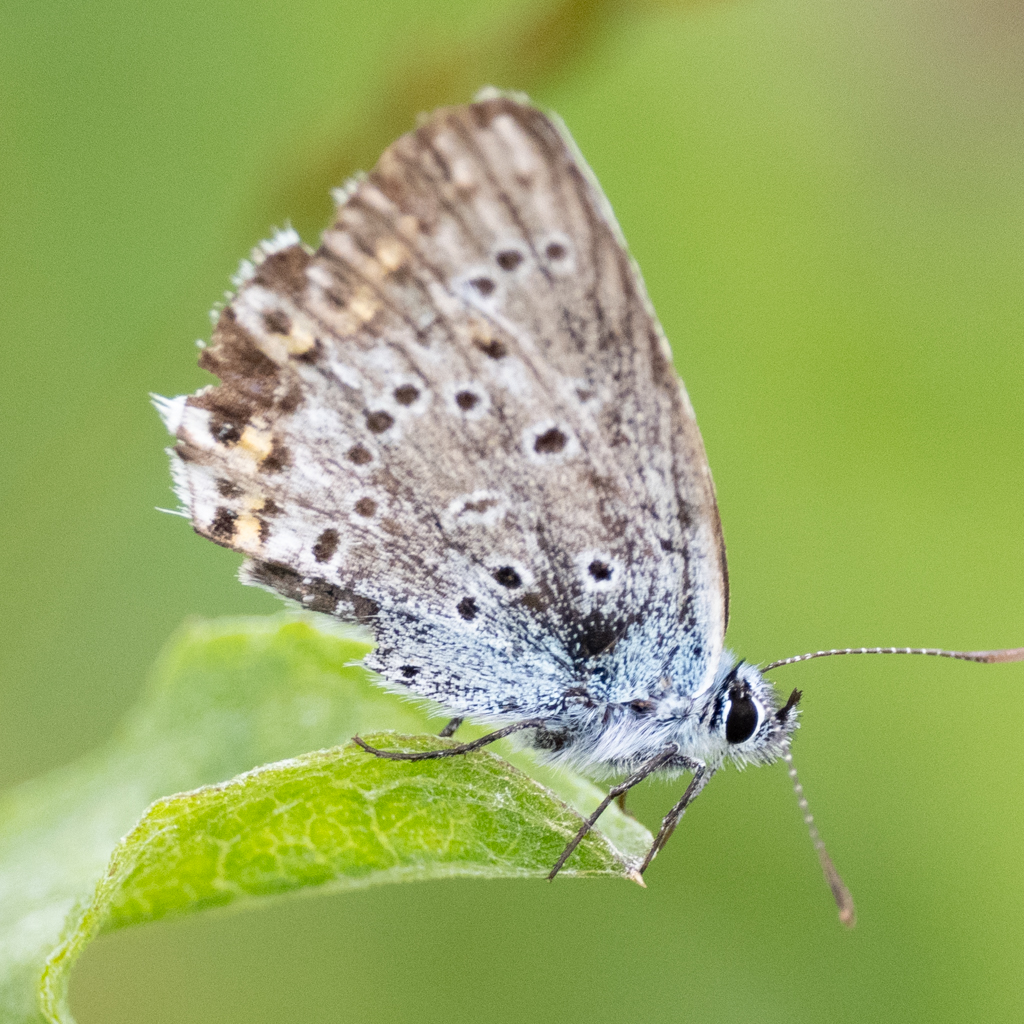
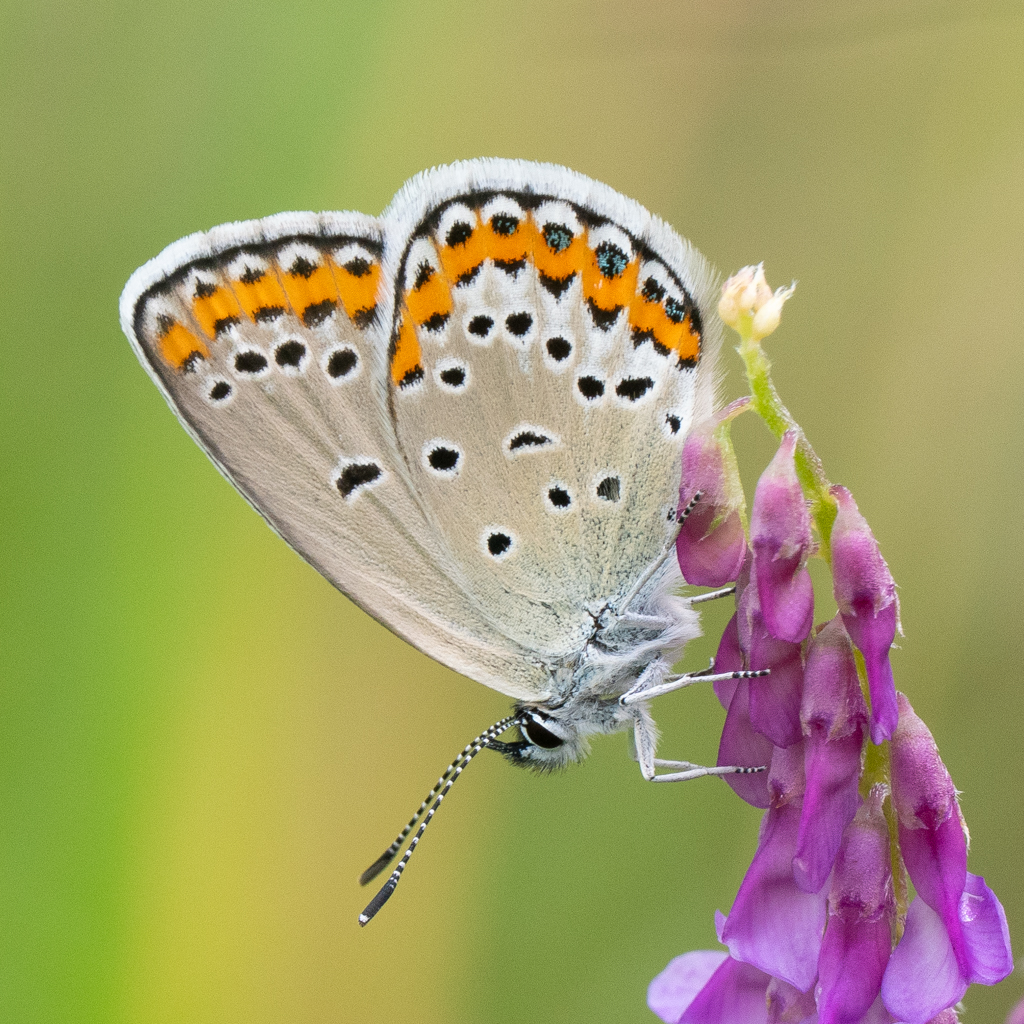
Reverdin's Blue
Chapman's Blue
Chapman's Blue
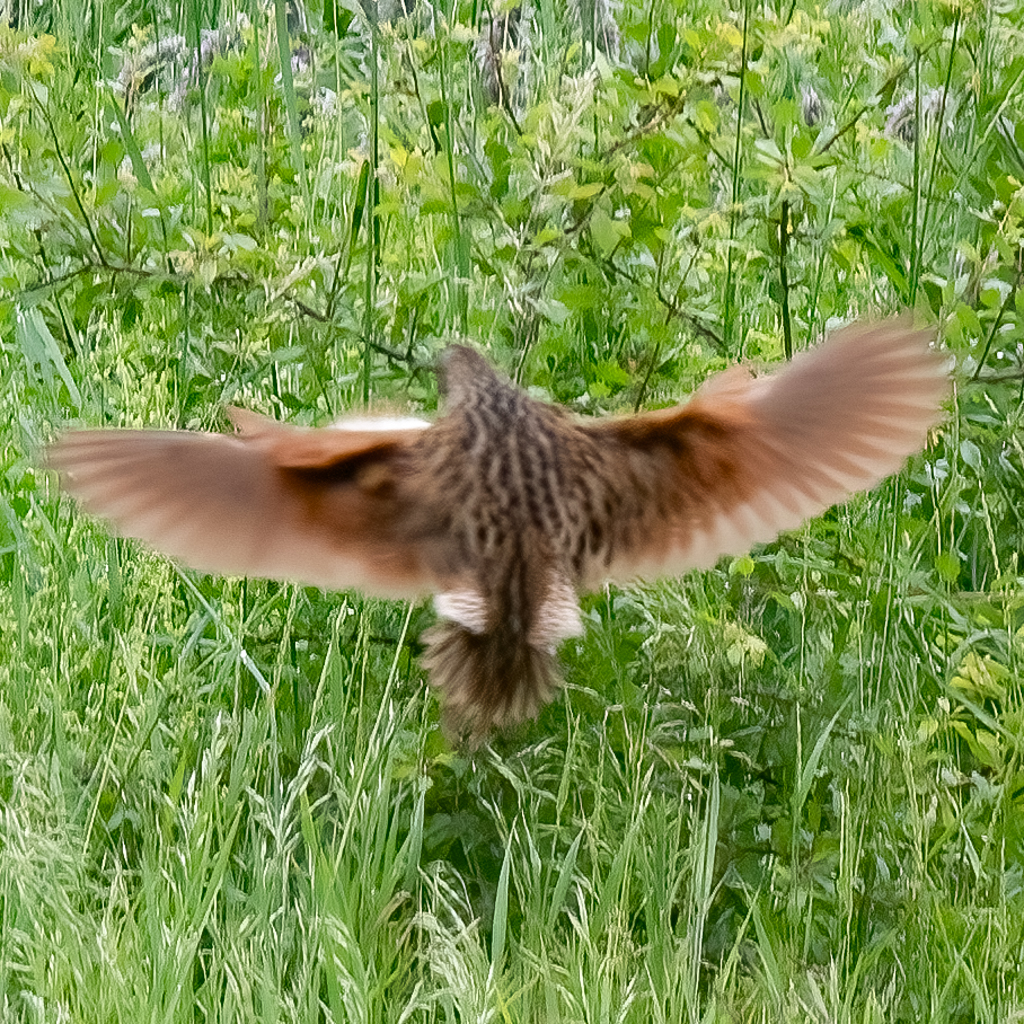
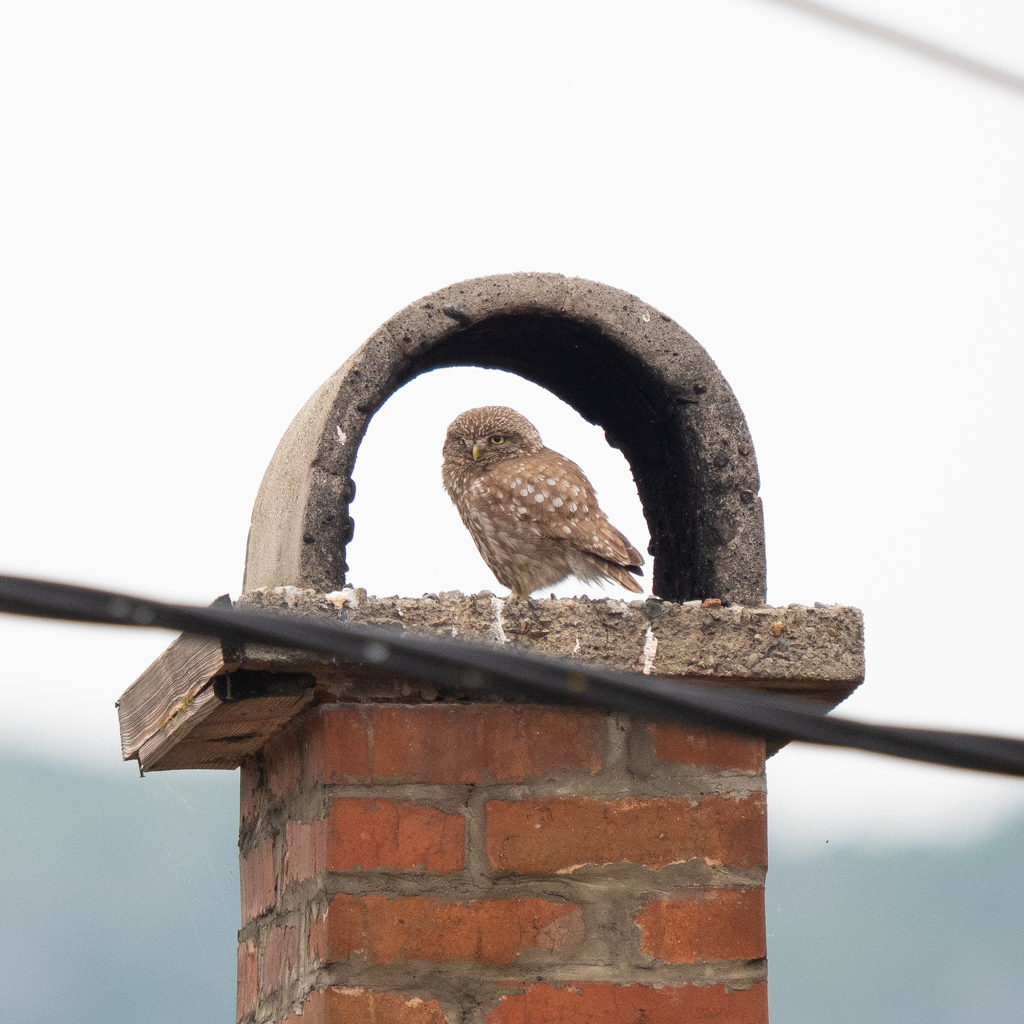
Towards the end of our time at Valisoara Gorge we heard a Corncrake calling in some deep grass beside the track. We tried to draw the bird out but eventually it flew away rapidly and we could only grab a record shot as it flew towards the castle. The final bird we photographed in the late afternoon was a Little Owl on the top of a chimney, which we saw as we drove back to our hotel.
Corncrake
Little Owl
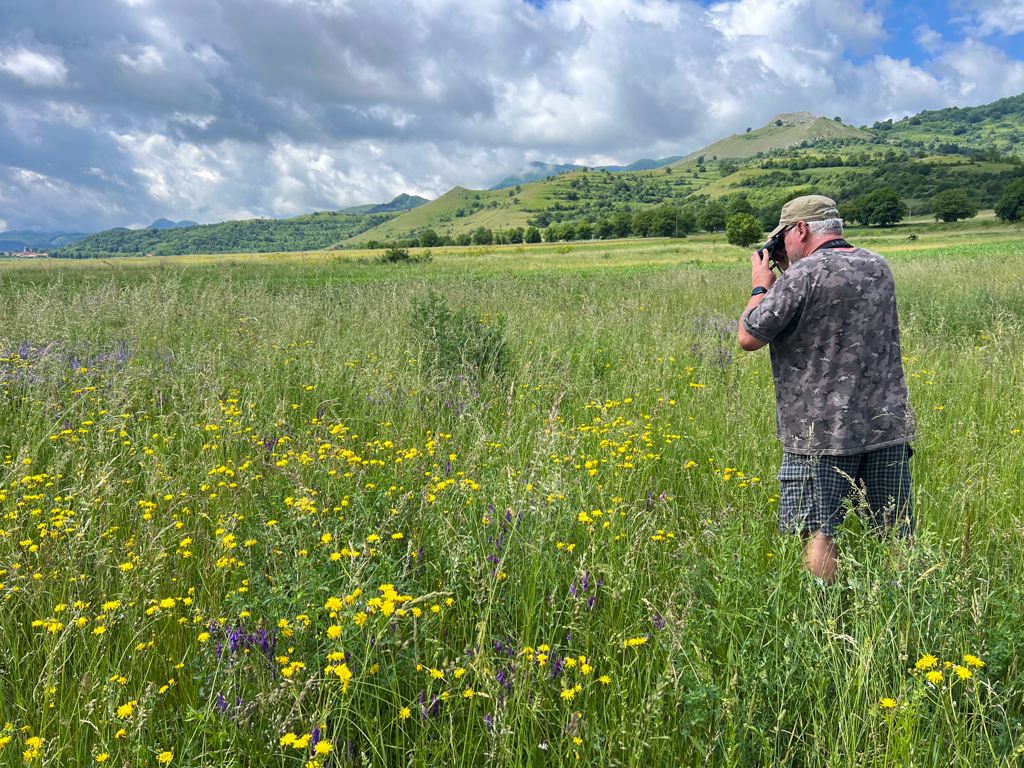
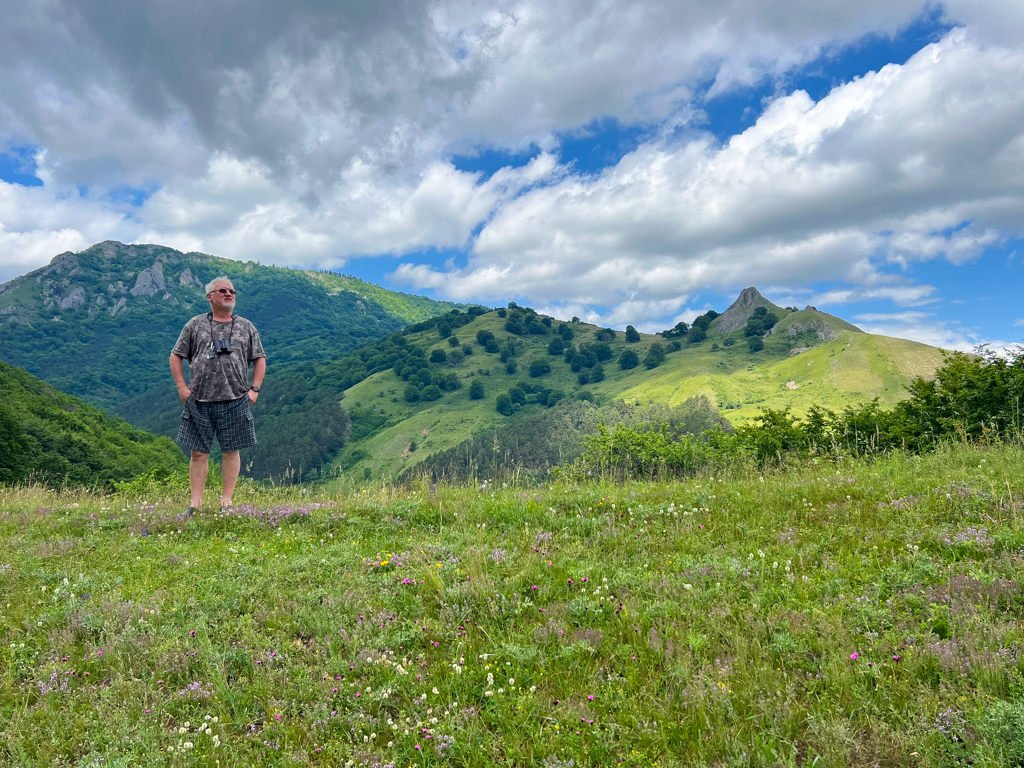
On our second and final full day around Rimetea (7 June) we spent the morning looking for butterflies in the beautiful meadows beside the Rimetea river just south of the village.
The meadows close to the Rimetea river
The meadows close to the Rimetea river
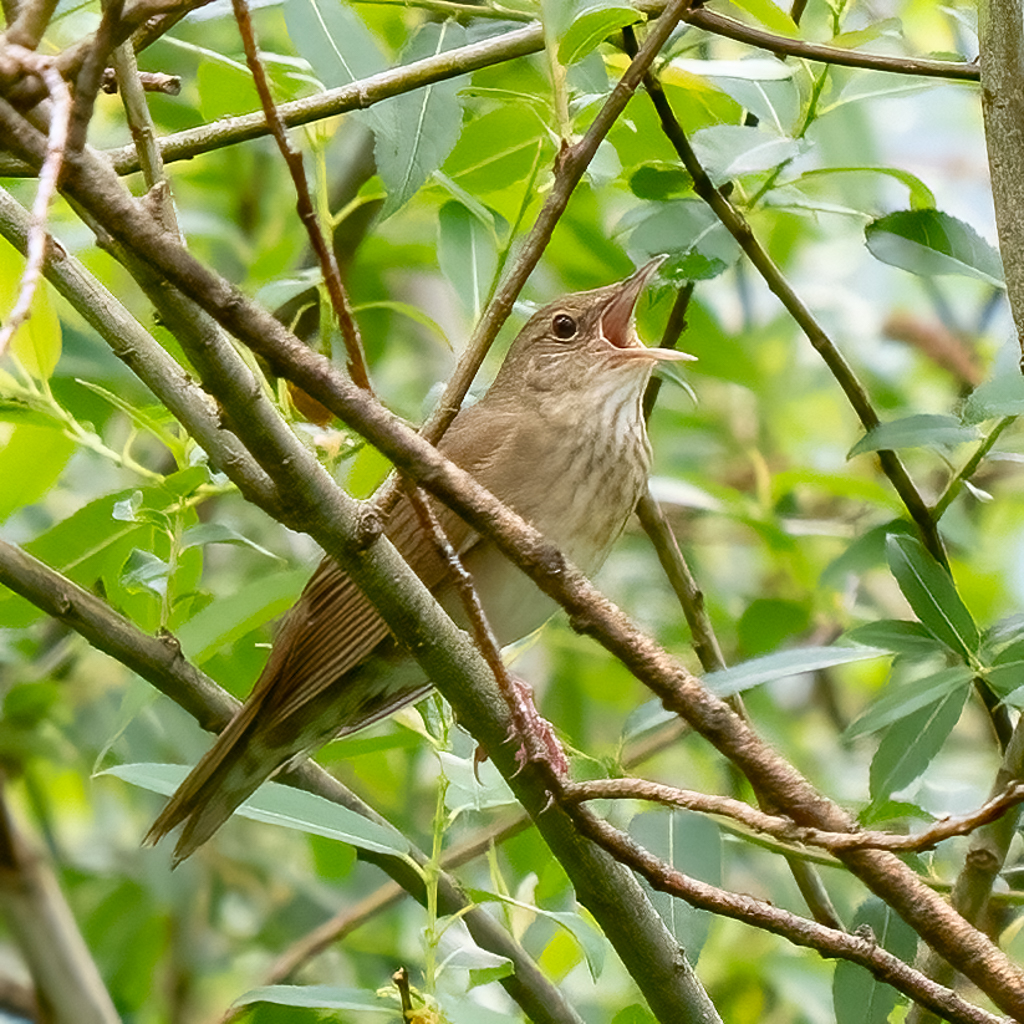
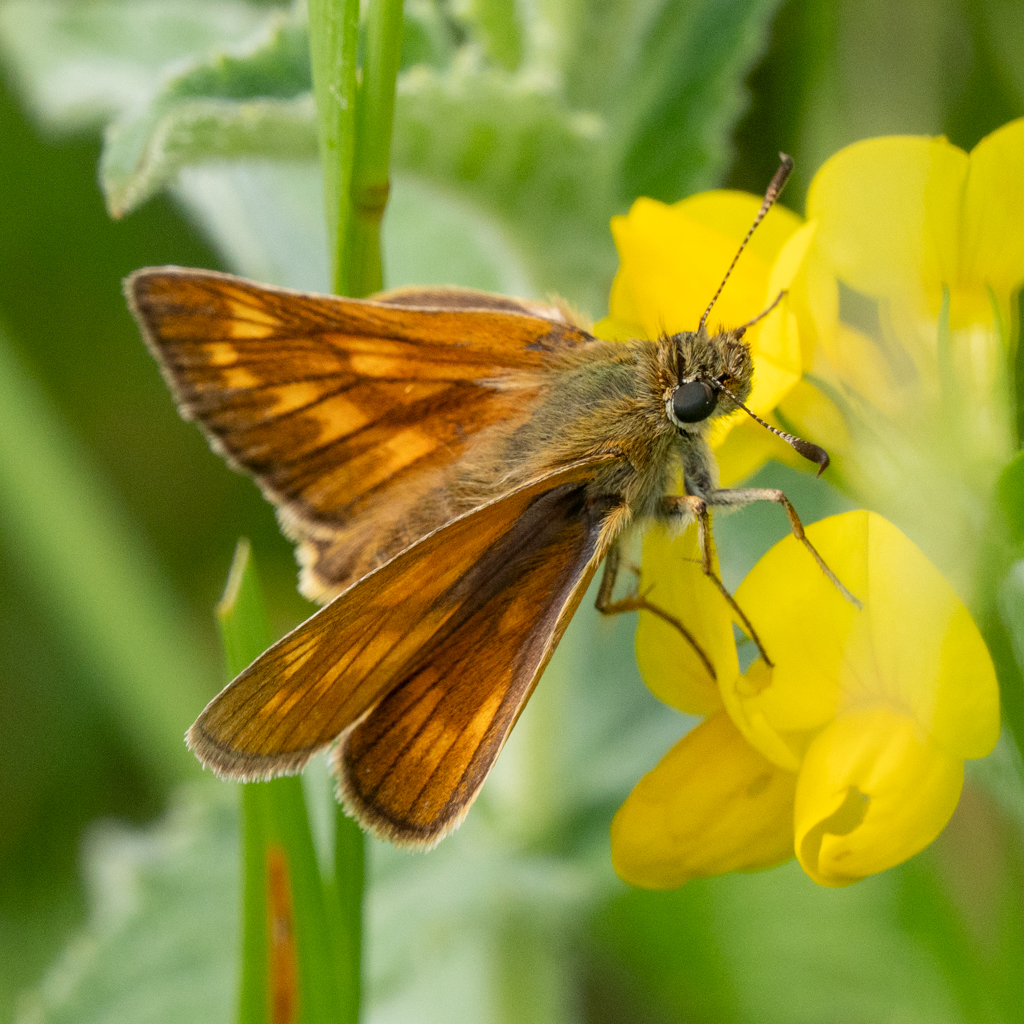
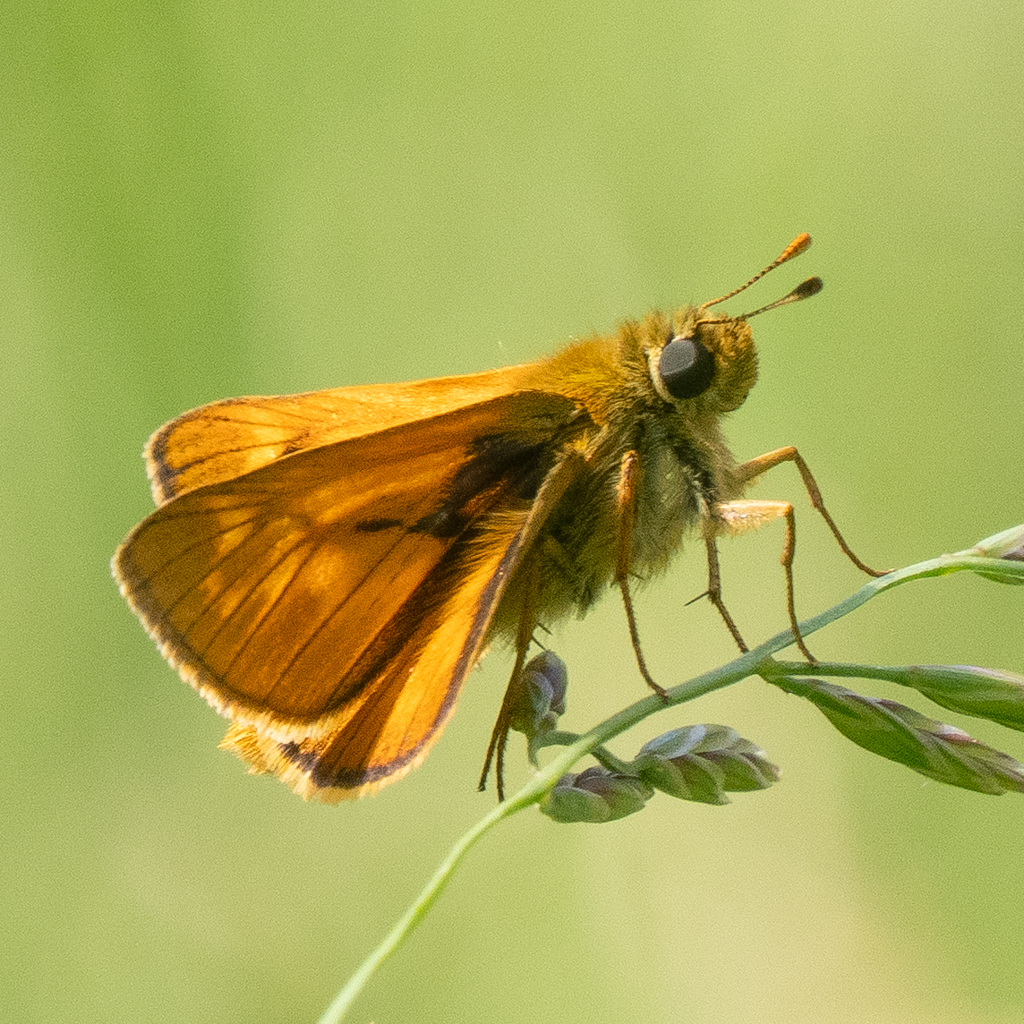
The session started well with a Geranium Argus, soon followed by Large Skipper, Green -underside Blue and Lulworth Skipper. While looking for butterflies we could hear the distinctive call of a River Warbler and managed to get a photograph, even though the bird was quite distant.
Geranium Argus
River Warbler
Green-underside Blue
Green-underside Blue
Lulworth Skipper
Large Skipper
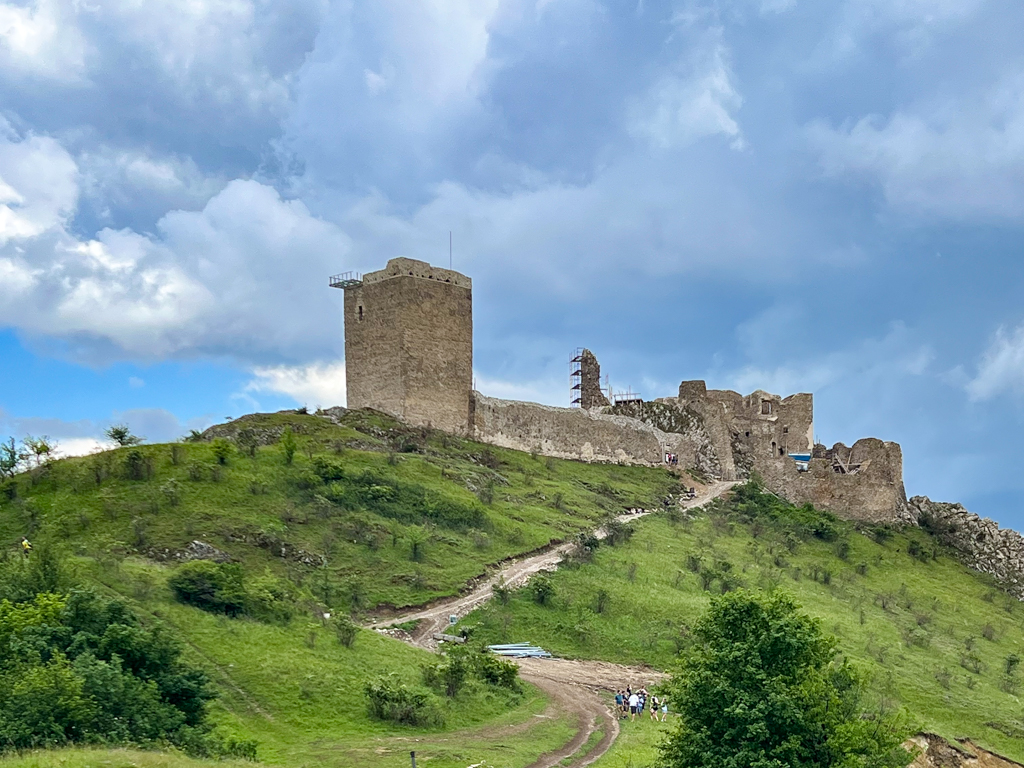
We then returned to Rimetea for an early lunch at the Szarvas Vendeglo before starting our afternoon session. For this we travelled 3 km south of Rimetea to the extensive meadows close to the 13th-century Coltesti Castle.
Coltesti Castle
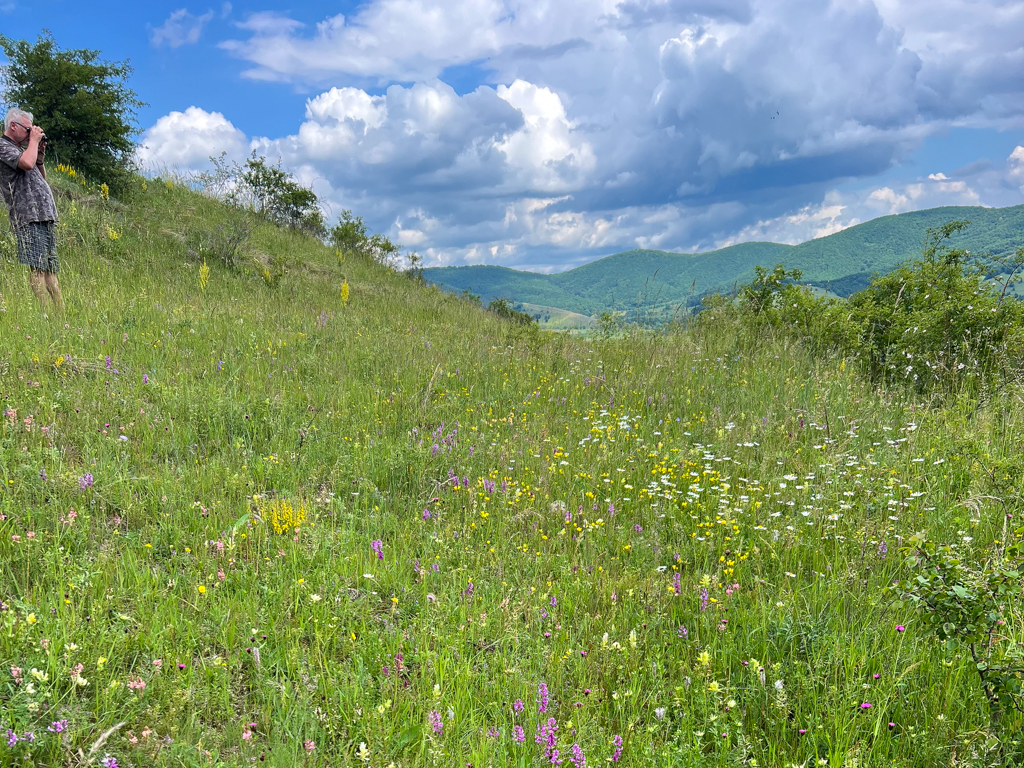
One of the meadows near Coltesti Castle
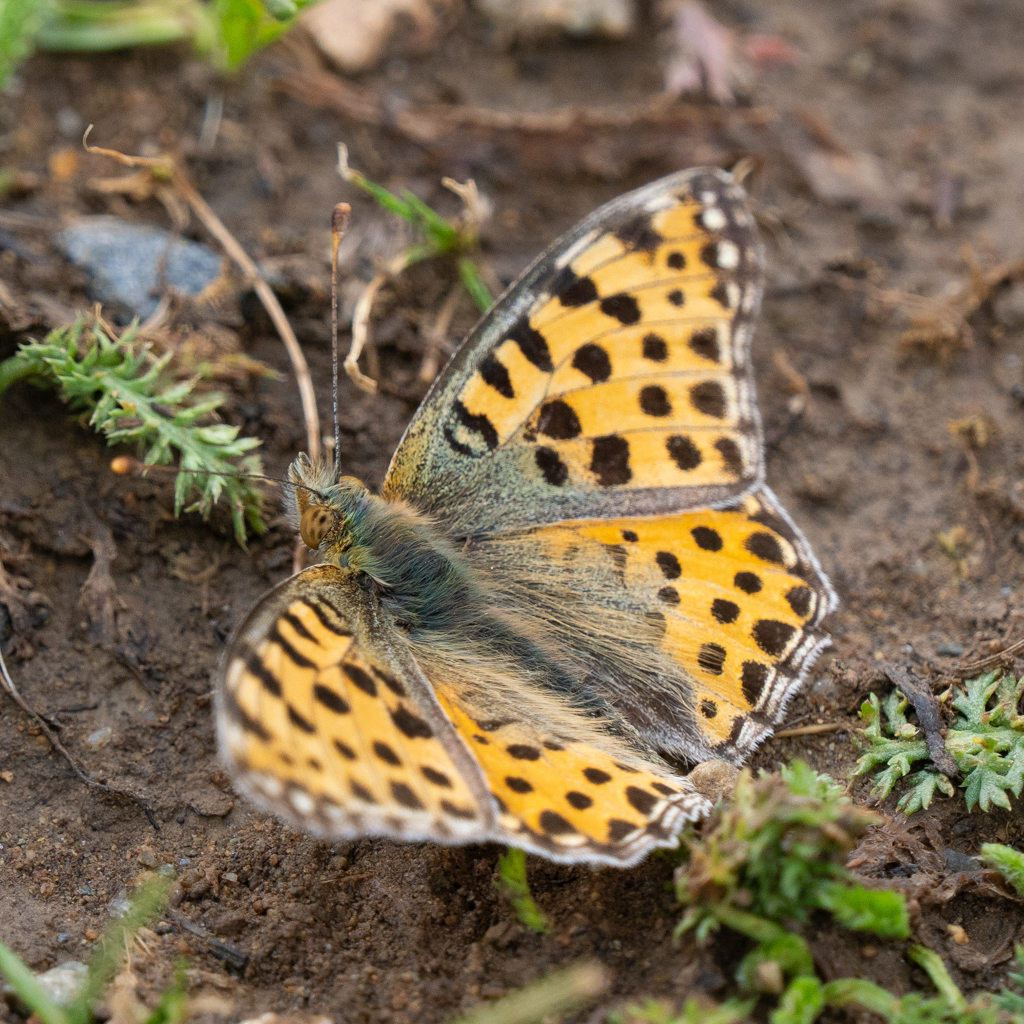
We could see there were some showers around, but luckily it stayed dry during our time near the castle and we were kept busy trying to photograph the many different butterfly species on the wild flower. These included Queen of Spain Fritillary, Chapman’s Blue, Twin-spot Fritillary, Pale-clouded Yellow, Green-underwing Blue, Knapweed Fritillary and Adonis Blue.
Queen of Spain Fritillary
Chapman's Blue
Twin-spot Fritillary
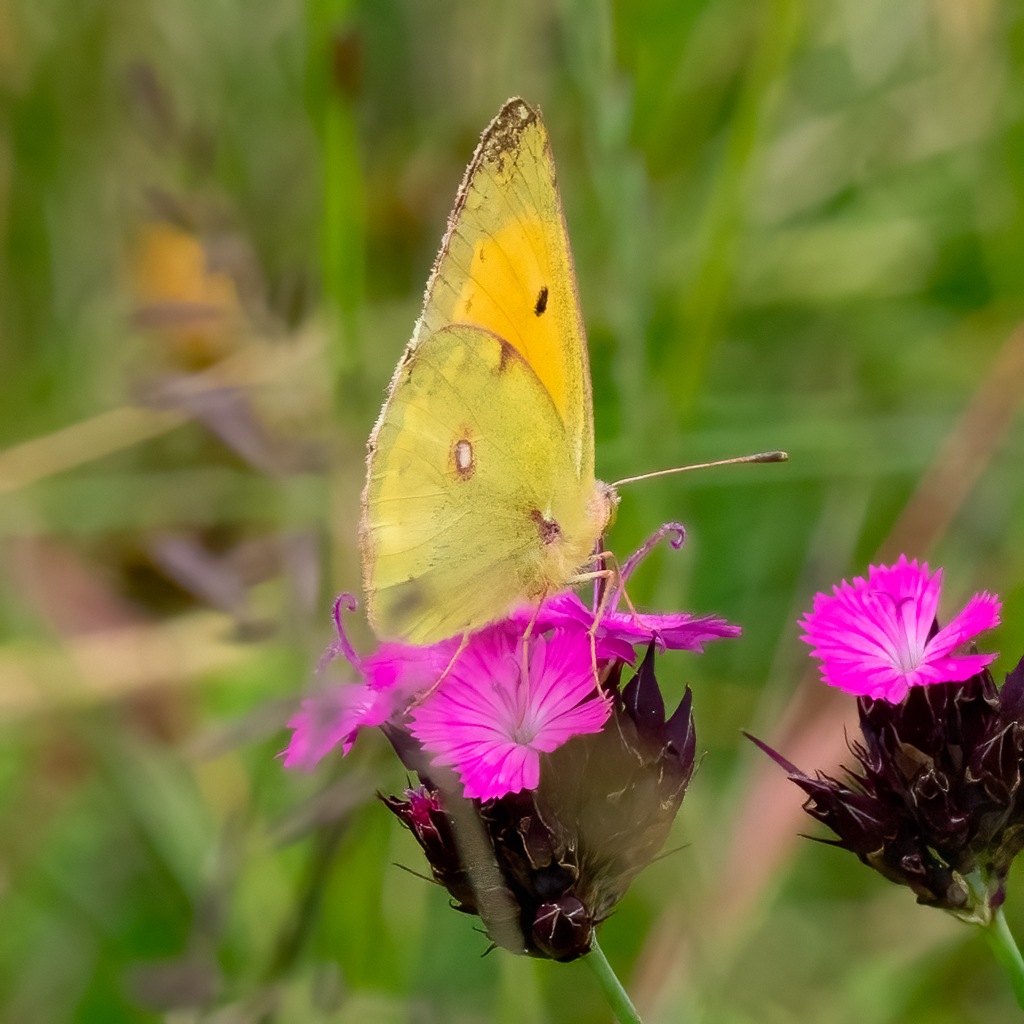
Pale Clouded Yellow
Knapweed Fritillary
Reverdin's Blue
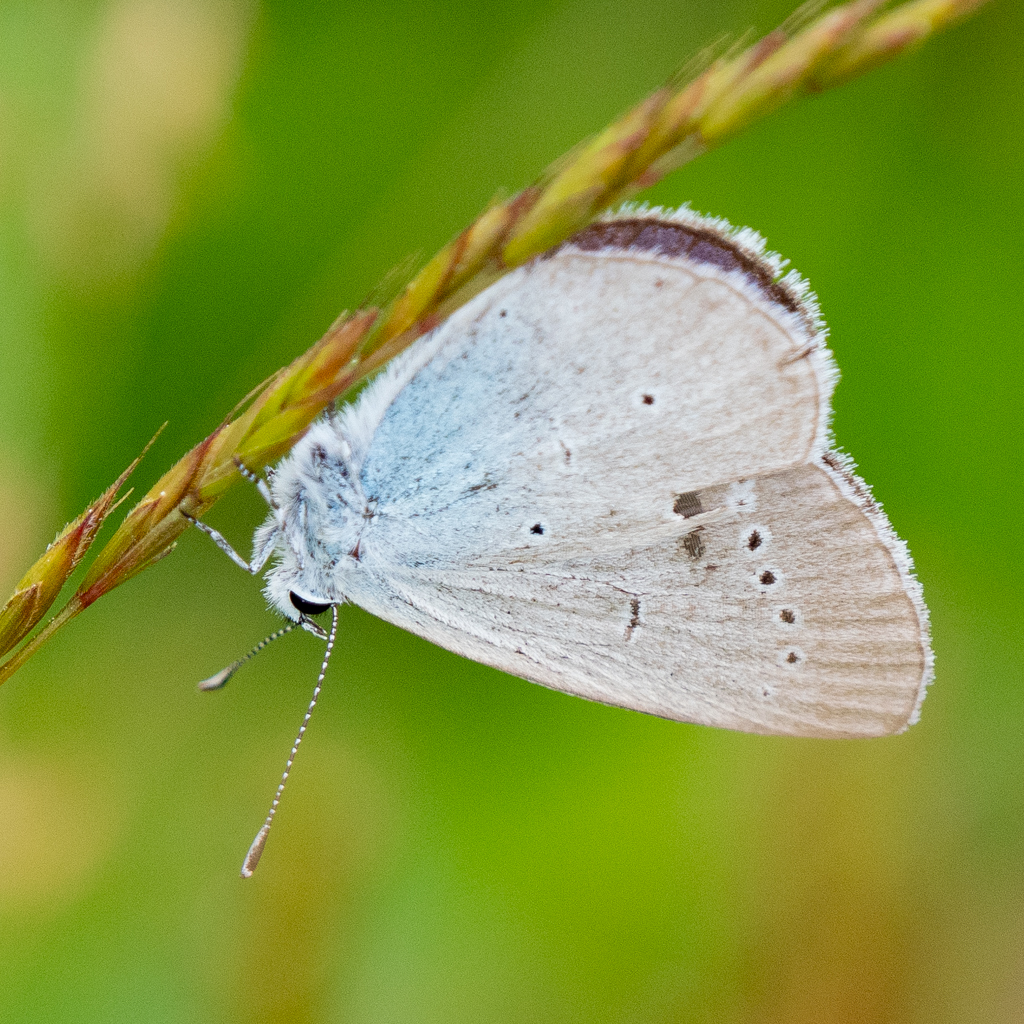
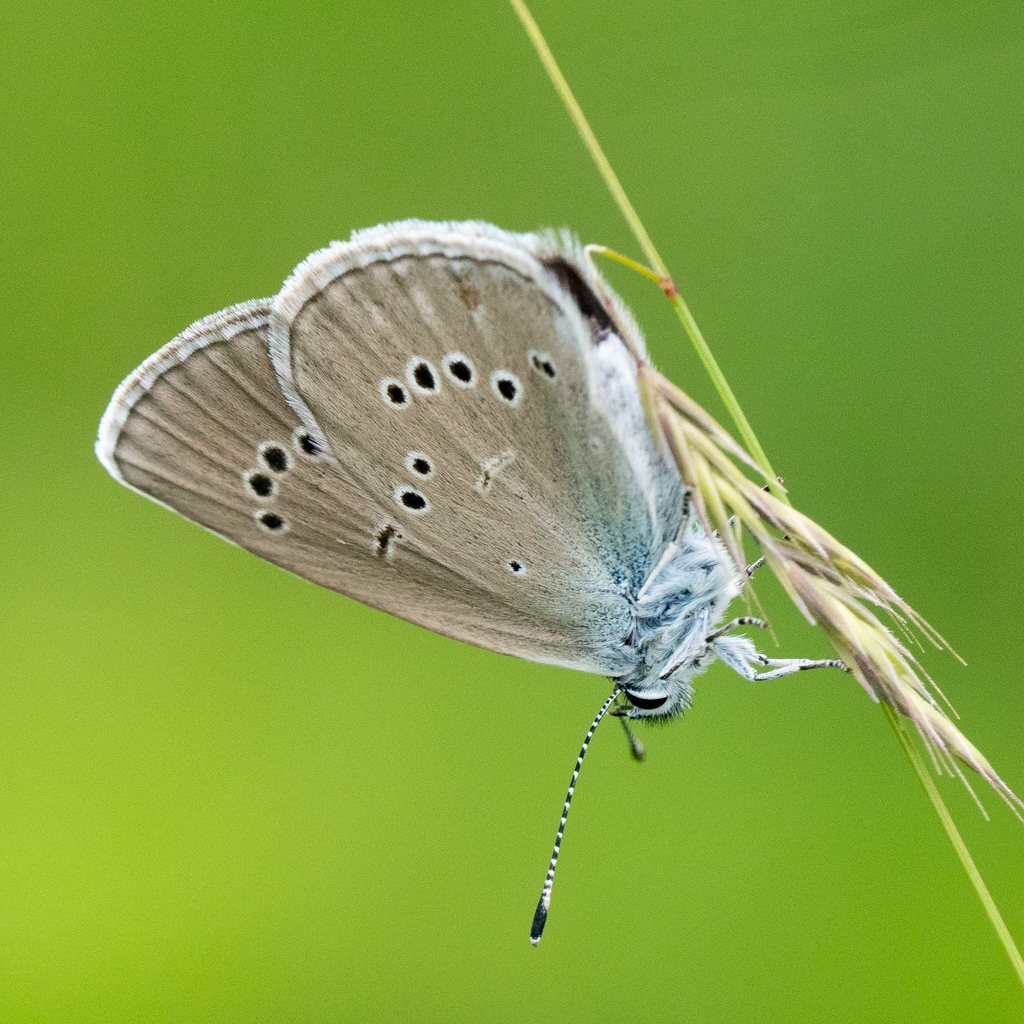
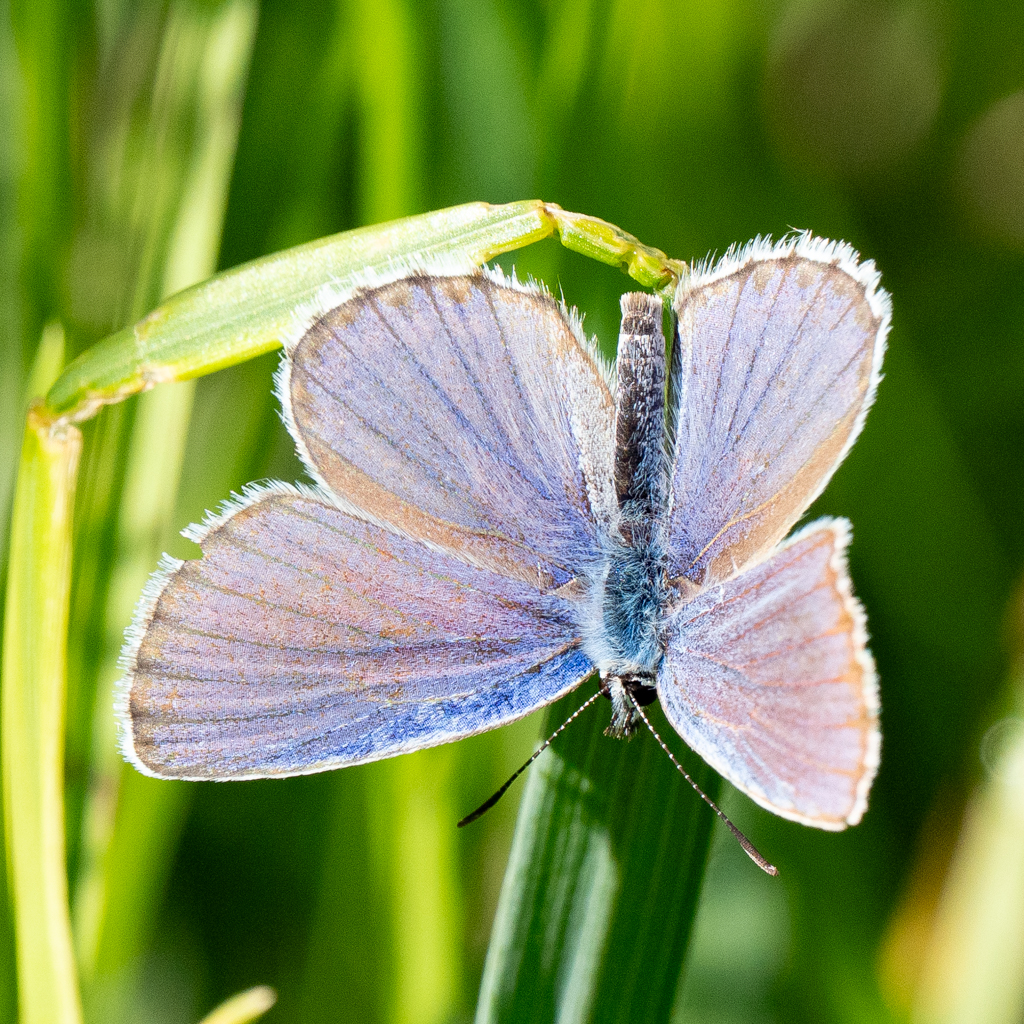
Mazarine Blue
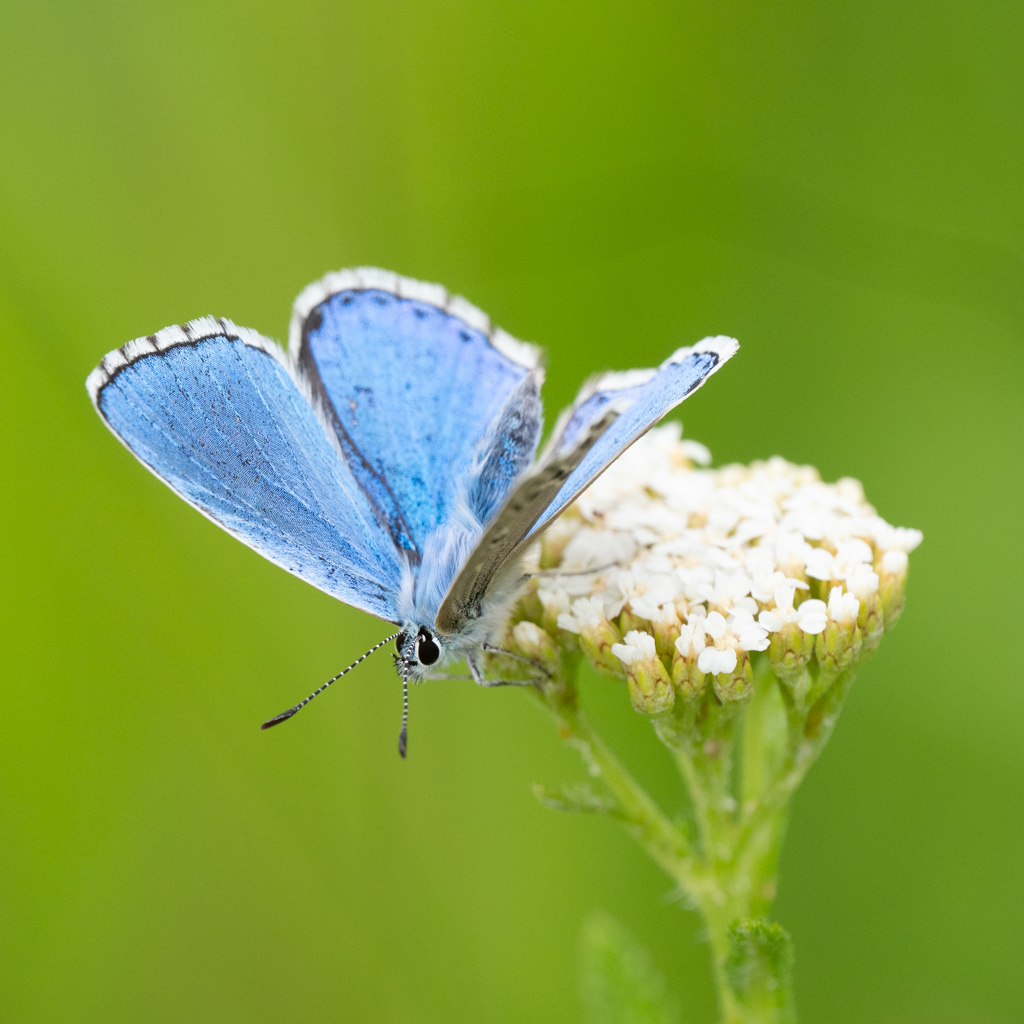
Adonis Blue
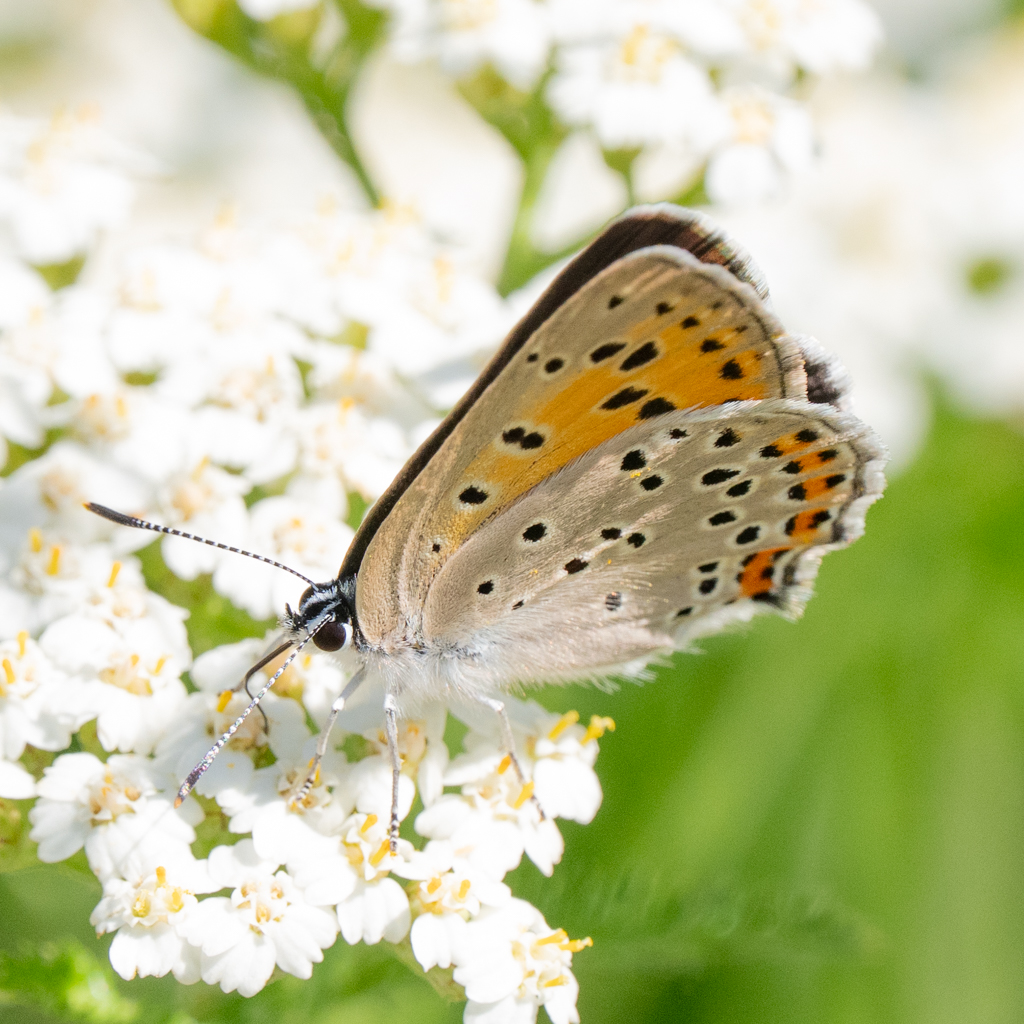
We then began moving down the hill and scanning the verges. Many butterflies were the same as we had encountered higher up the slope, but new species seen included Berger’s Clouded Yellow, Weaver’s Fritillary and Large Copper.
The roadside verges
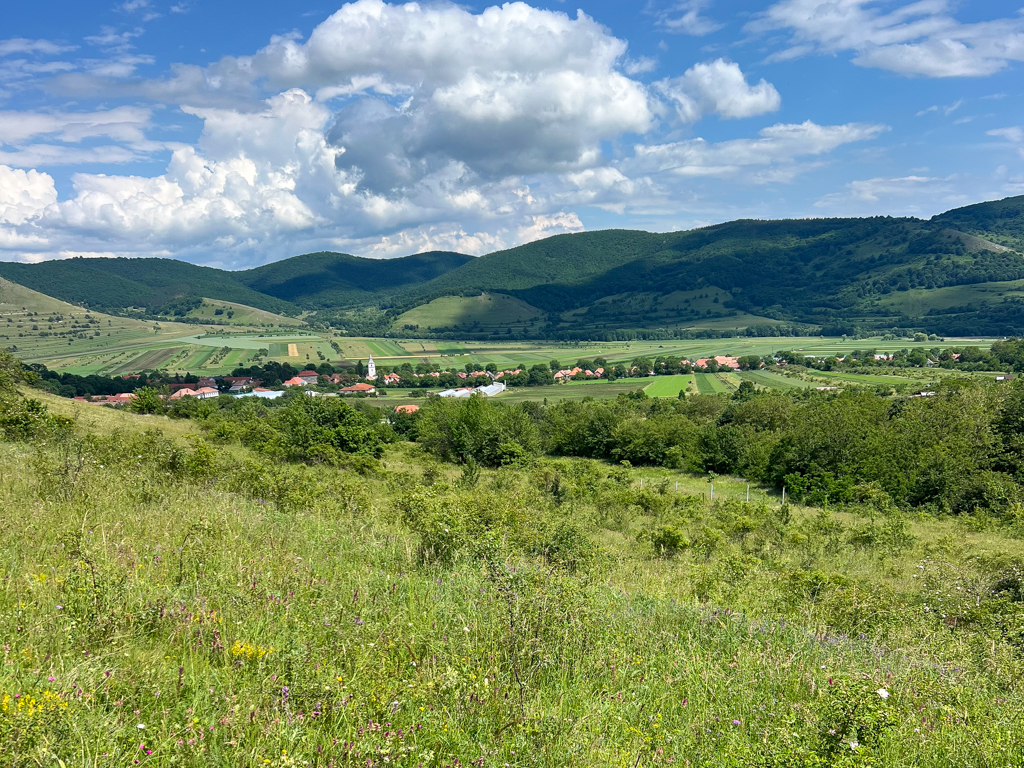
On the way down from the castle hill
Berger's Clouded Yellow
Weaver's fritillary
For the final session of the day we drove to a narrow track in a wooded area a few kilometres north of Rimetea. At the beginning of the track there was a trailer loaded with beehives suggesting there was plenty of flowers in the area and therefore hopefully lots of butterflies. This proved to be the case and soon we had a distant view of a Scarce Fritillary, but much closer we saw a beautiful Large Copper followed by a Pearly Heath. New butterflies for the trip were a Cardinal and the Scarce Fritillary.
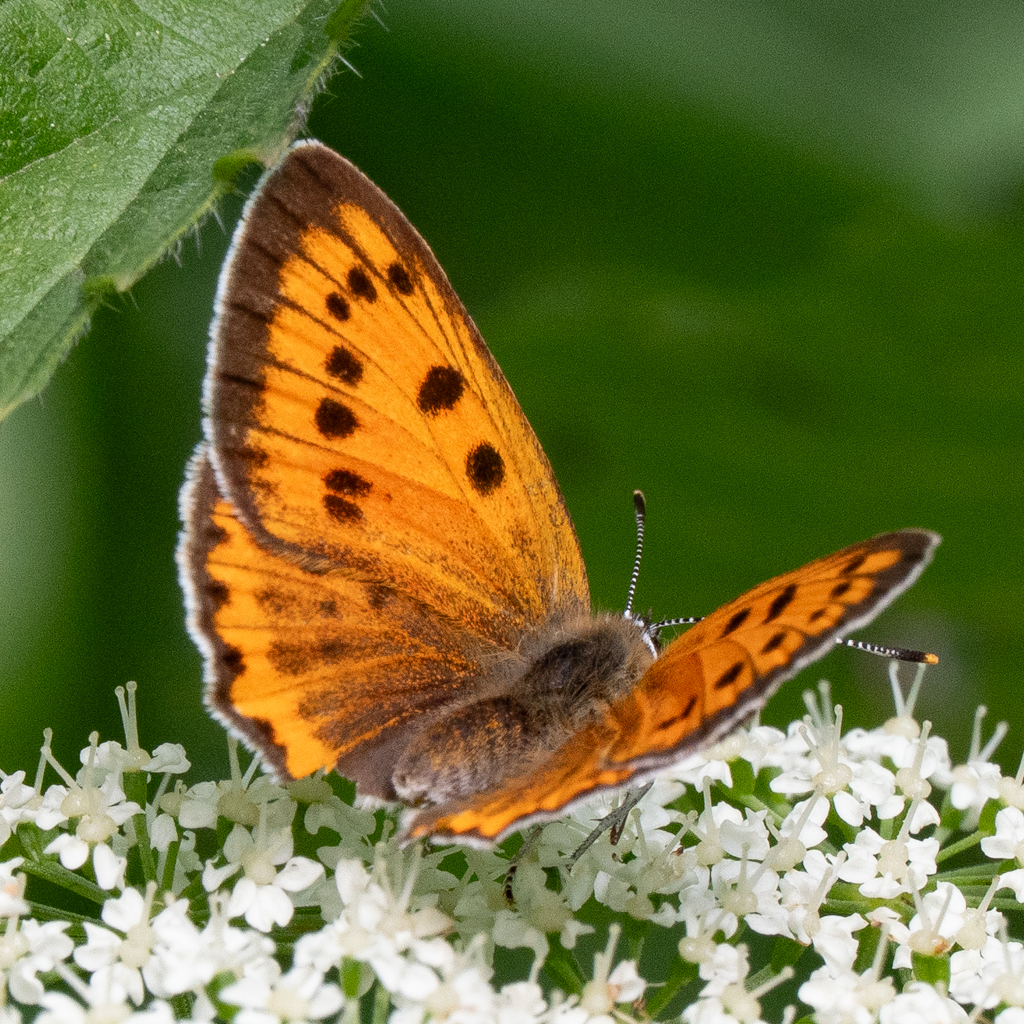
Large Copper
Cardinal butterfly
Clouded Yellow
Scarce Fritillary
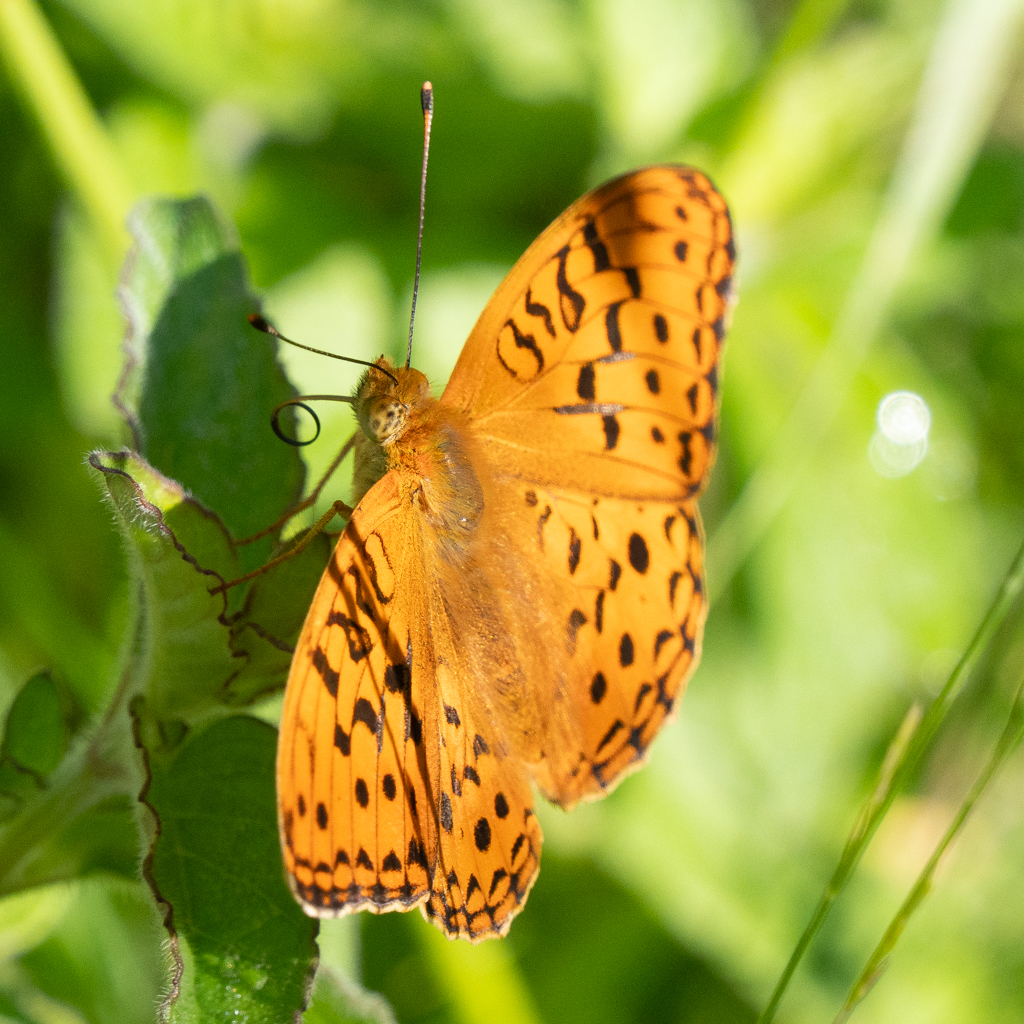
Tuesday 8 June was largely a travel day when we drove from Transylvania to the banks of the Danube in southern Romania. However, before starting the drive we revisited the track where ‘Dracula’s castle’ is located as it had been very productive on our first visit. We spent about an hour at the site and had good views of Chapman’s Blue and Red Admiral, plus Marbled Skipper and High Brown Fritillary, which were both new for the trip. The High Brown Fritillary was a particularly good butterfly to see as it is the rarest butterfly found in the UK.
Marbled Skipper
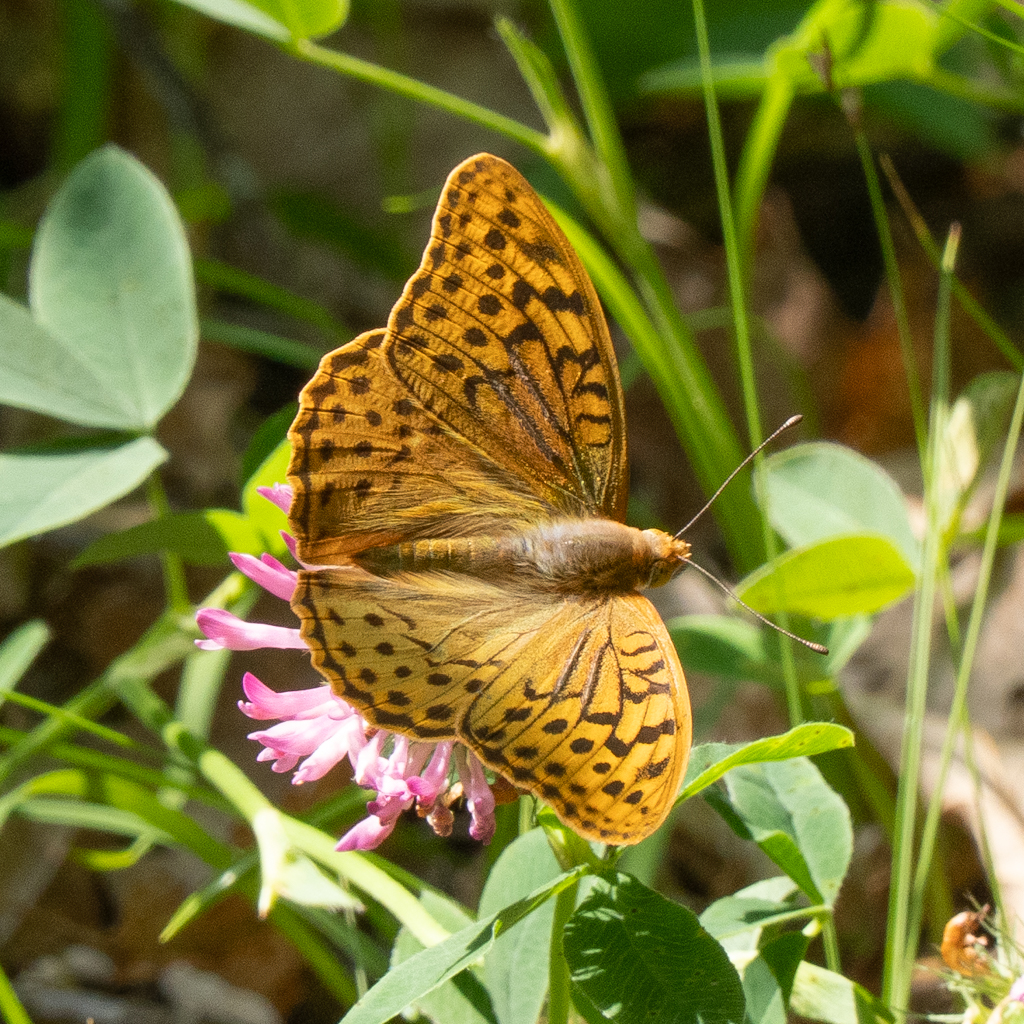
High Brown Fritillary
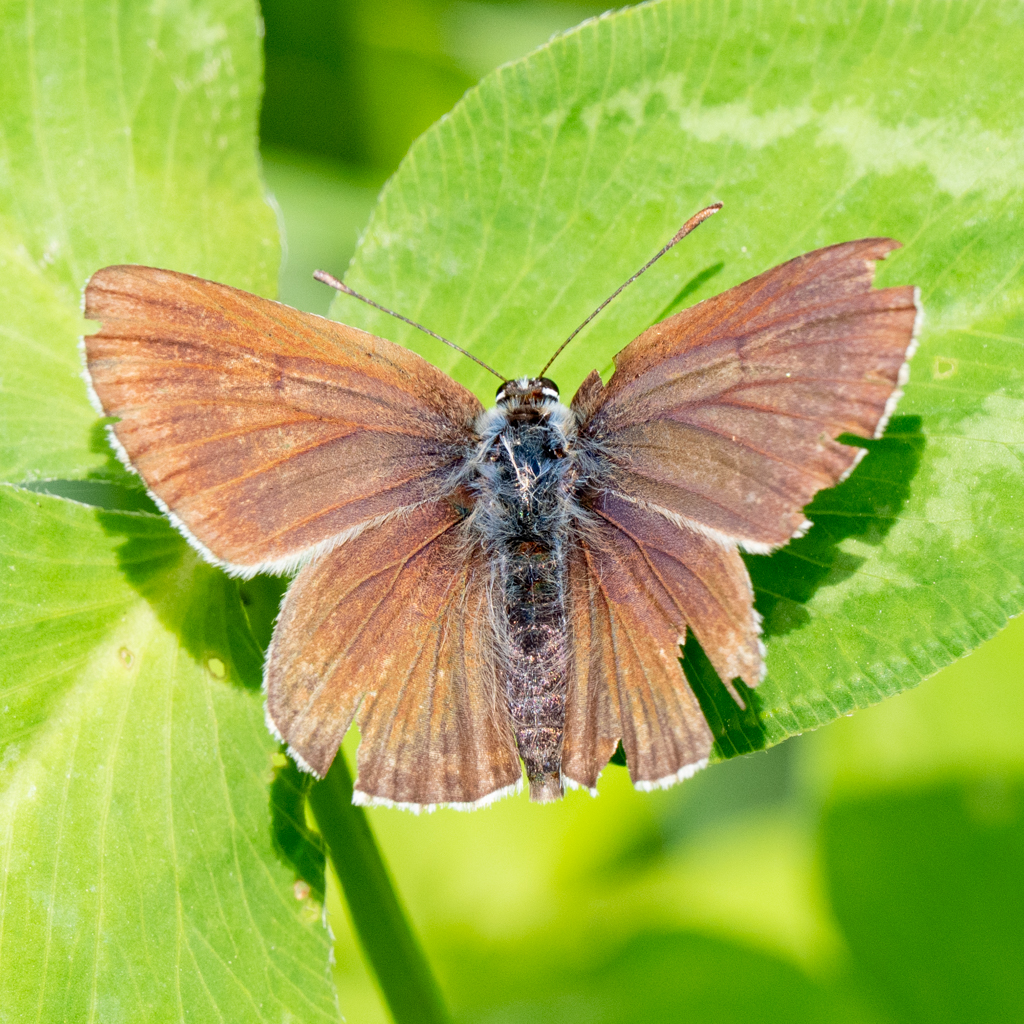
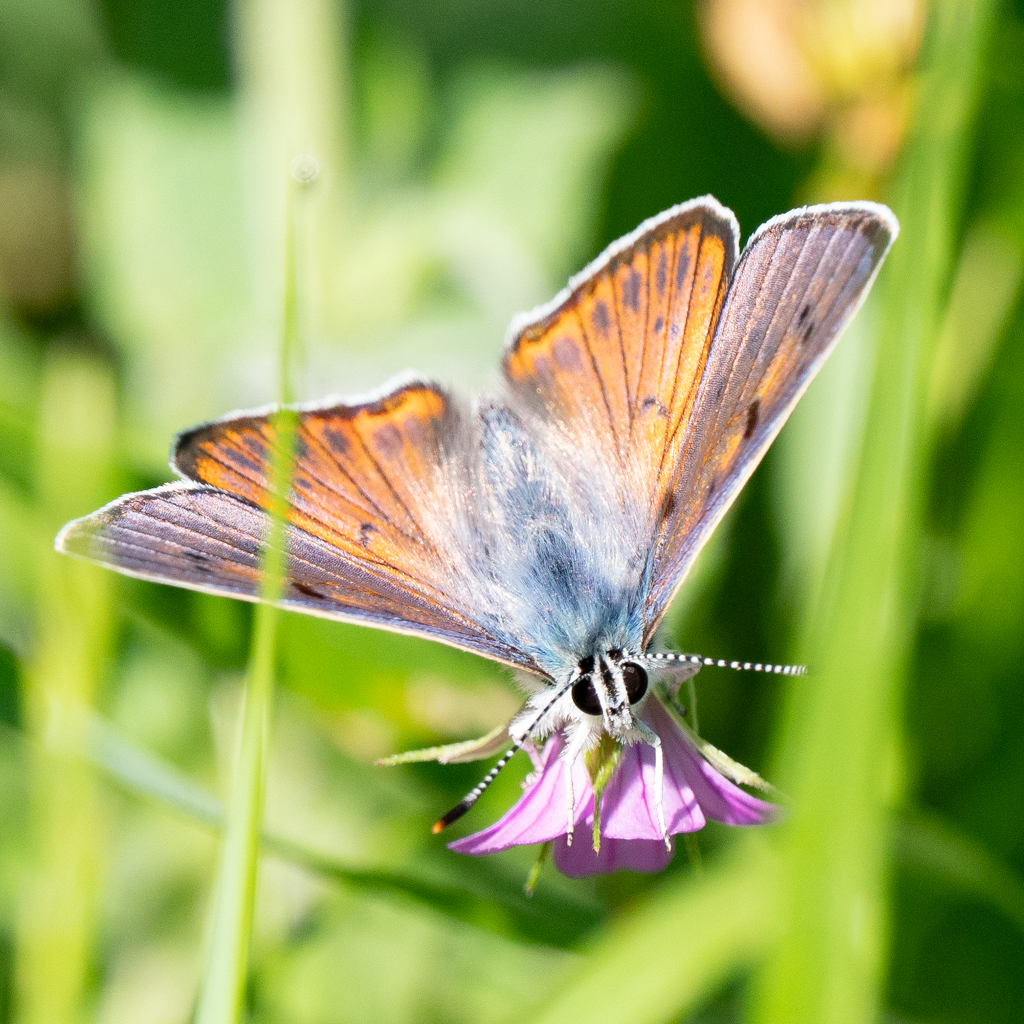
Purple-shot Copper
Mazarine Blue
When we’d travelled most of the way to the Danube, we stopped at a meadow just off the main highway close to Teregova. Here we had a brief view of a Balkan Black-veined White, but the grasses blowing in front of the butterfly stopped us getting a good photograph. However, we had more success with the Purple-shot Copper.
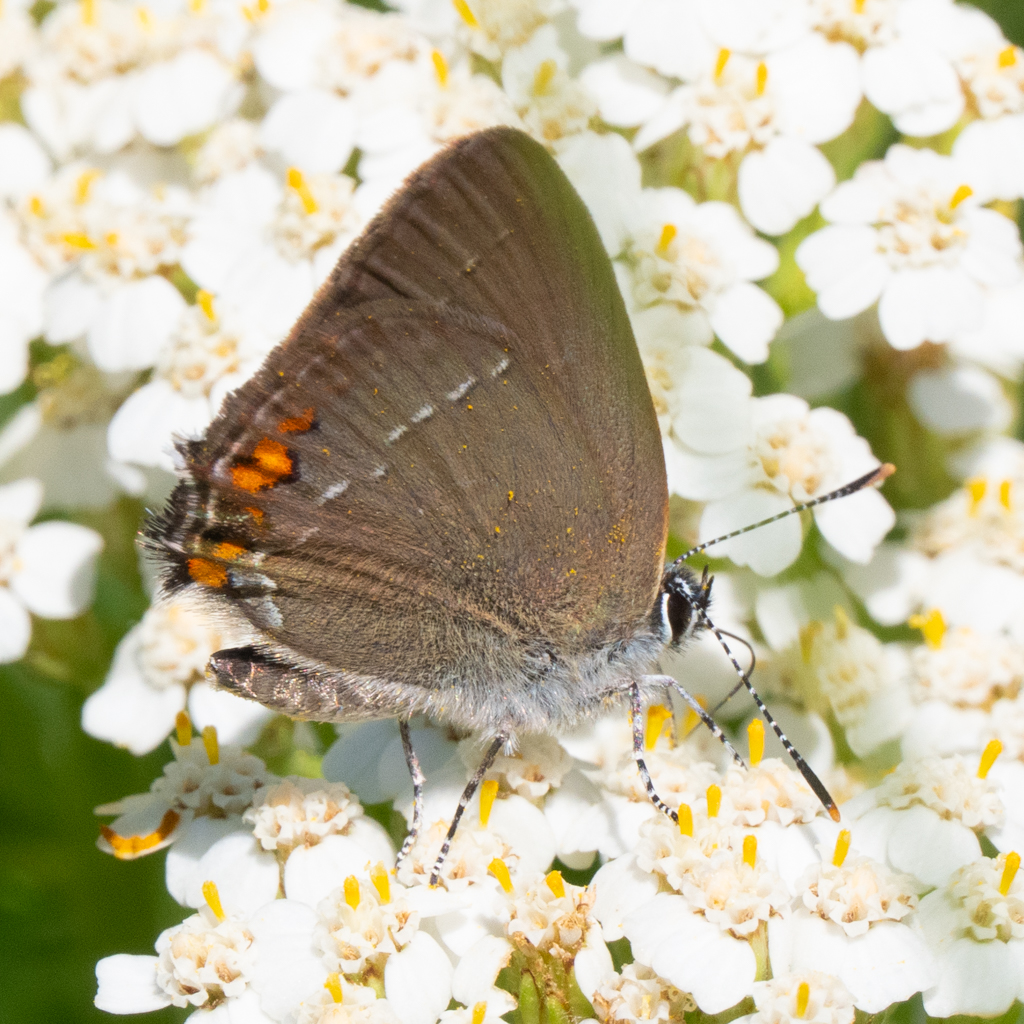
Sloe Hairstreak
Purple-shot Copper
After we’d had our break near Teregova, we drove the short distance to Eselnita on the northern bank of the Danube, which was to be our base for the second half of the trip.