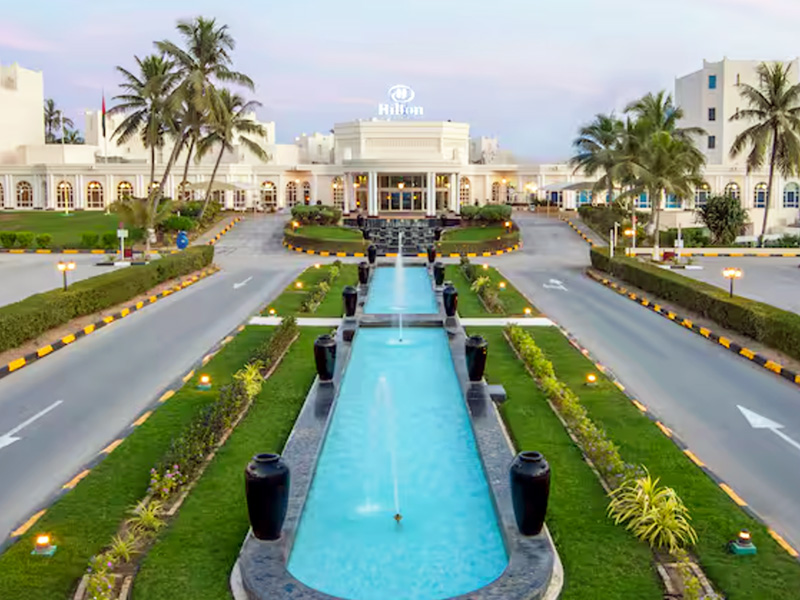
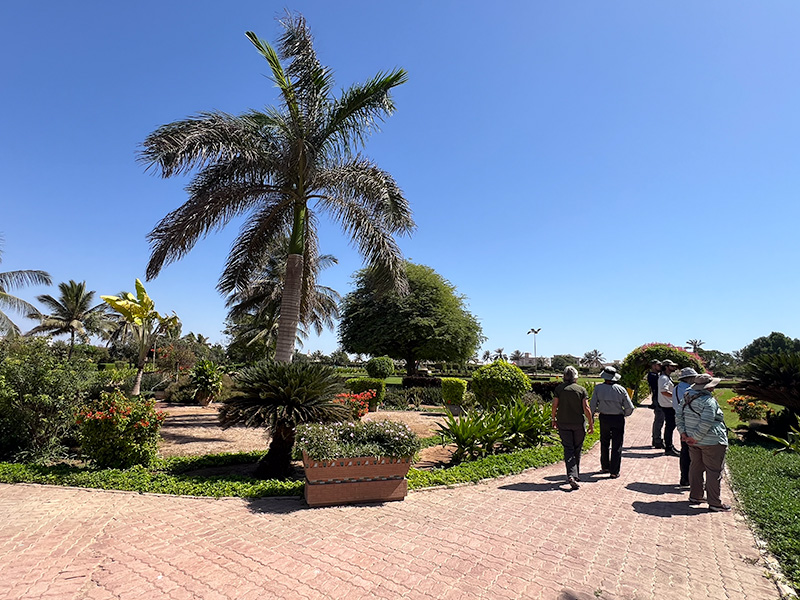
In Salalah we stayed at the very comfortable Hilton Hotel next to the beach, which proved to be a very good base for our four days of birding in this part of Oman.
The Hilton Hotel, Salalah
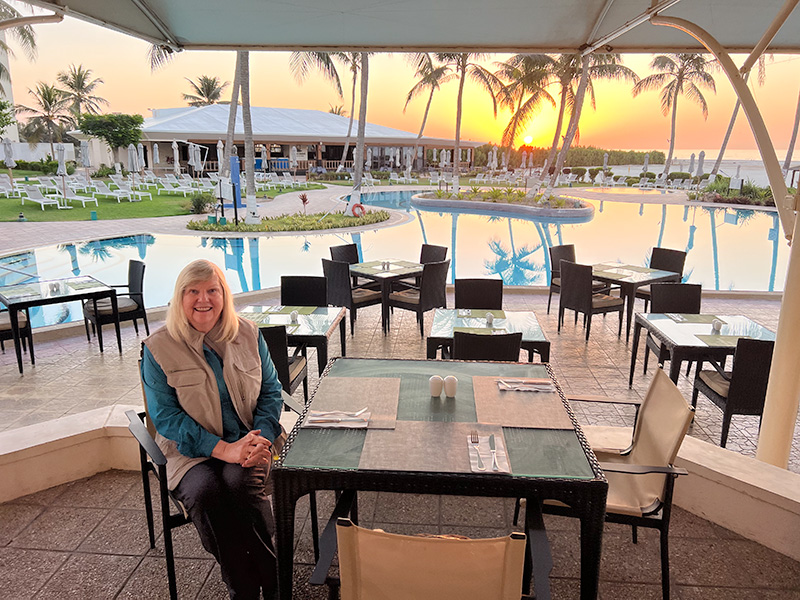
The dining room at the Hilton
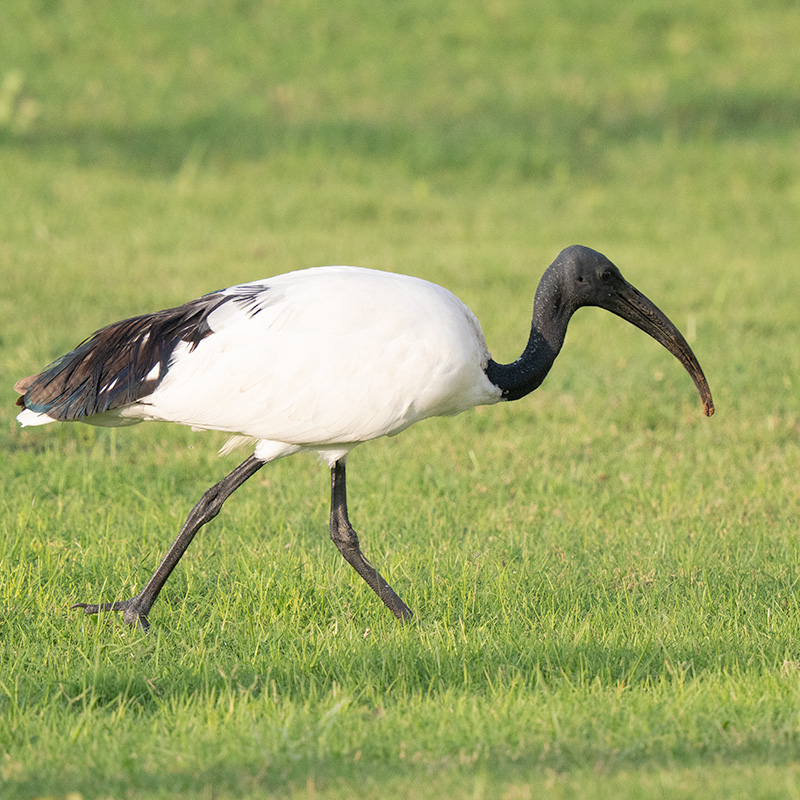
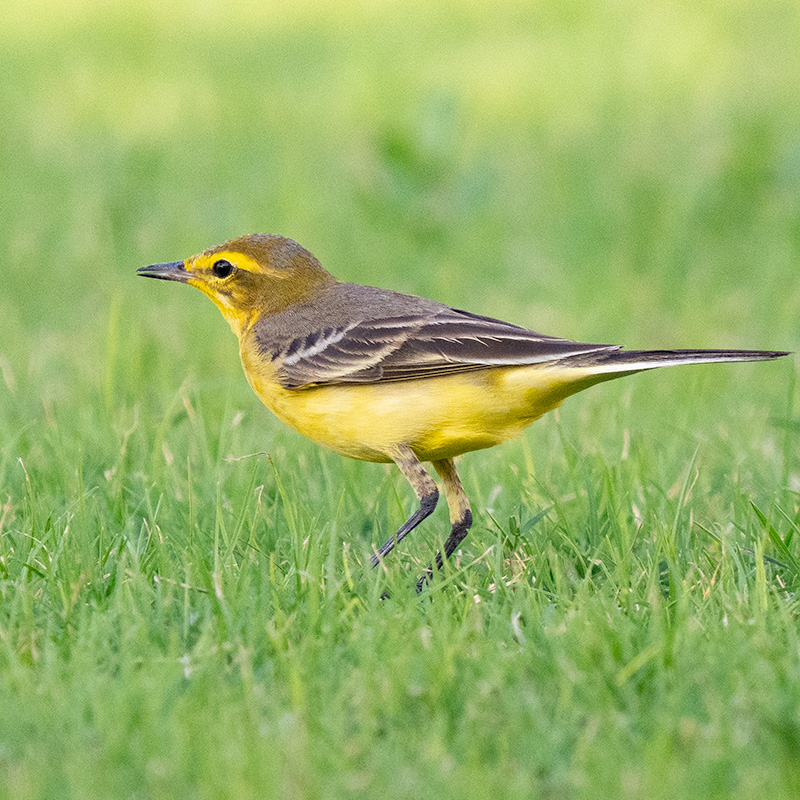
We checked in to the Hilton during the afternoon of 7 November and after a short rest went birding along the nearby beach. However, as soon as we left the front door of the hotel we saw interesting birds, including a Western Yellow Wagtail and an African Sacred Ibis.
African Sacred Ibis
Western Yellow Wagtail
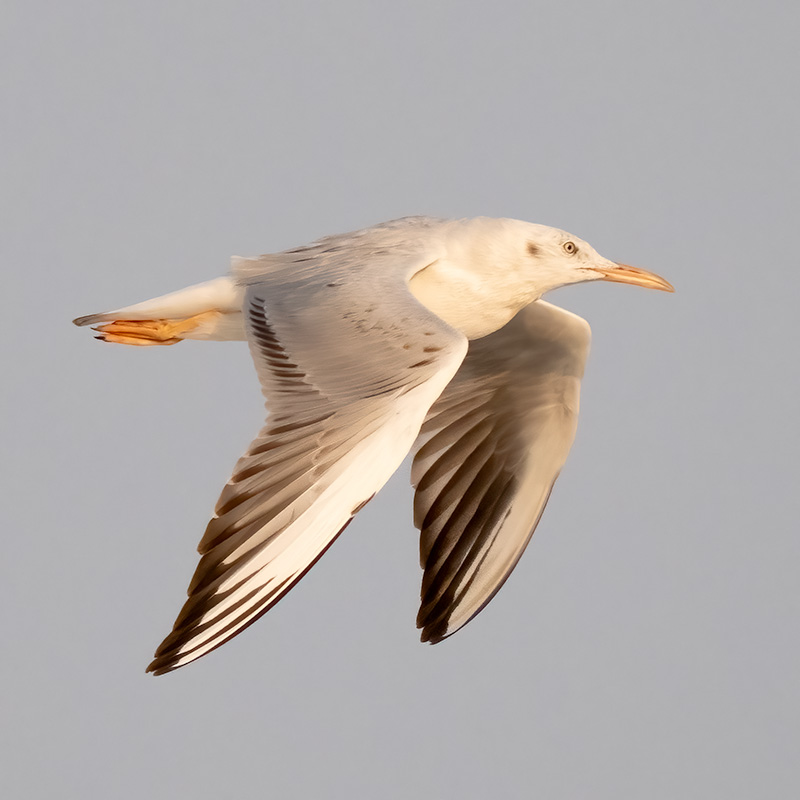
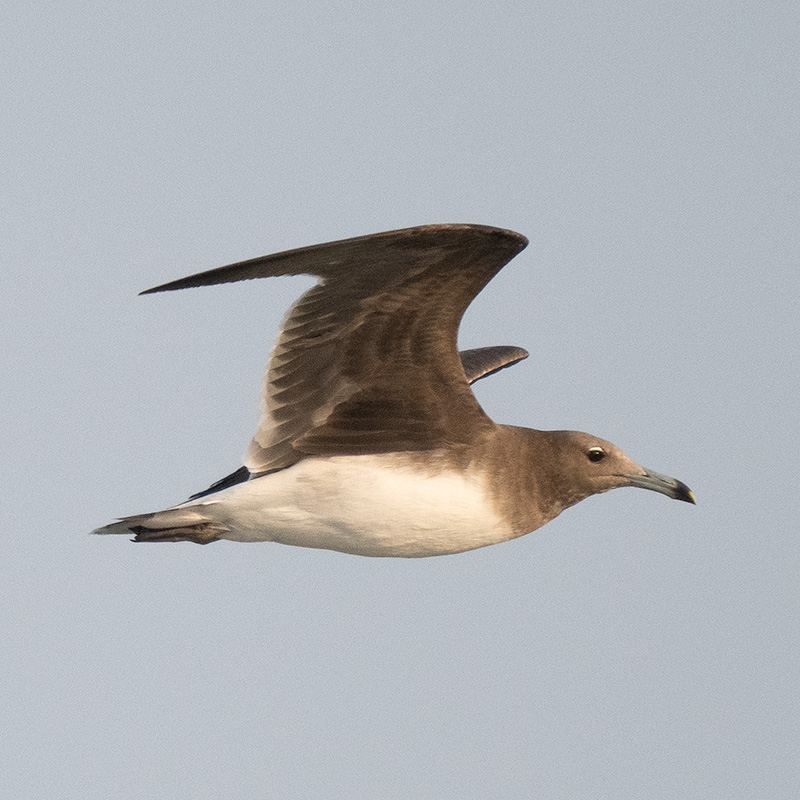
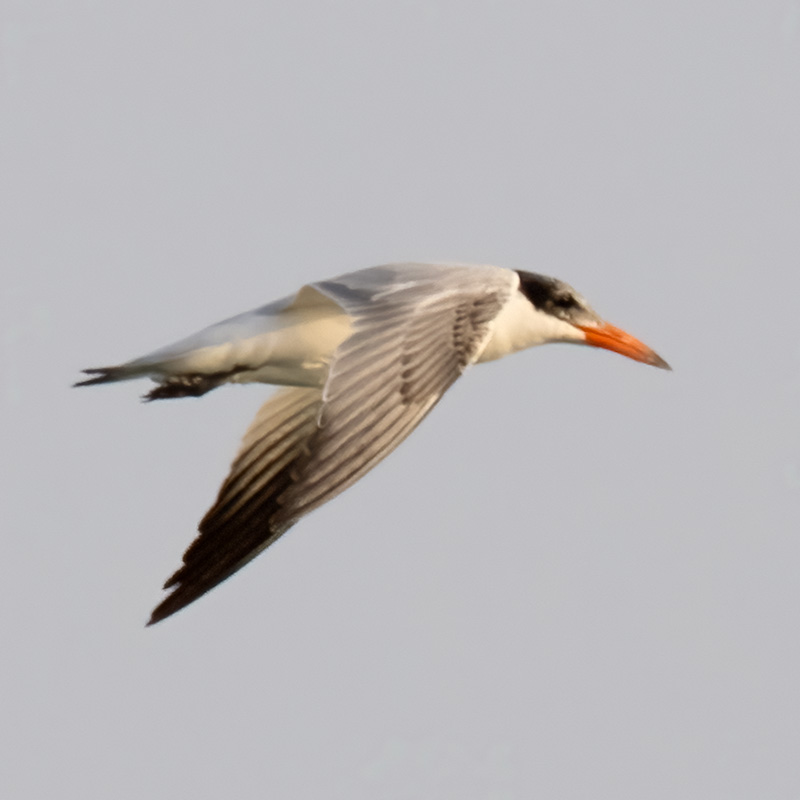
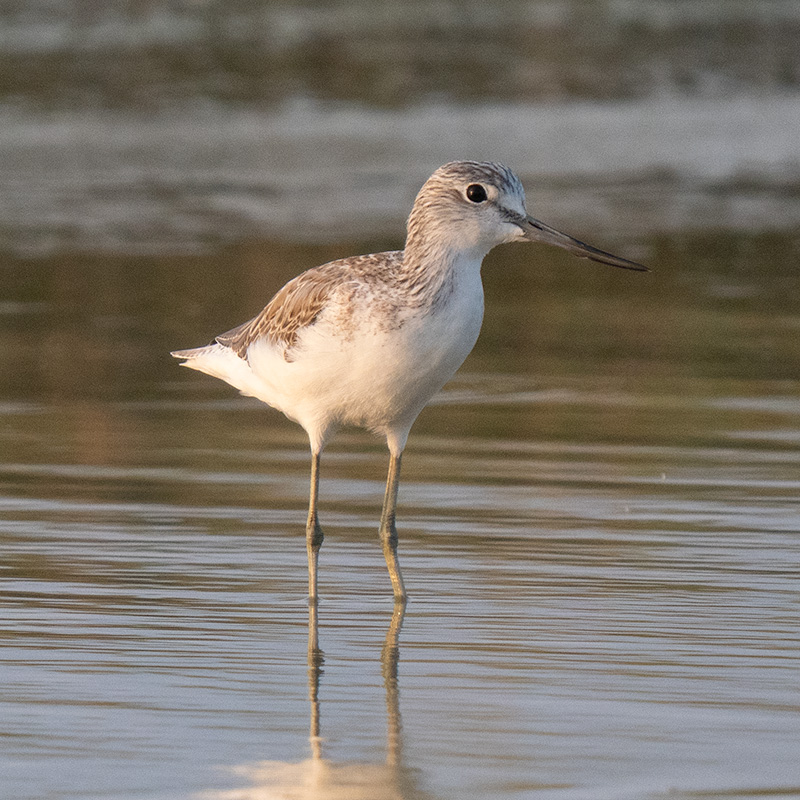
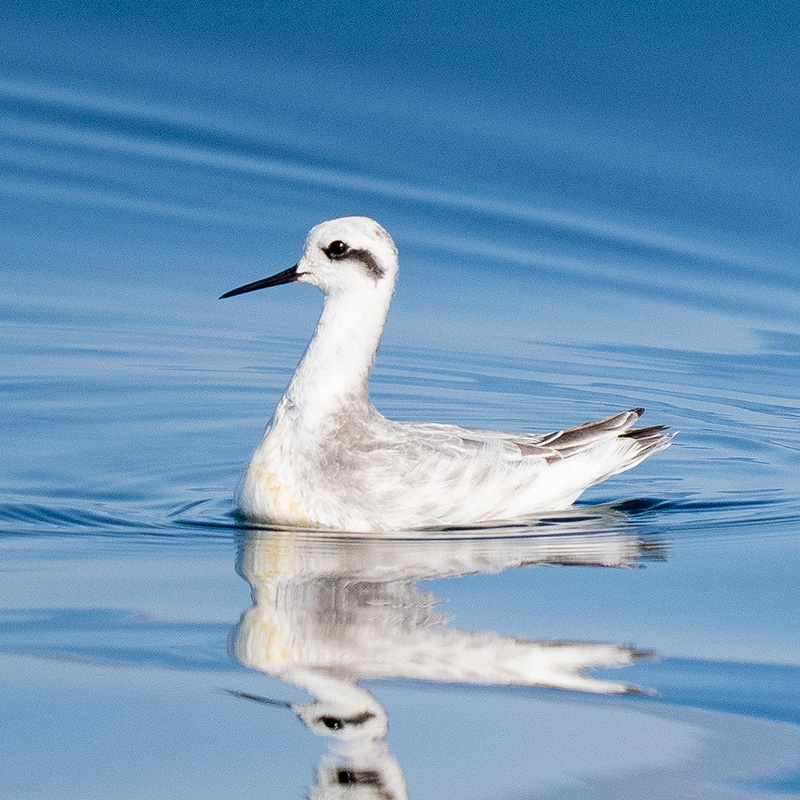
Once on the beach we saw lots of the very common Slender-billed Gull, along with Caspian and Sooty Gulls flying along the beach. Just inland a freshwater lake had Greater Flamingo, Common Greenshank, Medium Egret and Red-necked Phalarope.
Slender-billed Gull
Sooty Gull
Caspian Tern
Common Greenshank
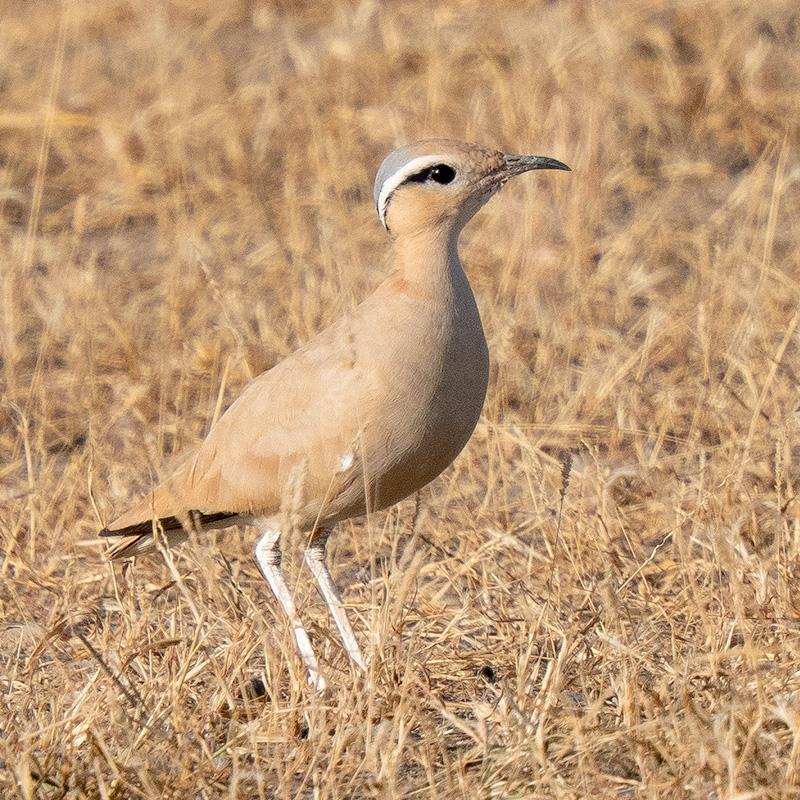
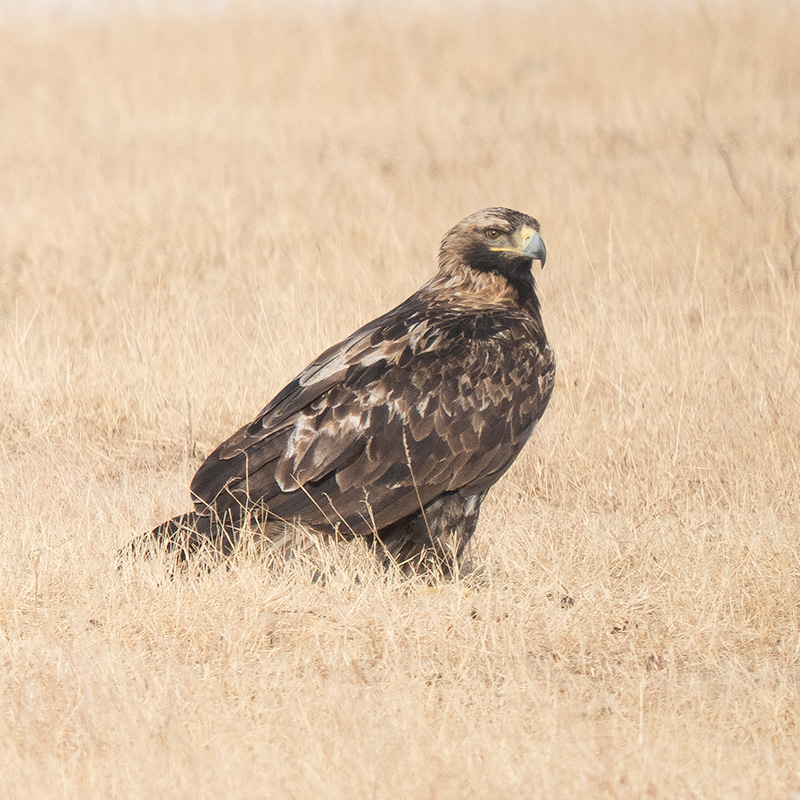
Our first full day of birding out of Salalah was on 8 November and we began by visiting Ayn Hamran in the coastal area to the east of the city where we visited the savanna forest and the Ayn Razat Park. Soon we had Forbes-Watson Swift flying over, but the first good photos we got were of a Cream-coloured Courser that looked gorgeous in the early morning light. Nearby we had an Imperial Eagle resting in a field.
Cream-coloured Courser
Imperial Eagle
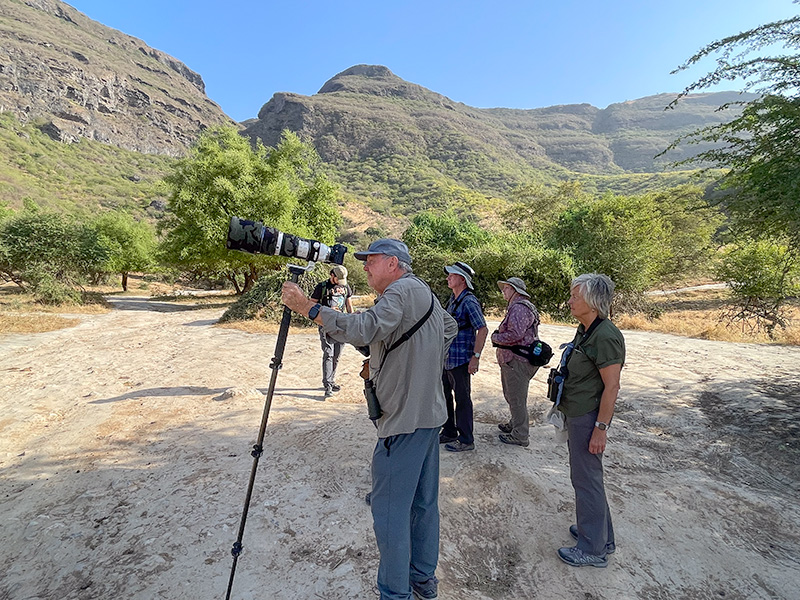
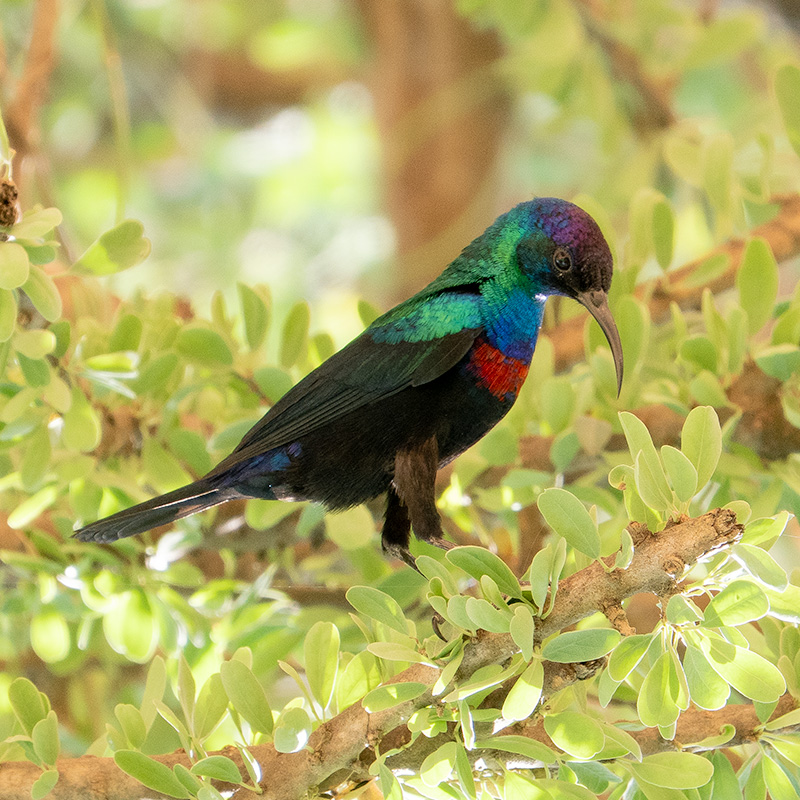
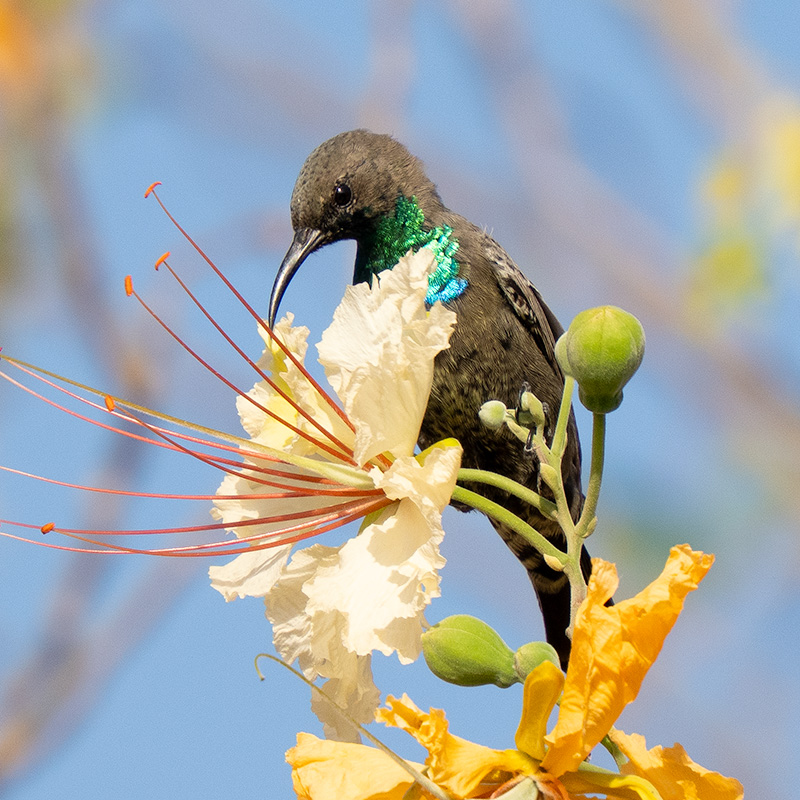
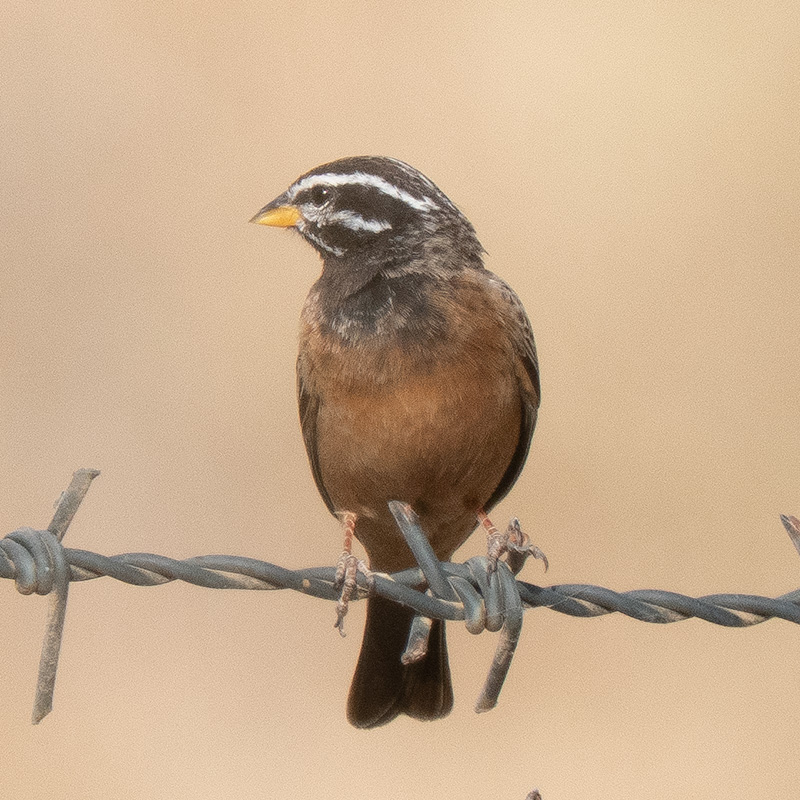
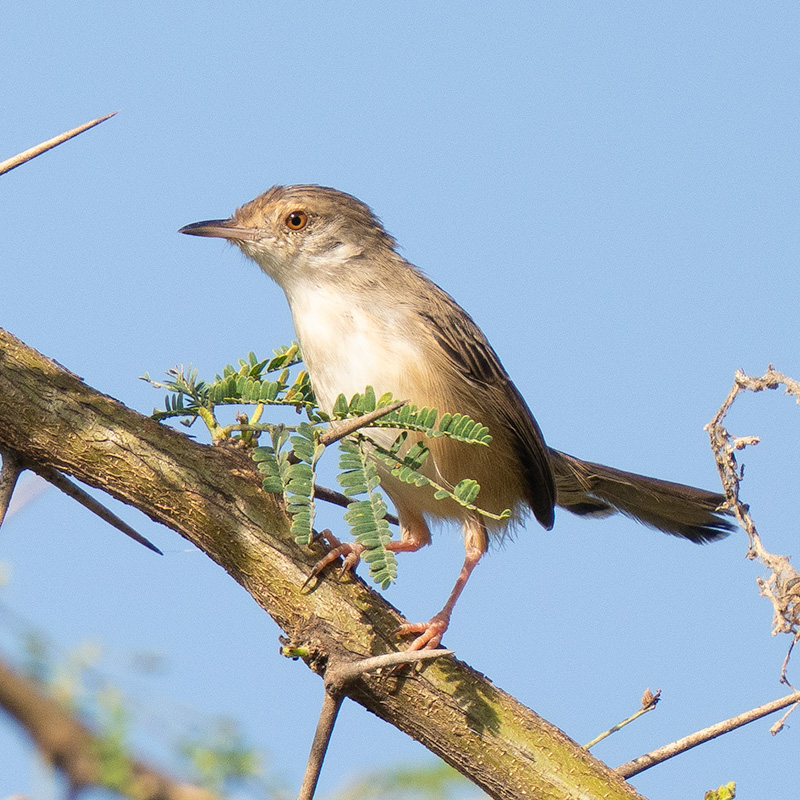
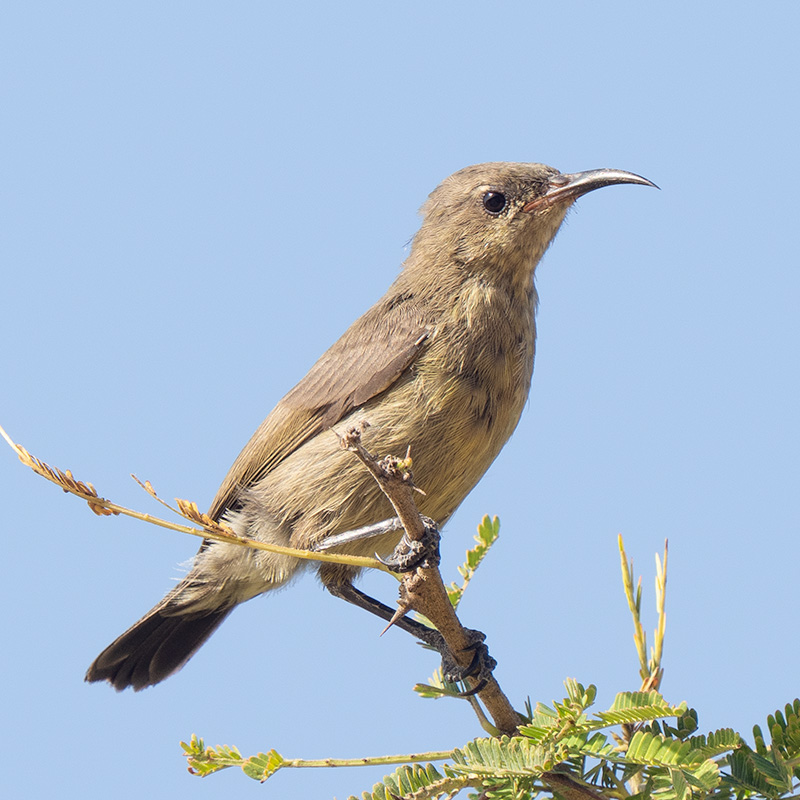
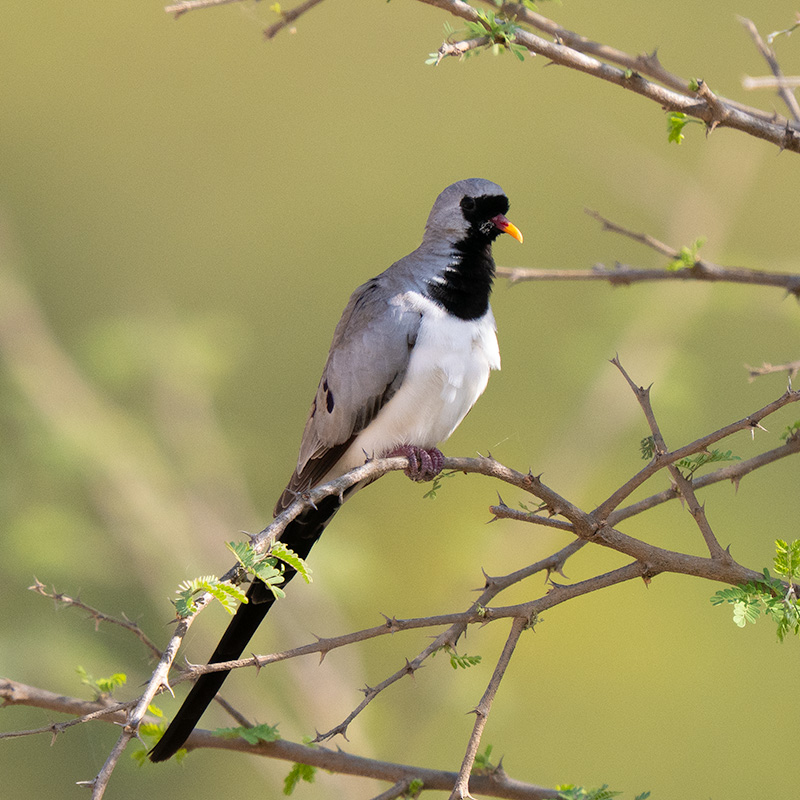
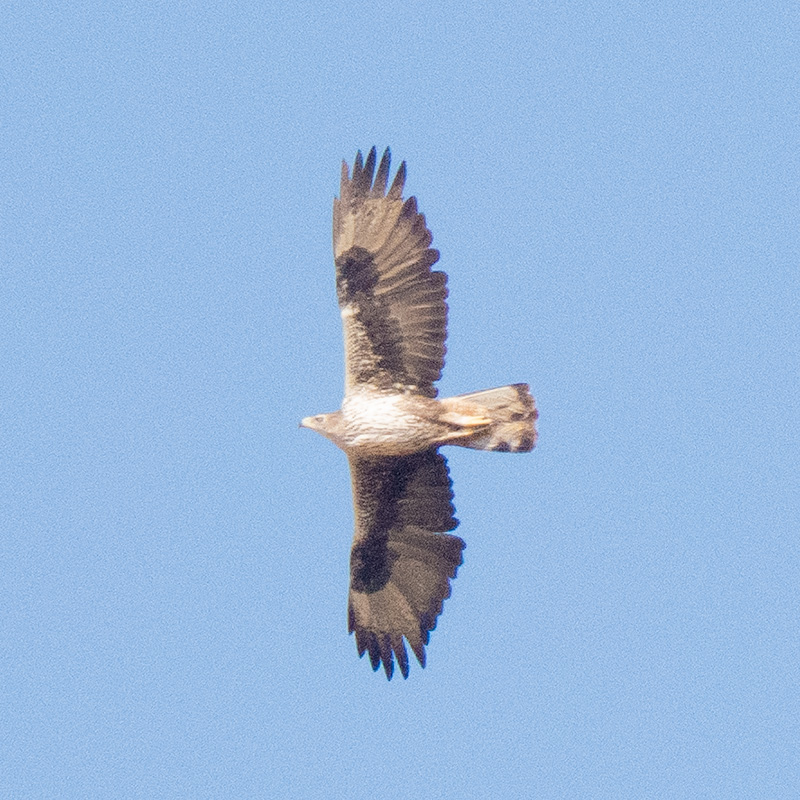
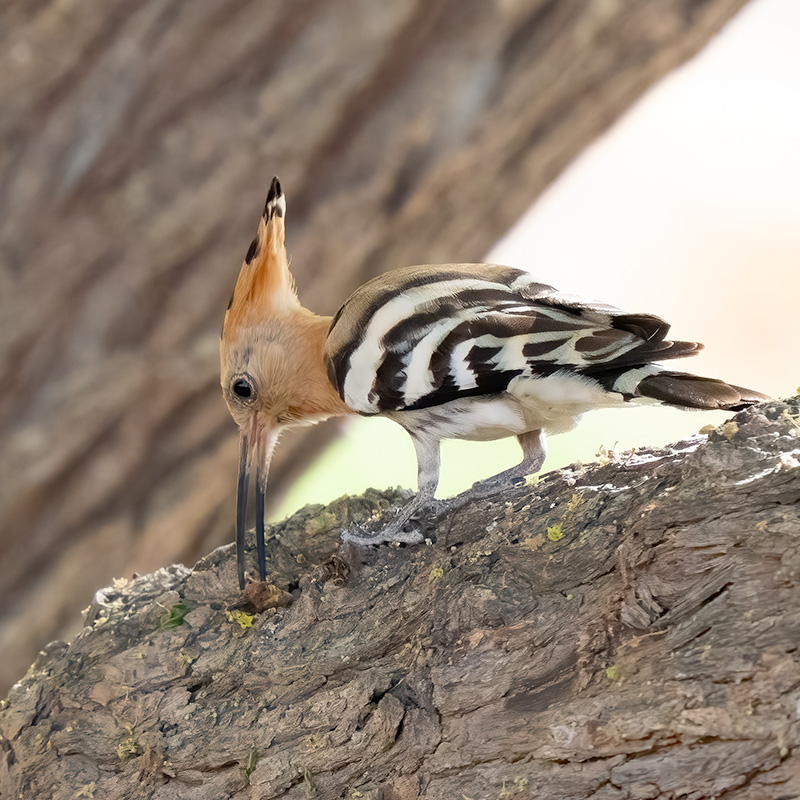
A walk through the Savanna woodland was very productive and we had good view of Cinnamon-breasted Bunting, a female Arabian Sunbird, Graceful Prinia, Namaqua Dove, Palestine Sunbird and Ruppell’s Weaver. Overhead a Bonelli’s Eagle was soaring. As we drove out of the forest a Eurasian Hoopoe was searching for insects on a tree beside the road.
Ayn Razat Park
Birding in Ayn Hamran
Arabian Sunbird (male)
Arabian Sunbird (female)
Abyssinian White-eye
Cinnamon-breasted Bunting
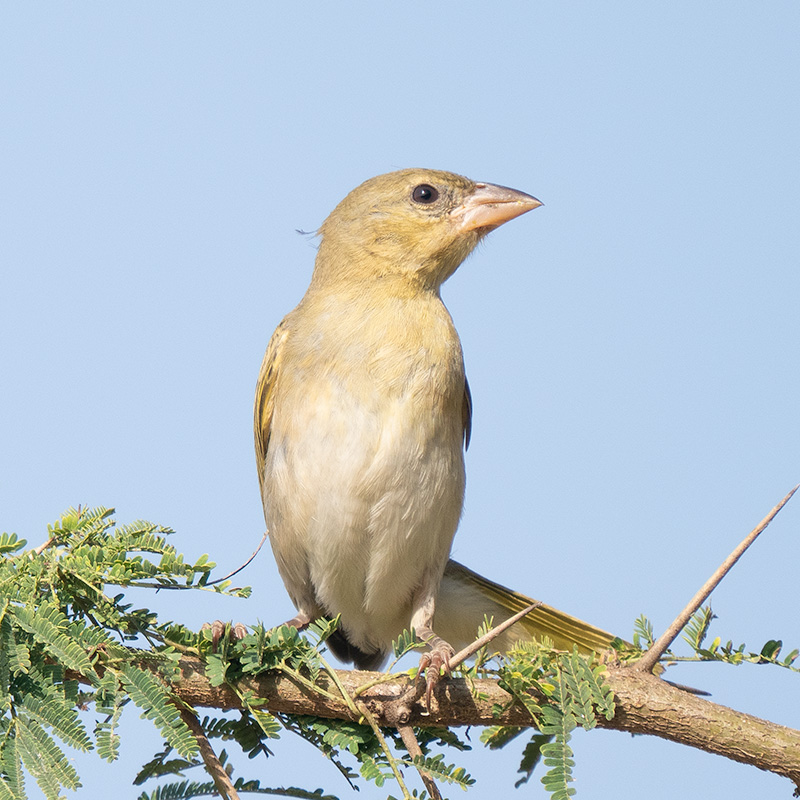
Ruppell's Weaver (female)
Graceful Prinia
Palestine Sunbird
Namaqua Dove
Bonelli's Eagle
Eurasian Hoopoe
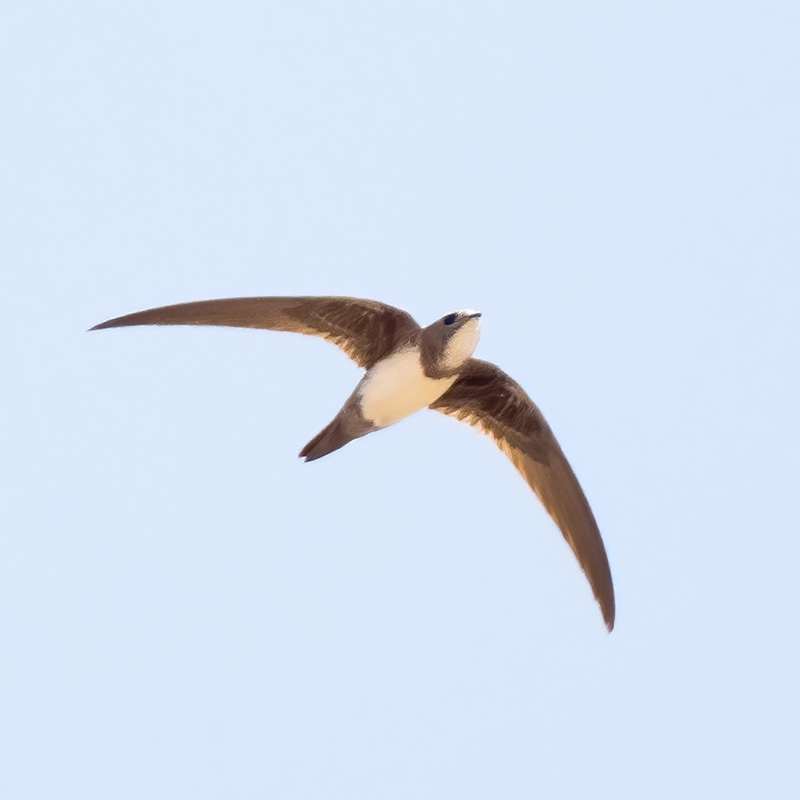
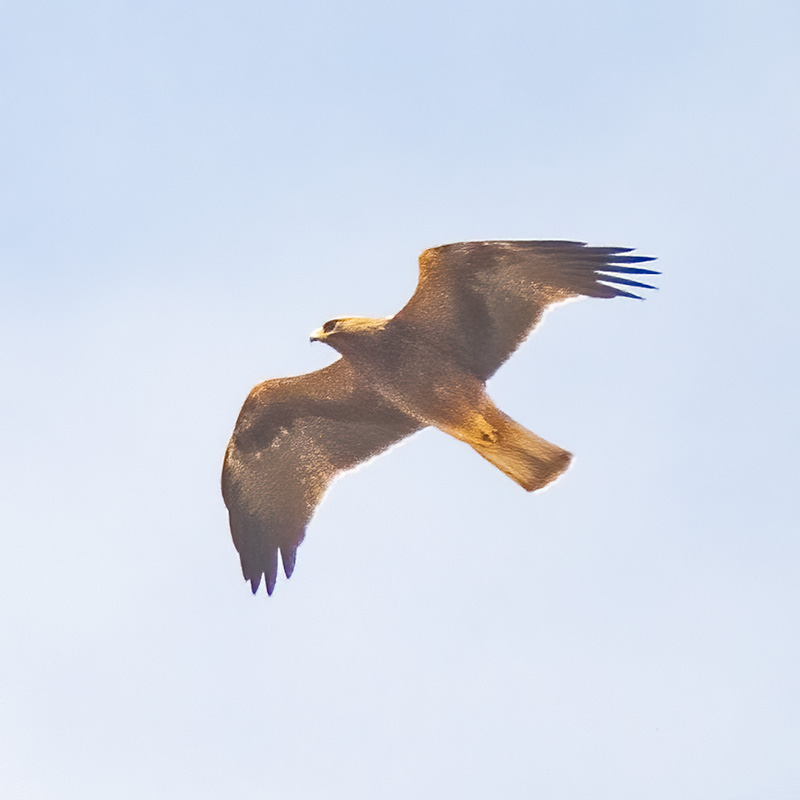
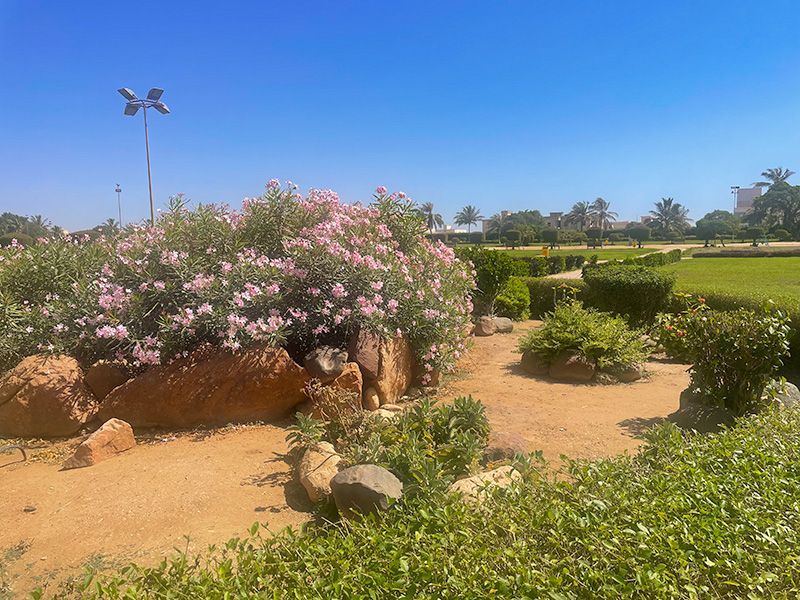
We then drove the short distance to Ayn Razat Park, which is a popular tourist destination on the outskirts of Salalah. At the centre of the park is a beautiful enclosed area that is full of flowers and trees which looked promising for drawing in birds. But when we arrived we found the gate inexplicably locked with no-one around to open it. The best we could do was walk around the edge of the locked area scanning for birds. Early in our walk we had good views of fly overs by Alpine Swift, Short-tailed Snake Eagle, Booted Eagle, and Long-legged Buzzard.
Alpine Swift
Booted Eagle
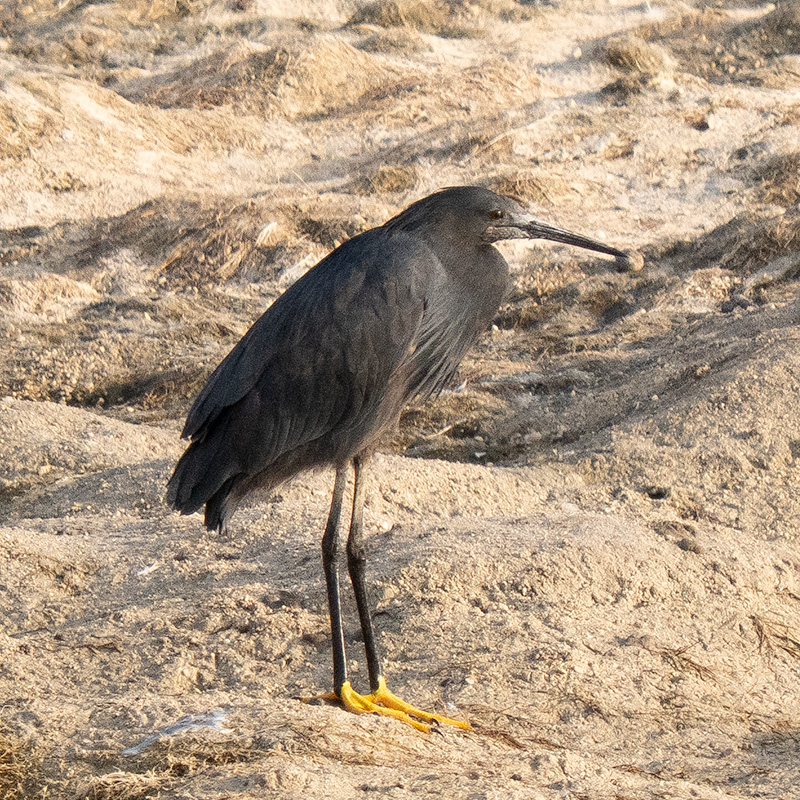
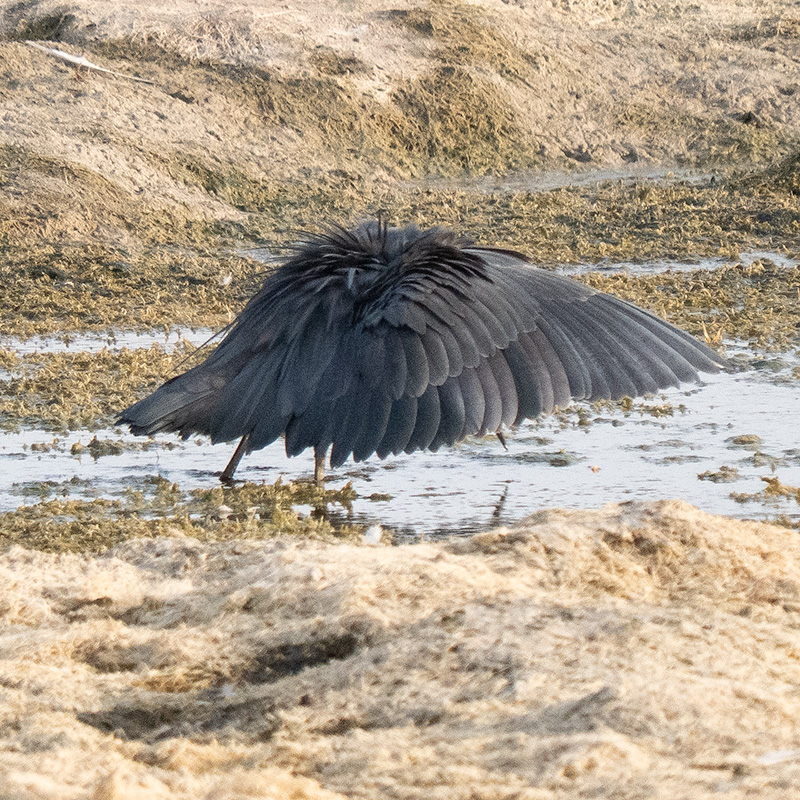
After lunch at our hotel and a rest in the early afternoon we drove to Al Mughsayl to the west of Salalah for some evening birding. Starting at the coast, we first had distant views of a White-cheeked Tern along with other shorebirds, but we got the best photographs of a Black Heron fishing under his ‘umbrella’ created by fanning out his wings.
Black Heron
Black Heron
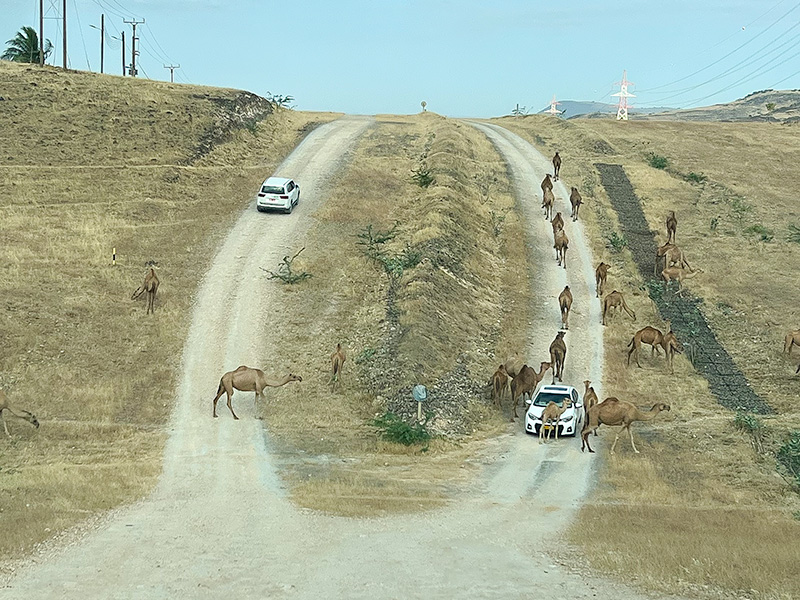
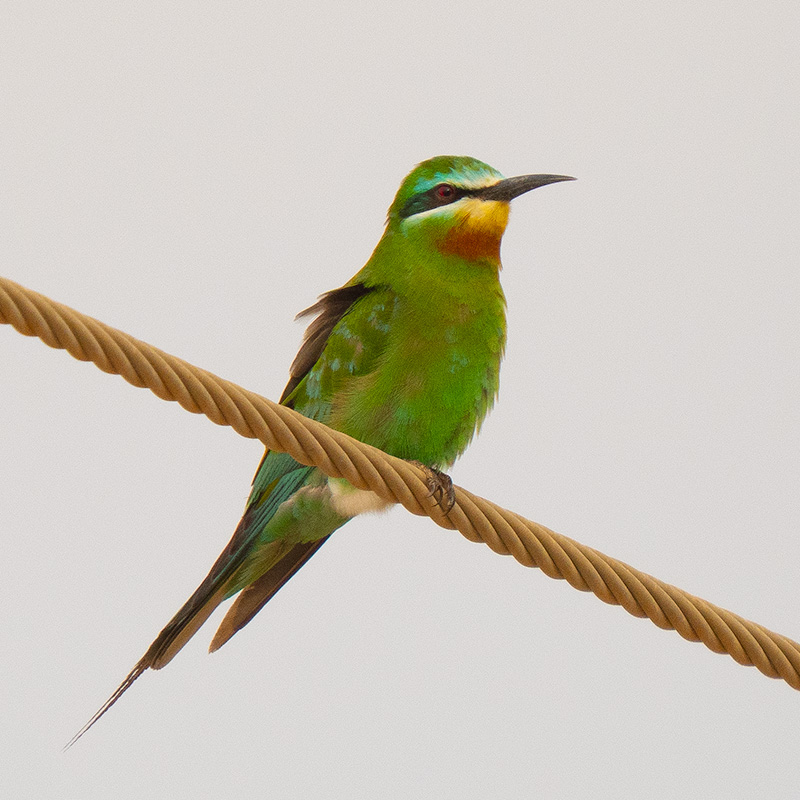
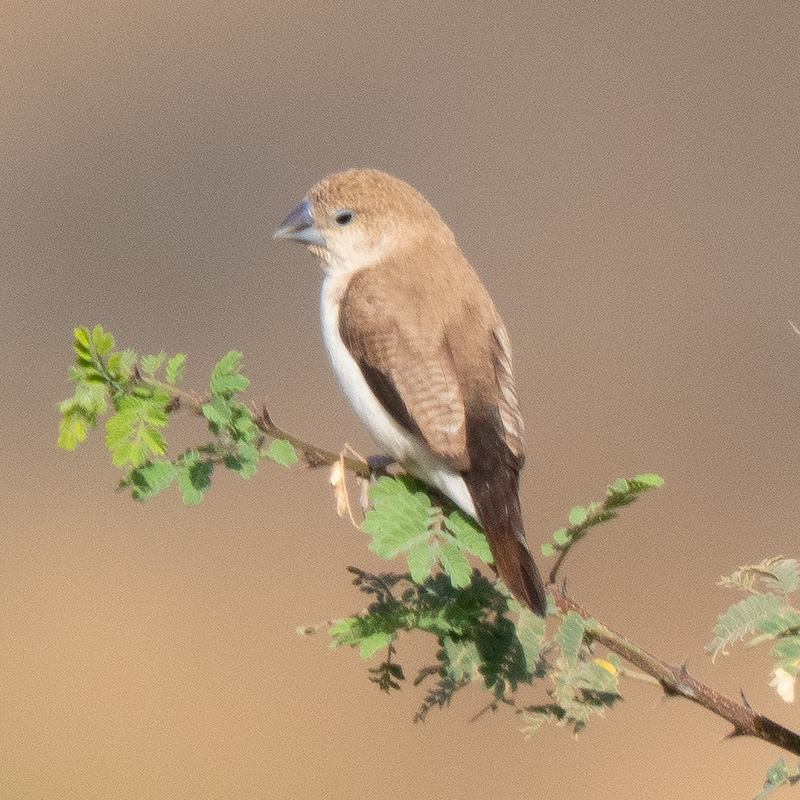
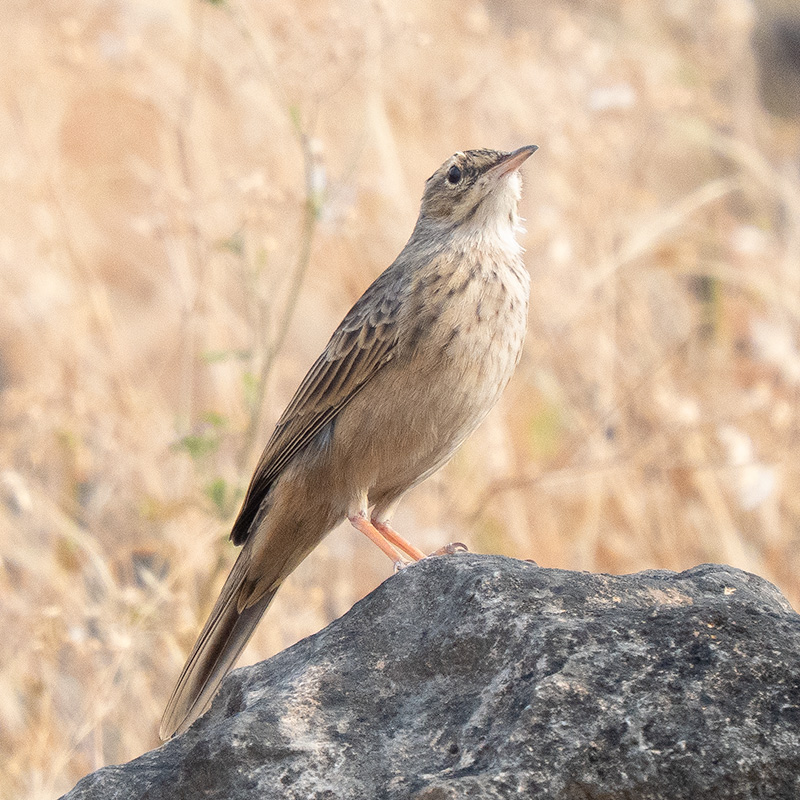
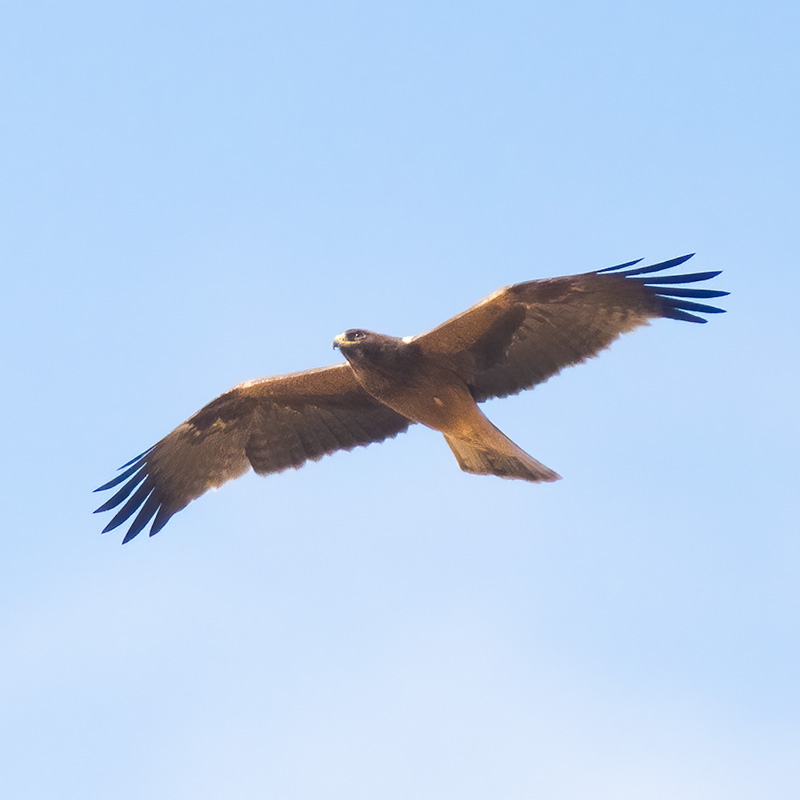
On 9 November we once again started our birding to the east of Salalah in Ayn Hamram on the coastal plain, soon moving on to the Wadi Kheesh via some very steep roads. In this early part of the day we had good views of Blue-cheeked Bee-eater, Tawny Pipit and African Silverbill, with a Booted Eagle flying low overhead.
One of the steep roads in the Ayn Hamram area
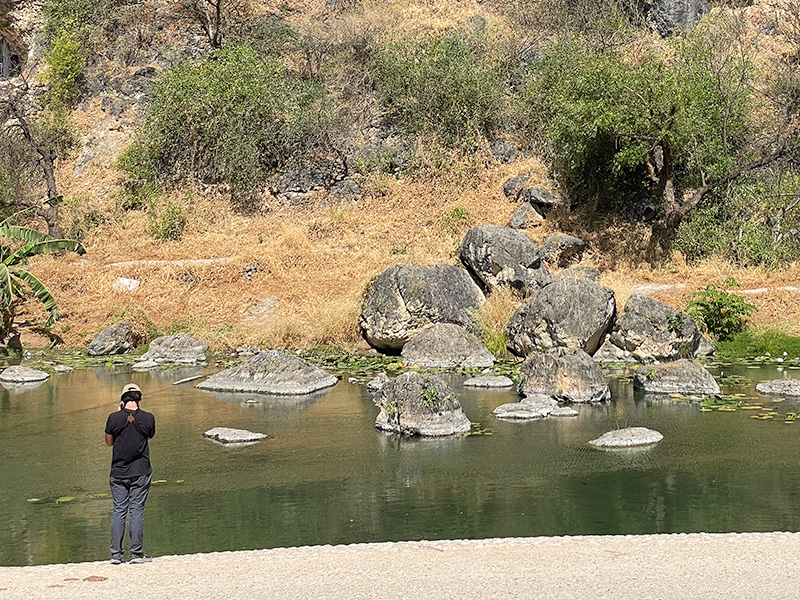
A camel trough at Wadi Kheesh
Blue-cheeked Bee-eater
African Silverbill
Tawny Pipit
Booted Eagle
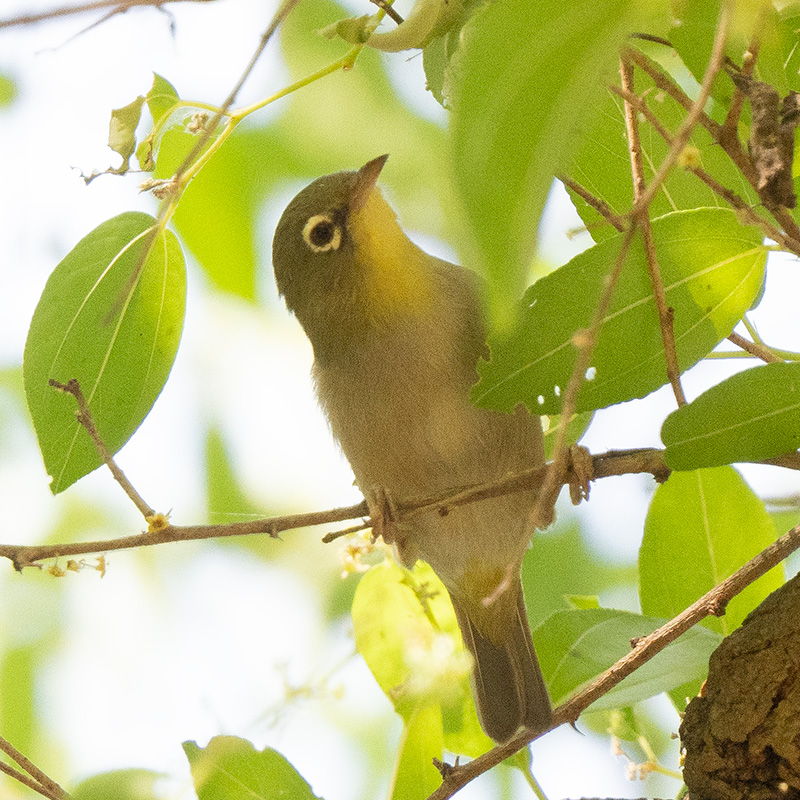
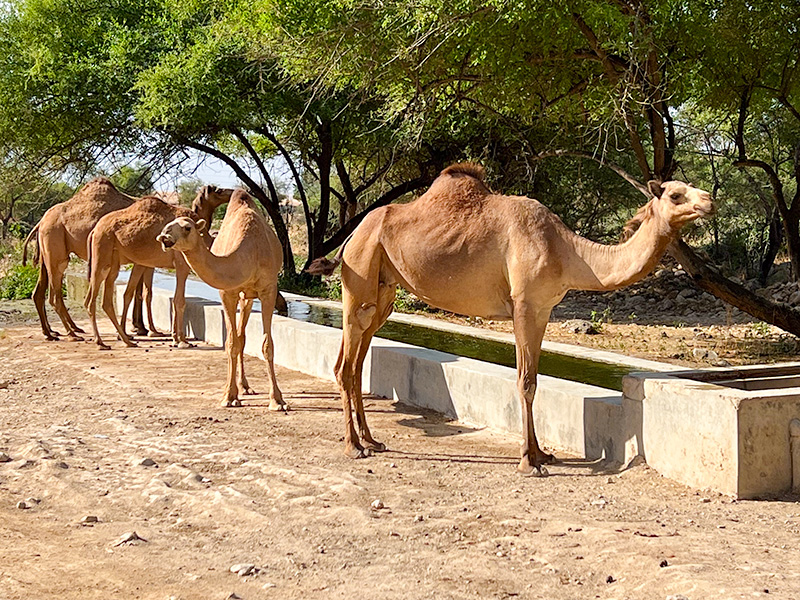
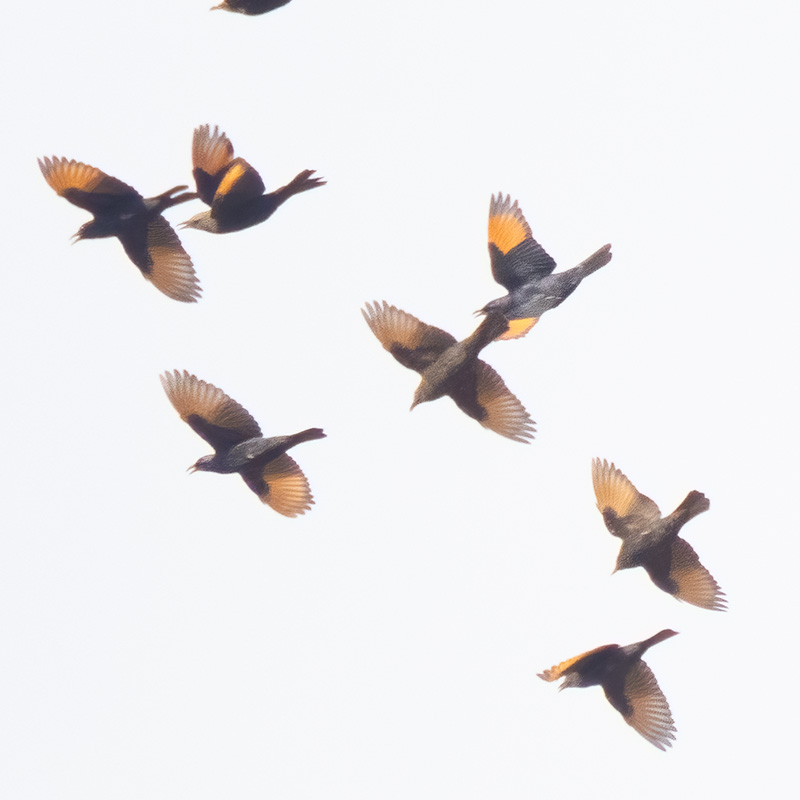
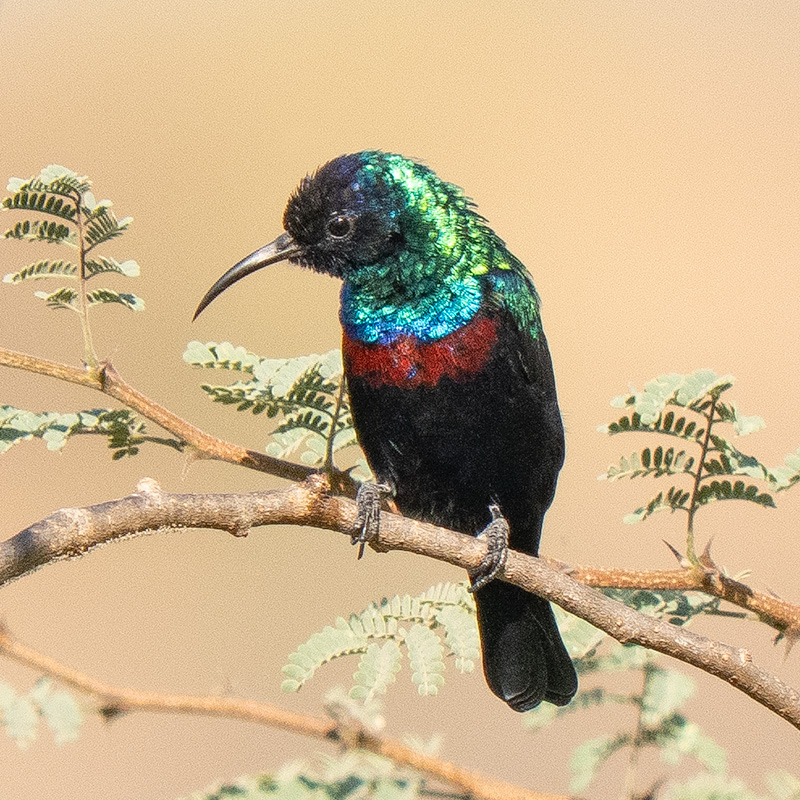
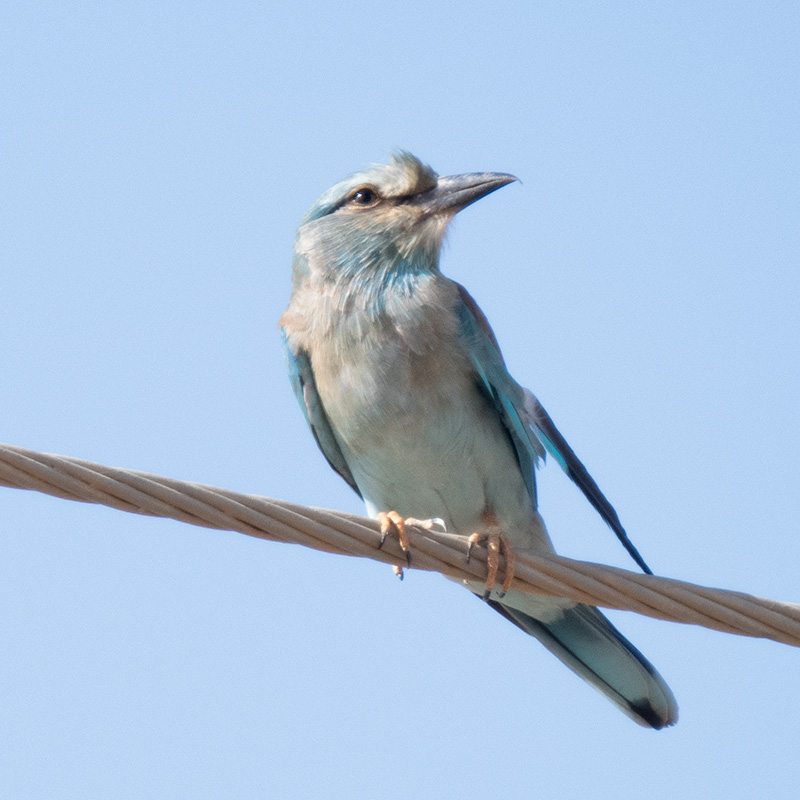
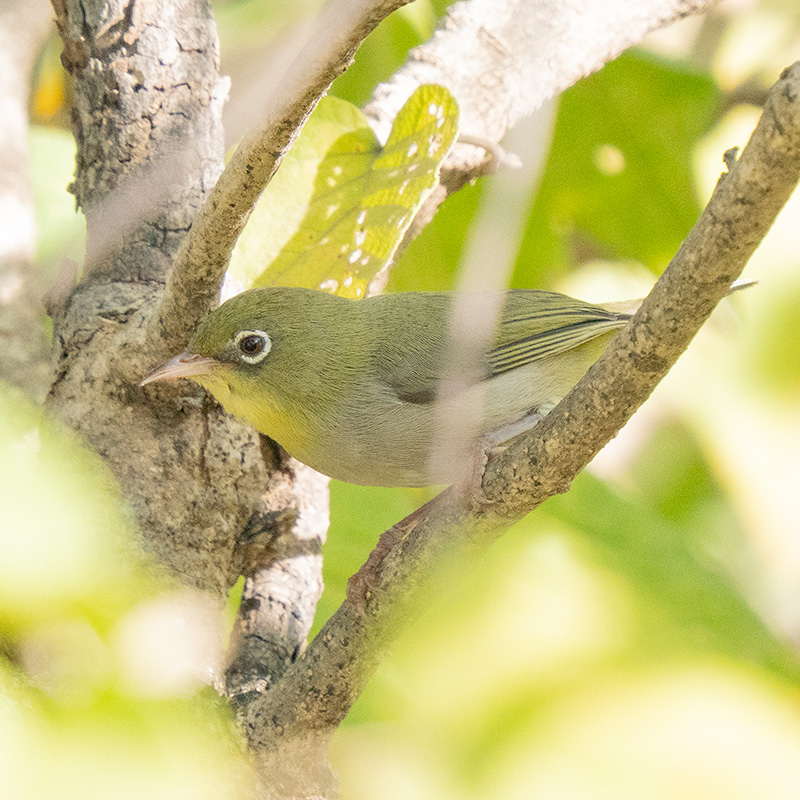
We spent over an hour at Wadi Khleesh and enjoyed seeing a group of camels drinking from a water trough at the centre of the group of trees. While near the trough we had a large flock of Tristram’s Starling fly over and while we’d seen this species of starling briefly the day before, this was a much better view. Walking away from the trough we got an excellent view of an Arabian Sunbird perched on a horizontal branch with the light falling perfectly on the bird. Other birds we has on the walk included Abyssinian White-eye and European Roller.
Tristram's Starling
Arabian Sunbird
European Roller
Abyssinian White-eye
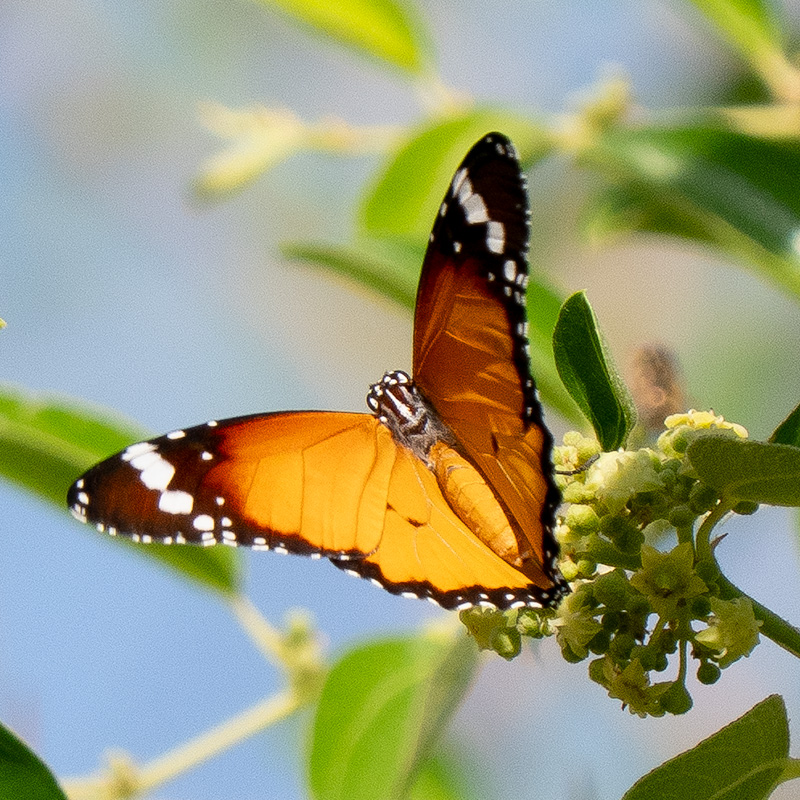
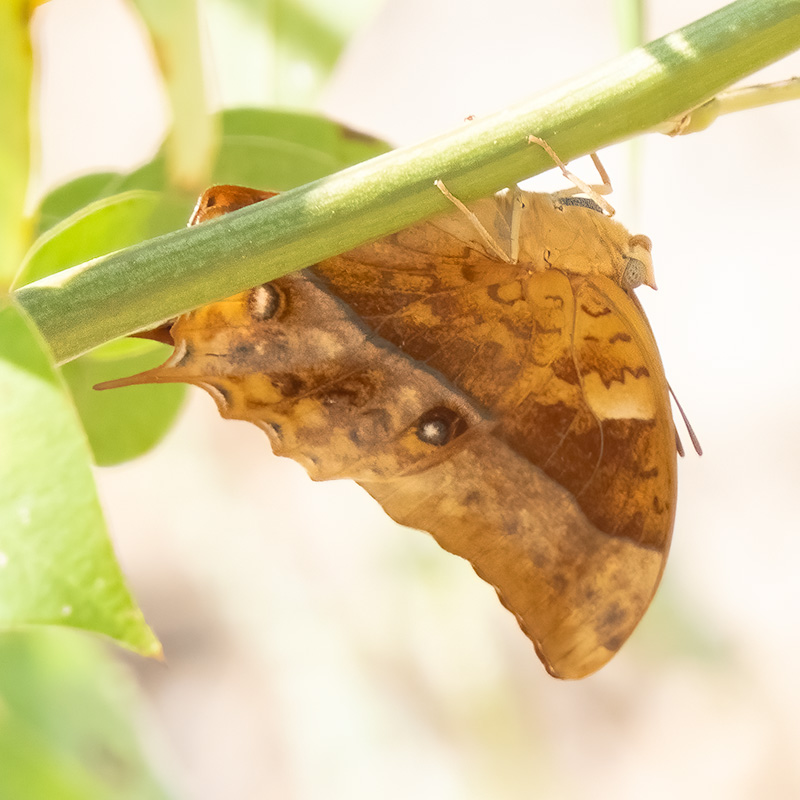
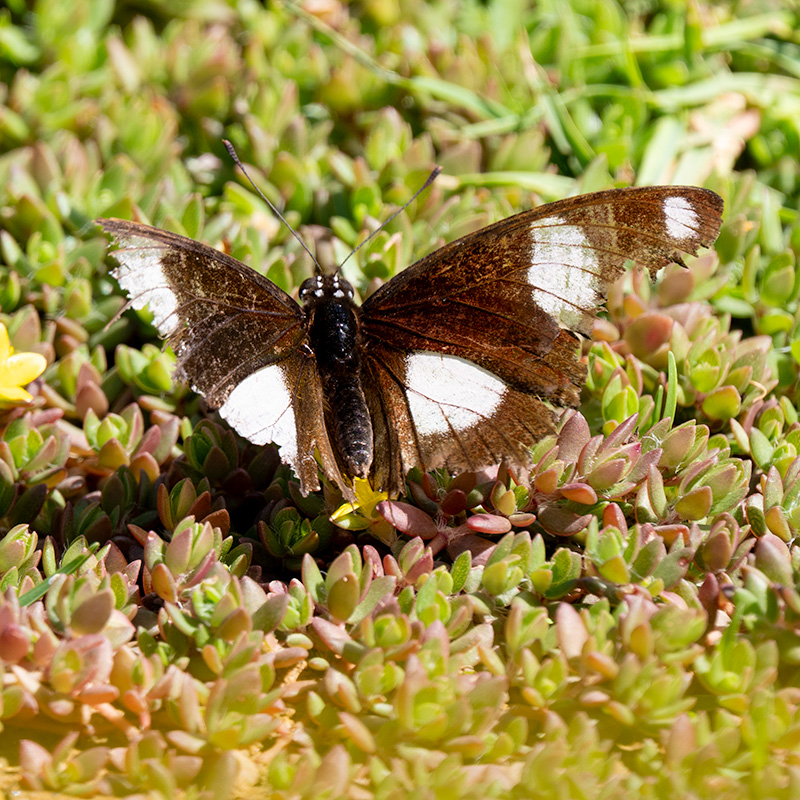
The flowers at the oasis attracted a lot of butterflies and we got photographs of African Monarch and White Pearl Emperor, although we could only get a photo of the underwing of the latter, not the beautiful upper wing.
African Monarch
White Pearl Emperor (underwing)
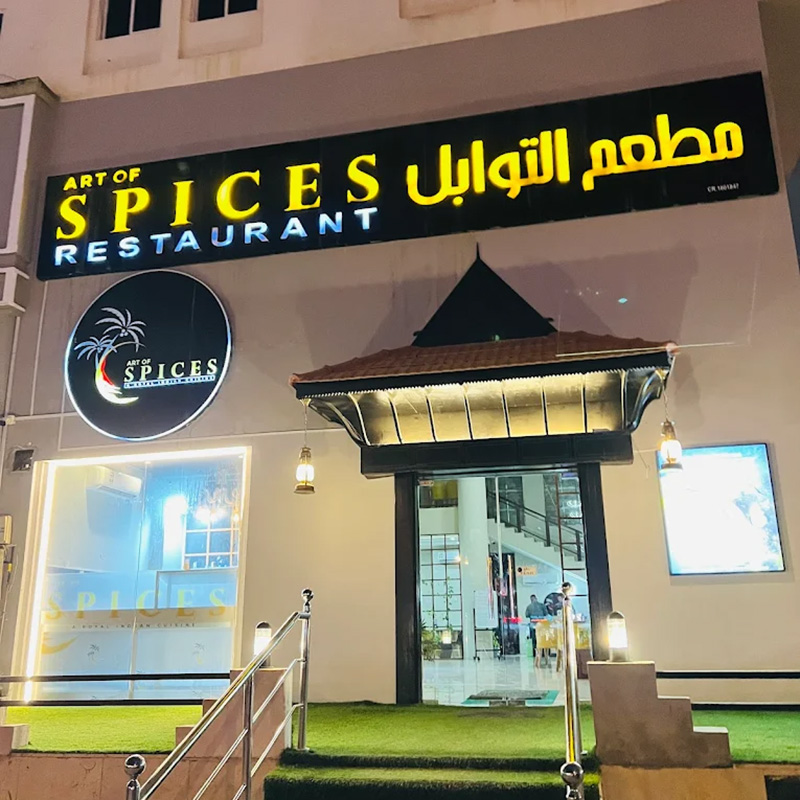
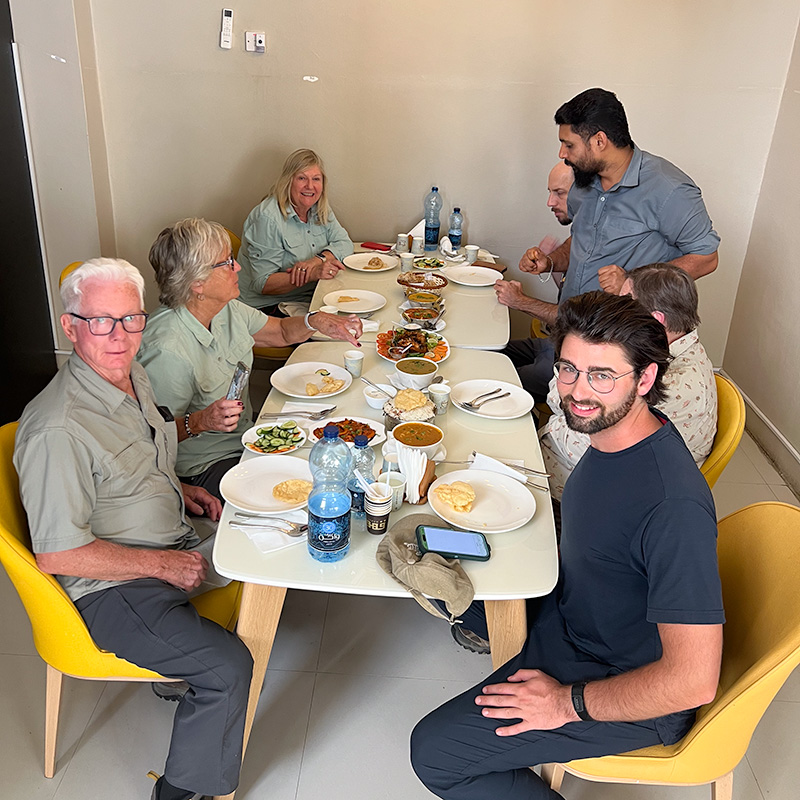
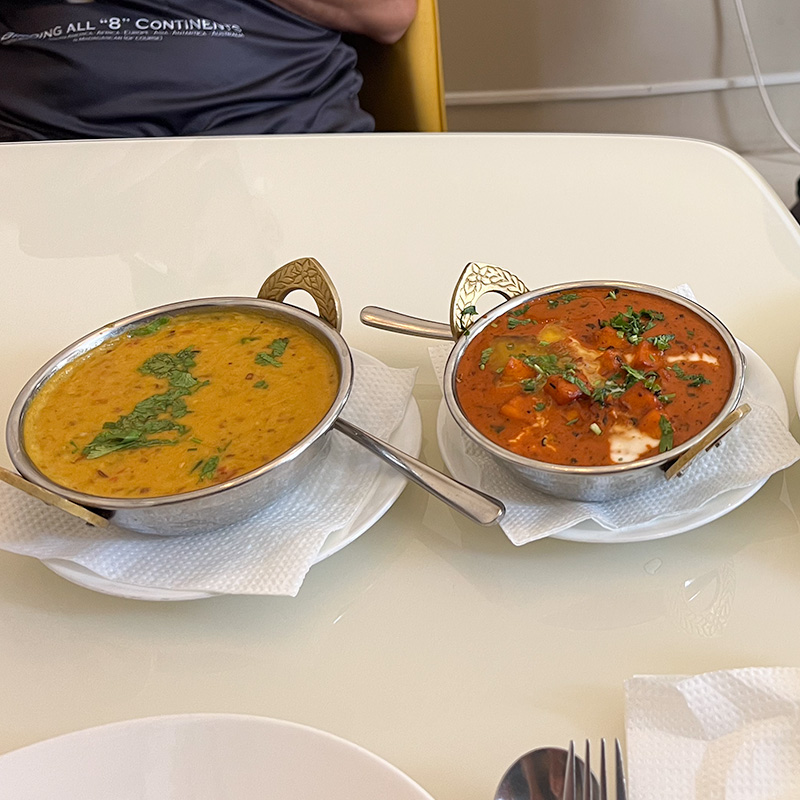
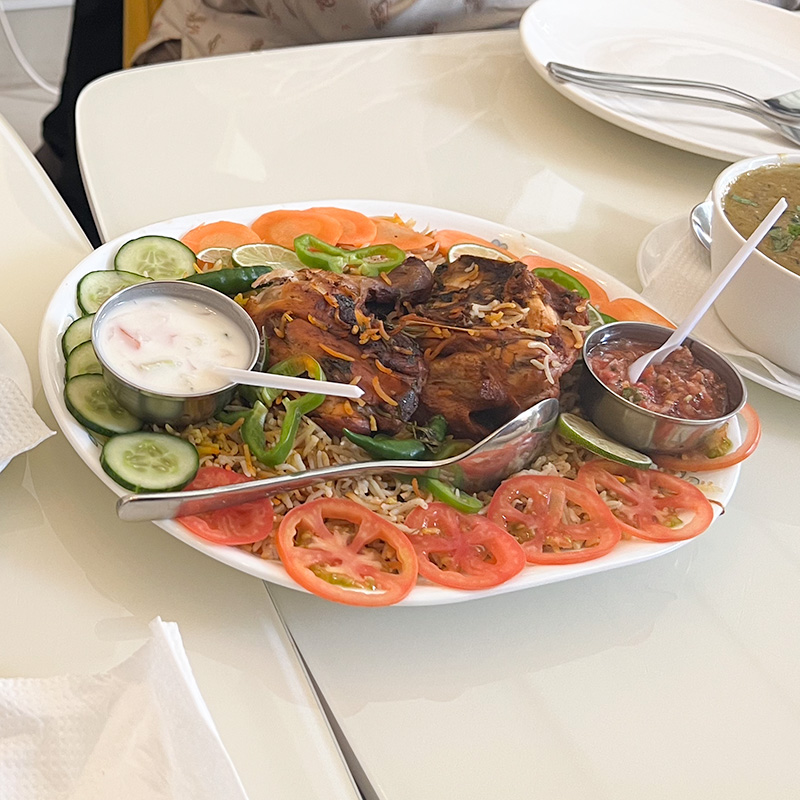
We had our lunch today back in Salalah at the Art Of Spices restaurant, which serves excellent Indian Food.
Art of Spice
Art of Spice
Art of Spice
Art of Spice
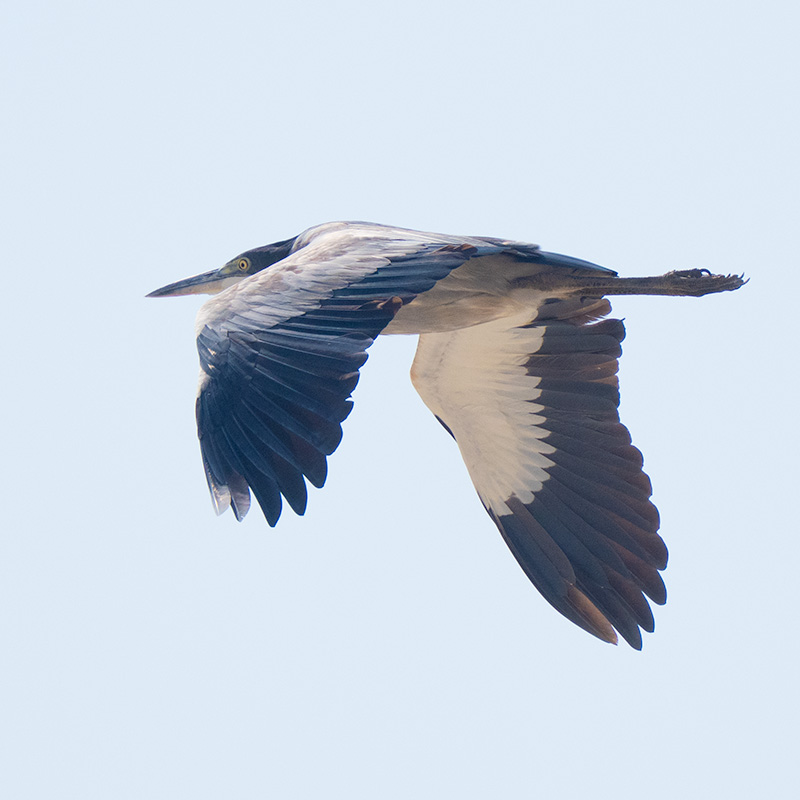
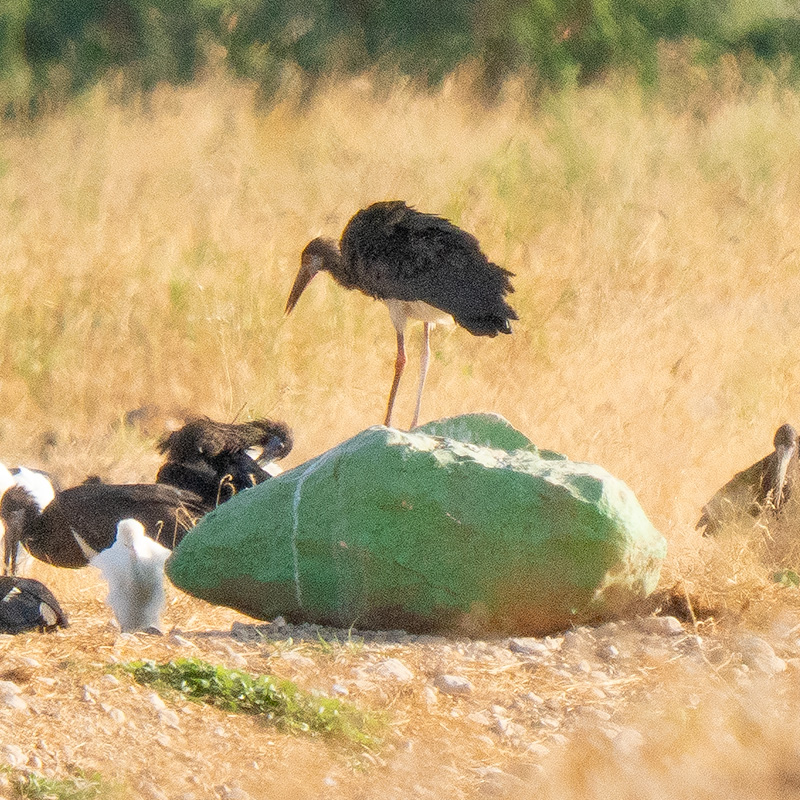
Moving down to the coast, a Black-headed Heron, which is a very unusual bird to see in Oman, flew past, proving to be the highlight of the coastal birding of the day. After visiting the coast we made a short stop at the Raysut Settling pools, which treat waste water. There were some interesting birds within the site but unfortunately we weren’t allowed to enter so we had to observe the birds through a chainlink fence, which was far from ideal for photography. Nevertheless, we got a lifer in an Abdib’s Stork.
Black-headed Heron
Abdib's Stork
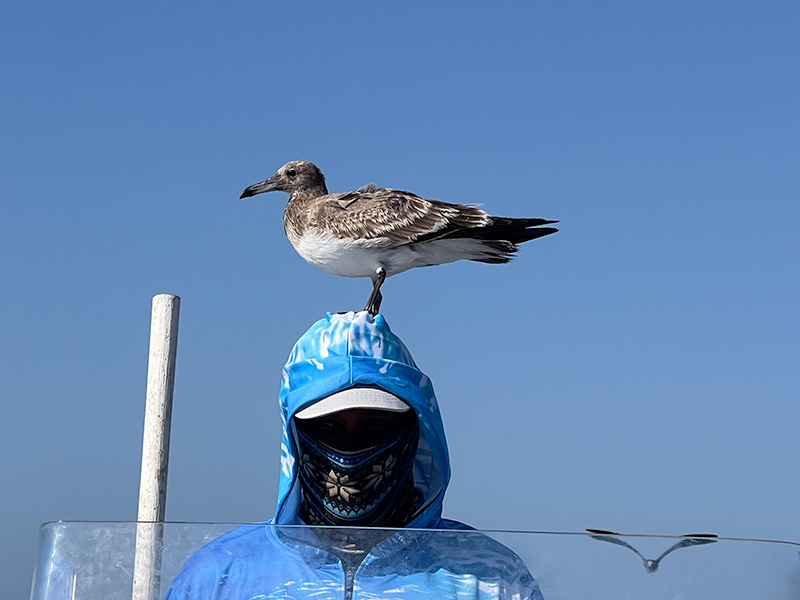
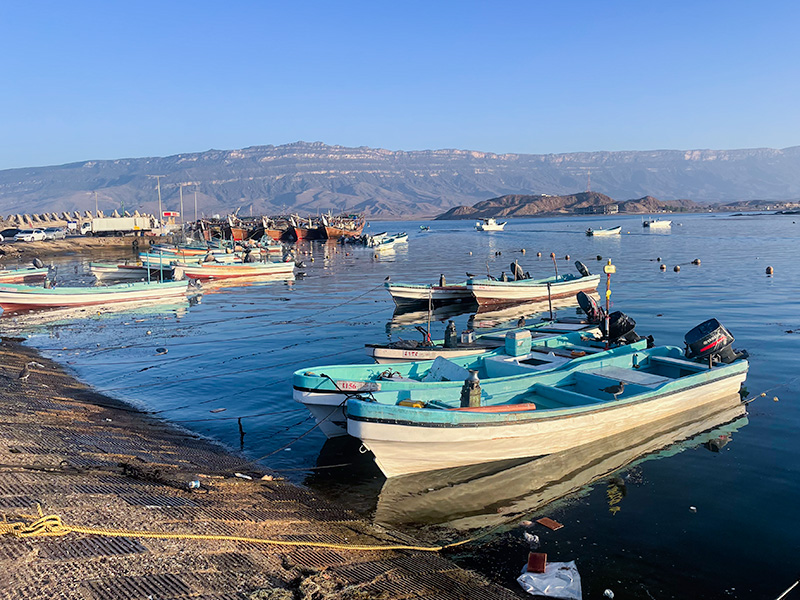
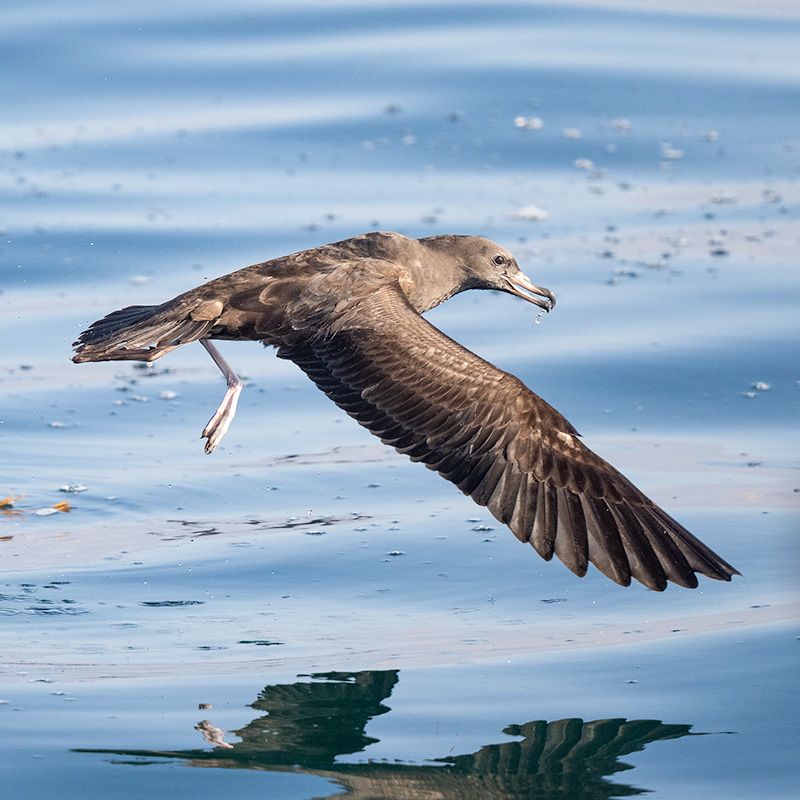
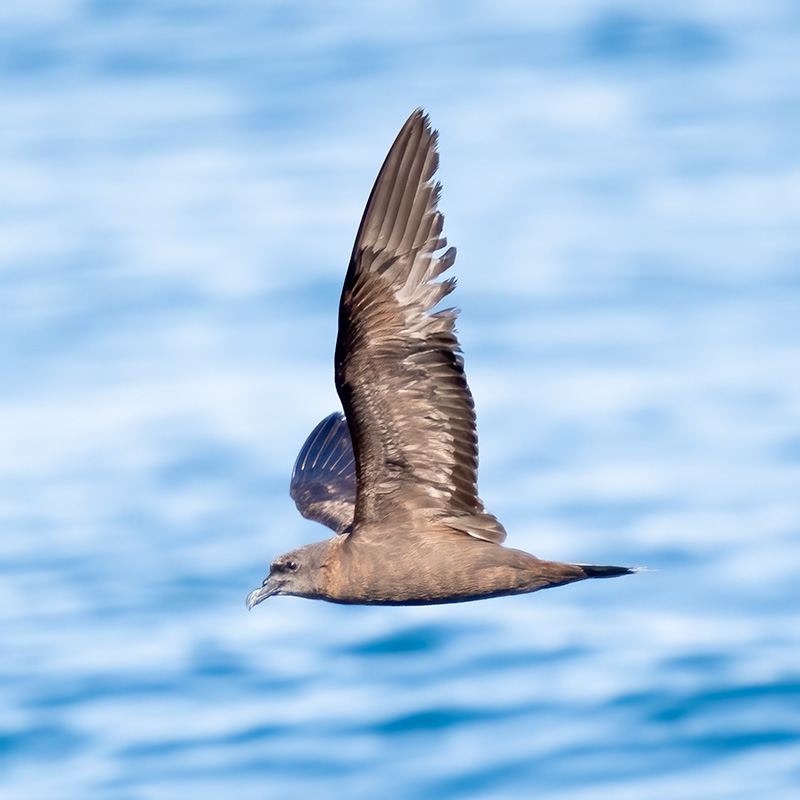
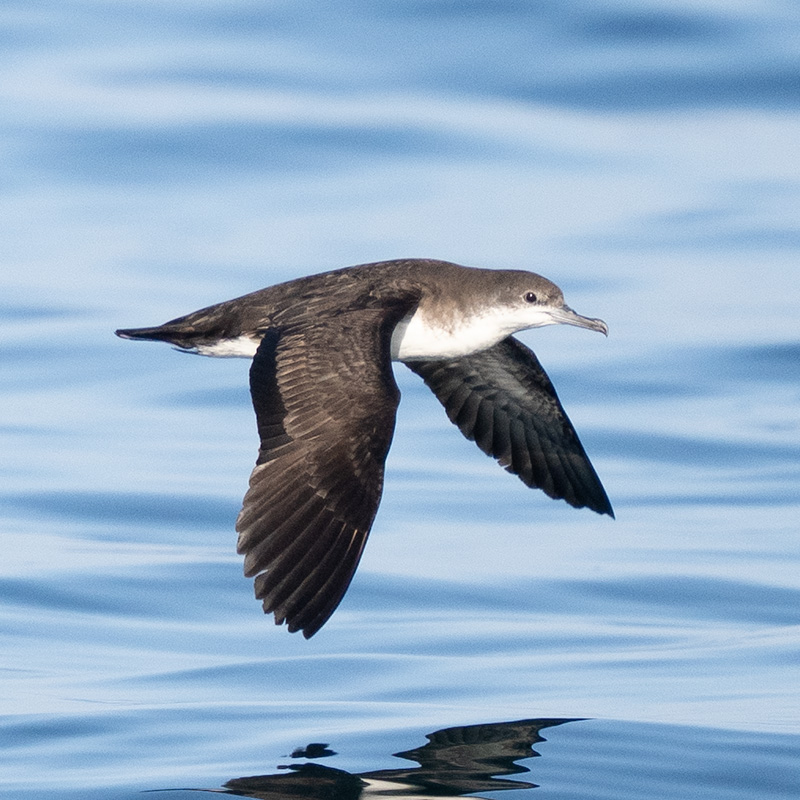
The second pelagic cruise of the trip was on 10 November out of the small port of Mirbat, which is 50 miles to the east of Salalah. Our captain Hatem was extremely knowledgable about the coastal birds of the area and did a great job in positioning us to see a good selection of species. Highlights of the cruise were Flesh-footed Shearwater, Persian Shearwater, Jouanin’s Petrel and Red-necked Phalarope.
Our skipper Hatem and friend
The port of Mirbat
Flesh-footed Shearwater
Jouanin's Petrel
Persian Shearwater
Red-necked Phalarope
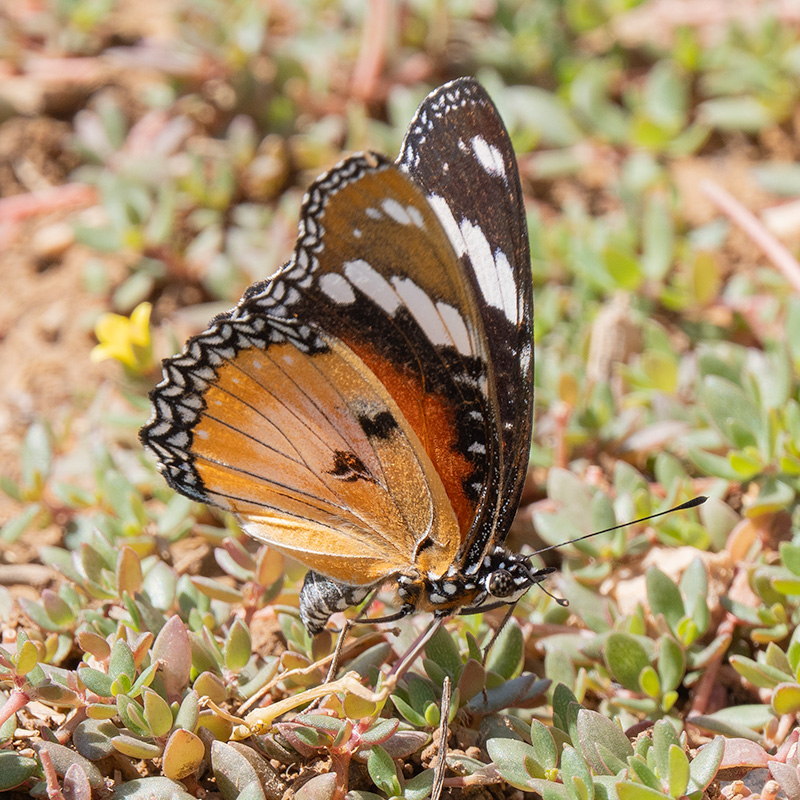
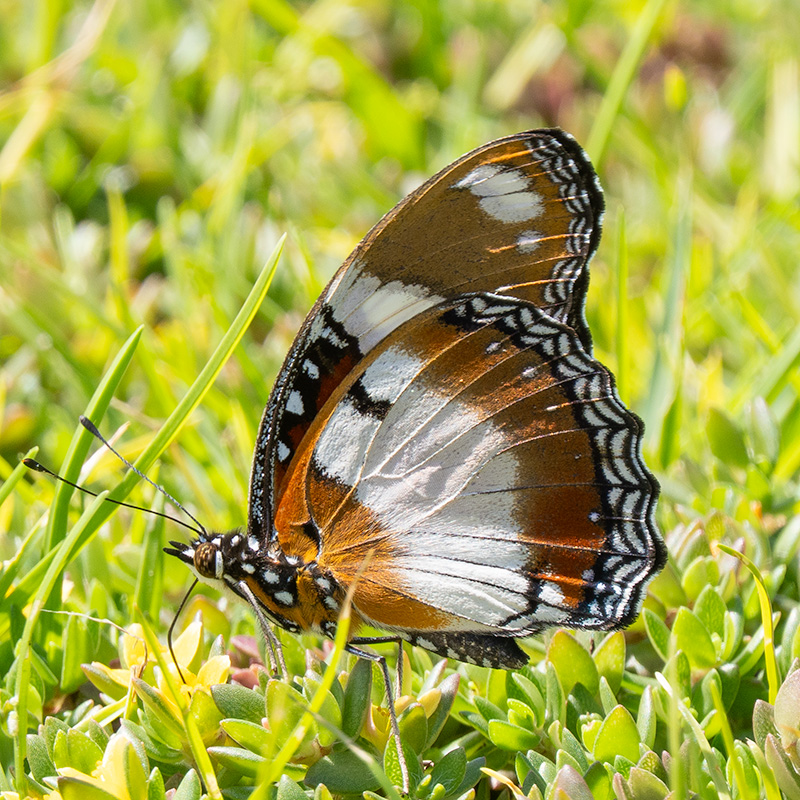
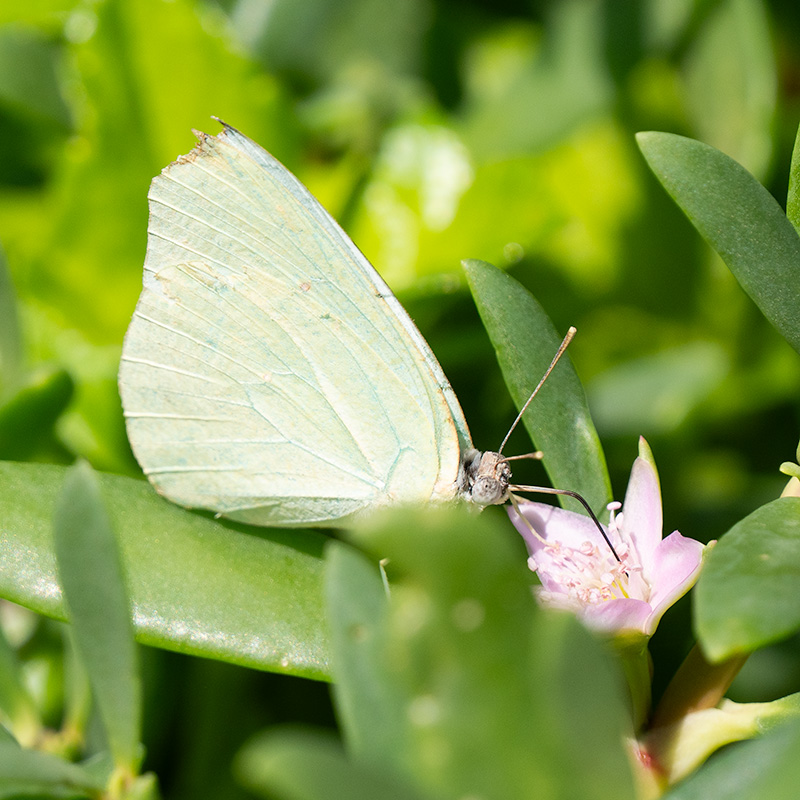
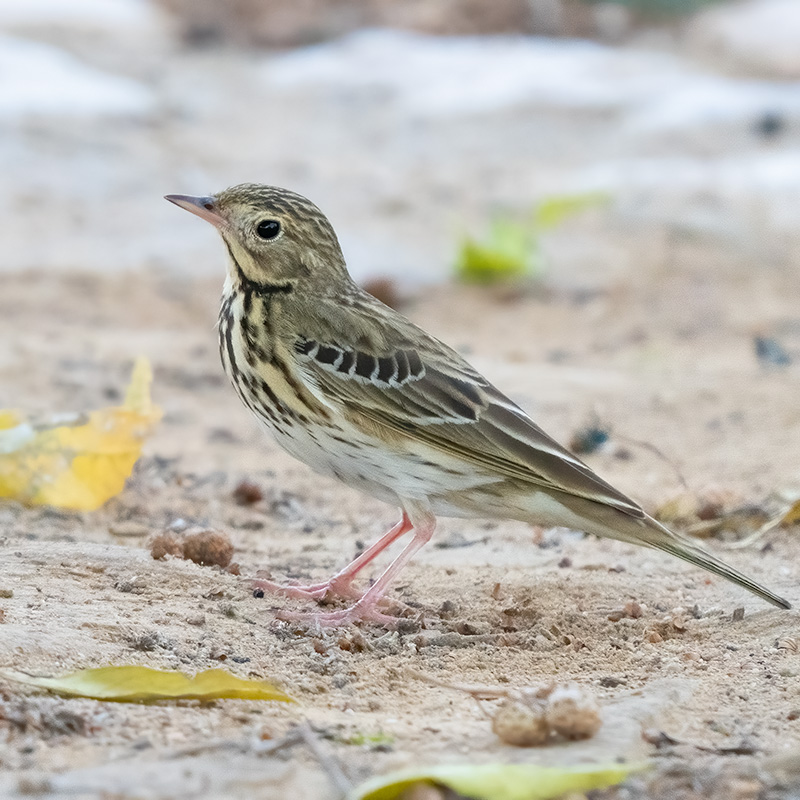
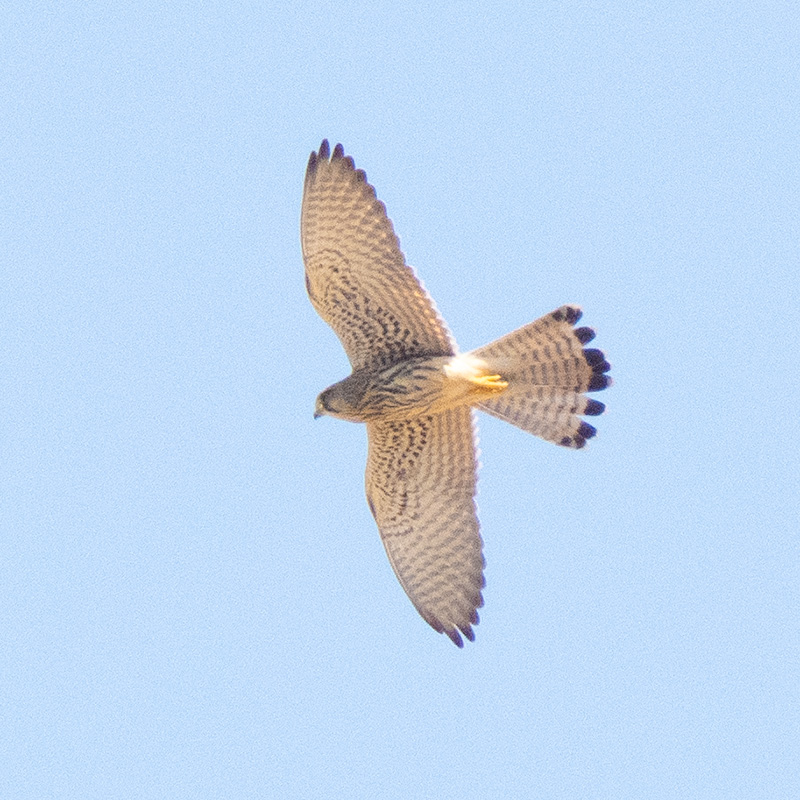
After the boat trip we visited Mirbat public park and did a quick circuit to see what was around. The park was particularly good for butterflies and we saw Plain Tiger, Lemon White and the unusually named Danad Eggfly (also know as a Mimic), which has a surprisingly wide distribution covering Africa, Asia and Australia. Overhead was a Common Kestrel, with one of the best passerine shots of the day being of a Tree Pipit.
Mirbat Public Park
Mirbat Public Park
Plain Tiger
Plain Tiger
Lemon White (Euchloe charlonia)
Danaid Eggfly (Mimic)
Tree Pipit
Common Kestrel
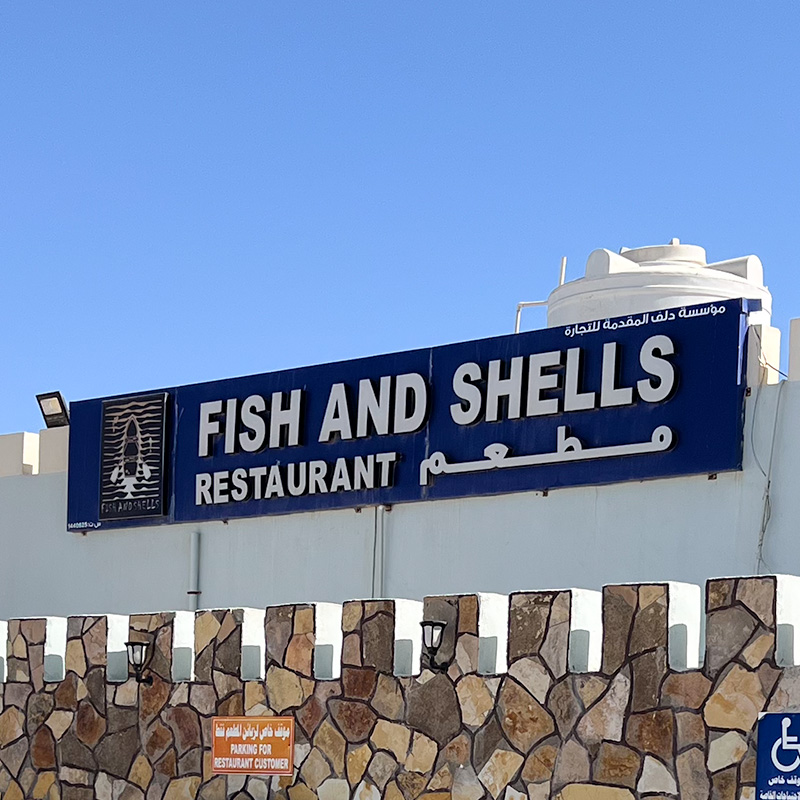
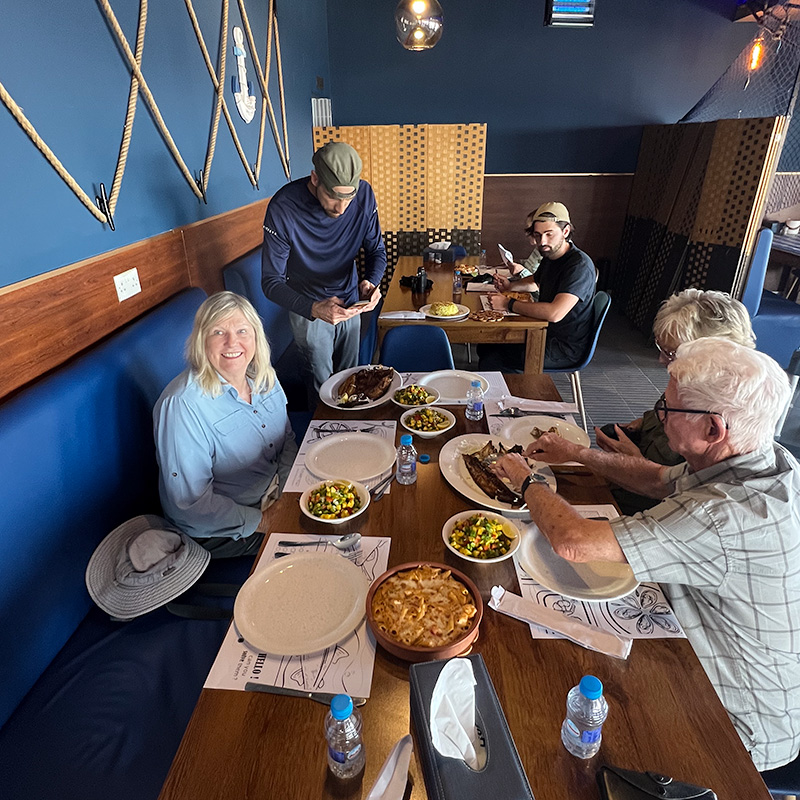
Today we had lunch at the Fish and Shells seafood restaurant on the outskirts of Mirbat. This gave us a rest in the middle of the day after our early start and we all enjoyed the outstanding ocean views that we had while we ate.
Fish and Shells Restaurant
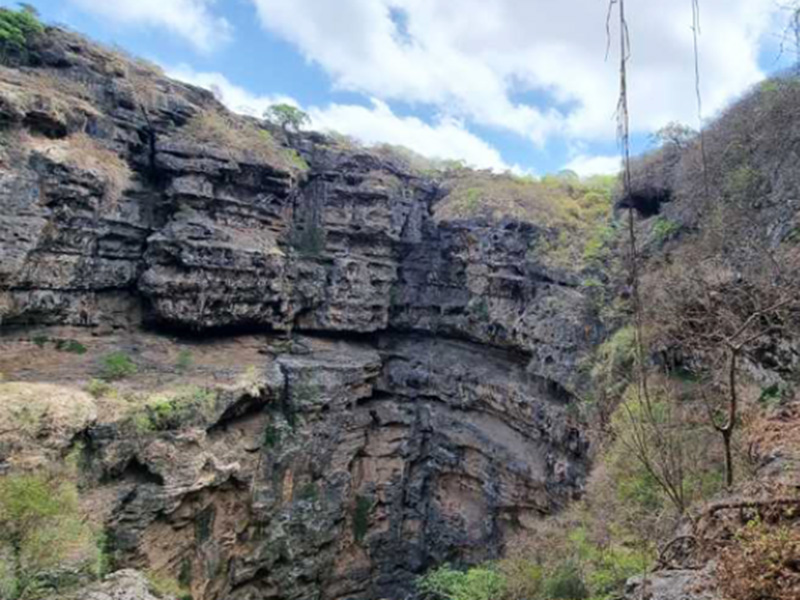
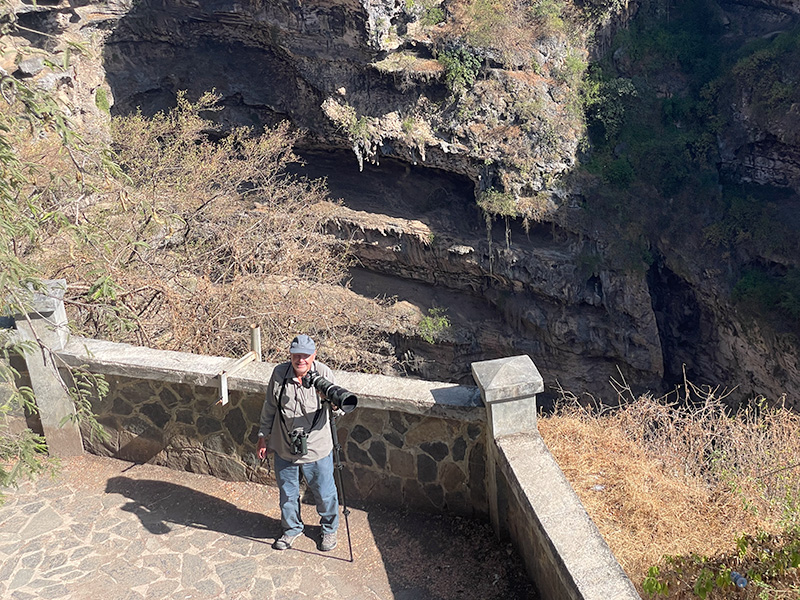
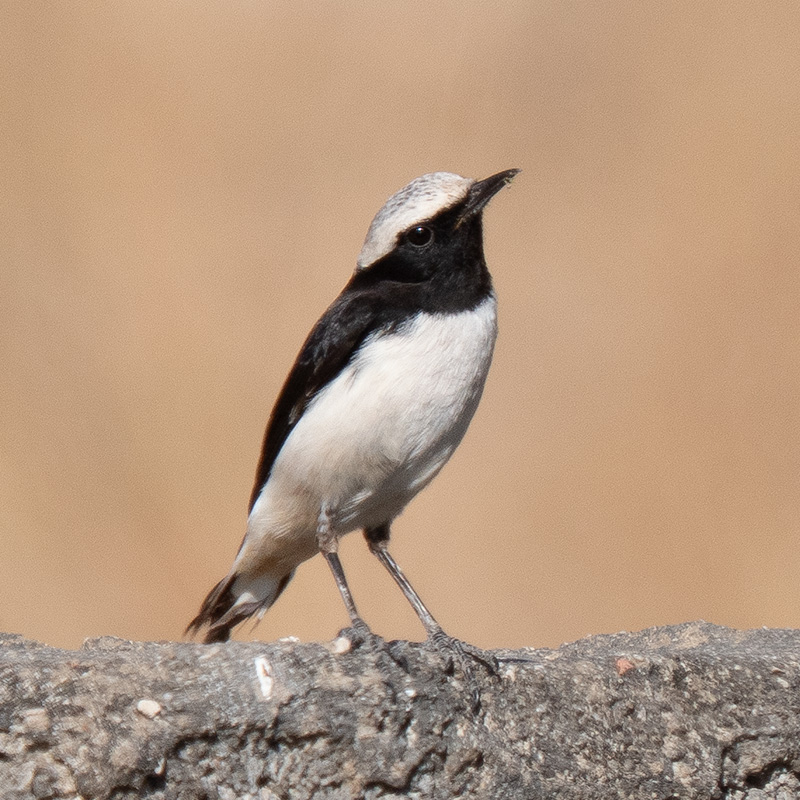
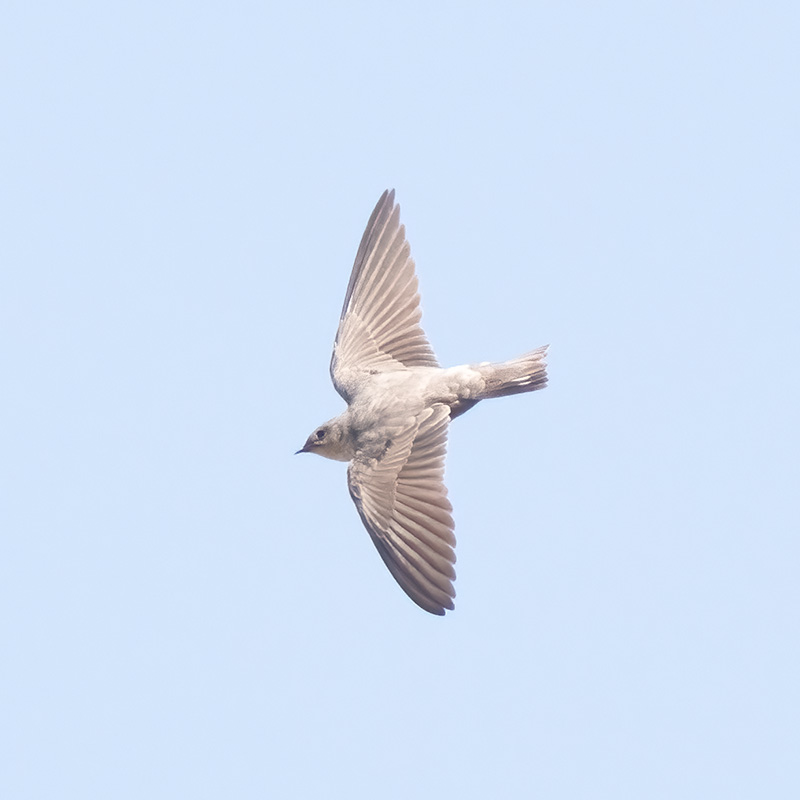
After lunch we visited the spectacular Tawi Atayr Sinkhole, which is inland and to the northwest of Mirbat. It’s a remarkable geological feature and it’s also a very good birding site. The best shot we got there was of a Pale Crag Martin, but we were also pleased to get a well-posed photo of an Arabian Wheatear.
The Tawi Atayr Sinkhole
Birding around the sinkhole
Arabian Wheatear
Pale Crag Martin
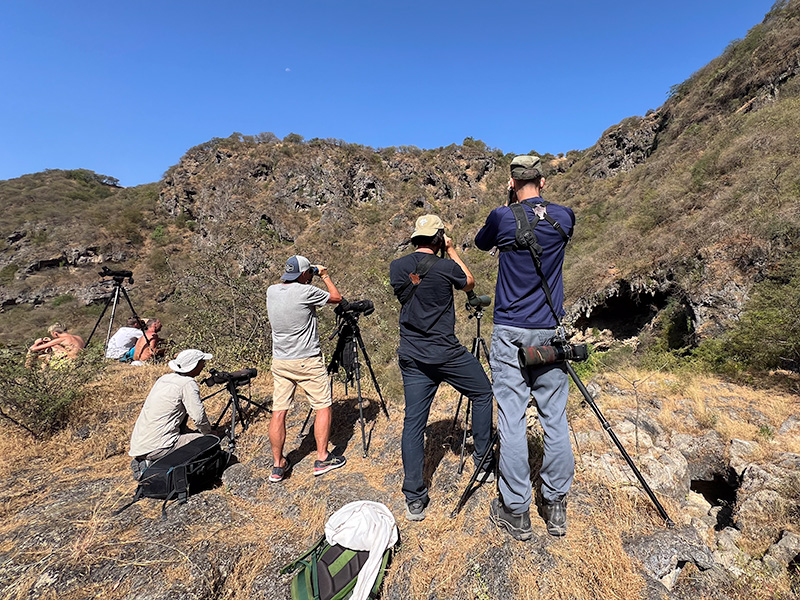
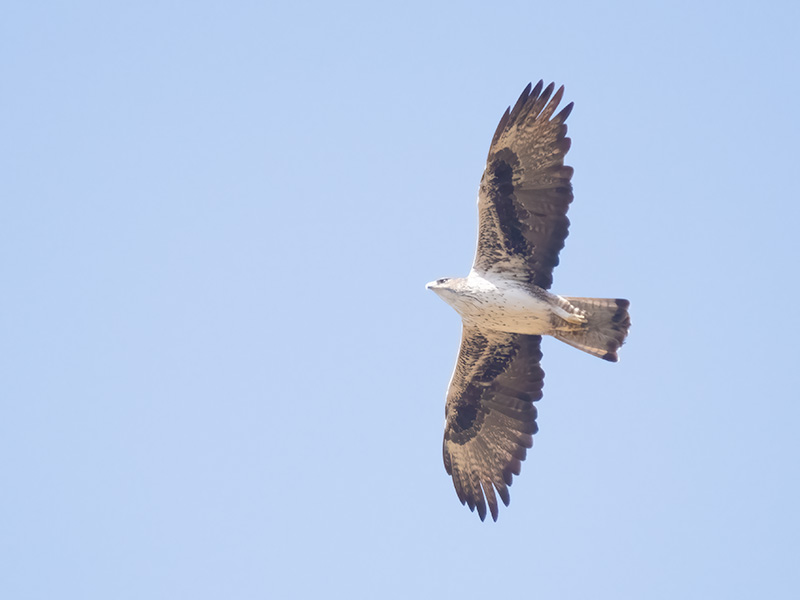
Our final day of birding was on 11 November and we started the day with a quest to see the Arabian Grosbeak that was known to be visiting a cave at Wadi Darbet each morning. The track to the wadi was very rough making us glad we had two tough SUVs, but we got there without incident and staked out a position around 100 m from the cave entrance. We were not alone there as several other birding groups were watching the cave, some having been there since dawn. We could see several Cinnamon-breasted Bunting flying into the cave to drink water from the tips of the stalagmites , but for the first 30 minutes or so there was no sign of the grosbeak. Finally the group got to see the grosbeak as it briefly flew around the cave before flying off to the right of us. We got a poor quality photo of the bird in flight so we felt as though we had achieved something, but it was a long way from being good enough to put on the web. At least while we were waiting we have a flyover of a Bonelli’s Eagle so at least we got one quality photo from the morning.
Observing the cave, which can be seen at the far right
Bonelli's Eagle
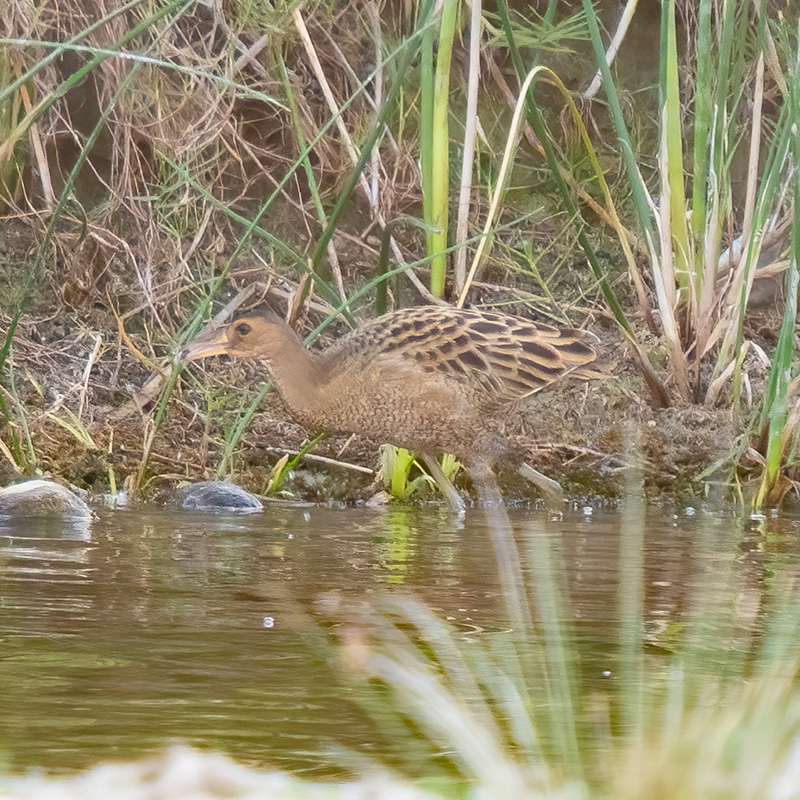
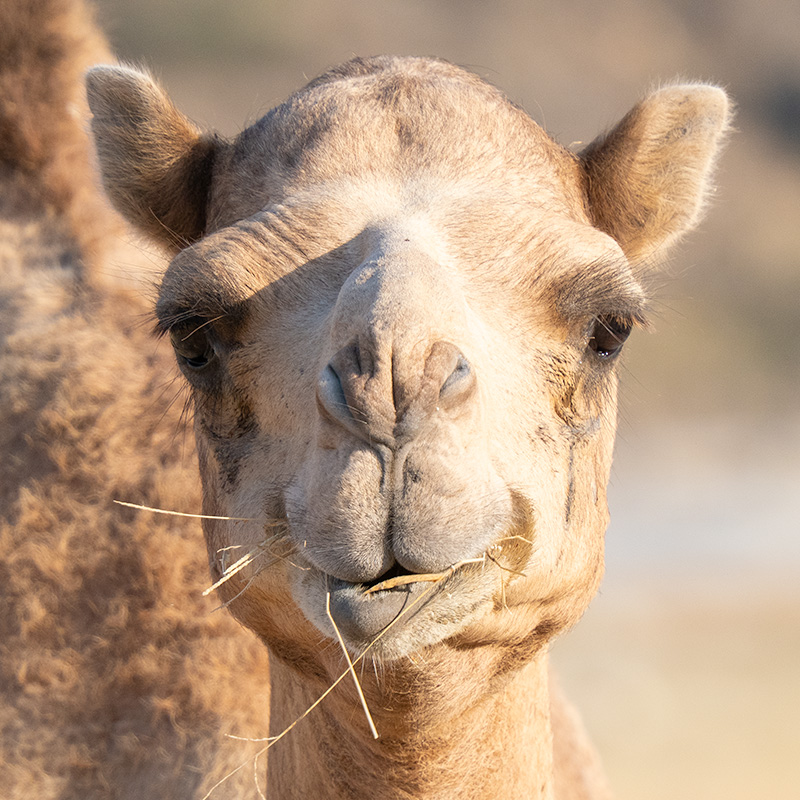
For lunch on our last day we revisited Art of Spice in Salalah as we’d enjoyed their food so much on our first visit. We then moved on to Al Mughsayl and saw a Watercock, which was our final lifer of the trip. And we also had our final encounter with some camels and grabbed a last few shots of these fascinating animals.
Watercock
On 12 November we had a lazy start to the day, enjoying our final breakfast at the Hilton before taking a late morning flight back to Muscat. There was no good connection to the Air Oman flight back to the UK on that day so we spent the night at the Hormuz Grand Radisson Collection hotel near the airport, which proved very comfortable. We arrived back in the UK on 13 November after a very enjoyable tour.