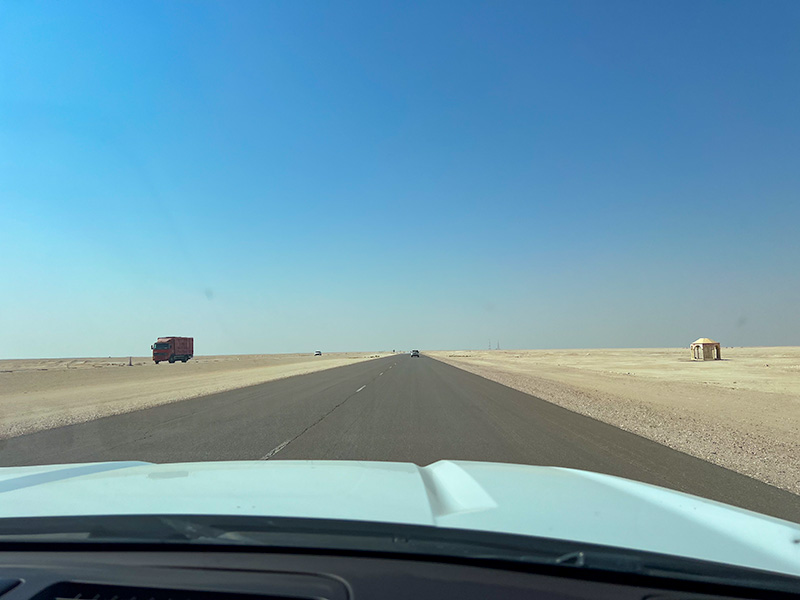
After spending the first few days of the tour in the northern part of Oman, the following two days involved driving down the main highway that spans the length of the country to the southernmost part of the sultanate around Thumrait and Salalah. This involved driving through what is known as the ’empty quarter’, which is a flat, featureless sandy desert with little vegetation and few towns and villages.
Driving through the empty quarter
Birding in the desert
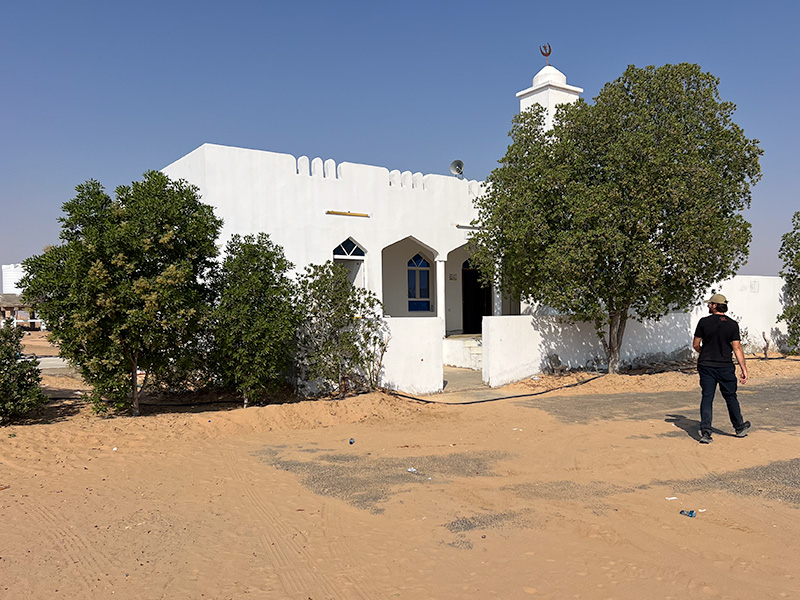
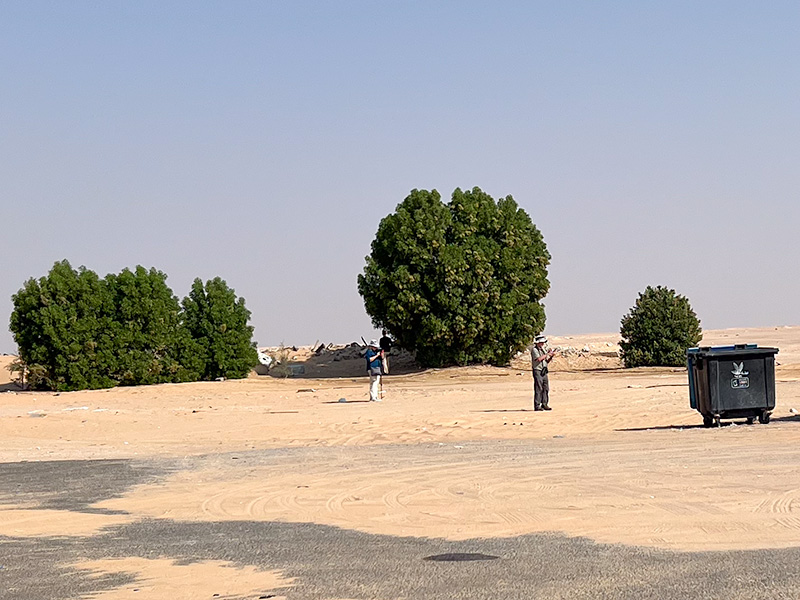
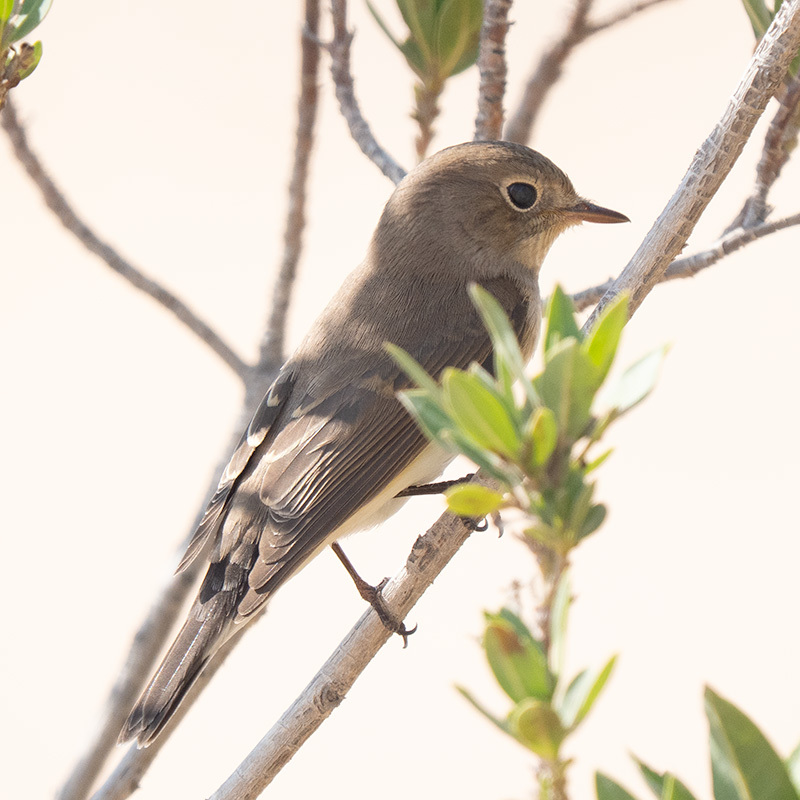
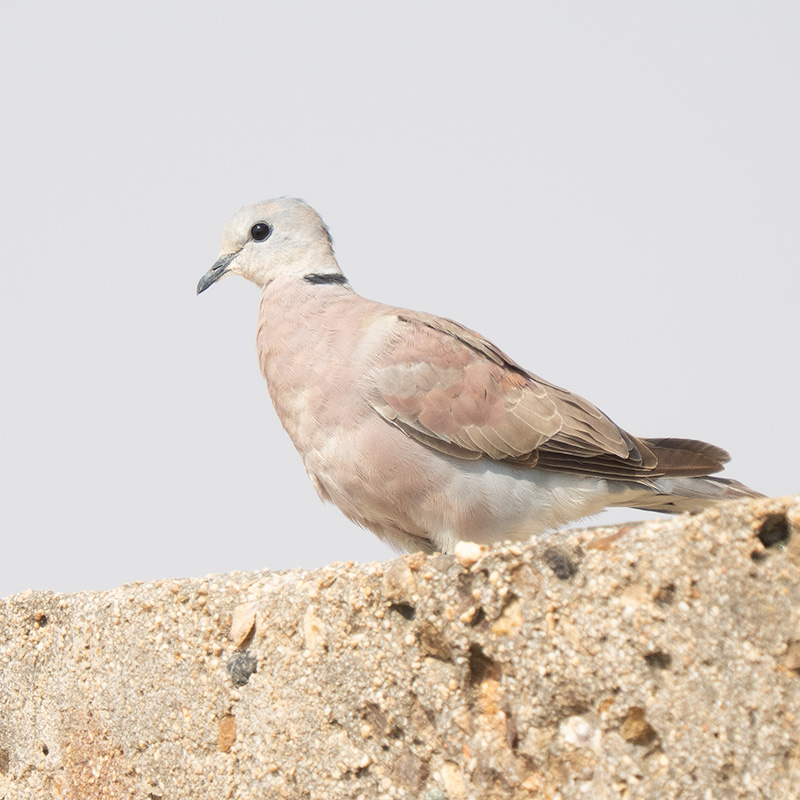
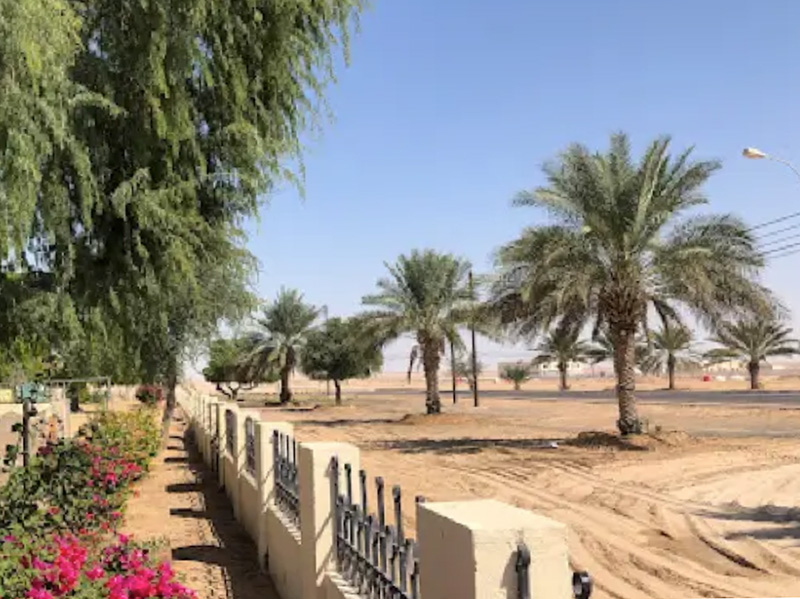
Despite the desert environment initially appearing to be devoid of wildlife, there are birds around that are drawn to oases and the well-separated settlements and few petrol stations along the main road. On 5 November we had our longest drive of the trip, but we stopped at several sites that had some vegetation to look for birds. The first was at an oasis at Al Wusa where there was a Shell petrol station around which there were a few trees that drew in birds. There we saw Red-breasted Flycatcher, Oriental Turtle Dove and Collared Dove.
Vegetation at the Shell oasis
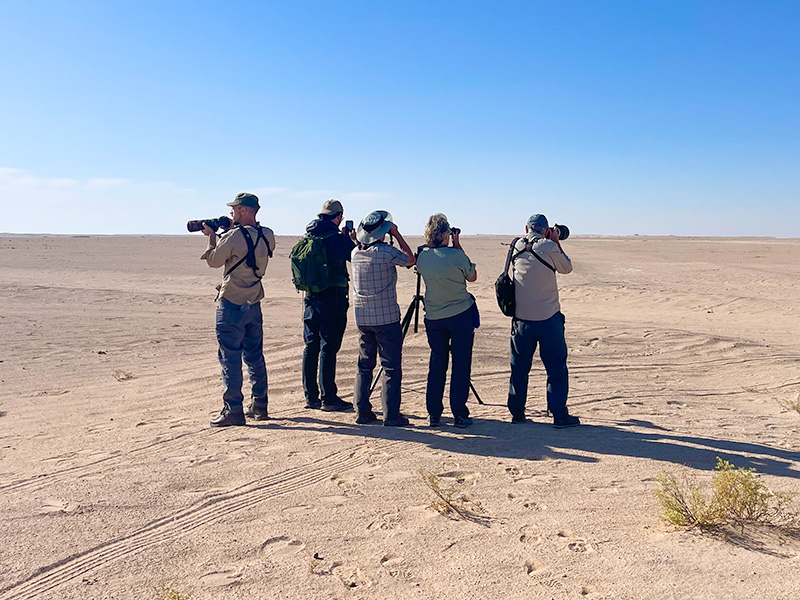
Birding at the Shell oasis
Red-breasted Flycatcher (female)
Collared Dove
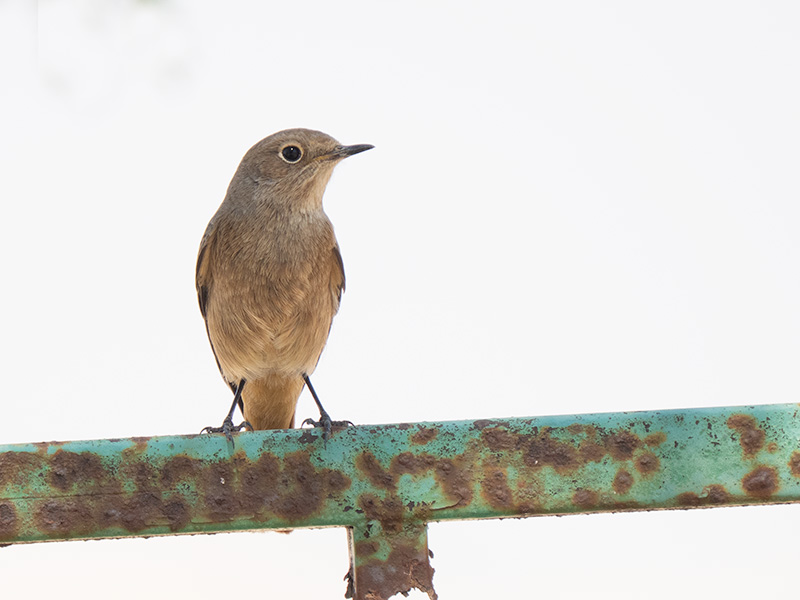
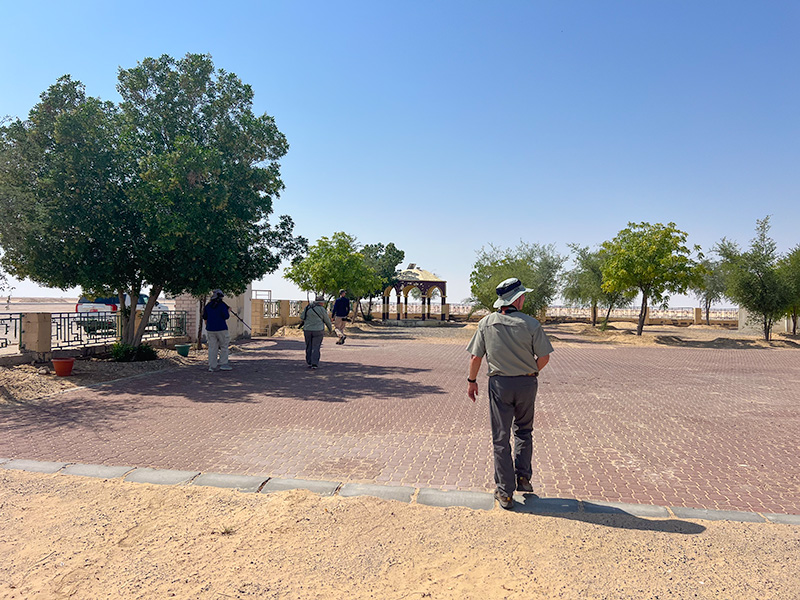
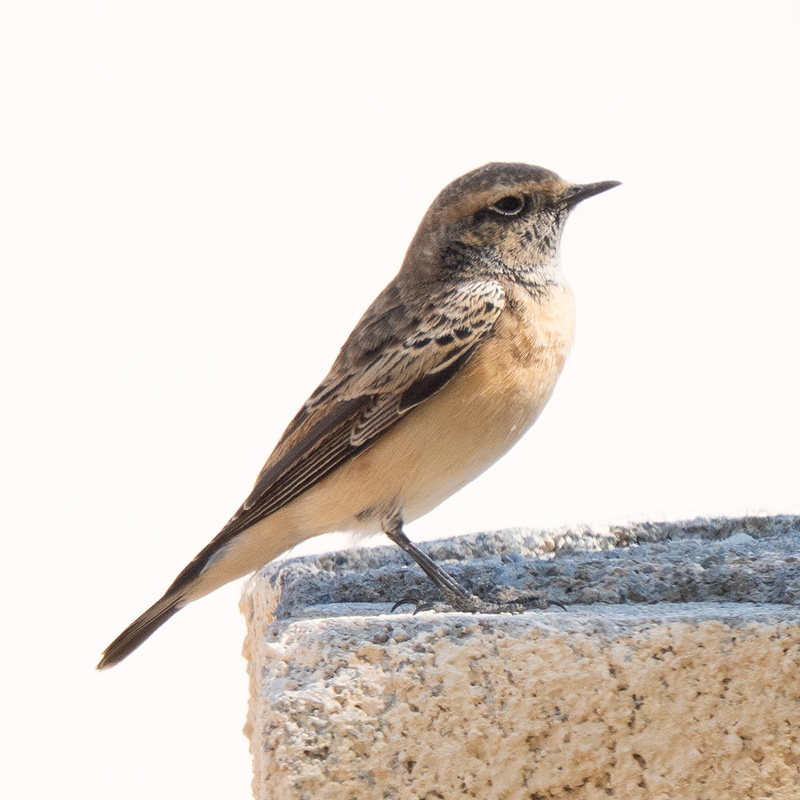
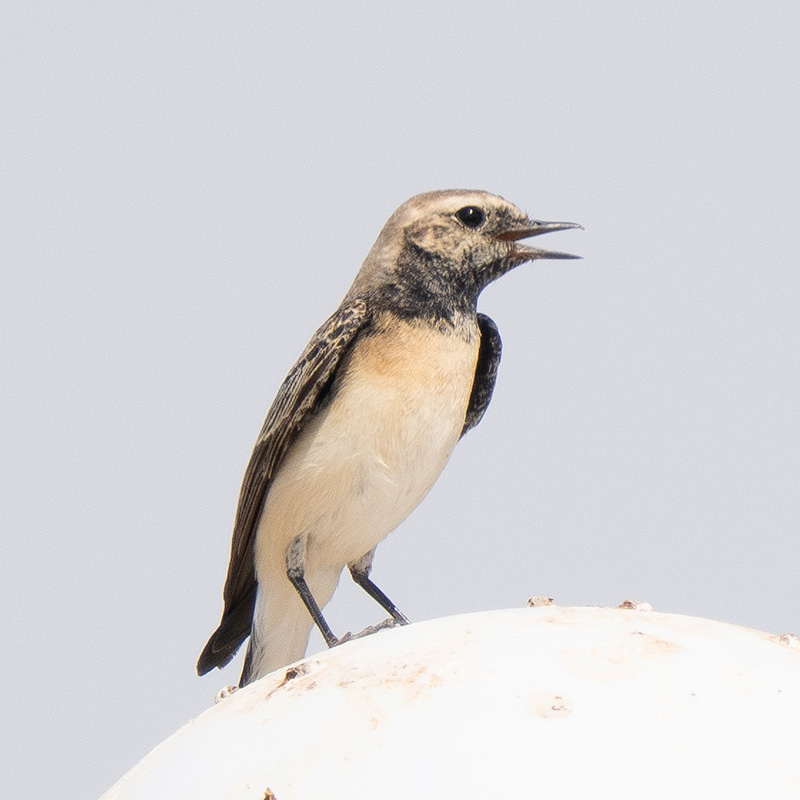
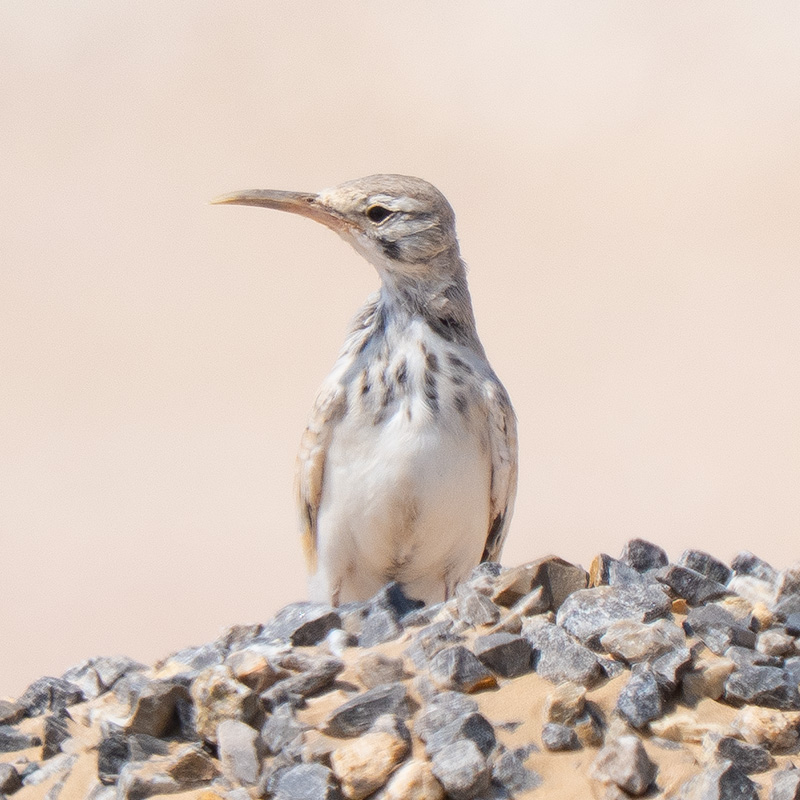
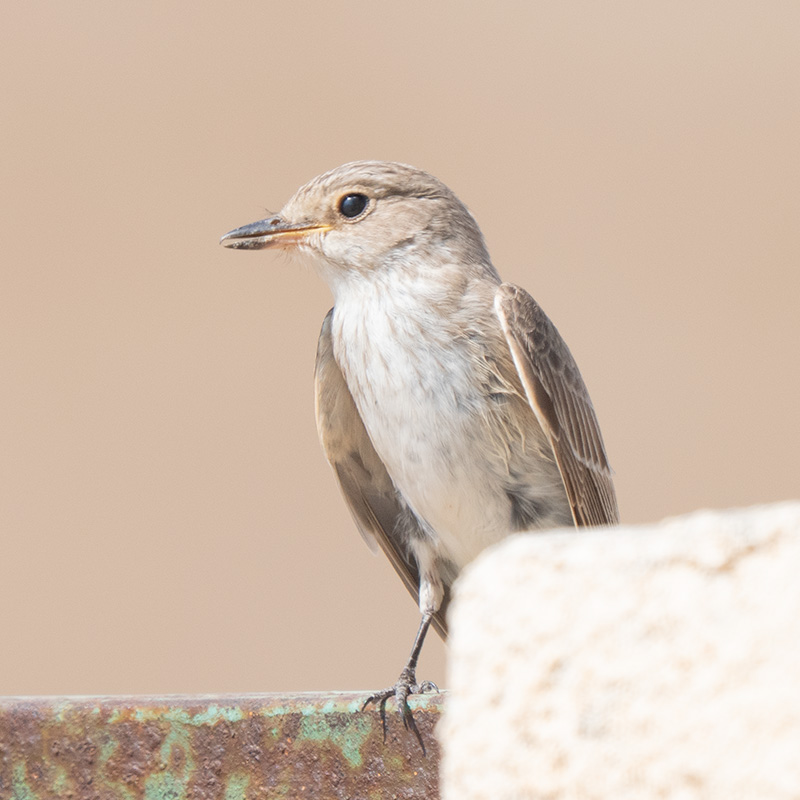
Our next stop was at a small desert park close to the highway that proved particularly productive for birds as it had a number of trees that were drawing in birds in an otherwise completely featureless section of the desert. In the 30 minutes we spent there we had good views of Common Redstart, Pied Wheatear and Spotted Flycatcher on the boundary fence around the small park. We made a short walk into the desert close to the park where we photographed a Greater Hoopoe-lark on a sandy mound.
Common Redstart
The desert park
Pied Wheatear (female)
Pied Wheatear (male)
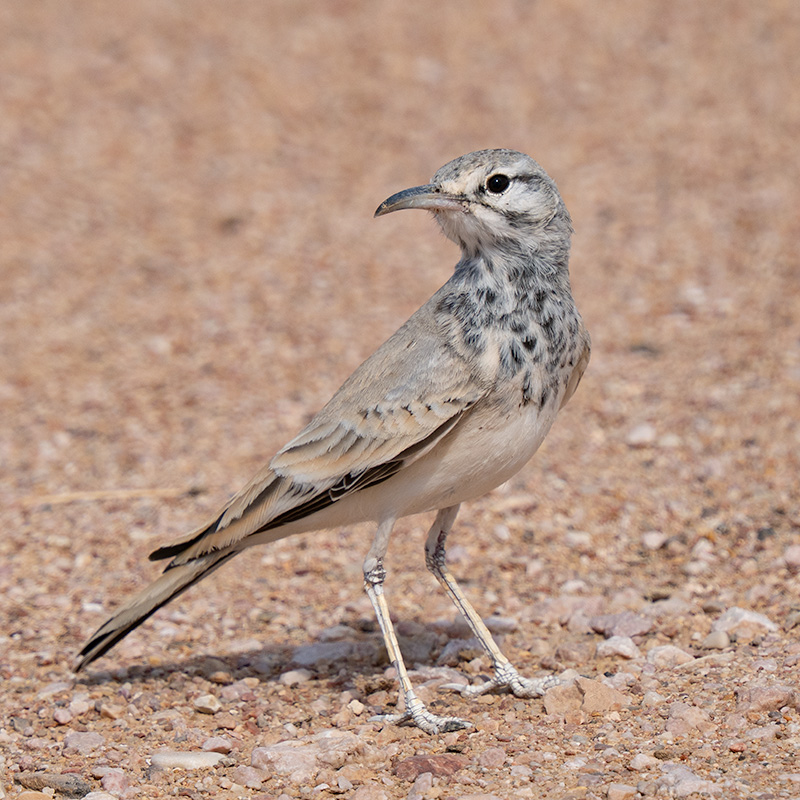
Greater Hoopoe-lark
Spotted Flycatcher
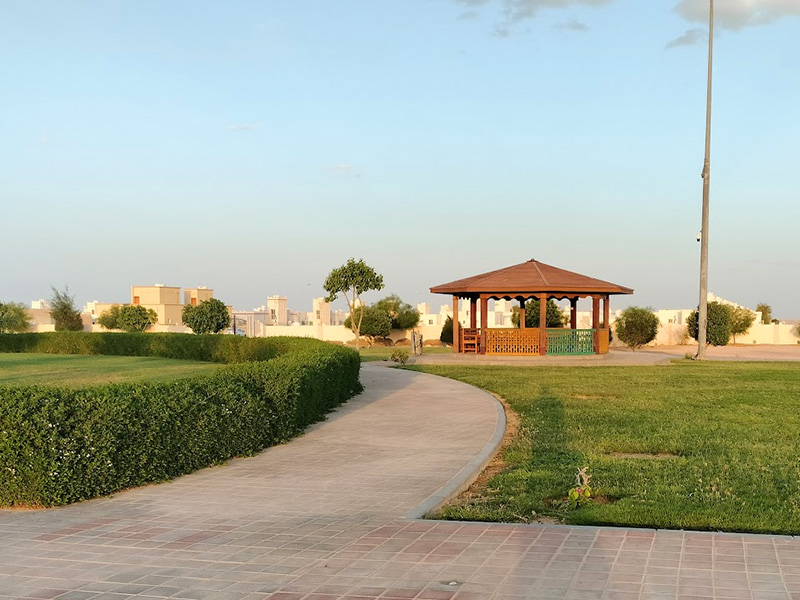
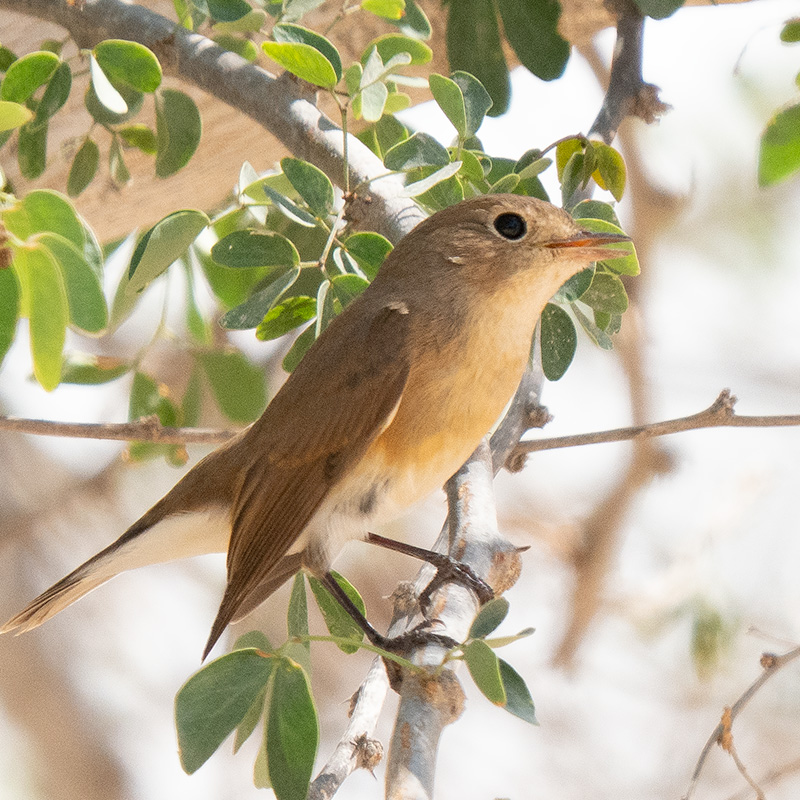
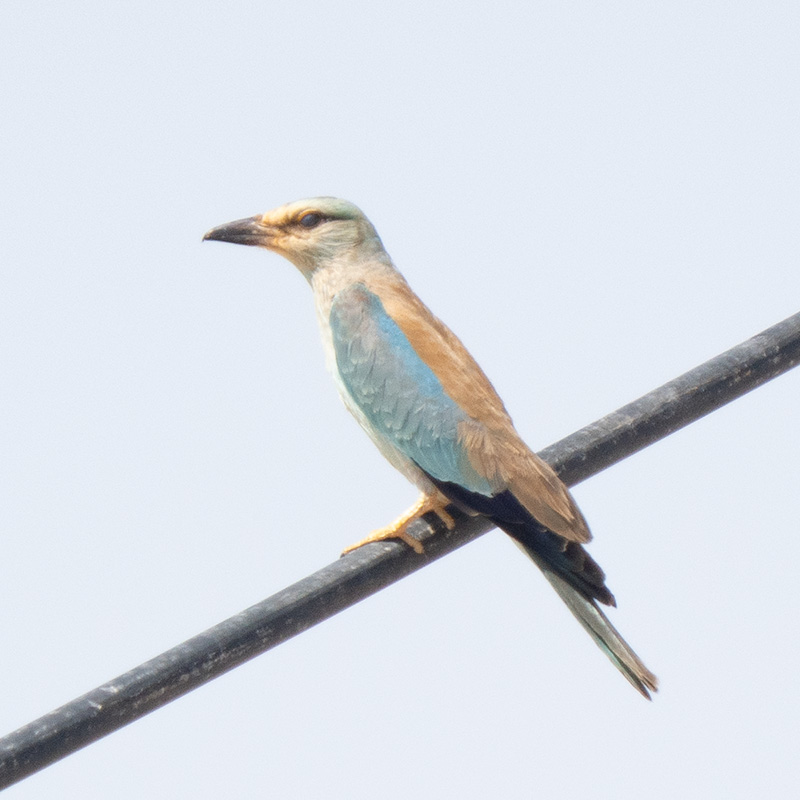
Our final stop for the day was at Haima Park just a few miles down the road from the desert park. This was a public park with trees and rest facilities just off the main E31 highway. There we had good views of a Red-breasted Flycatcher in one of the trees, but the highlight was a European Roller that was on a wire and then flew over use several times.
Haima Park
Haima park
Red-breasted Flycatcher
European Roller
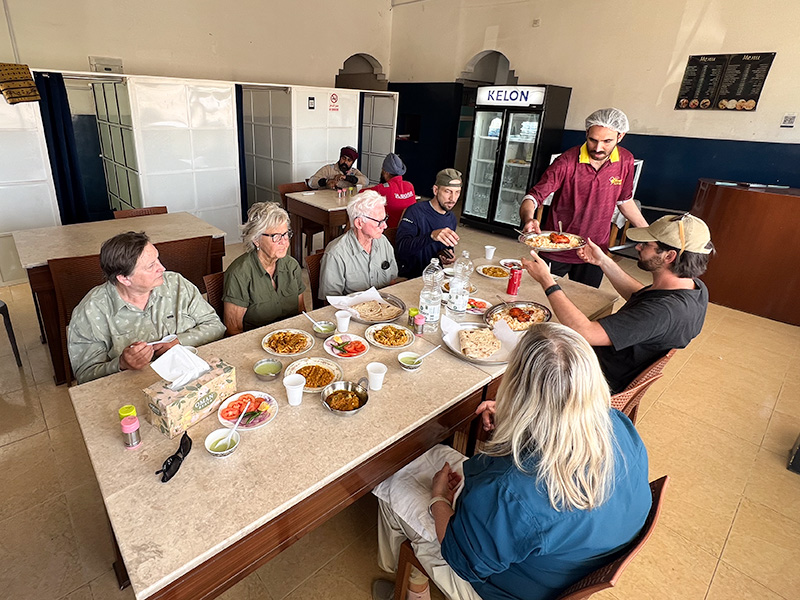
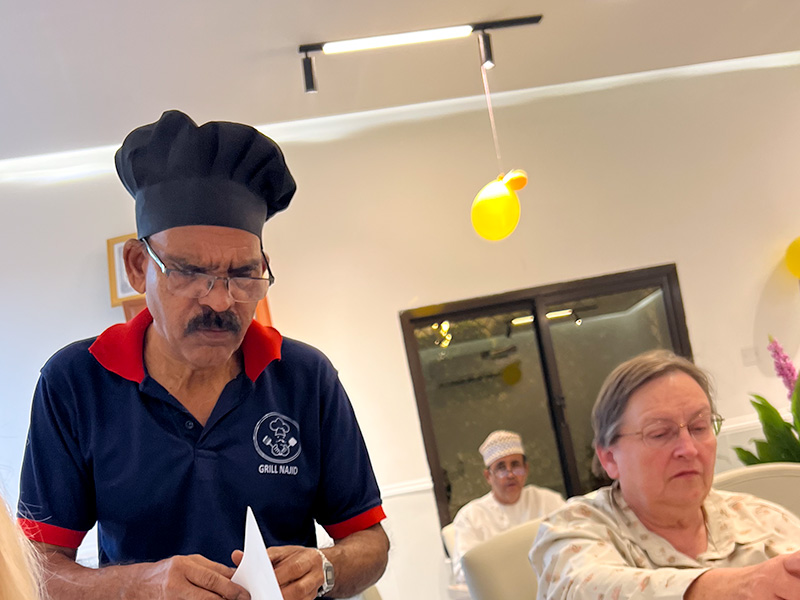
We broke our journey with lunch at the Al Yahar restaurant in Haima, which served excellent Arabian food. The owner/chef was so pleased to see foreign birders that he wanted a photograph of himself with the group, so perhaps there’s now a shot us on the wall of his restaurant.
The Al Yahar Restaurant, Haima
The Al Yahar Restaurant, Haima
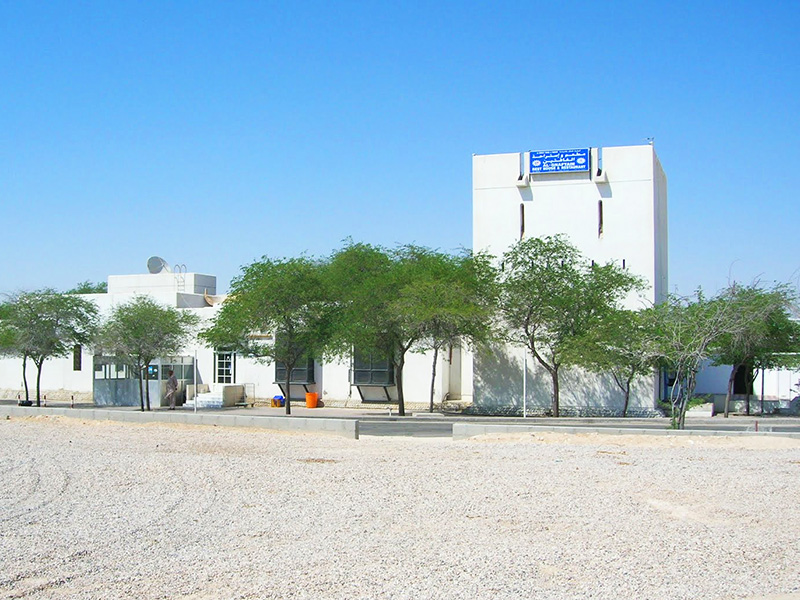
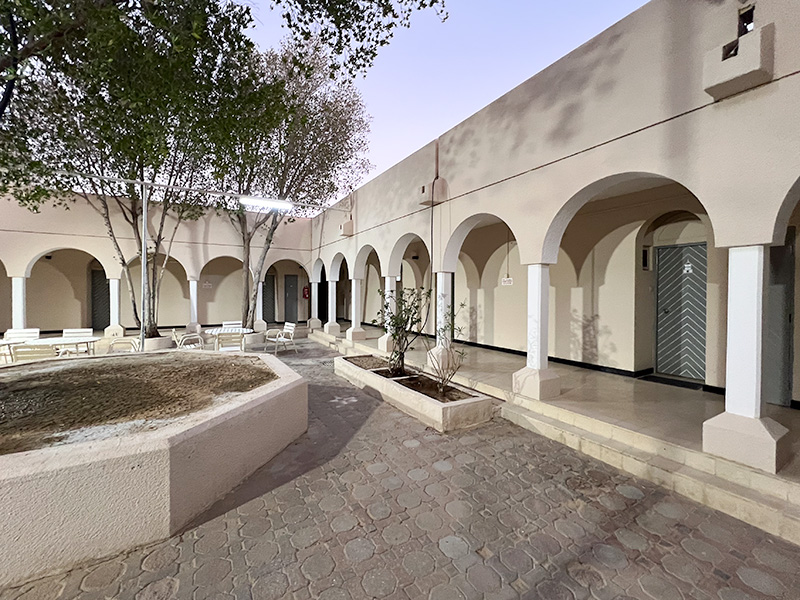
After our long drive we spent the night of 5 November at the Al Ghaftain Rest House, which is next to a Shell service station on the E31 motorway. Although basic, it was comfortable and provided adequate accommodation for one night. We particularly enjoyed the fact that dinner and breakfast were taken in the central courtyard where we even had birds in the trees next to us while we ate.
The Al Ghaftain Guest House
The Al Ghaftain Guest House
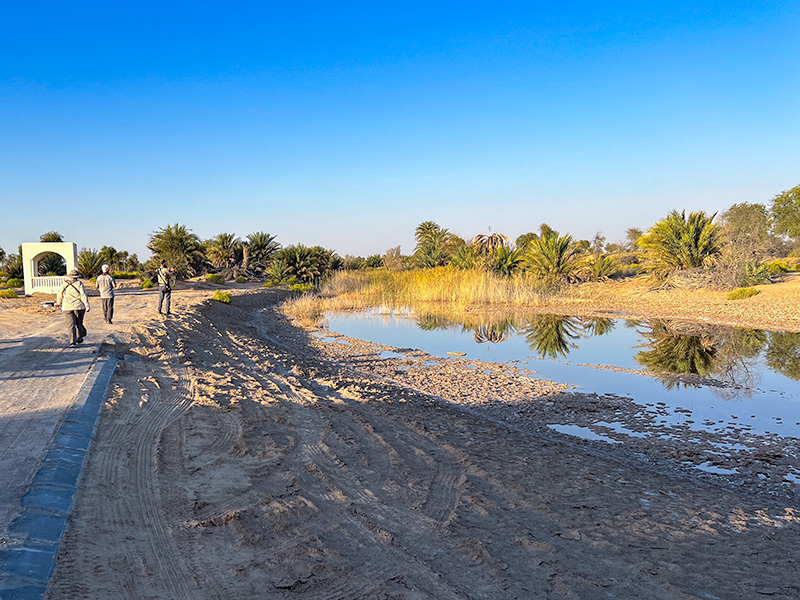
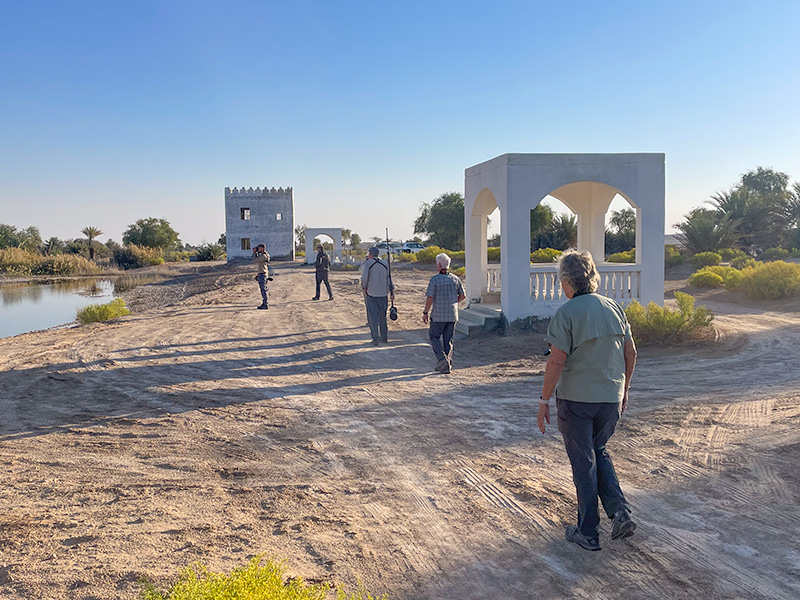
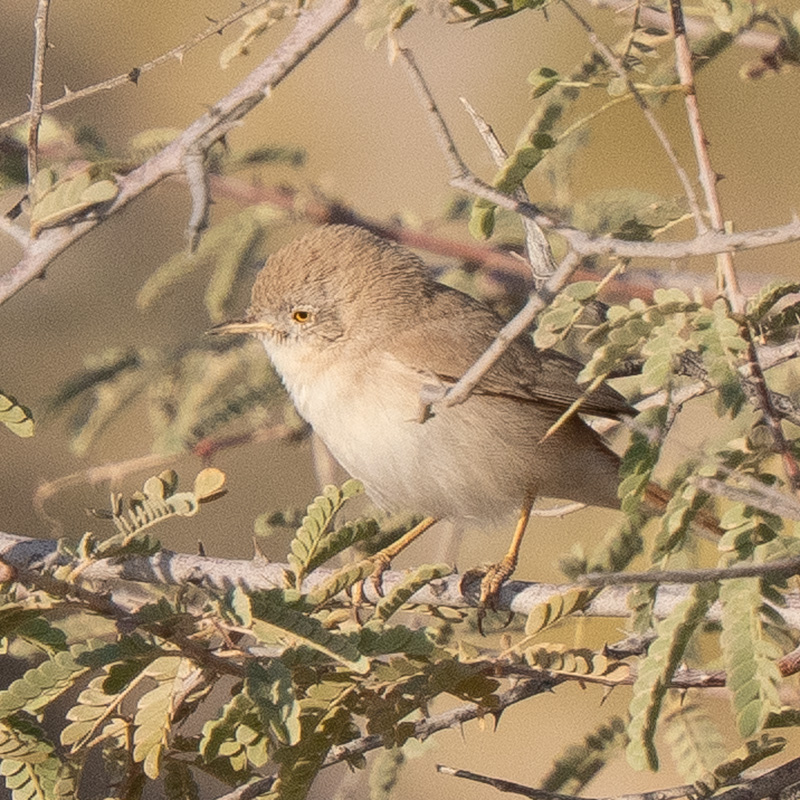
On 6 November we made part two of our journey through the empty quarter when we drove from Ghaftain to Thumrait, but once again with stops at a number of oases to do some birding. Our first stop was at Moqshen just a few miles down the road from where we’d spent the night. The site has a large body of water with the surrounding vegetation being a magnet for birds. At the oasis we had the inevitable Spotted Flycatcher, but also less common birds such as the Asian Desert Warbler.
Moqshen in the early morning light
Moqshen
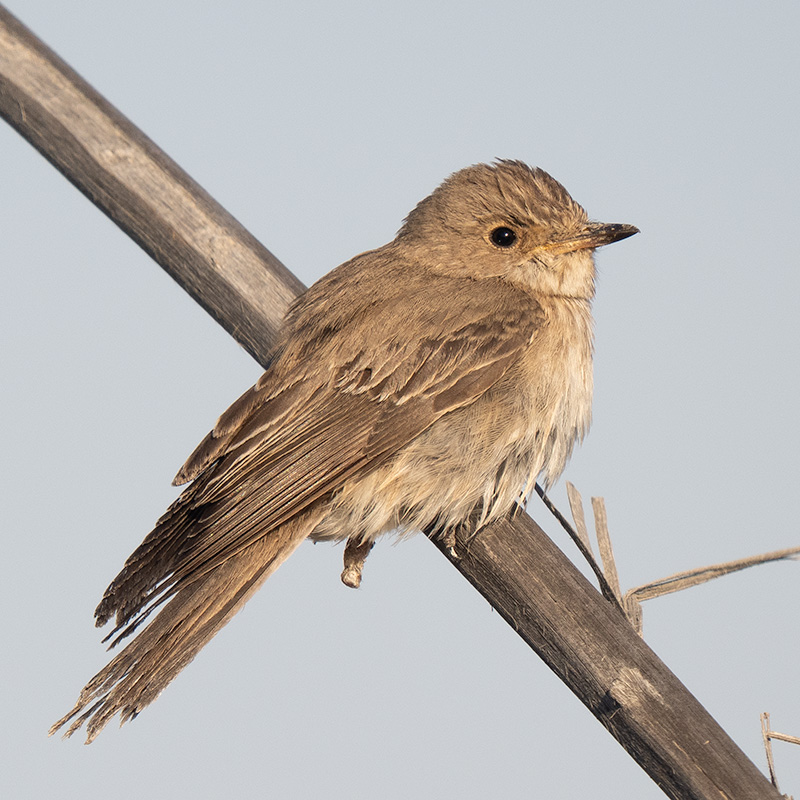
Spotted Flycatcher
Asian Desert Warbler
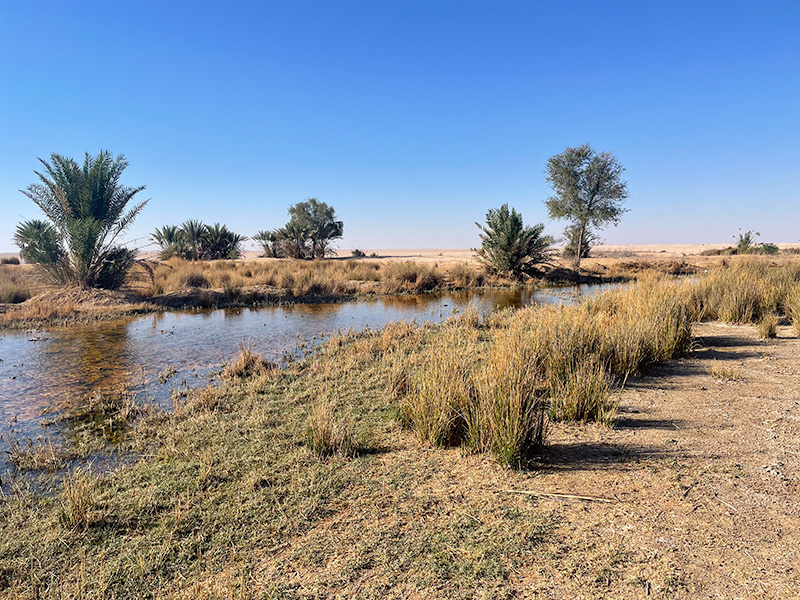
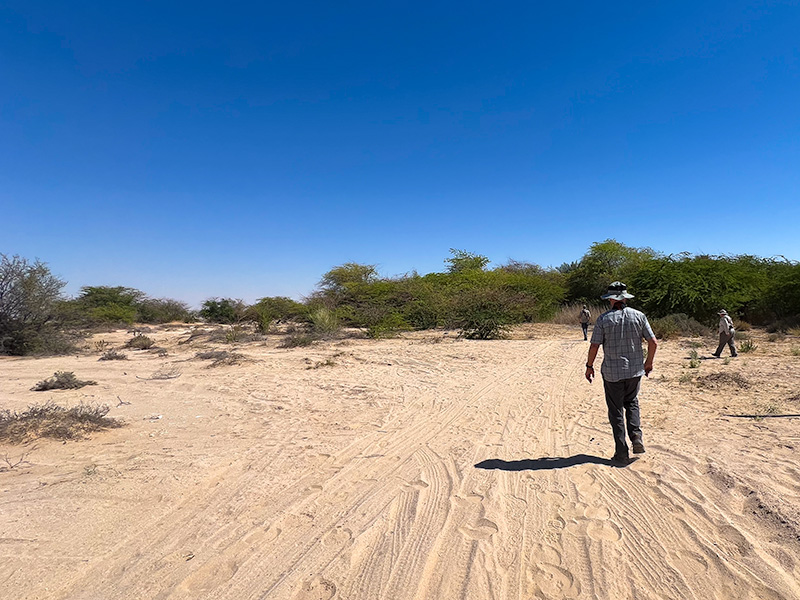
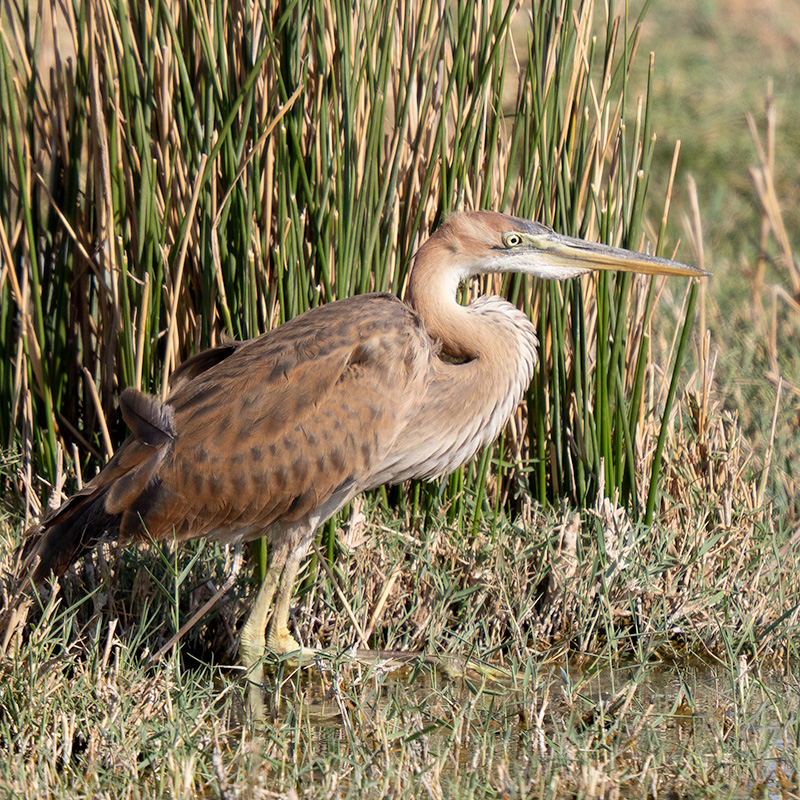
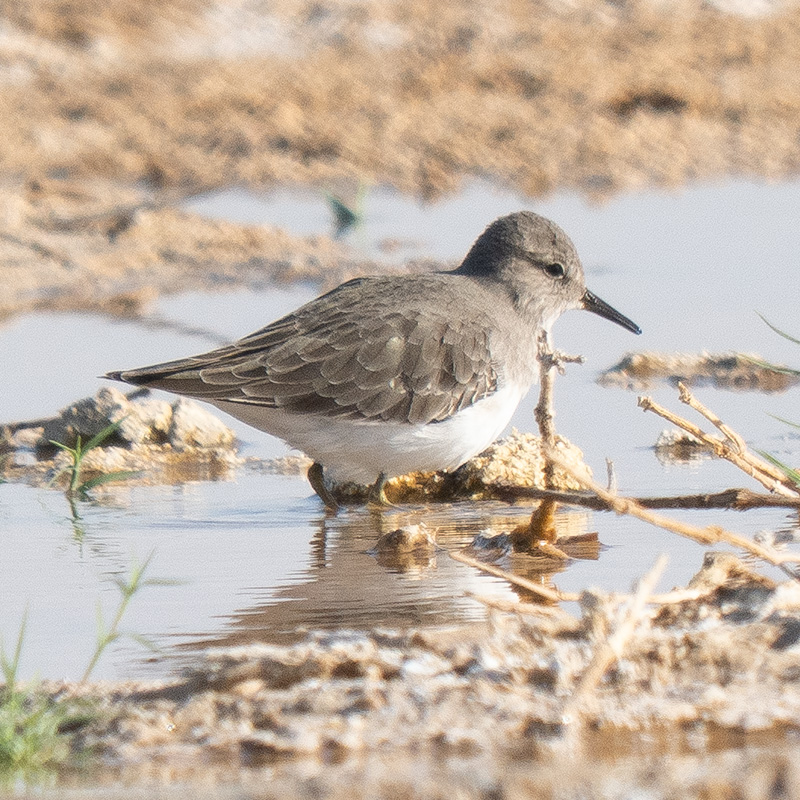
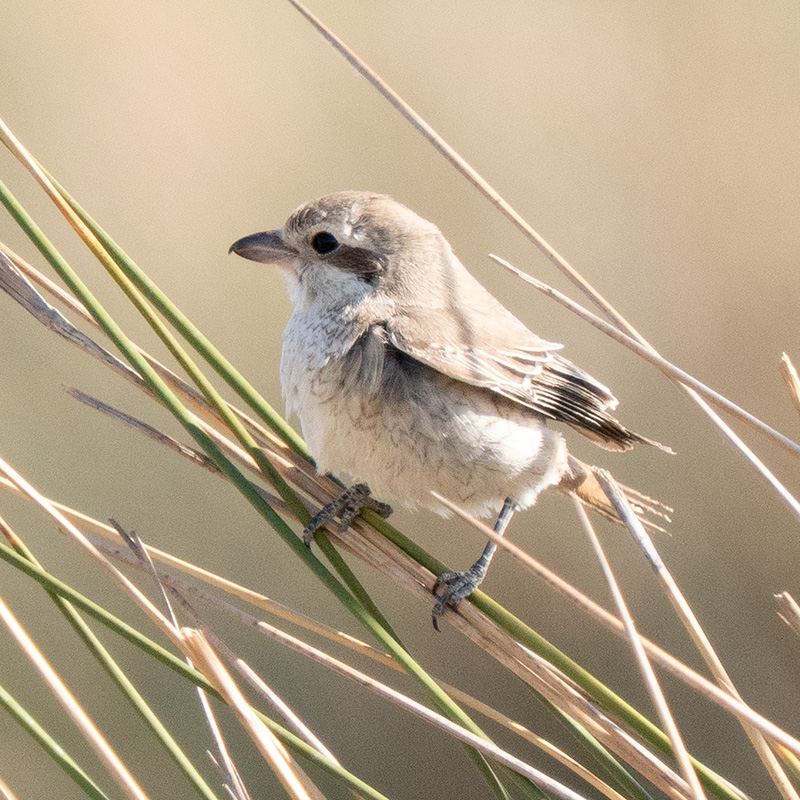
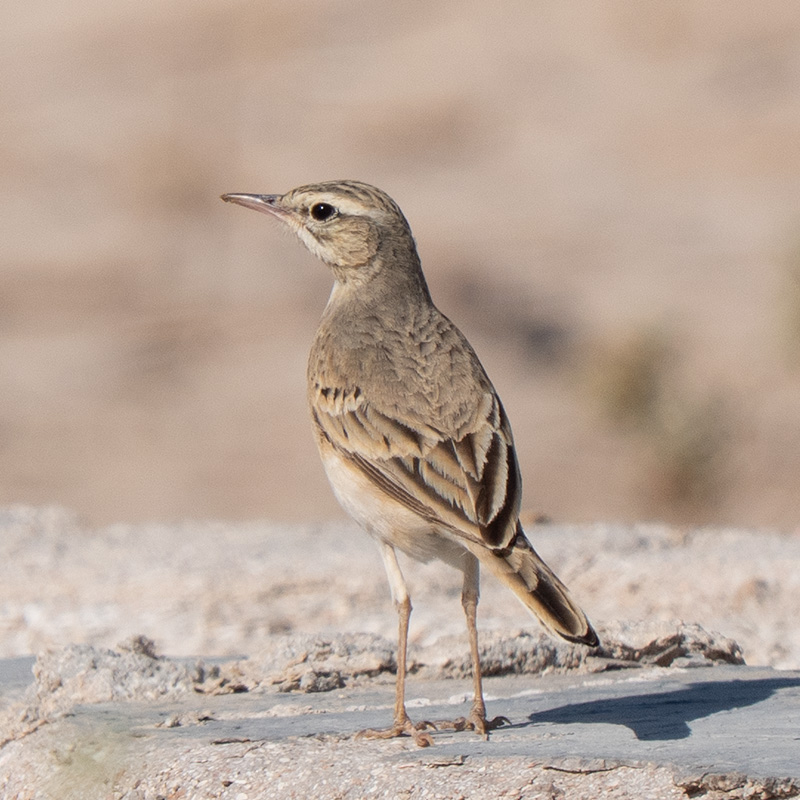
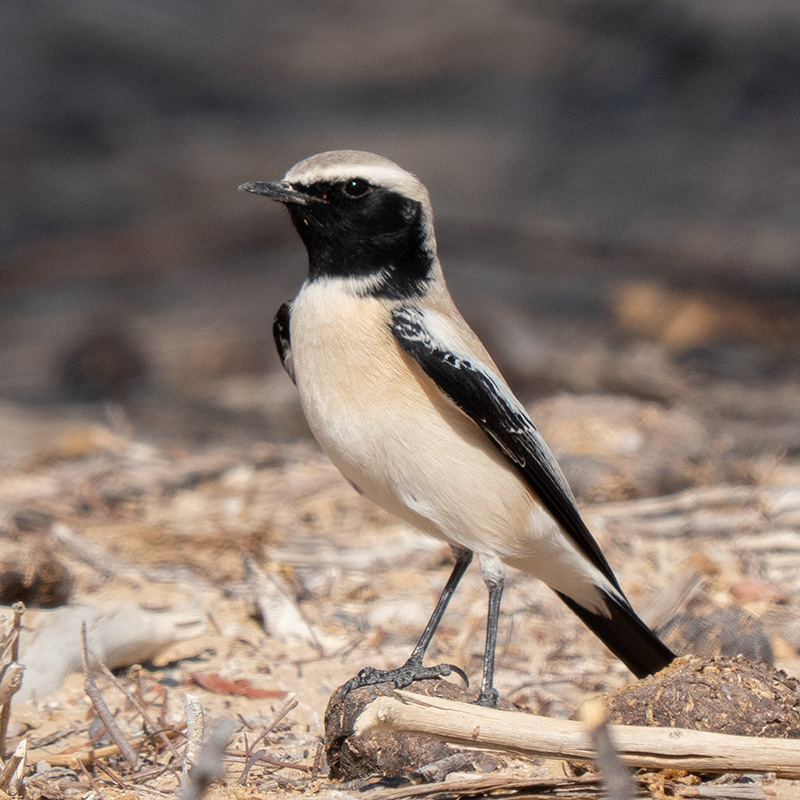
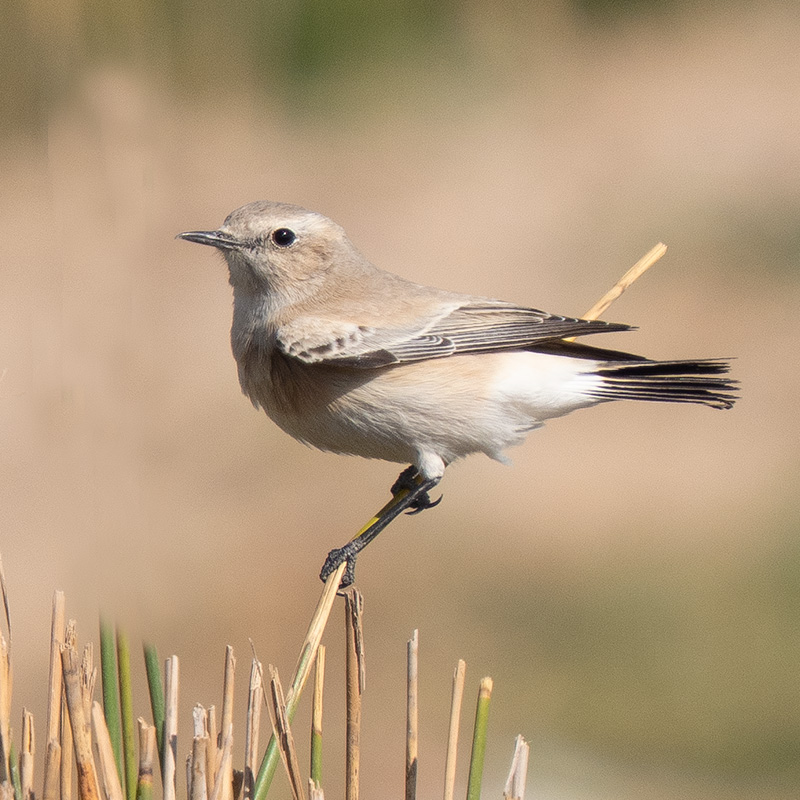
After another hour of driving we arrived at the Muntasar Oasis and spent a couple of hours around the group of trees at the heart of the oasis and also did some birding in the featureless nearby desert. In the pools of water and surrounding vegetation we had Temminck’s Stint, Desert wheatear, White Wagtail, Tawny Pipit and Desert Wheatear. Flying over we had good views of a Common Snipe.
Muntasar Oasis
Muntasar Oasis
Purple Heron
Temminck's Stint
Isabelline Shrike
Tawny Pipit
Desert Wheatear (male)
Desert Wheatear (female)
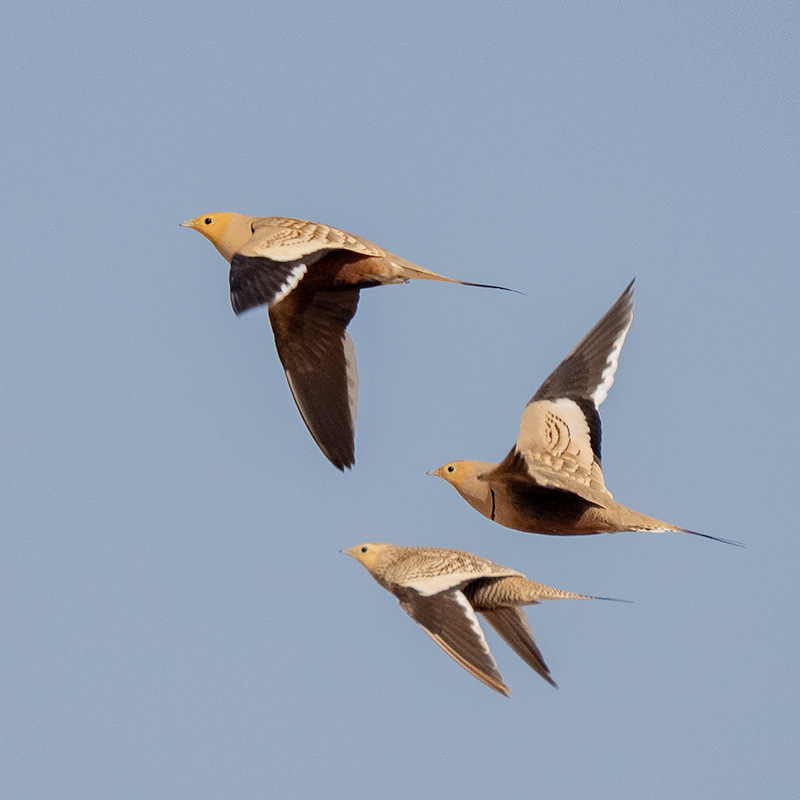
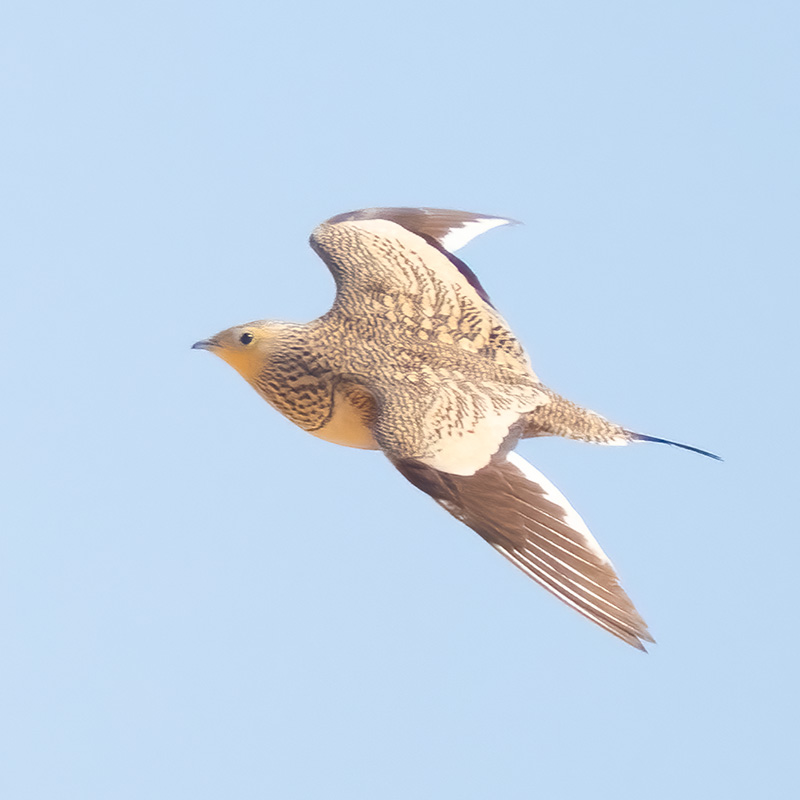
While at the Muntasar Oasis a group of Chestnut-bellied Sandgrouse repeatedly flow around us, with around 170 being counted during their passage.
Chestnut-bellied Sandgrouse
Chestnut-bellied Sandgrouse
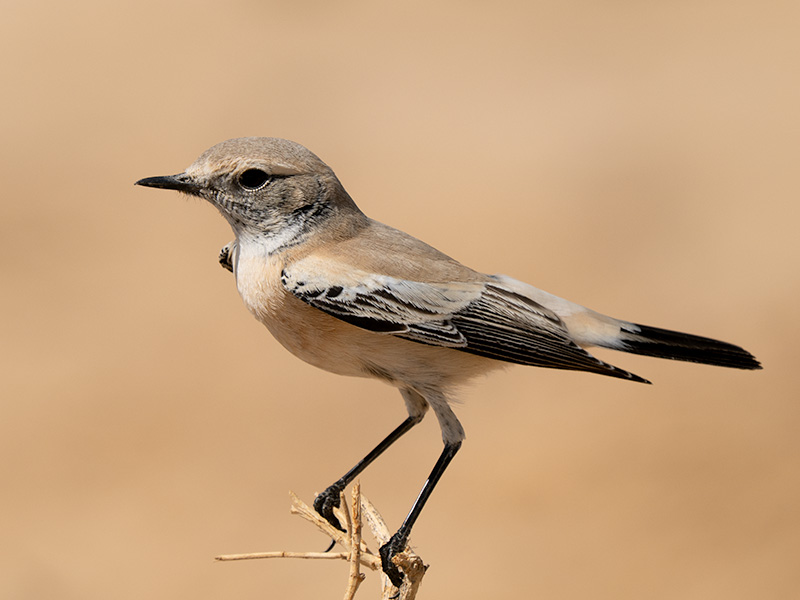
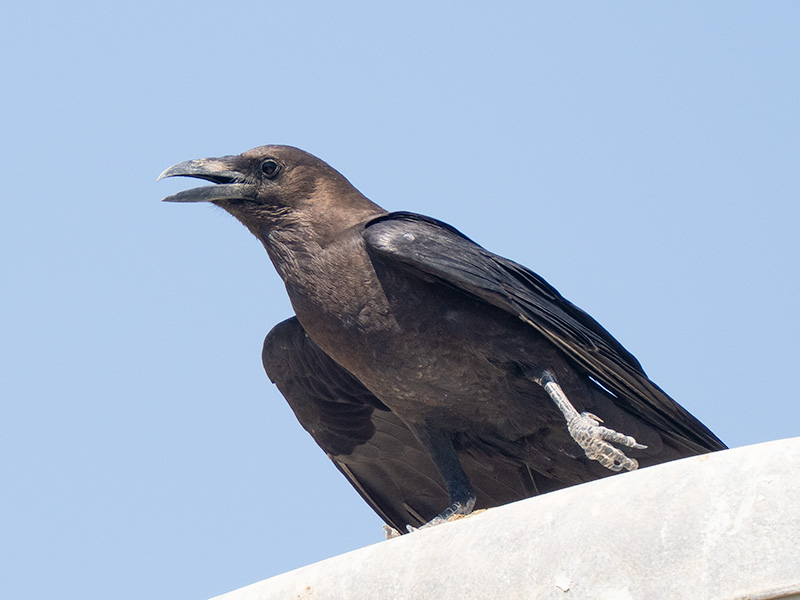
Our final stop of the morning was at Qabit Oasis where we spent 30 minutes around the large body of water at the heart of the oasis. The best photos we obtained were of a female Desert Wheatear and a Brown-necked Raven.
Desert Wheatear (female)
Brown-necked Raven
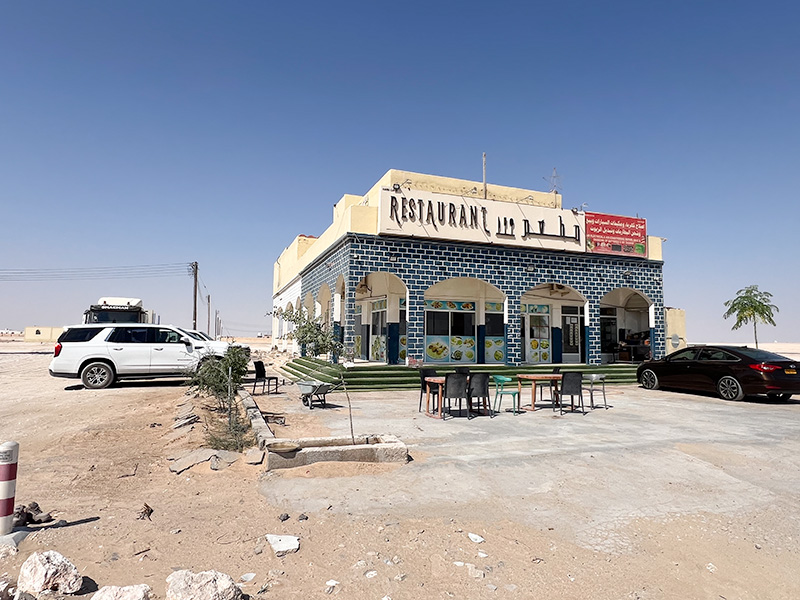
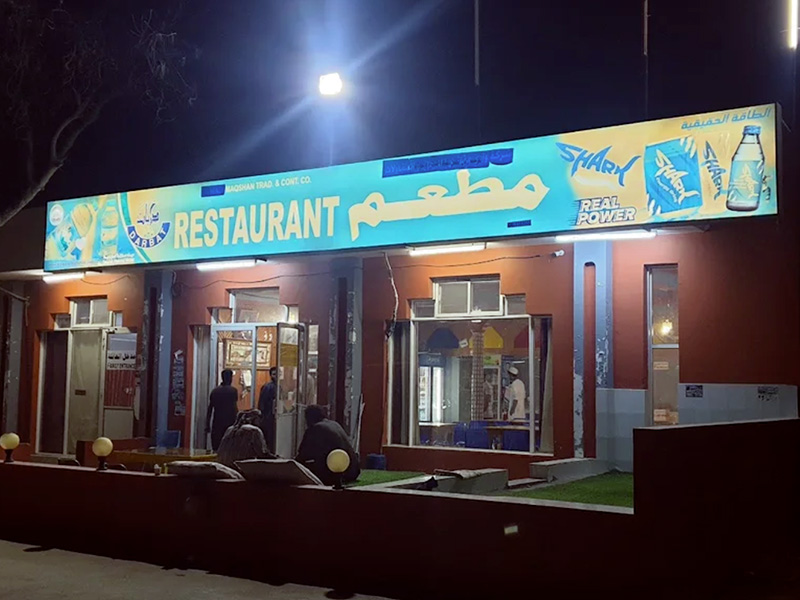
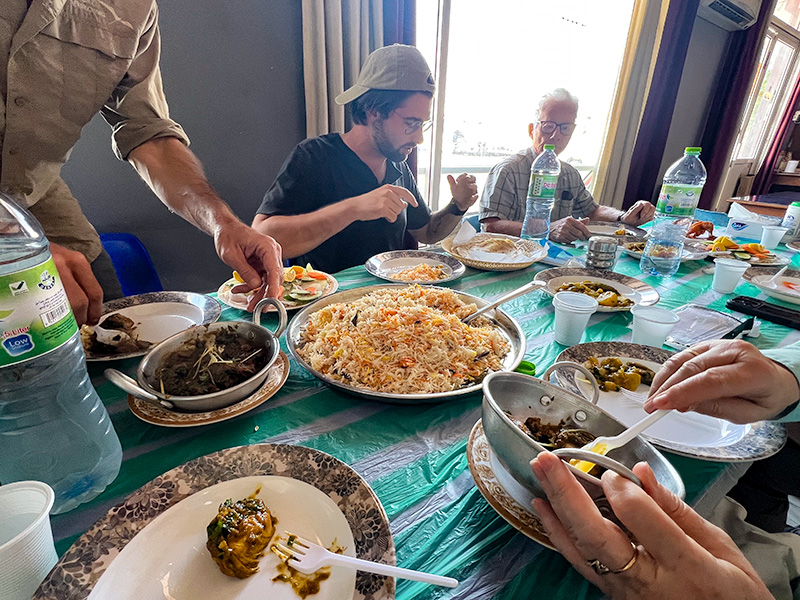
Today’s lunch was taken at the Qatbet Restaurant where we once again had an excellent meal of Omani food, which had at its centre a very large plate of biryani.
The Qatbet Restaurant
The Qatbet Restaurant
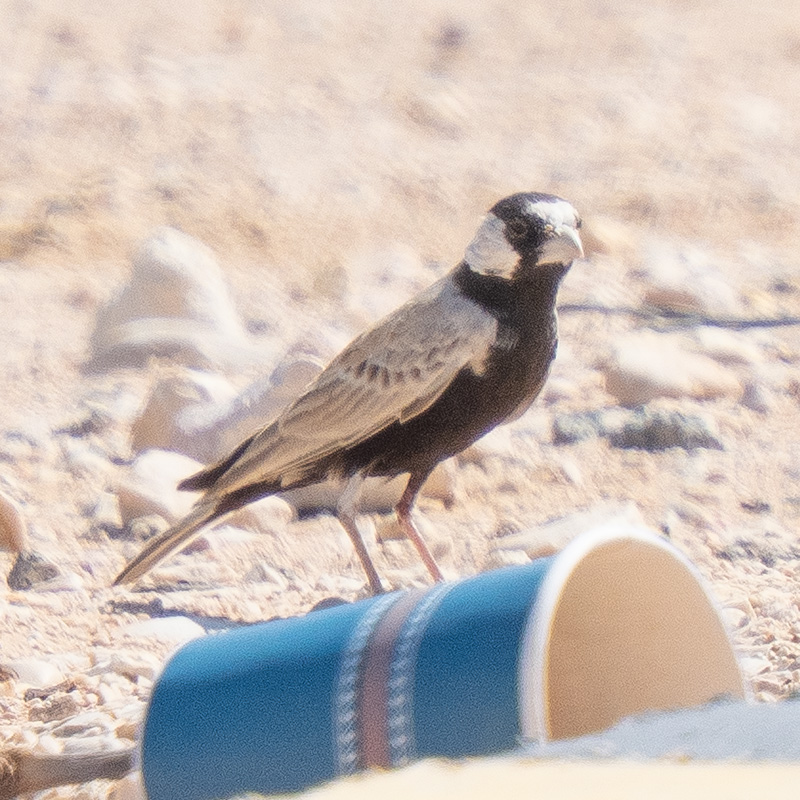
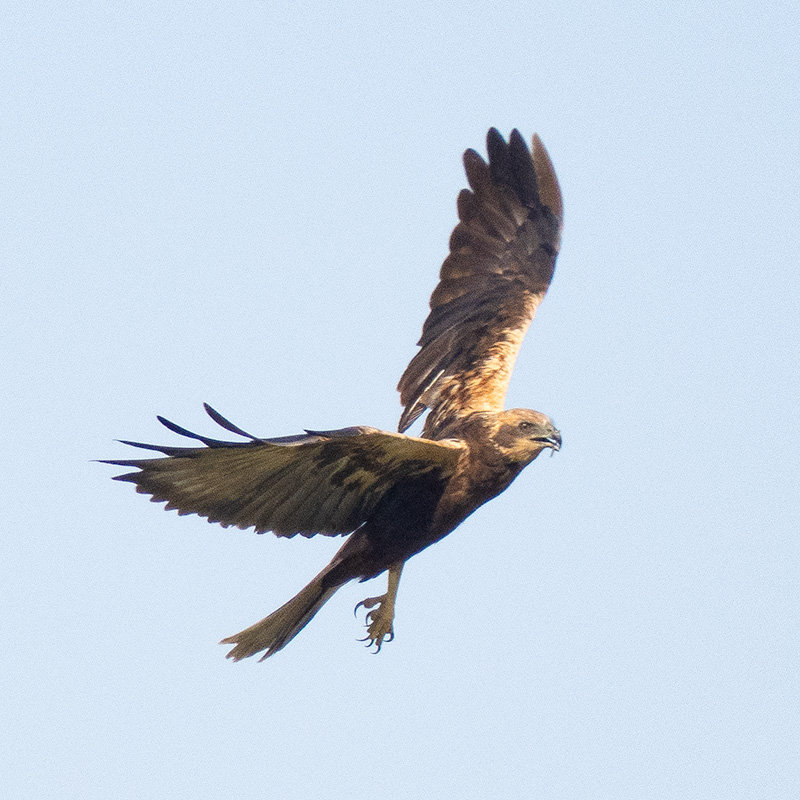
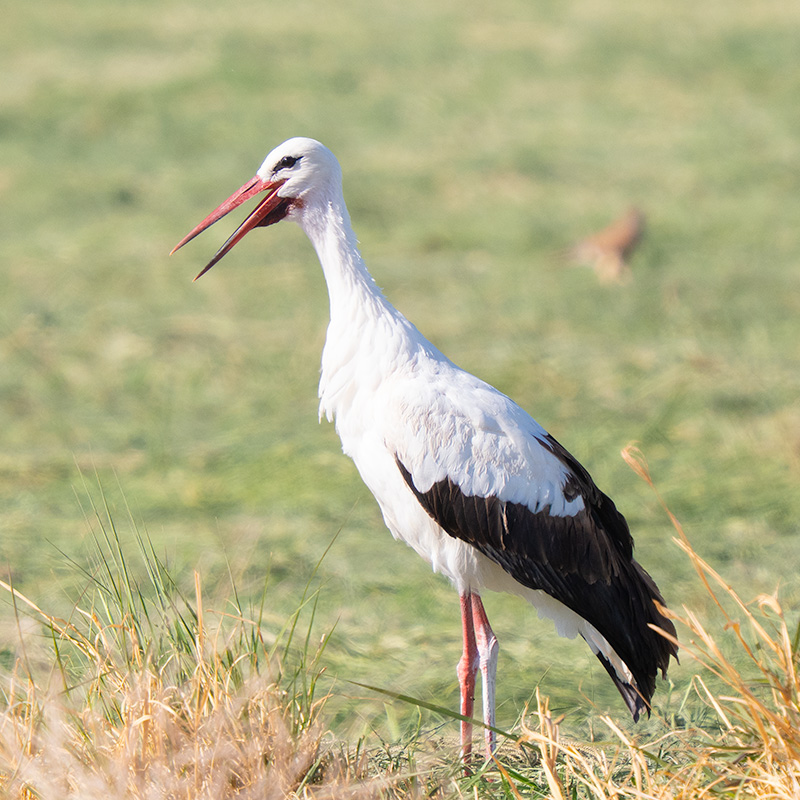
After lunch we continued our journey along the E31 highway towards Thumrait making further stops along the way. The first birding site we wanted to visit was the Awad farms, but we stopped briefly at a pull off and saw another Greater Hoopoe-lark, although the highlight for us was a Black-crowned Sparrow-lark, which was a lifer, although the only decent shot we could get was it behind a discarded paper cup. Awad farms is a large region of cultivated fields interspersed with arid areas, so we saw a wide range of birds during the 3 hours we spent there. Soon after arriving we had excellent view of yet another Greater Hoopoe-lark, which for once was quite close to us. This was soon followed by a White Stork in one of the cultivated fields, while we got good views of a Western Marsh Harrier as it flew over. Another raptor we saw was a Pallid Harrier, although it was in a very distant field and we could only get a poor quality record shot.
Black-crowned Sparrow-lark
Greater Hoopoe-lark
Western Marsh Harrier
White Stork
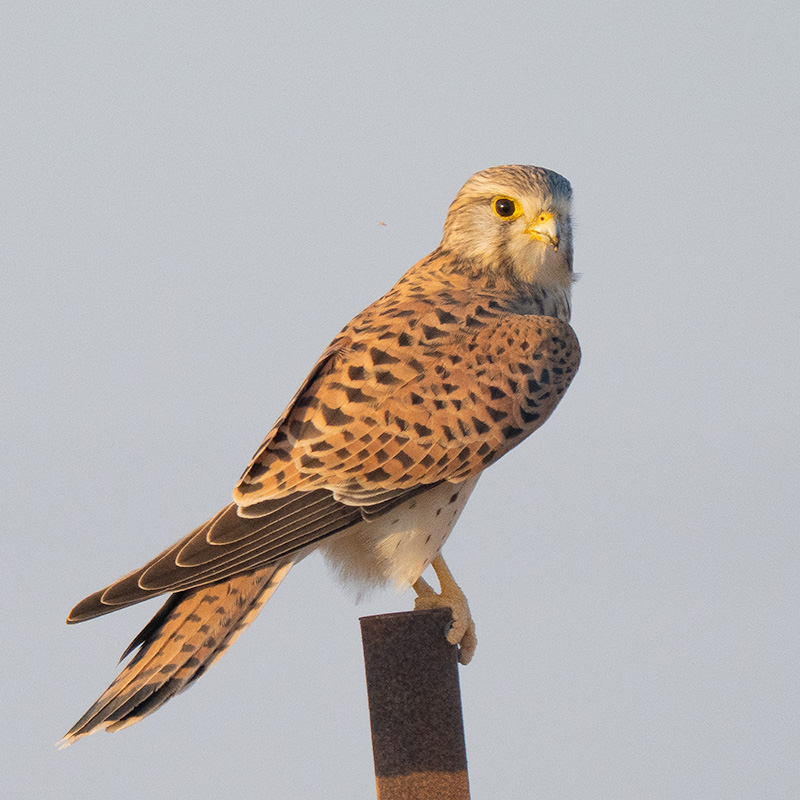
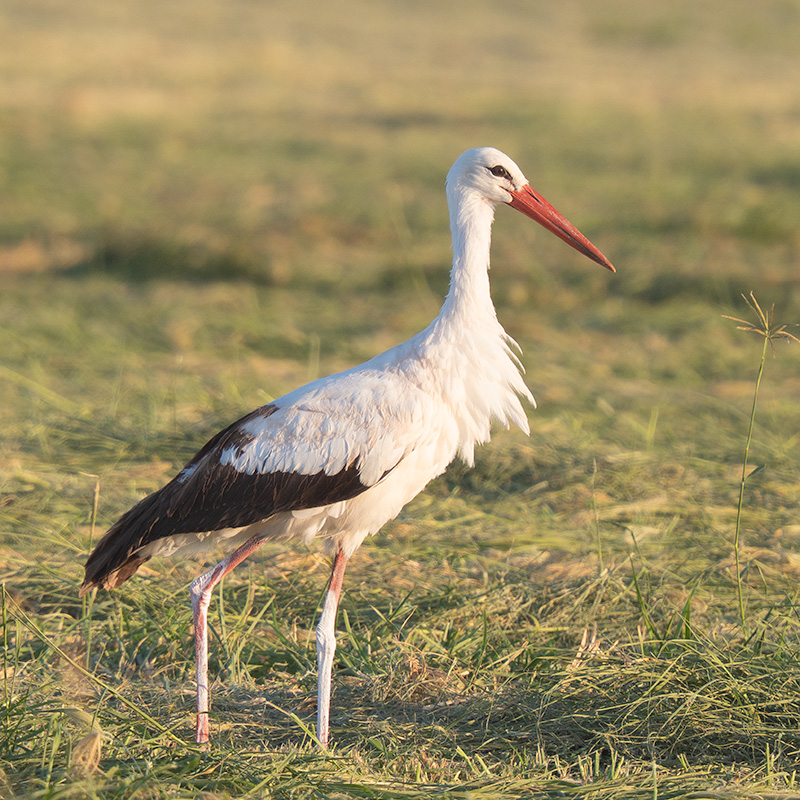
As the day drew to a close we saw a flock of another of the target birds for the trip in the Spotted Sandgrouse but unfortunately the group of birds were on the ground in a field a couple of hundred metres away so we could only get a record shot. Closer and easier to photograph in the gentle late afternoon light were a Common Kestrel and a White Stork.
Common Kestrel
White Stork
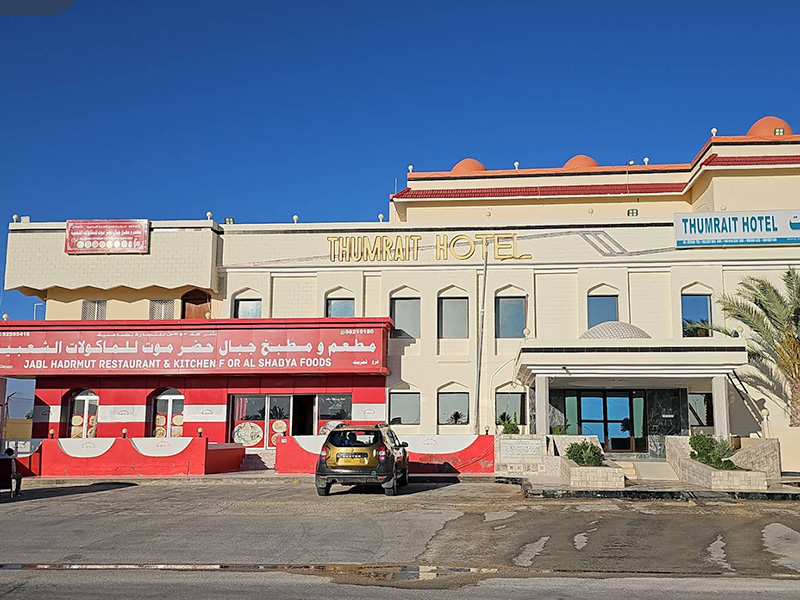
We spent the night at the Thumrait Hotel on the south side of town at a handy location ready for the following day’s birding. The name of the hotel sounded promising, but it was a distinctly quirky place with some half decorated rooms and a questionable standard of cleanliness. However, after looking at a couple of rooms we found one that was acceptable for the night and we joined the group for dinner in the hotel’s restaurant.