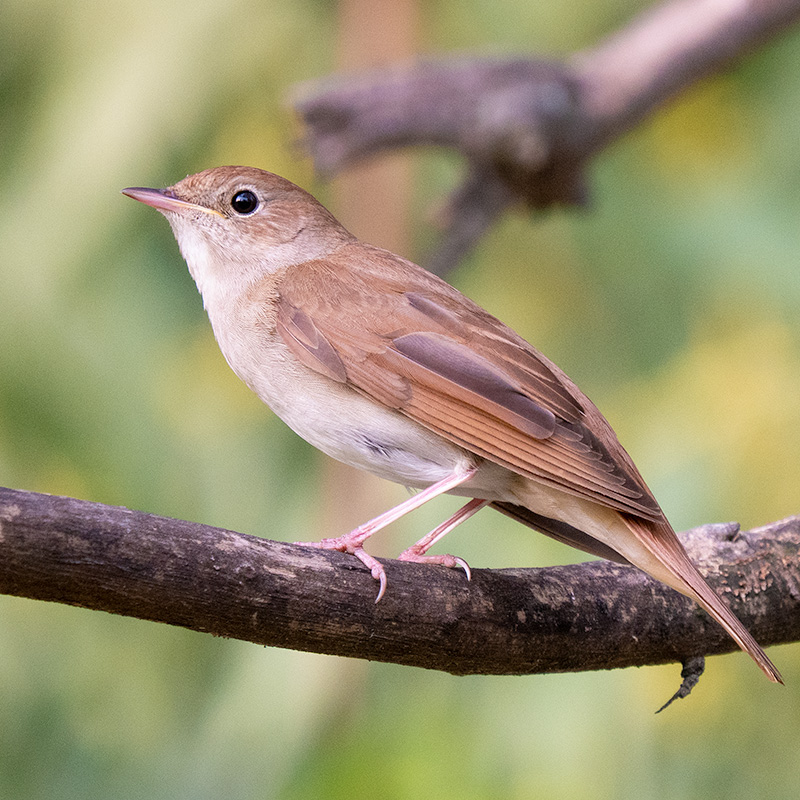
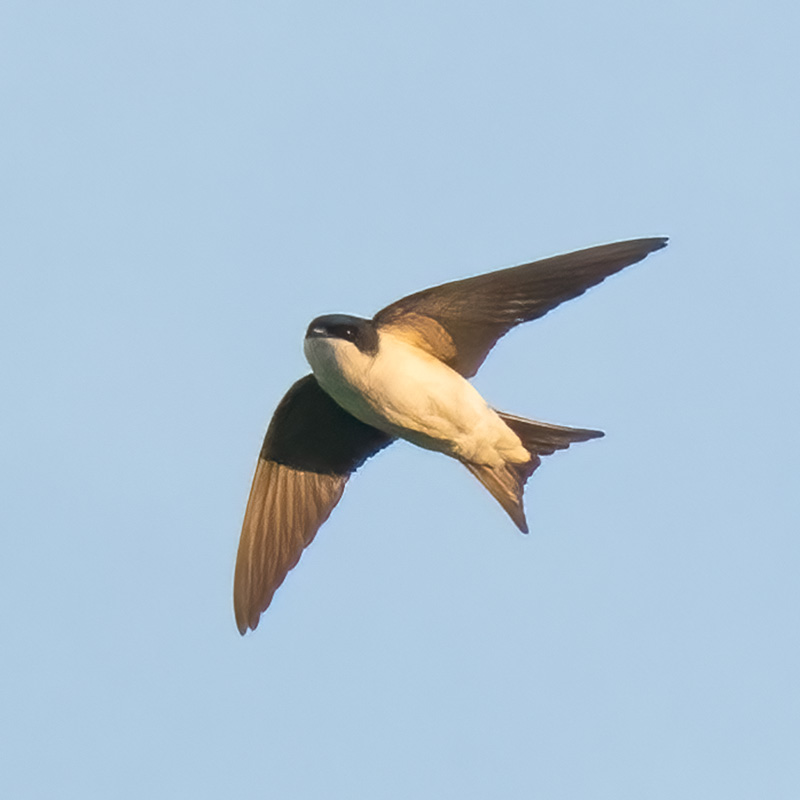
Skala Kallonis is an excellent base for birding on Lesbos as many of the prime birding sites are close to the town. In fact we had some good birds in the grounds of our hotel and soon after checking in we heard the unmistakable song of a Common Nightingale just outside our balcony. We also had many House Martins flying around and a Spanish Sparrow appeared in one of the bushes and posed long enough for us to get a photograph. There were lots of House Sparrows all around the hotel grounds and from our balcony we heard the loud and unmistakable song of a Cetti’s Warbler.
Common Nightingale
Western House Martin
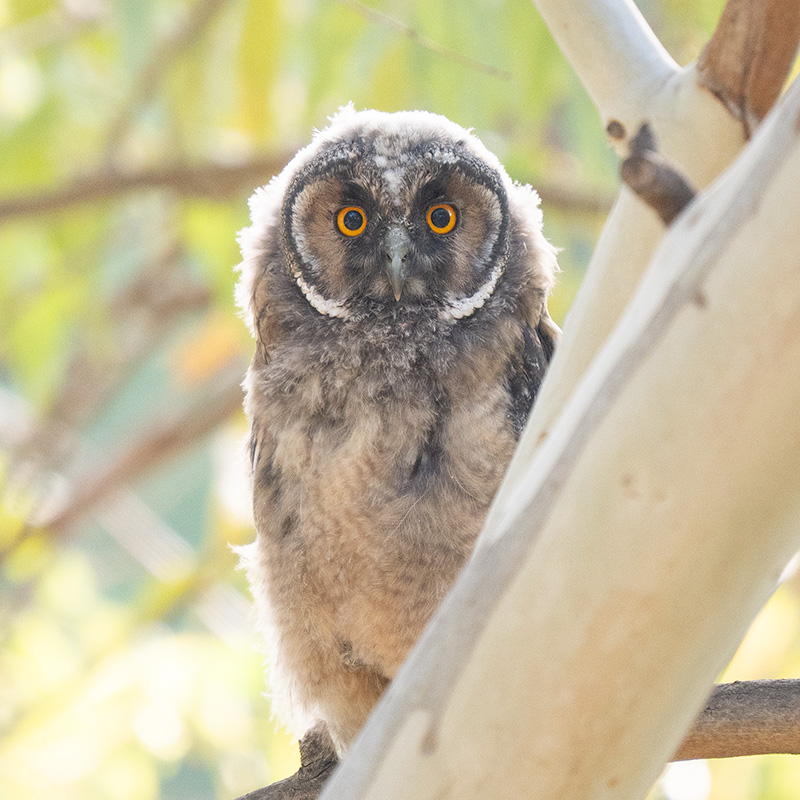
Just round the corner from our hotel there was a Long-eared Owl roost that provided a lot of entertainment for the birders staying in the area. There were four juveniles present when we visited but unfortunately we never saw the adults.
Long-eared Owl (juvenile)
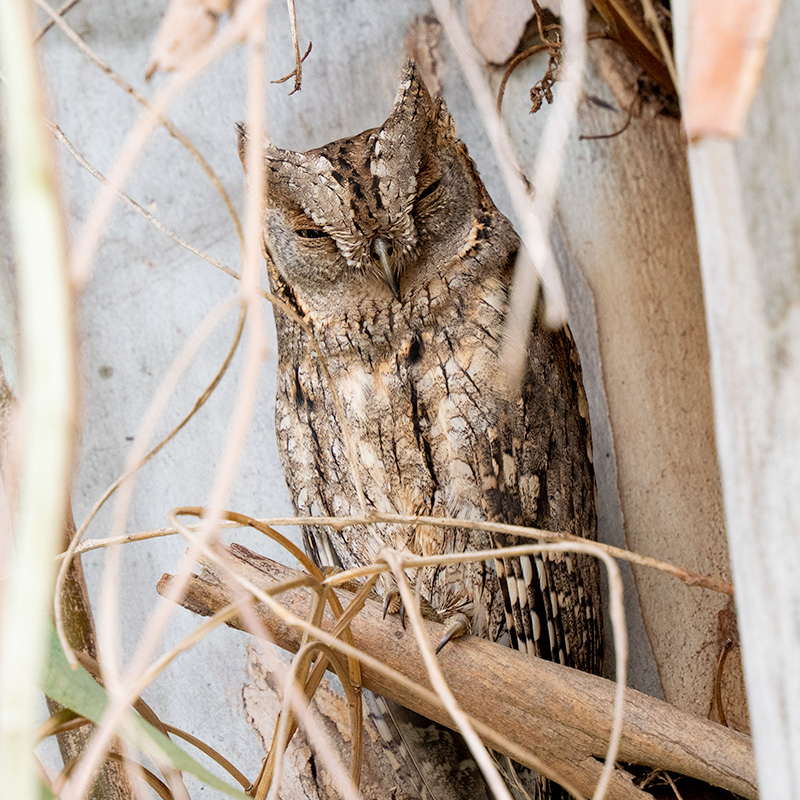
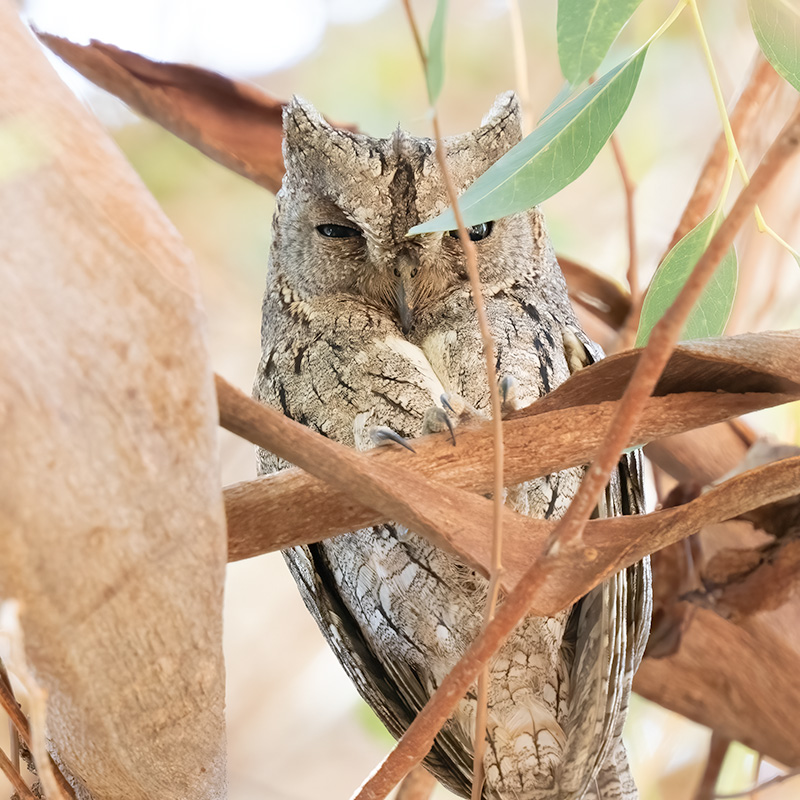
The famous Pasiphae Hotel, in which many birders stay, is just across the road from the Aeolian Gaea and had a Eurasian Scops Owl roosting in its grounds for several days. We therefore visited one morning and with help from the resident birders, enjoying photographing the bird. We saw another Eurasian Scops Owl at the ‘mini soccer pitch’ site just north of Kalloni.
Eurasian Scops Owl at the Pasiphae Hotel
Eurasian Scops Owl at the 'mini soccer pitch' site
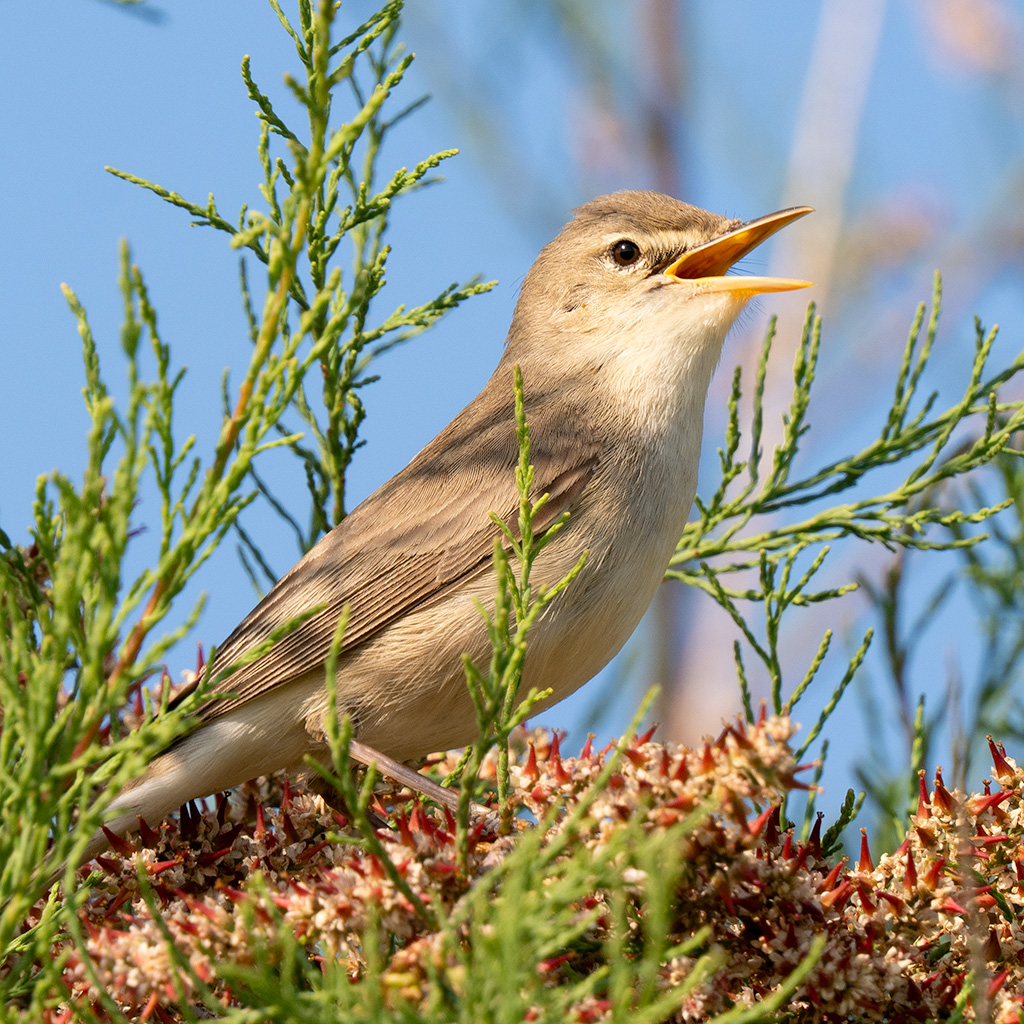
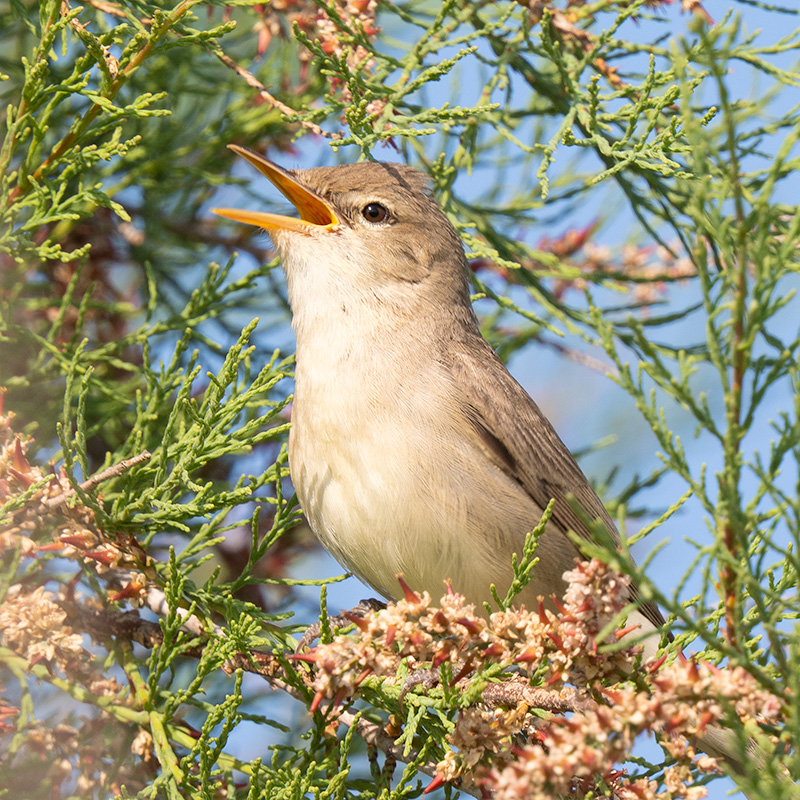
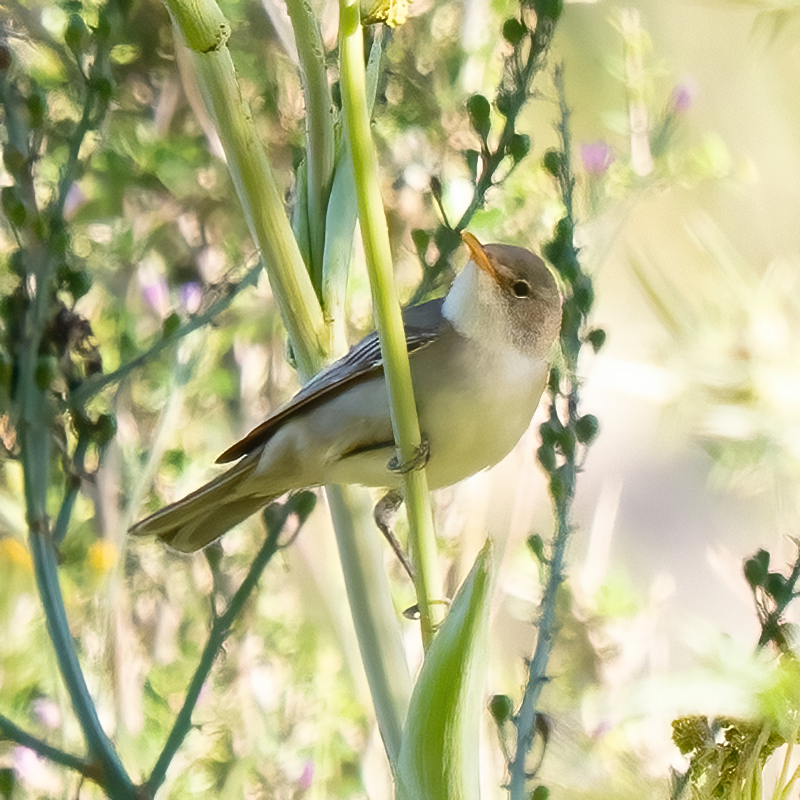
To the east of Skala Kallonis the salt pans and ford across the Tsiknias river are two of the best birding sites on the island, but the unpaved track to these sites from the town is also productive. On the first evening of our trip we had excellent views of an Eastern Olivaceous Warbler in a bush just to the site of the track. This bird is very common on the island and we heard it at many other locations.
Eastern Olivaceous Warbler
Eastern Olivaceous Warbler
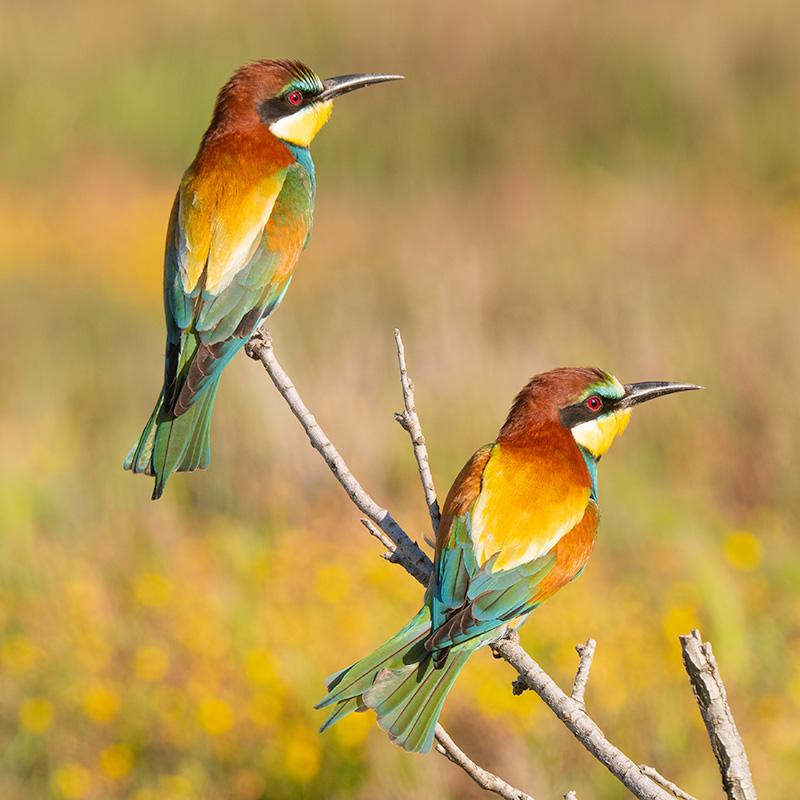
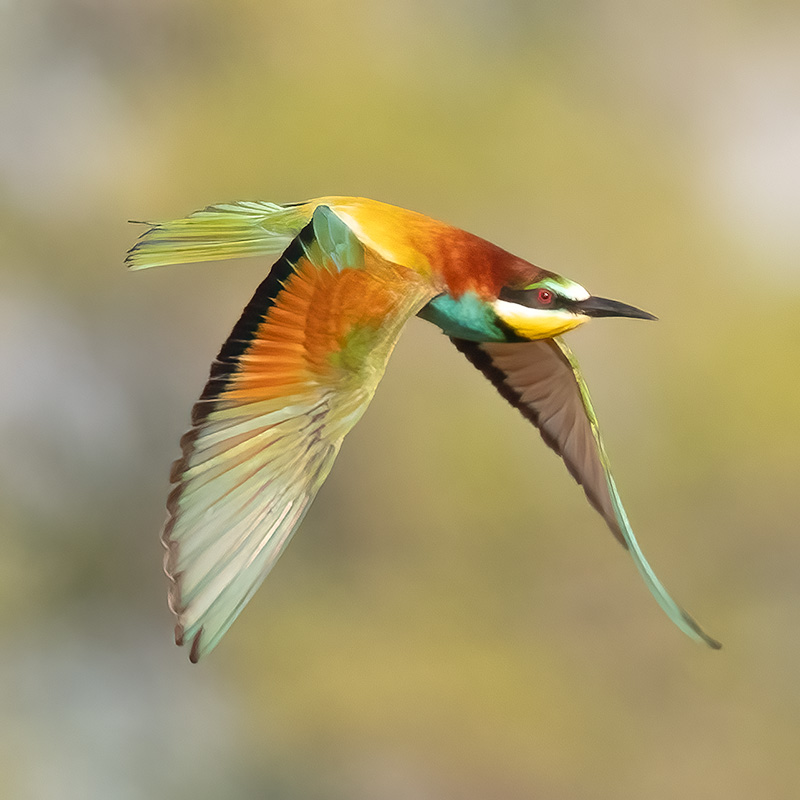
On our drives to the ford and salt pans we saw that the fields to the right of the track often had several European Bee-eaters flying around hunting for food and during a couple of evenings we spent time photographing these beautiful birds when the light was behind us.
European Bee-eater
European Bee-eater
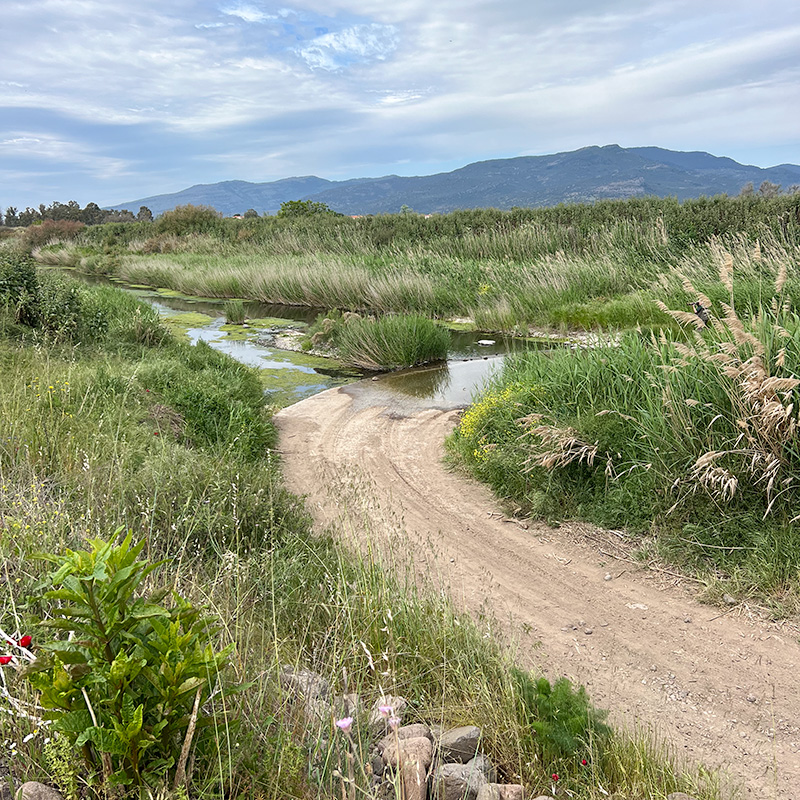
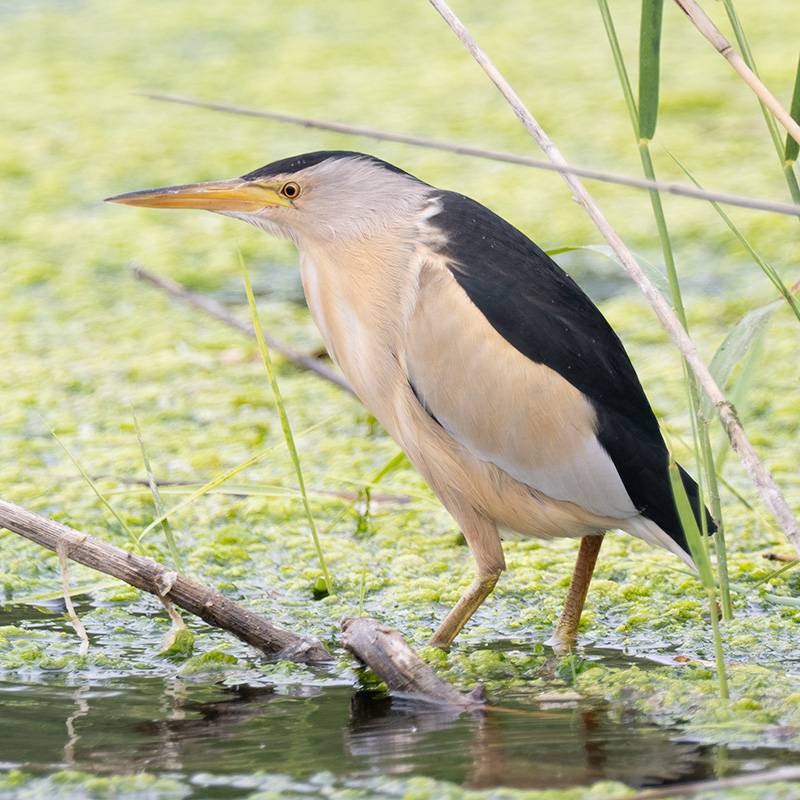
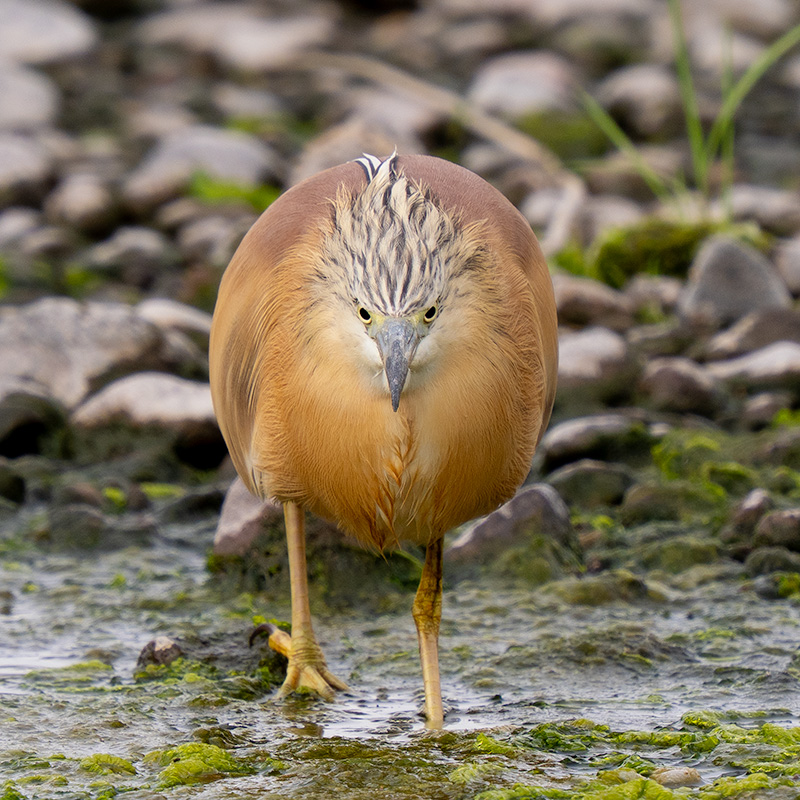
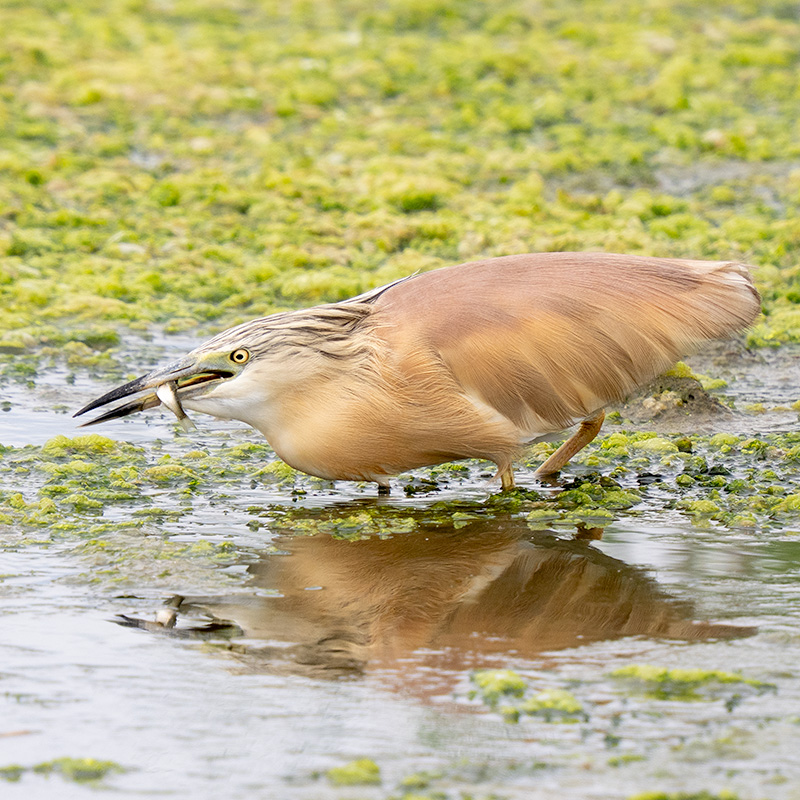
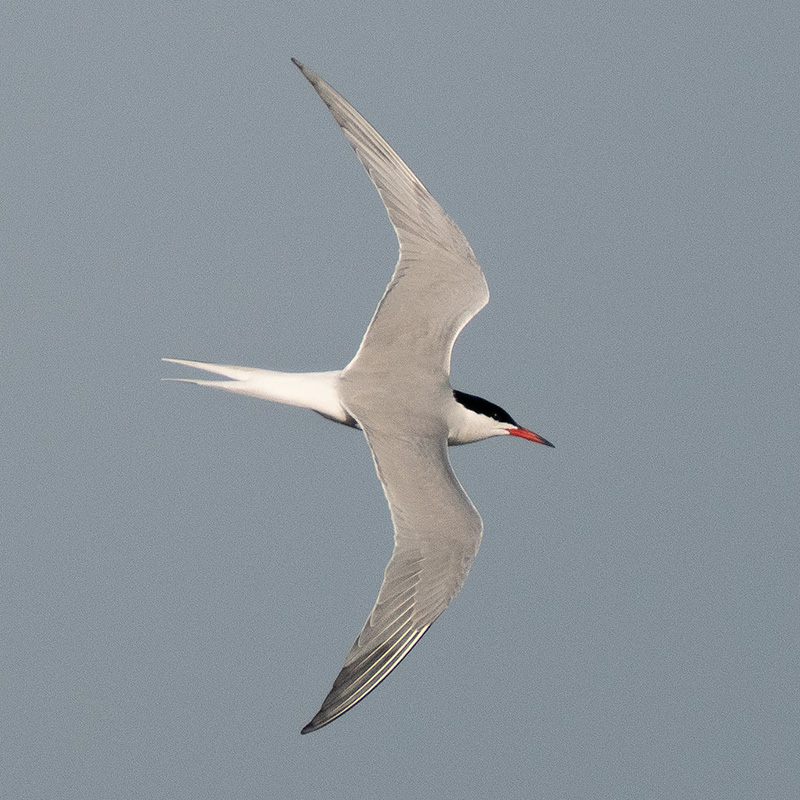
The ford over the Tsiknias river is one of the prime birding sites on the island and we visited it on several occasions during our stay as it was so close to our hotel. For a couple of days a Little Bittern was seen close to the ford and seemed oblivious to the frequent passage of vehicles over the ford. We also saw a Squacco Heron near the ford that took an interest in our presence. South of the ford, Common Terns were flying over the river looking for fish.
The ford over the Tsiknias River
Little Bittern.
Squacco Heron
Squacco Heron
Common Tern
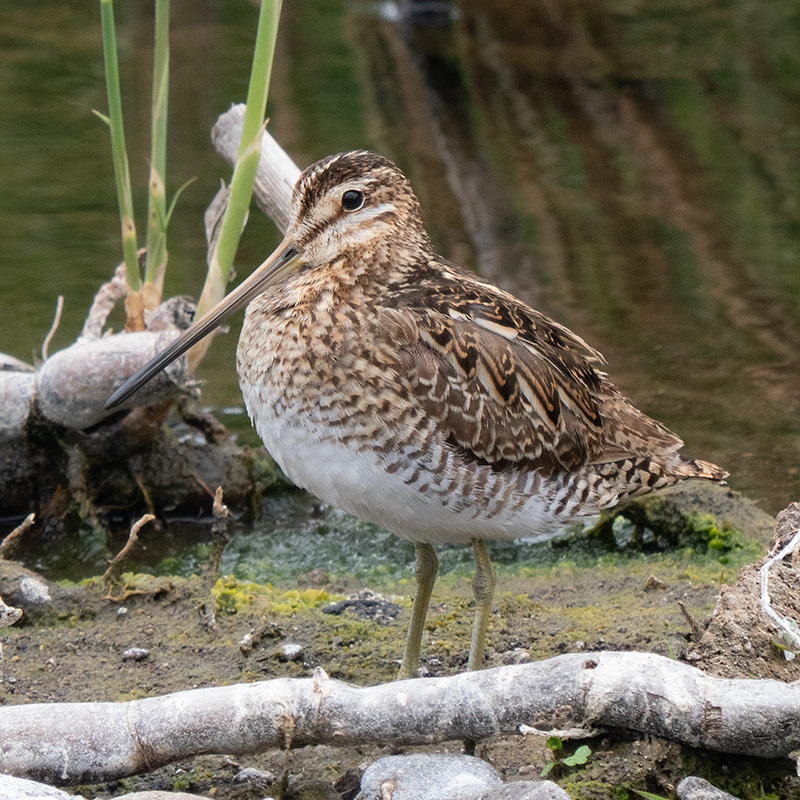
Common Snipe
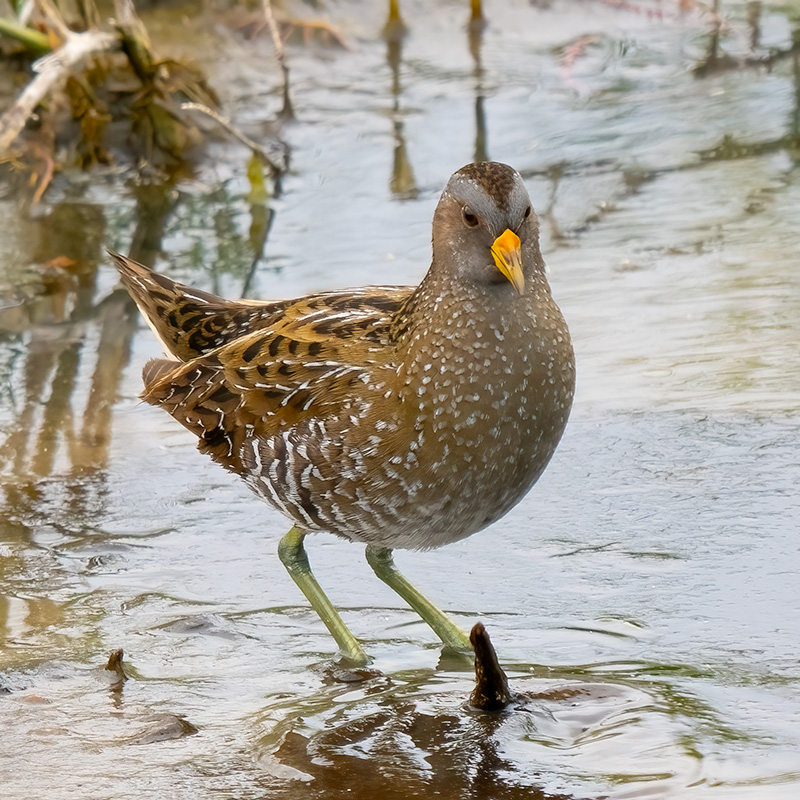
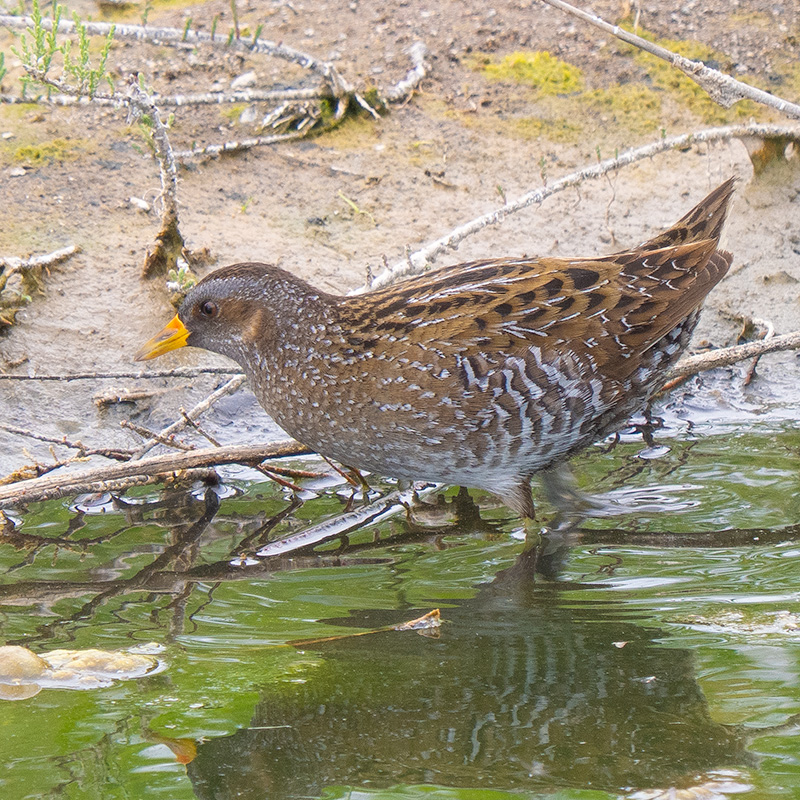
A new hundred metres upstream of the ford a Spotted Crake was observed on several days and we were lucky enough to be there when it wandered from the reeds where its usually located into full view for a short while.
Spotted Crake
Spotted Crake
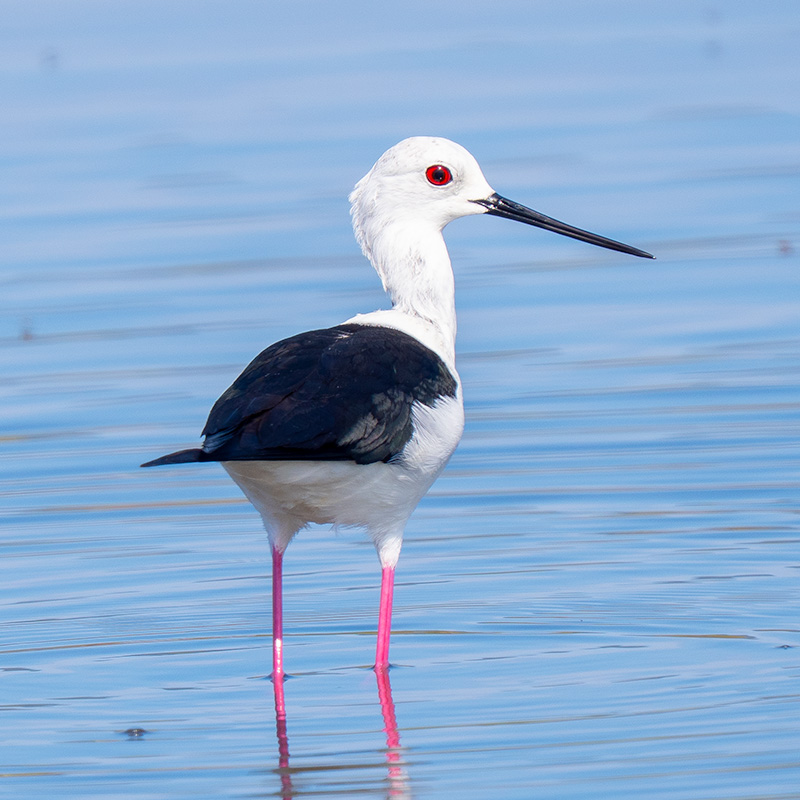
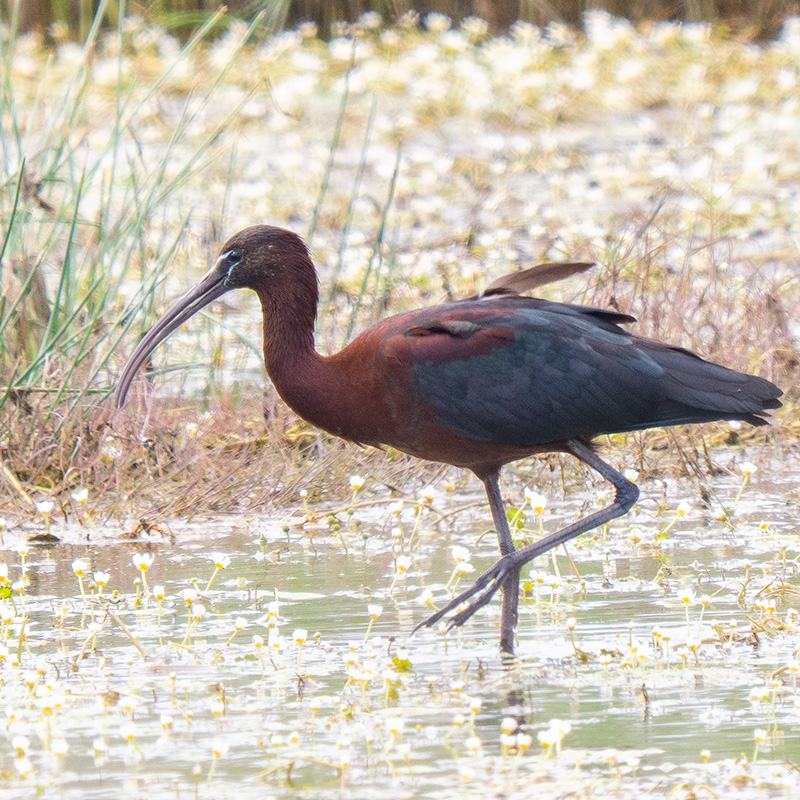
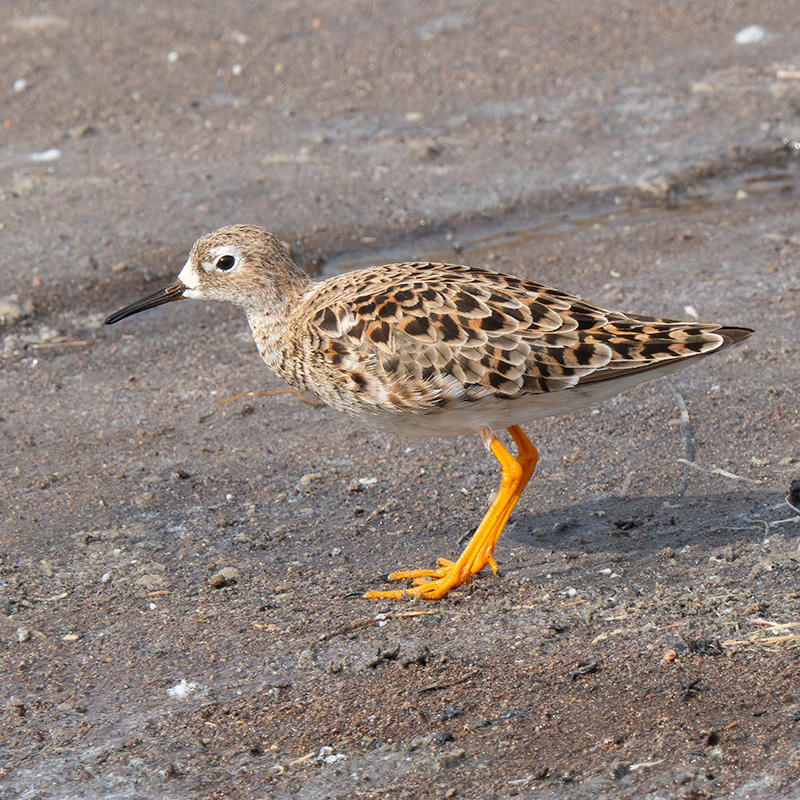
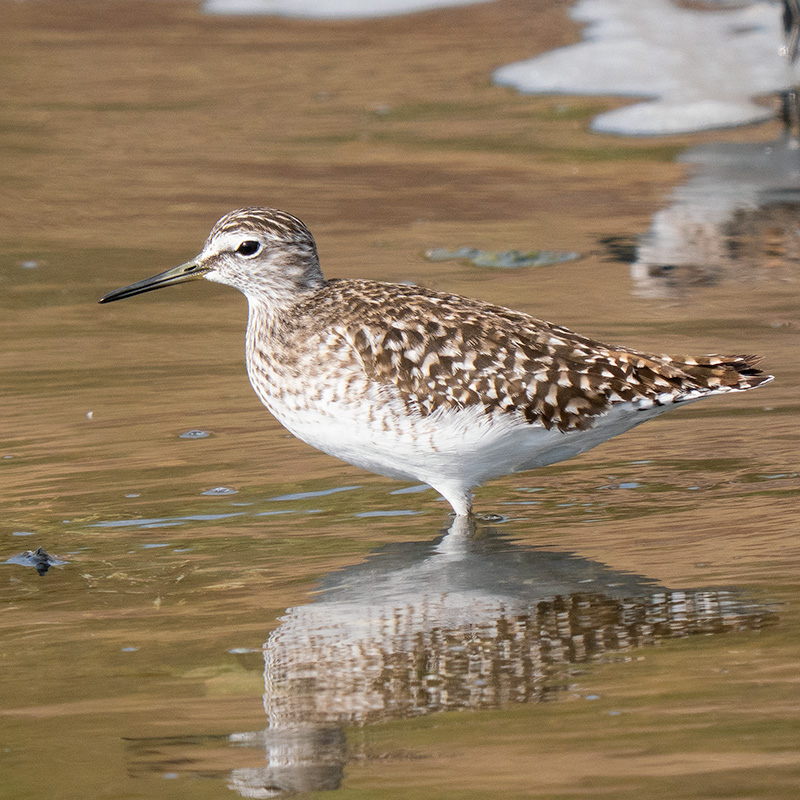
The salt pans cover an extensive area and consist of several large areas of water (the pans) surrounded by a moat beside which a road runs round the site. The actual pans often contain good birds but are far too distant to get good photographs and are mainly of interest to those who use a scope. The moat on the other hand is ideal for photographers and you can use your car as a mobile hide to get good shots without disturbing the birds. Birds we photographed on the moat included Black-winged Stilt, Glossy Ibis, Ruff and Wood Sandpiper.
Black-winged Stilt
Glossy Ibis
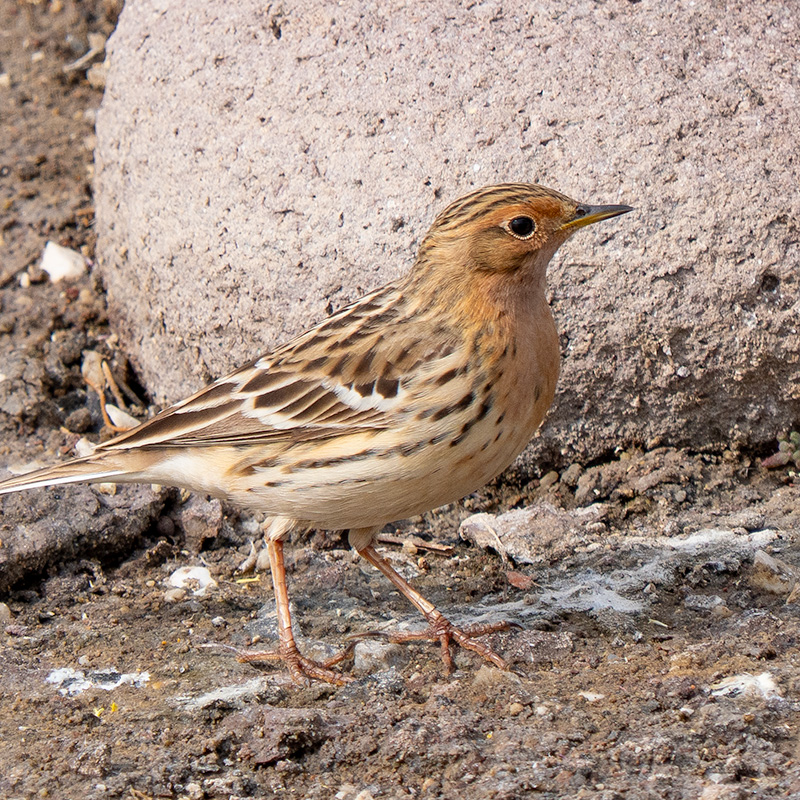
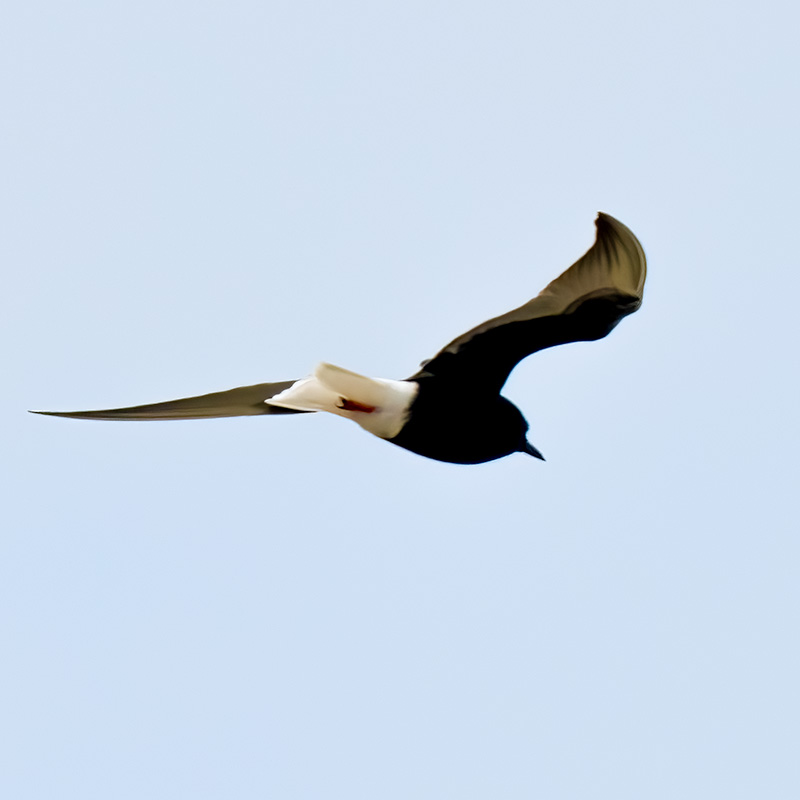
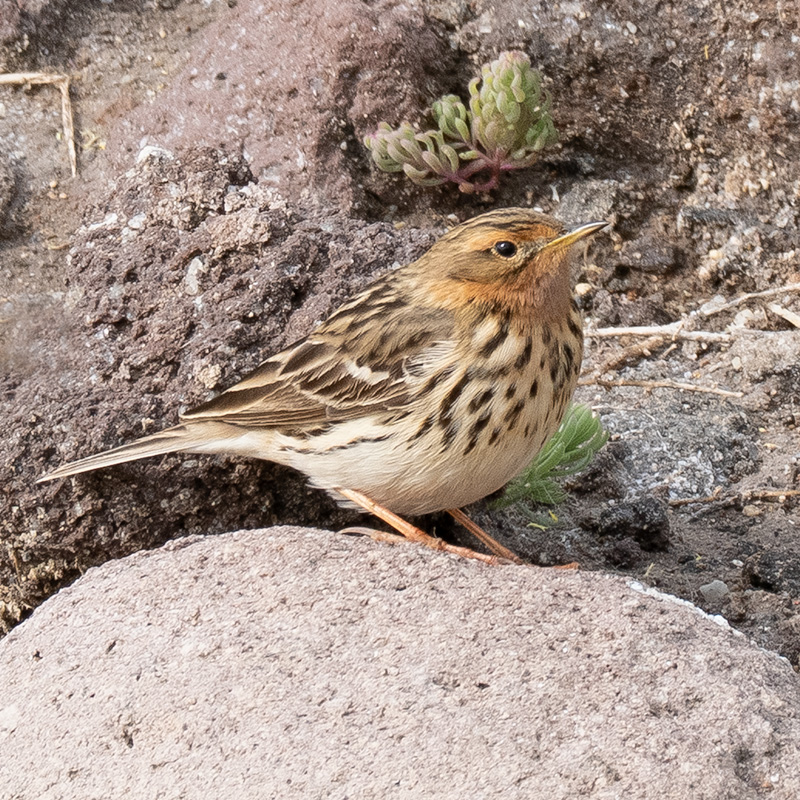
At the end of the main entry road into the salt pans there is a sharp ninety degree bend known as the pumphouse corner, from which runs a short stretch of water beside a road. This area is very popular with photographers as you can photograph the birds from close range from your car. Here we got our best photographs of the Red-throated Pipit, which remained close to the far side of the water for a considerable time. While we were watching the pipit a Black Tern flew over and we managed to get a record shot.
Red-throated Pipit
Black Tern
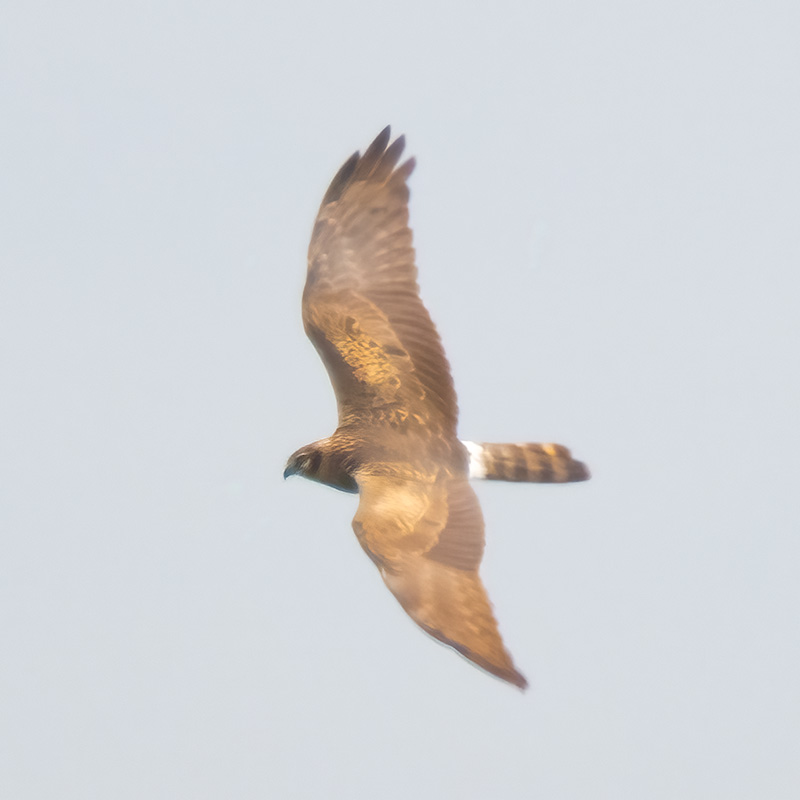
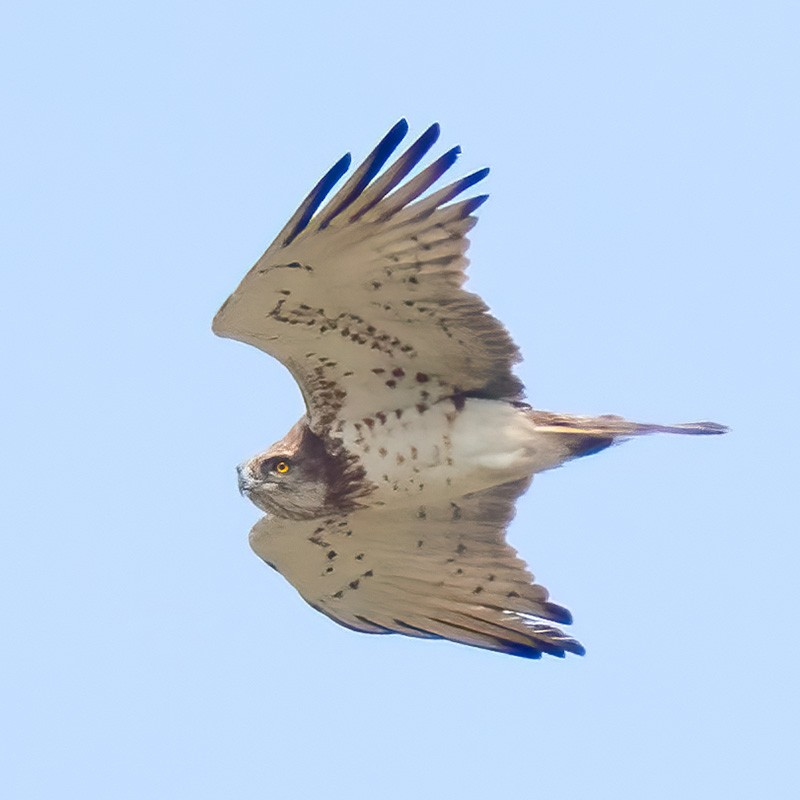
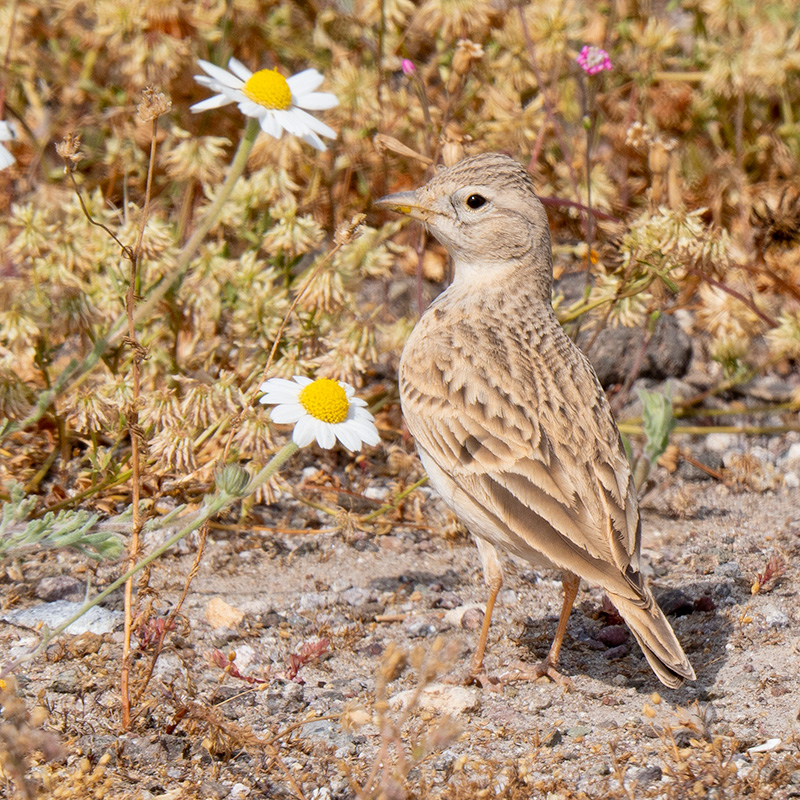
South of the salt pans is the Alykes Wetland, which consists of open fields and drainage channels that extend southwards to the Gulf of Kallonis. The area draws in many species migrating northwards, and is good for Red-throated Pipit, Greater Short-toed Lark and a range of waders. We also had good views of Short-toed Snake-eagle and Montagu’s Harrier while they circled the area.
Montagu's Harrier
Short-toed Snake-eagle
Ruff
Greater Short-toed Lark
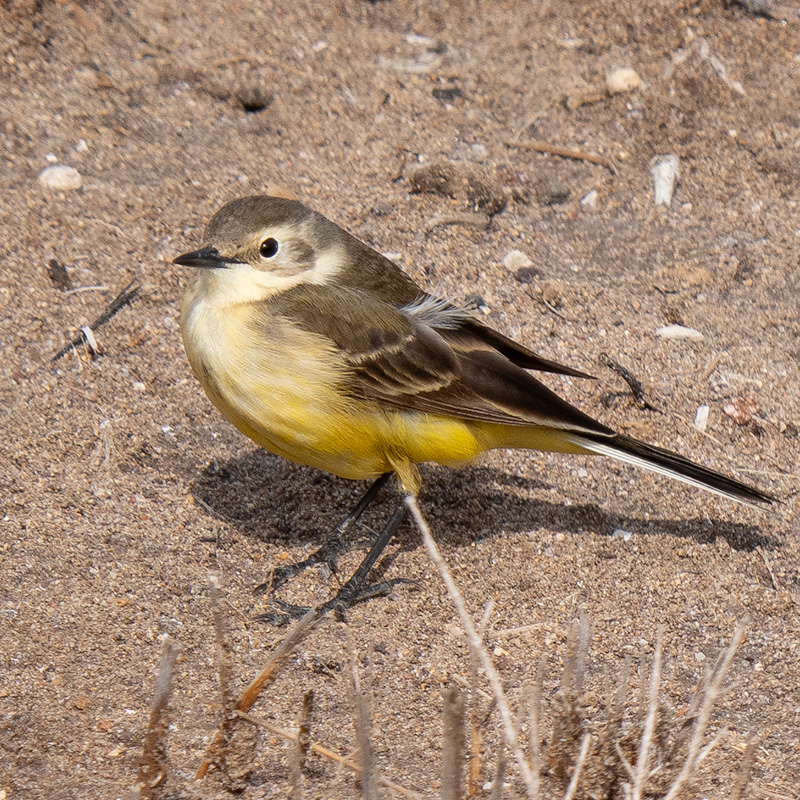
Western Yellow Wagtail
Wood Sandpiper
Red-throated Pipit
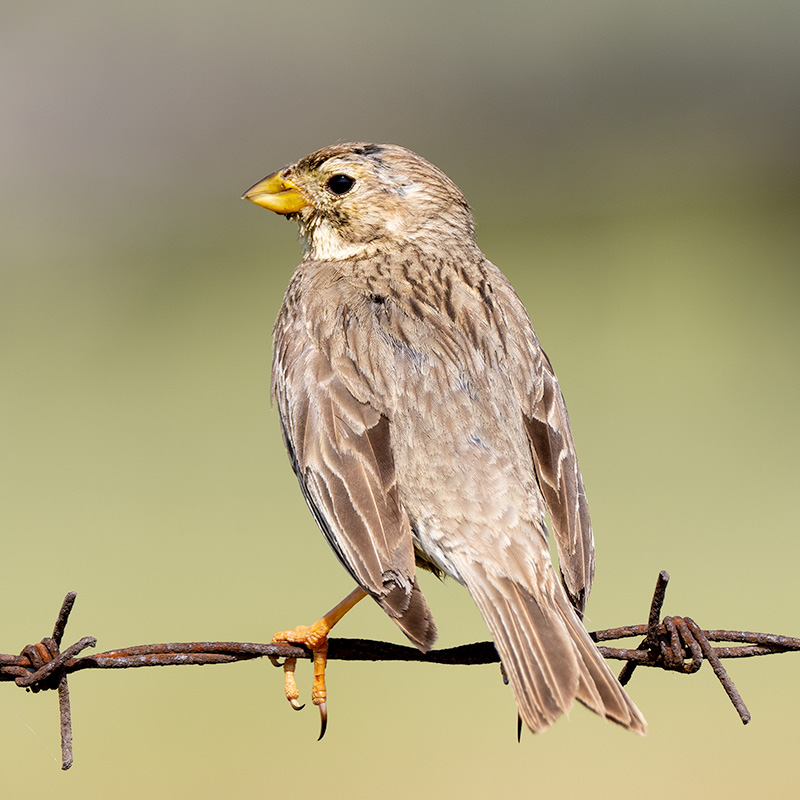
Corn Bunting
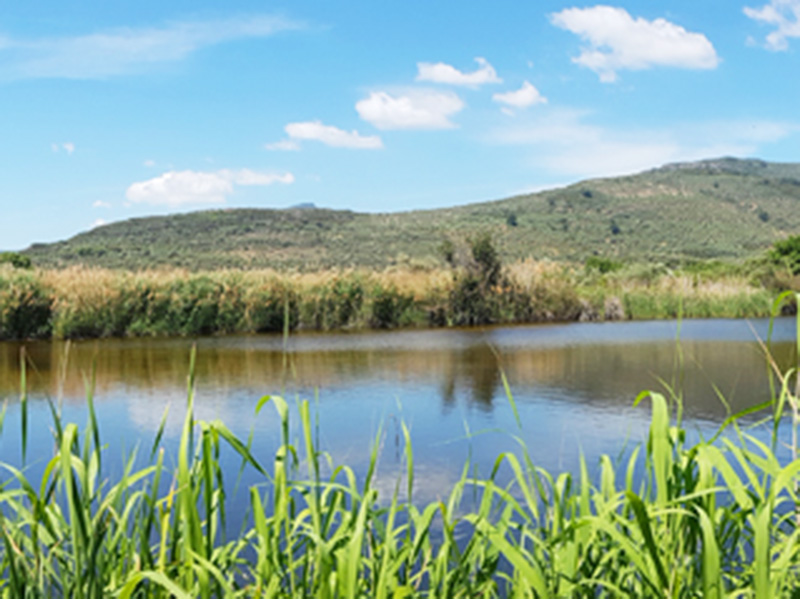
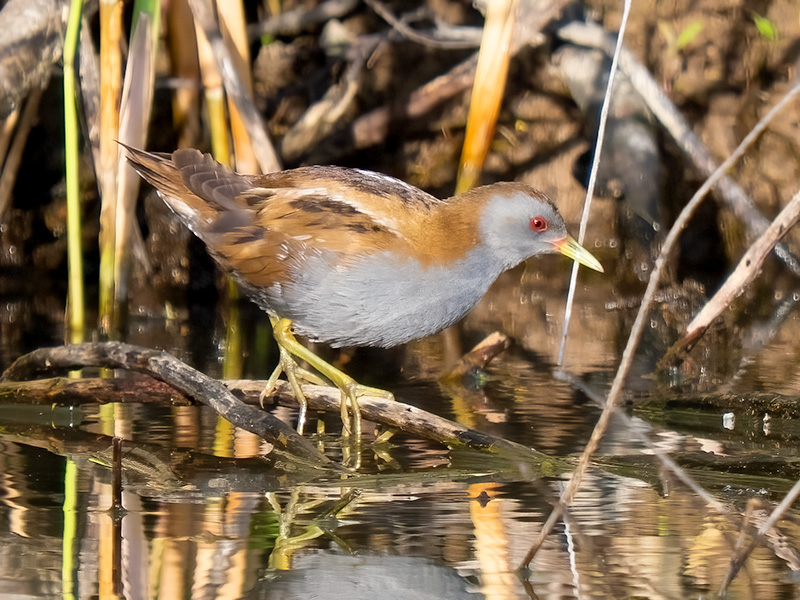
West of Skala Kallonis there are two excellent birding sites in Metochi Lake and the Potamia Valley. Metochi was only 10 minutes drive from our hotel so we made a number of visits during our two weeks in Lesbos. Metochi Lake is best for birds just after dawn and it makes an excellent pre-breakfast area to visit. Some birds can be seen on the surface of the water, but the highlight is usually the crakes that emerge from the reeds on the far side of the lake. This is at quite a distance so photography is not easy.
Metochi Lake
Little Crake
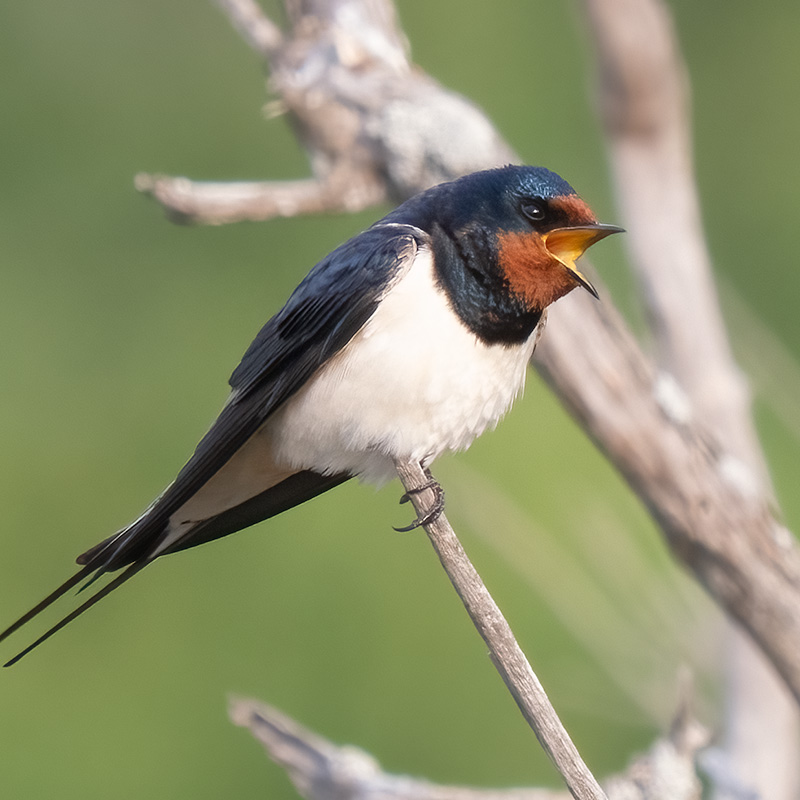
Quite a few birds roost around the lake, including Squacco Heron, Black-crowned Night Heron, Barn Swallow and Pygmy Cormorant and these can be seen flying away around dawn.
Barn Swallow
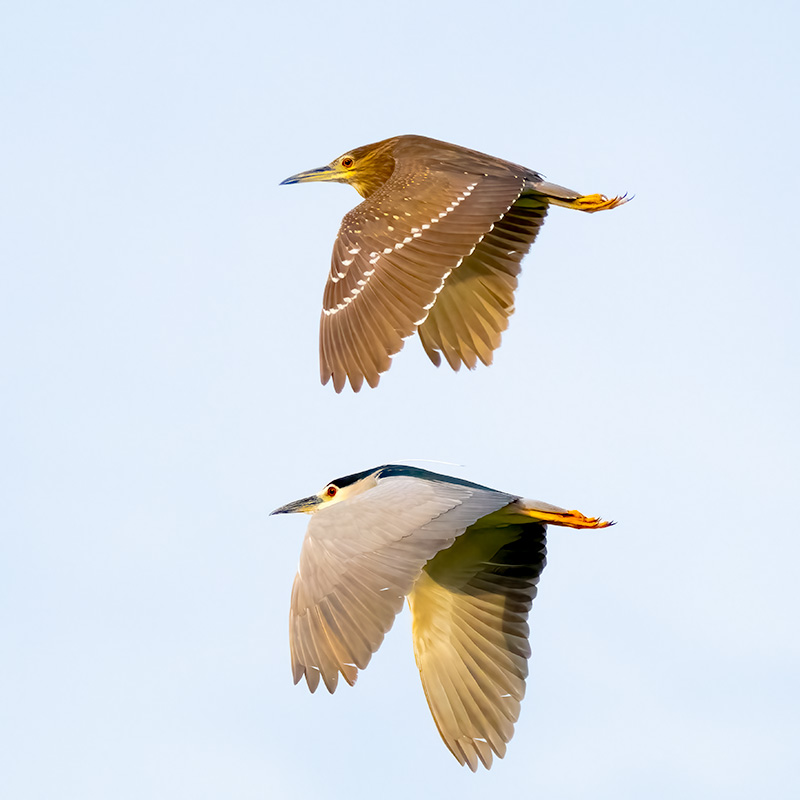
An adult and juvenile Black-crowned Night Heron
Around the lake you can hear Common Reed Warbler, Great Reed Warbler and Cetti’s Warbler, although these can be difficult to photograph.
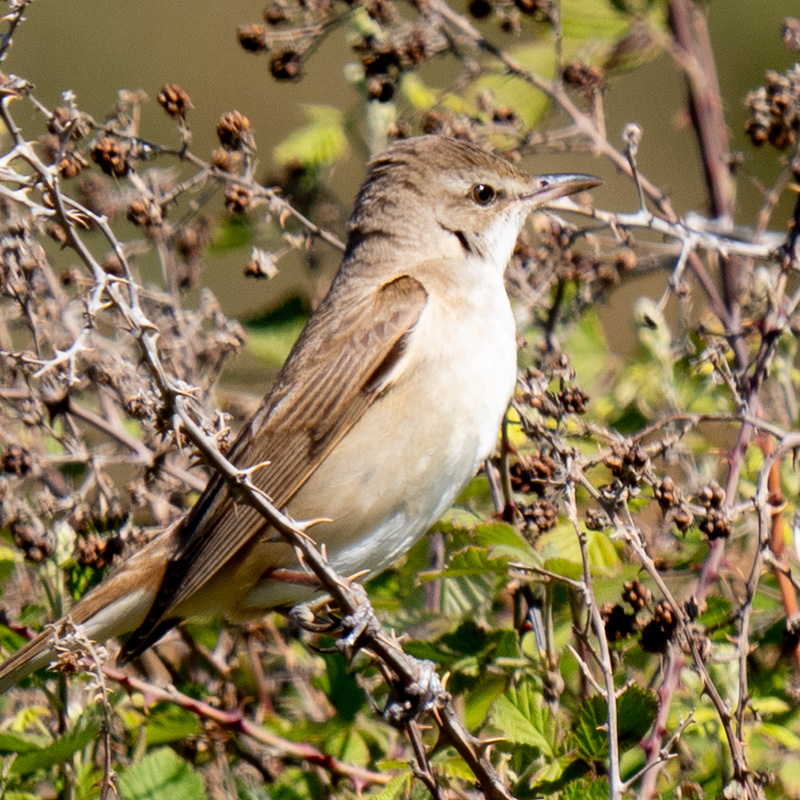
Great Reed Warbler
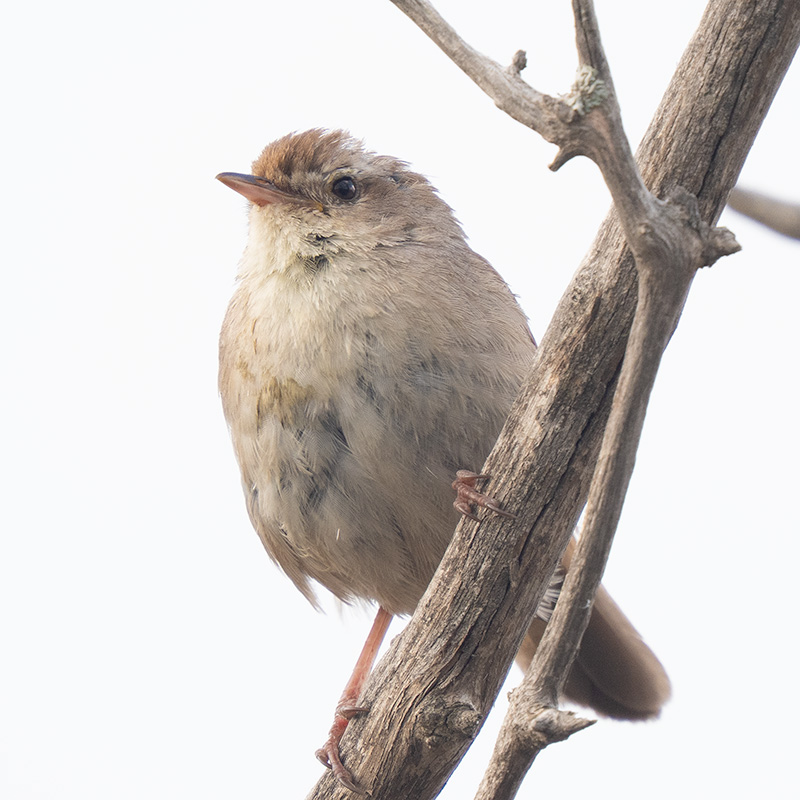
Cetti's Warbler
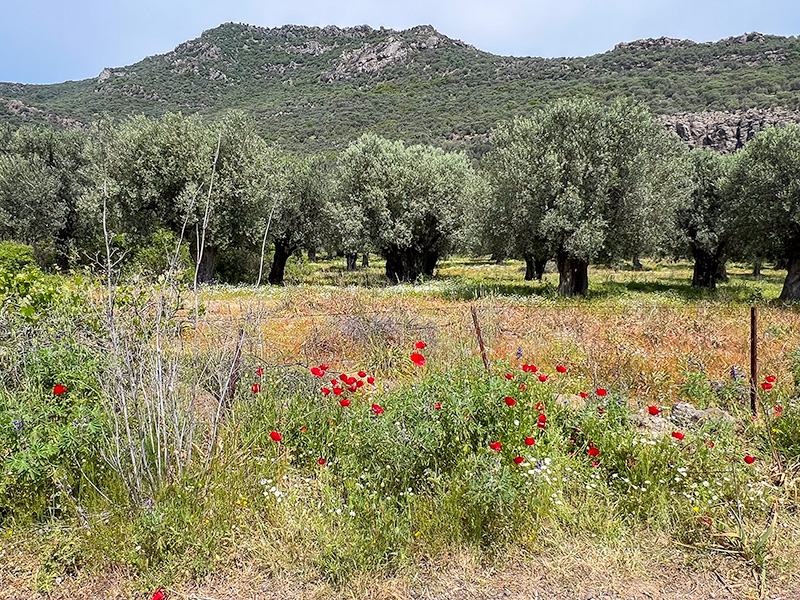
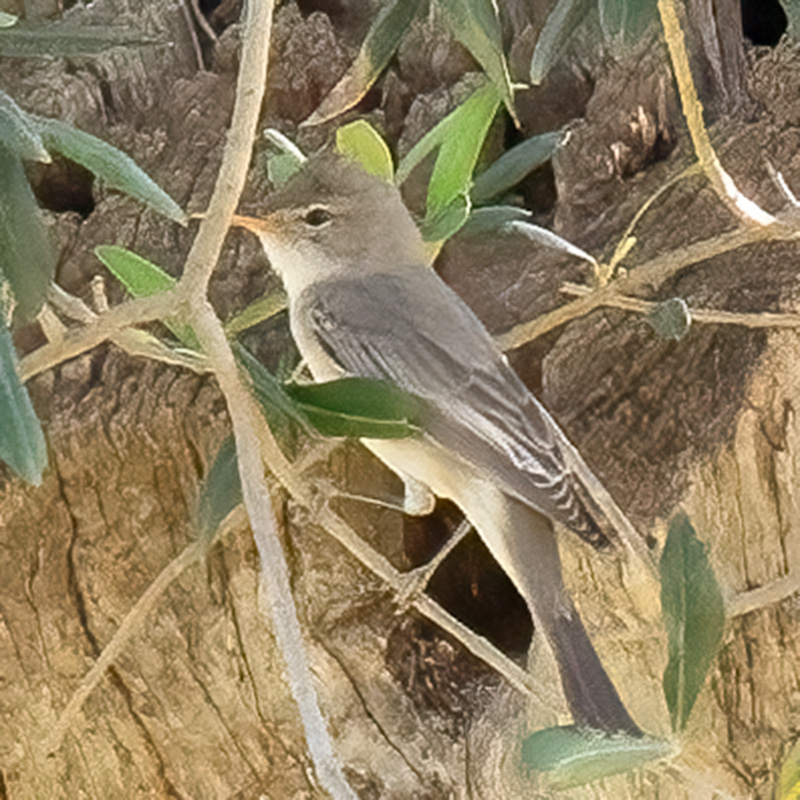
The Potamia valley is a beautiful birding area to the west of Skala Kallonis that is soon reached from the main hotels used by birders. The road follows the Potamia river for several kilometres until a bridge, beyond which there is a pedestrians-only track going further along the valley. There are extensive olive groves along the track within which Olive-tree Warblers nest – a bird that is a major target for birders.
The Potamia Valley
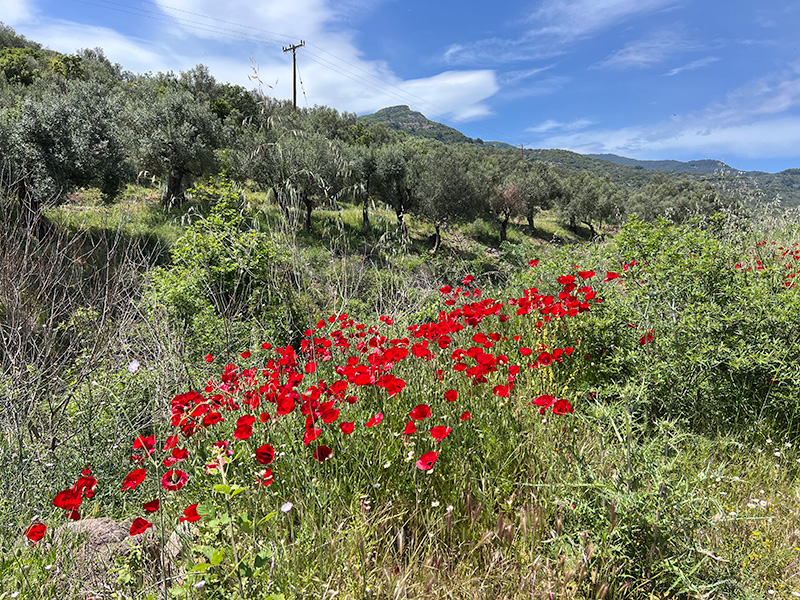
Olive trees in the Potamia Valley
Olive-tree Warbler
Olive-tree Warbler
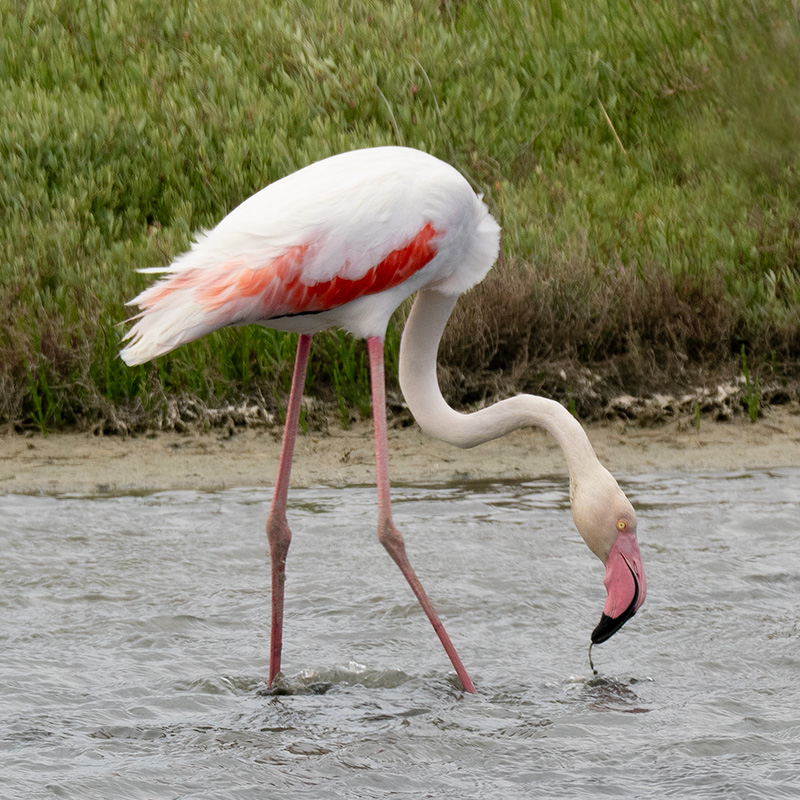
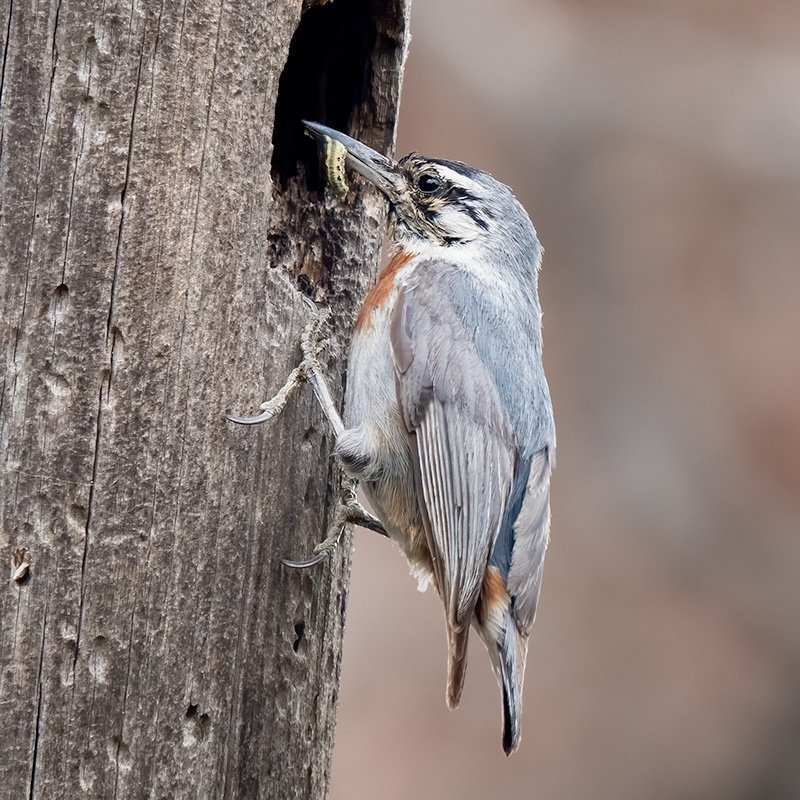
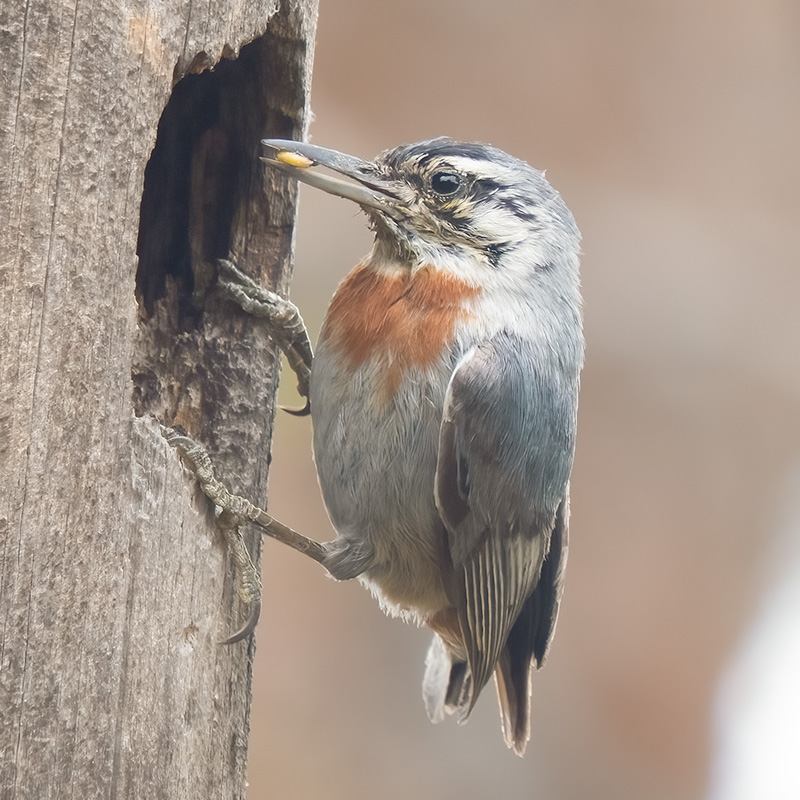
A bird that many birders coming to Lesbos want to see is the Kruper’s Nuthatch, which has a very limited range within the eastern Mediterranean. Although the bird is found at a number of woodland sites across the island, it is most associated with Achladeri Forest, a few kilometres to the east of Kalloni, where it regularlybreeds. On the second day of our trip we therefore visited the forest to try and see the bird. On the way we had good views of a group of Greater Flamingos in a pool beside the road.
Greater Flamingo
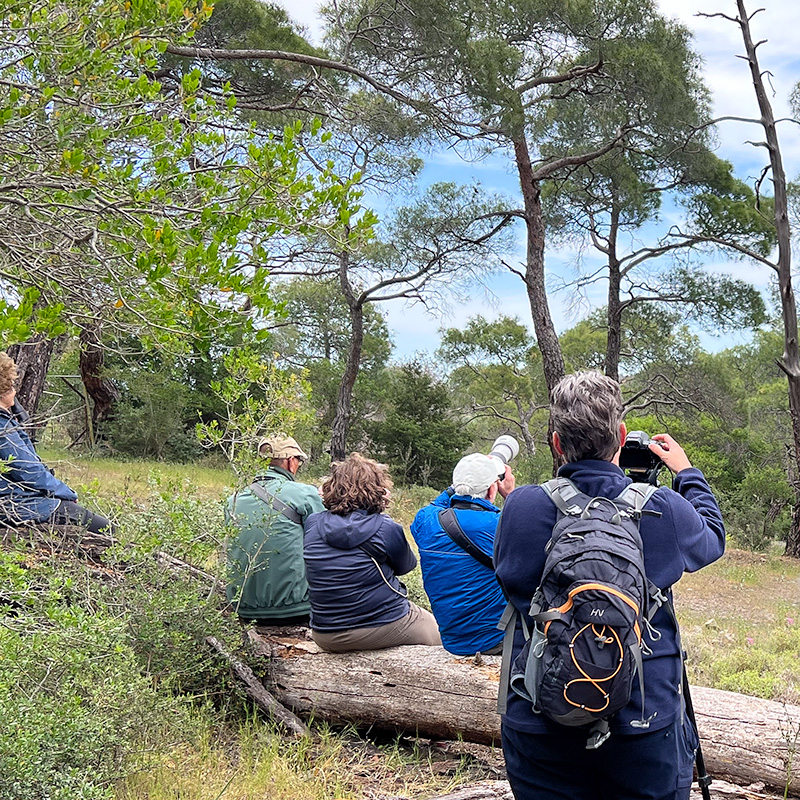
Walking into the forest we soon found the nesting site of the Kruper’s Nuthatch as there was a large group of birders sitting on a log not far from the main trail.